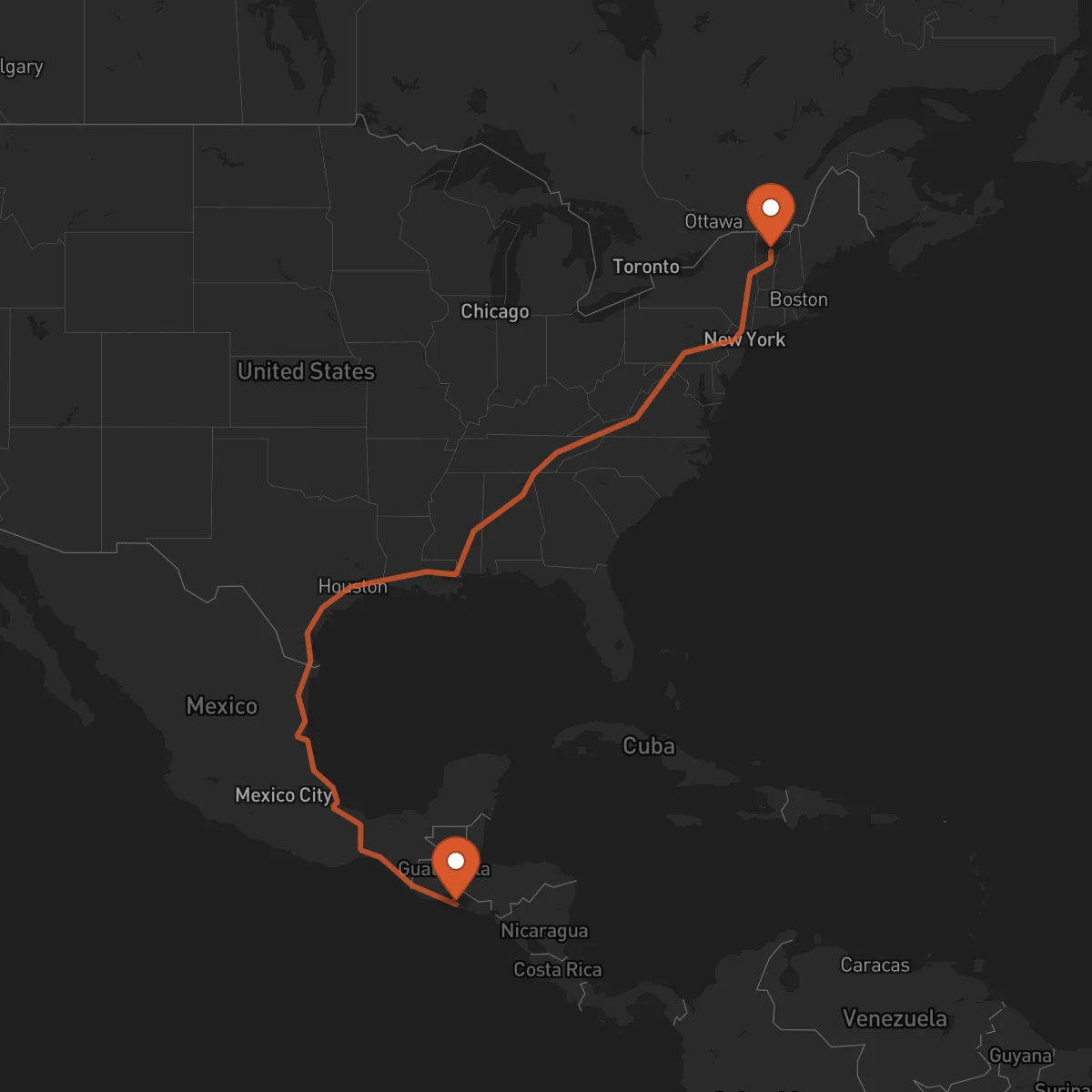
Sonsonate to Montpelier
Montpelier → SonsonateFTL freight transportation service between Sonsonate and Montpelier. Reliable logistics solutions for your business.
Route Description
Everything you need to know about the corridor Sonsonate - Montpelier
The Sonsonate-to-Montpelier corridor represents a critical North-South logistics artery connecting Central America's industrial heartland with the strategic markets of the Northeastern United States. Spanning approximately 3,766 km, this cross-border route is vital for moving manufactured goods, agricultural products, and specialized cargo between El Salvador and Vermont, navigating through Mexico and the United States. Its strategic importance lies in bridging production centers in Central America with high-value consumer and industrial markets in New England, facilitating essential trade flows for regional economic stability.
Economically, the corridor serves dynamic regions. El Salvador's economy, heavily reliant on textiles, apparel, and agricultural exports like coffee and sugar, depends on efficient northbound freight. Conversely, Vermont's economy, driven by advanced manufacturing, forestry products, food processing (including maple syrup and dairy), and specialized machinery, generates significant southbound cargo. This creates a balanced, high-value lane for full truckload (FTL) freight moving in both directions, supporting supply chains that require reliability and specialized handling.
Key industries utilizing this corridor include textile and apparel manufacturers in Sonsonate shipping to U.S. distribution centers, agricultural exporters moving perishable goods, and Vermont-based manufacturers transporting finished equipment and raw materials south. The route also supports the movement of oversized and specialized cargo, such as industrial machinery and forest products, which are hallmarks of both regions' output.
The primary transportation infrastructure relies on a sequential network of major highways: CA-1 in El Salvador connecting to the Pan-American Highway, traversing Mexico via routes like Mexican Federal Highway 190 and 150D, and entering the U.S. at a major border crossing (such as Laredo or El Paso). The journey then continues north through the U.S. interstate system, primarily utilizing I-35, I-44, and I-90 before reaching Vermont via I-89. This multi-national highway network is the backbone of the corridor.
Border crossings, particularly at the Mexico-U.S. border, are pivotal logistical nodes. Navigating customs and border protection requires meticulous documentation and compliance with programs like C-TPAT and FAST to ensure streamlined clearance. Control Terrestre facilitates seamless operations on this complex corridor by leveraging our alliance of certified providers. Our partners hold key accreditations including C-TPAT, FAST, and BASC, which expedite cross-border processes. We coordinate the entire FTL journey—from origin pickup in Sonsonate to final delivery in Montpelier—managing customs brokerage support, dedicated equipment assignment (from dry vans to flatbeds), and ensuring a single point of contact for our clients, transforming a multi-national challenge into a streamlined, door-to-door solution.
Services for this Route
Available services for the corridor Sonsonate - Montpelier
 Origin
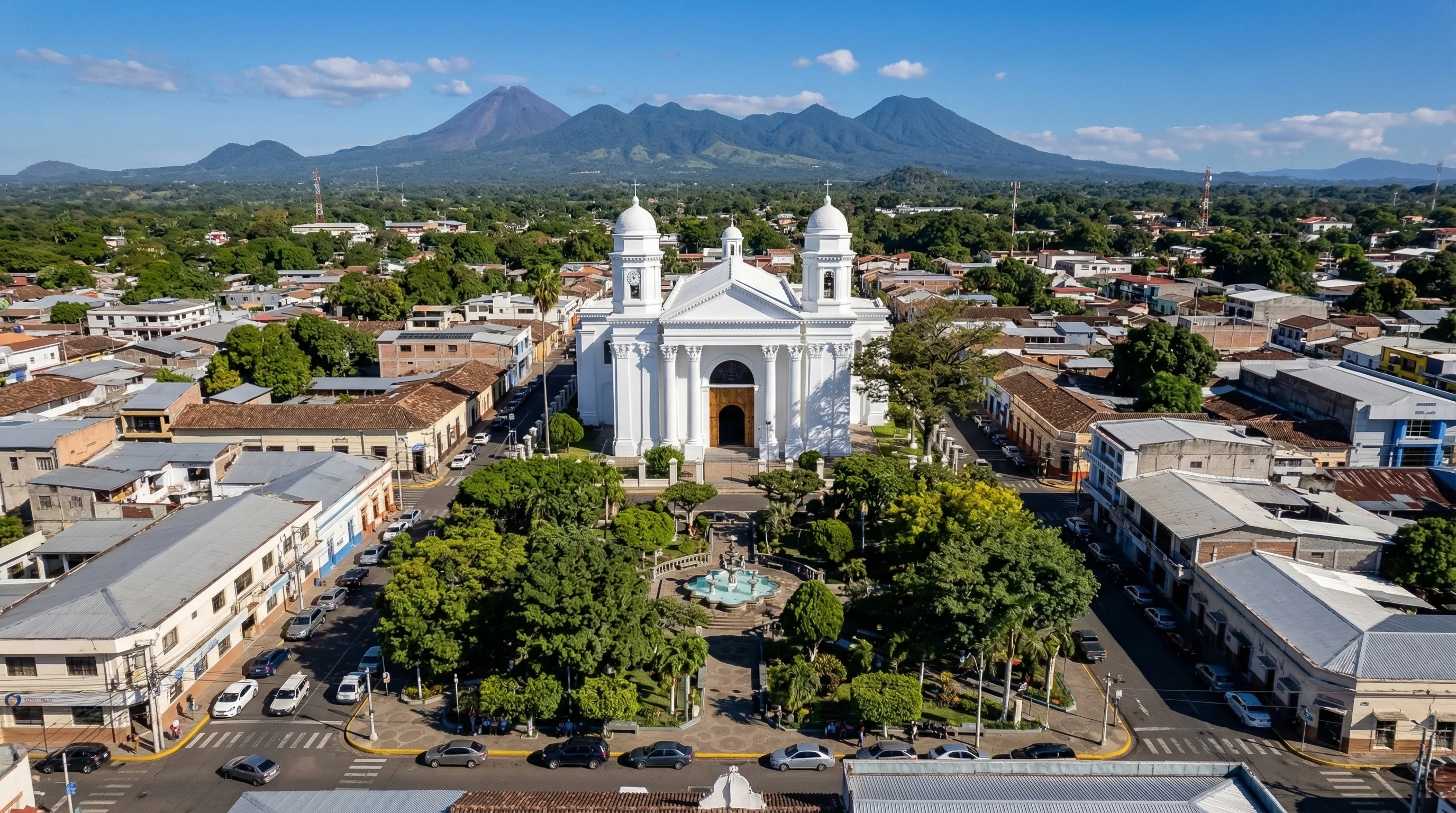
Sonsonate
Sonsonate, situated in western El Salvador, is a pivotal logistical hub for the country's primary export corridor. Its strategic location is defined by proximity to the Port of Acajutla, El Salvador's main Pacific port, and direct access to the CA-1 highway (part of the Pan-American Network). This infrastructure provides a direct, efficient link northward into Guatemala and Mexico, making Sonsonate a natural staging point for cross-continental freight. The city and surrounding region are a powerhouse of El Salvador's industrial economy.
The main industries driving freight demand from the Sonsonate region are textiles and apparel manufacturing, which dominate the export landscape. Additionally, significant agricultural sectors produce coffee, sugar, and tropical fruits for international markets. These industries require robust, reliable FTL transportation to move high-volume, time-sensitive goods to North American distribution networks. The presence of numerous maquilas (export assembly plants) ensures consistent, high-density cargo flows.
Available transportation infrastructure is centered on the CA-1 highway, a well-maintained, four-lane route that connects Sonsonate directly to the Guatemalan border and the broader Central American highway system. The nearby Port of Acajutla handles containerized cargo, which is often transferred to trucks for inland destinations. While the region's infrastructure is optimized for regional connection, the long-haul northbound leg is entirely dependent on seamless integration with the Mexican and U.S. highway networks, a transition expertly managed by Control Terrestre's alliance model.
 Destination
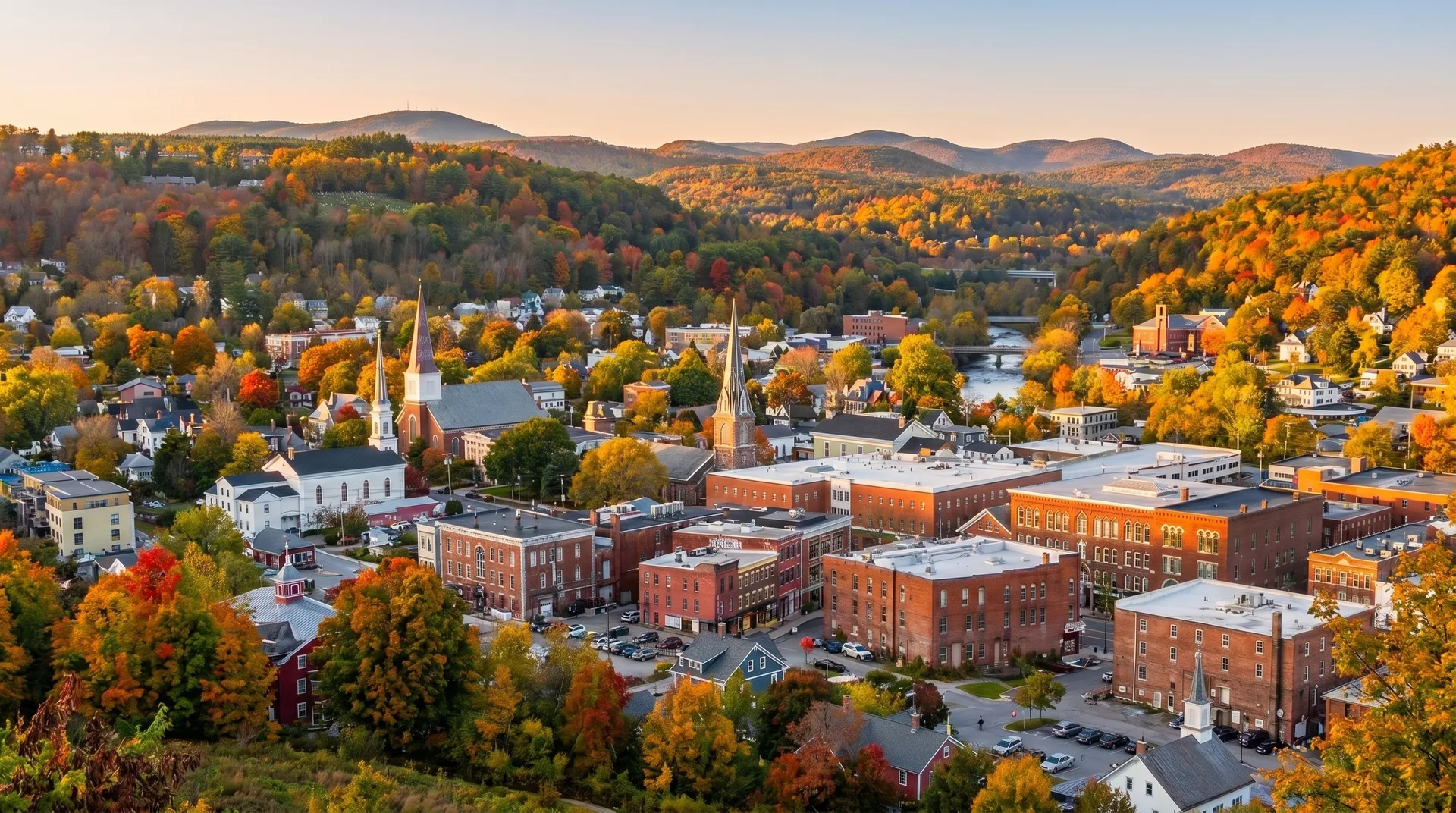
Montpelier
Montpelier, the capital of Vermont, serves as a key logistical destination for the state's diverse and high-value economy. Its strategic location is central to Vermont's road network, providing direct access to major interstate corridors that connect the region to the broader Northeastern U.S. and Canadian markets. As a governmental and commercial center, it acts as a consolidation and distribution point for goods flowing into and out of Vermont, with infrastructure designed to support both industrial and specialized freight.
The primary industries generating freight to and from Montpelier include advanced manufacturing (precision machinery, electronics), forest products (lumber, finished wood goods), food and beverage production (notably maple syrup, dairy, and specialty foods), and increasingly, technology and biotech sectors. These industries often require specialized transportation solutions, including temperature-controlled (reefer) units for food, flatbeds for lumber, and secure dry vans for manufactured goods. The economic profile drives demand for reliable, scheduled, and sometimes expedited FTL services.
The available transportation infrastructure is anchored by Interstate 89, which runs directly through Montpelier, providing a high-speed, direct link south to Boston and north to Canada. This interstate connectivity is crucial for efficient long-haul trucking. State routes and local roads distribute cargo to industrial parks and manufacturing facilities throughout Vermont. The corridor's final leg is characterized by well-maintained interstates and a focus on timely delivery to a region where weather and seasonal factors can influence logistics planning, underscoring the need for experienced carriers.


Ready to ship your cargo?
Get a personalized quote for your freight.
Quote Now Sonsonate - Montpelier








