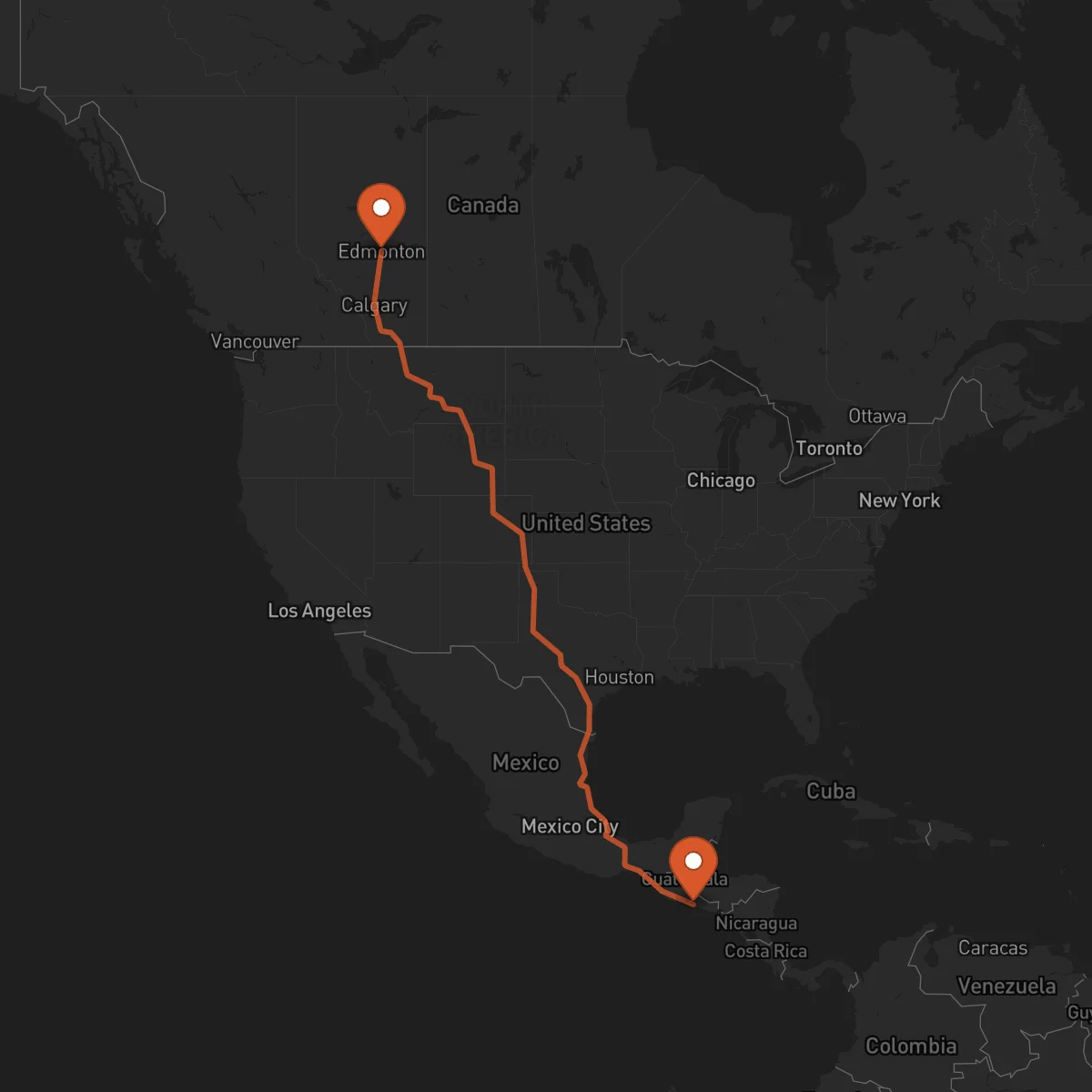
Sonsonate to Edmonton
Edmonton → SonsonateFTL freight transportation service between Sonsonate and Edmonton. Reliable logistics solutions for your business.
Route Description
Everything you need to know about the corridor Sonsonate - Edmonton
This cross-border corridor connects the Pacific coast of El Salvador with the heart of Western Canada, linking Sonsonate to Edmonton over approximately 4896 km. It serves a strategic function in facilitating trade between Central America and North America, offering a vital pathway for goods moving between these regions. The route supports the economic dynamism of both zones, enabling the efficient movement of products that fuel key industries.
The economic context is driven by sectors such as agriculture, manufacturing, and energy. In Alberta, Edmonton acts as a major hub for the energy sector and government services, requiring a steady flow of specialized industrial goods and equipment. In El Salvador, the corridor supports manufacturing and agricultural export activities. Transportation relies heavily on established highways connecting to international corridors, with critical border crossings requiring careful attention to customs documentation and compliance.
Control Terrestre leverages its exclusive Full Truckload (FTL) network to manage the complexities of this corridor. Our providers, certified in security and safety standards, handle specialized cargo and ensure regulatory adherence. We manage the specific requirements for cross-border freight, utilizing equipment such as dry vans and refrigerated units as needed. Our expertise in North American customs processes allows us to streamline operations for clients transporting dedicated or expedited freight across this route.
Services for this Route
Available services for the corridor Sonsonate - Edmonton
 Origin
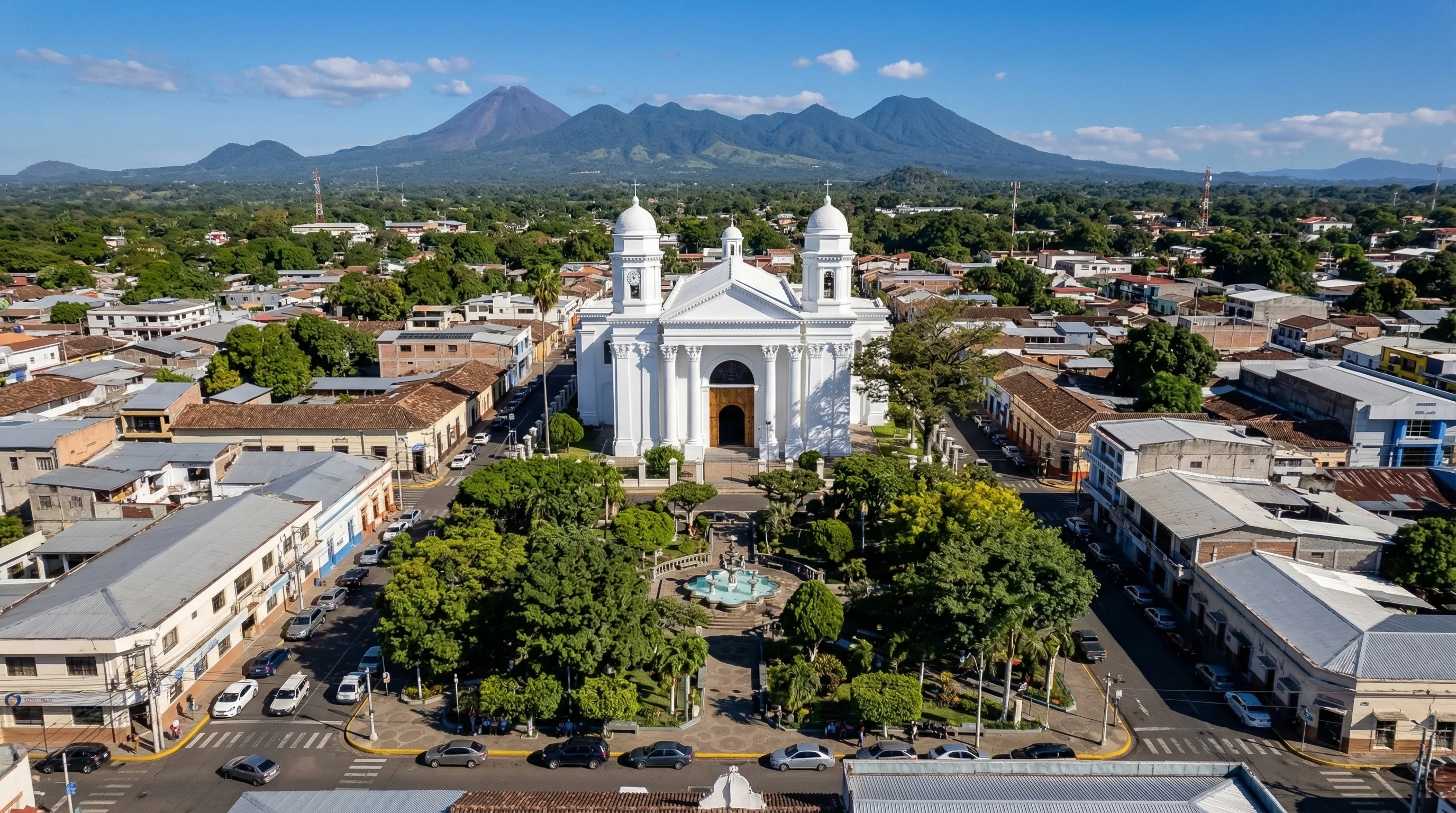
Sonsonate
Sonsonate provides a strategic coastal location in El Salvador, serving as a key node for regional logistics. The area is a center for agricultural production and light manufacturing, creating a consistent demand for outbound transportation. Local infrastructure supports the movement of goods toward international gateways, connecting producers with broader markets. The availability of robust ground transportation links ensures that cargo can be prepared for long-haul international journeys efficiently.
 Destination
Edmonton serves as the administrative and economic center of Alberta, offering a strategic hub for North American distribution. The city’s economy is dominated by the energy sector, alongside significant government and service industries, creating demand for heavy and specialized cargo. The city is well-equipped with major transportation infrastructure, including rail yards and highway networks that facilitate domestic and cross-border distribution. This infrastructure supports the efficient integration of imported goods into the Canadian market.










