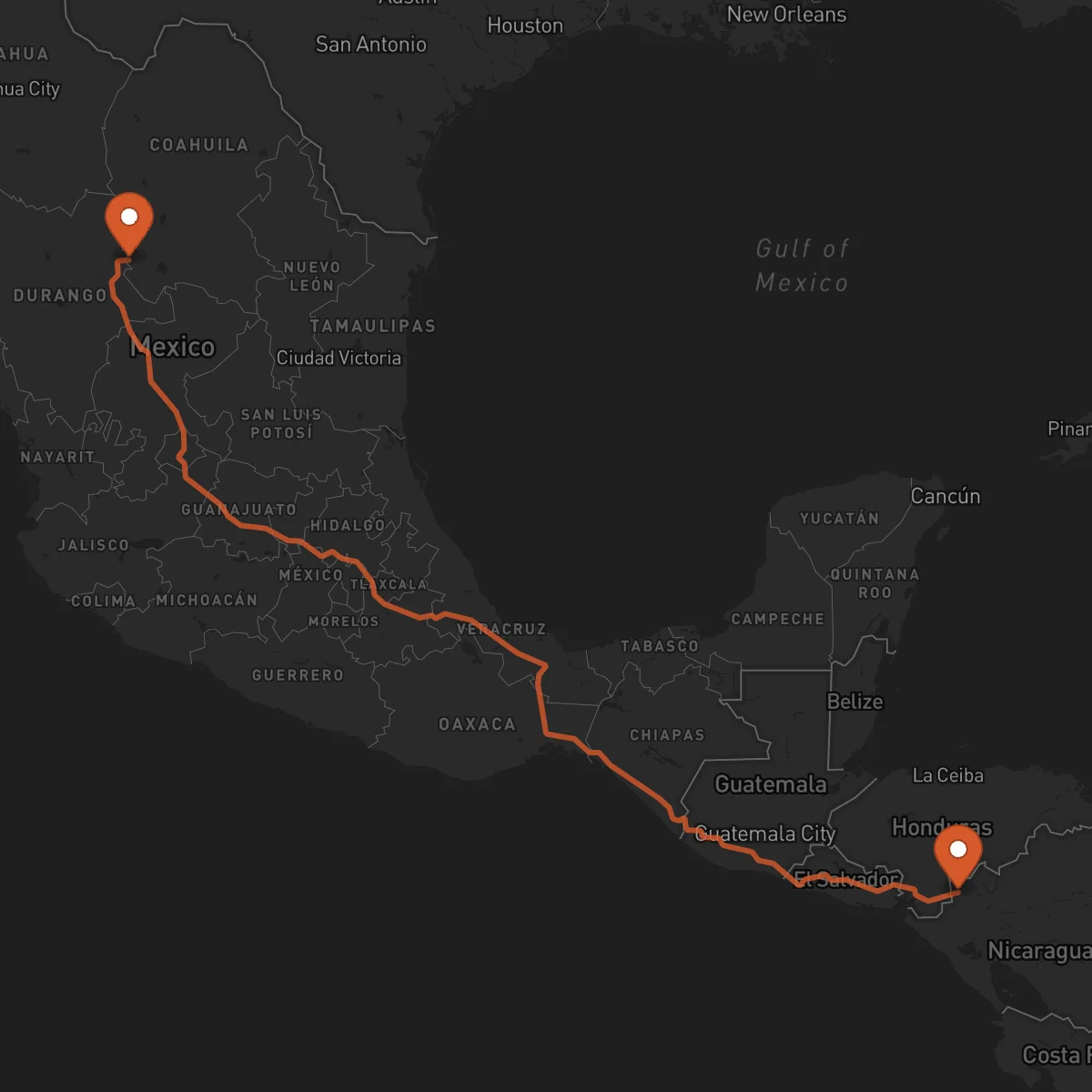
Somoto to Torreón
Torreón → SomotoFTL freight transportation service between Somoto and Torreón. Reliable logistics solutions for your business.
Route Description
Everything you need to know about the corridor Somoto - Torreón
The Somoto to Torreón corridor is a strategic cross-border route that connects northern Nicaragua with the industrial heartland of Coahuila, Mexico. This corridor plays a vital role in facilitating trade between Central America and North America, enabling the efficient movement of goods across diverse economic regions. By linking agricultural and manufacturing hubs, it supports supply chain integration for businesses seeking reliable freight solutions.
Economically, the corridor bridges Nicaragua's export-driven sectors, such as agriculture and livestock, with Torreón's robust manufacturing base. Torreón is a key industrial center known for textiles, automotive parts, and consumer goods, driving demand for inbound raw materials and outbound finished products. This flow underscores the corridor's importance in regional commerce, where full truckload (FTL) services are essential for handling bulk shipments without consolidation.
Main industries utilizing this route include Nicaraguan coffee and beef exporters, as well as Mexican manufacturers in Torreón requiring imported components. The corridor's infrastructure relies on major highways: Nicaragua's RN-1, Honduras' CA-1, and Mexico's Federal Highways 40 and 57, which form a continuous land bridge. Critical border crossings, like El Amatillo between Nicaragua and Honduras, demand expert customs management to ensure smooth transit.
Control Terrestre simplifies operations on this corridor through our alliance of certified providers. With credentials such as BASC for security and cross-border expertise, we offer dedicated FTL services using equipment like dry vans and reefers. Our focus on human and green logistics means we coordinate door-to-door shipments, handling all regulatory complexities to provide companies with a seamless, reliable freight experience from Somoto to Torreón.
Services for this Route
Available services for the corridor Somoto - Torreón
 Origin
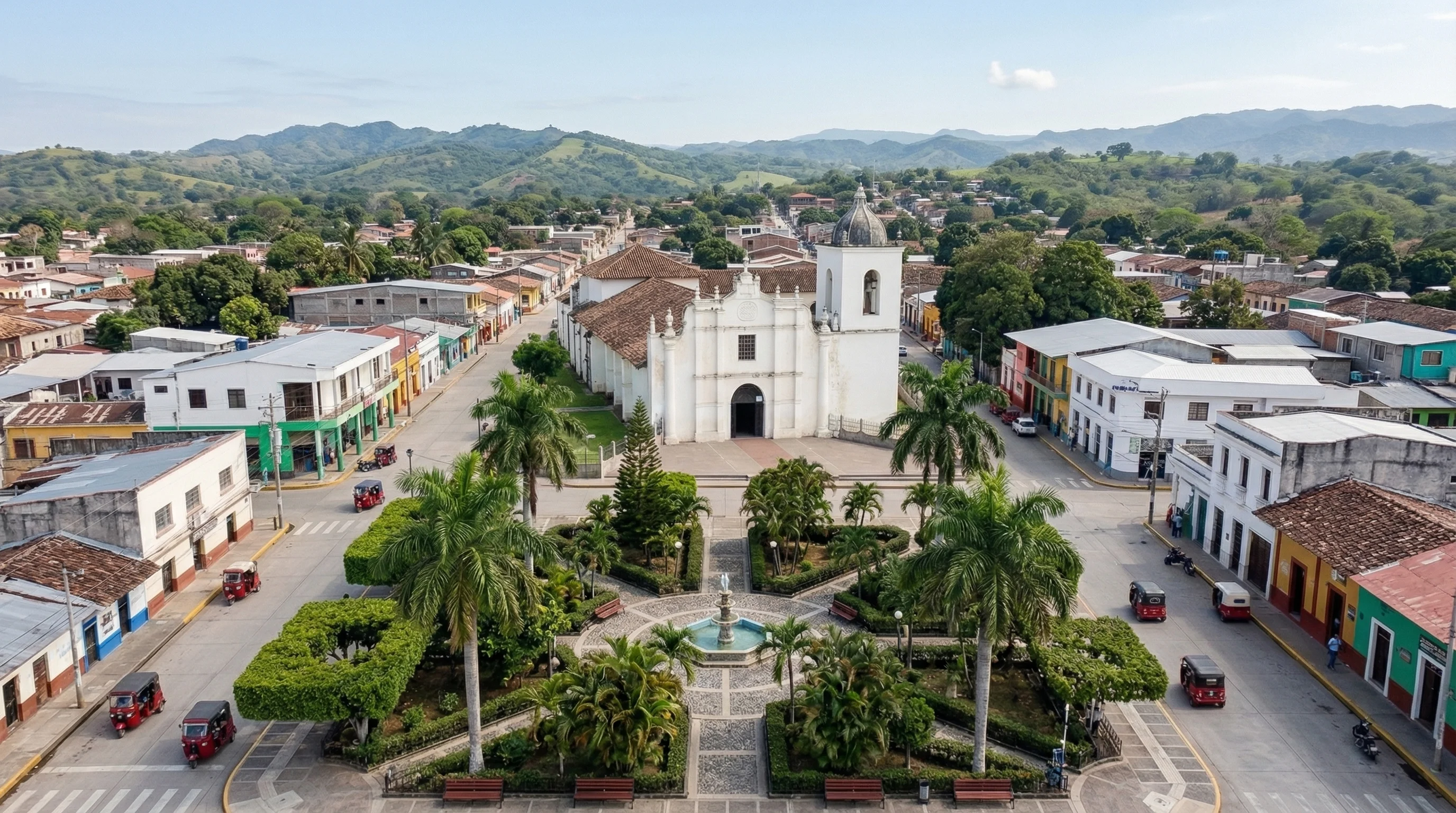
Somoto, located in the Madriz department of northern Nicaragua, is a strategic logistics origin due to its proximity to the Honduran border, serving as a gateway for northbound freight into Central America and beyond. This positioning enhances its role in cross-border trade corridors, particularly for shipments targeting Mexico and the U.S.
The local economy is predominantly agricultural, with coffee production being a cornerstone, alongside livestock and artisanal crafts. Small-scale manufacturing and food processing also contribute, generating goods that require efficient transportation to international markets. These sectors rely on consistent freight services to move bulk products.
Transportation infrastructure includes well-maintained regional roads that connect to Nicaragua's national highway network, such as RN-1, facilitating access to key border crossings like El Amatillo. This road connectivity supports the consolidation of full truckload shipments, enabling direct routes from Somoto to the broader Central American corridor and into Mexico.
 Destination
Torreón, in Coahuila, México, is a strategic logistics destination as part of the Laguna region, an industrial and manufacturing hub with excellent connectivity to northern Mexico and the U.S. border. Its location within Mexico's key economic corridors makes it a focal point for freight distribution, attracting businesses with its infrastructure and market access.
Torreón's economy is diversified, with strong industries in textiles, automotive manufacturing, metalworking, and food processing. These sectors drive significant demand for both inbound raw materials and outbound finished goods, often requiring dedicated full truckload transport to manage high-volume shipments efficiently.
The city boasts robust transportation infrastructure, including Federal Highways 40 and 57, which provide direct links to major Mexican cities and border crossings. Additionally, rail and intermodal options enhance multimodal capabilities, supporting seamless door-to-door logistics for cross-border and domestic freight operations.










