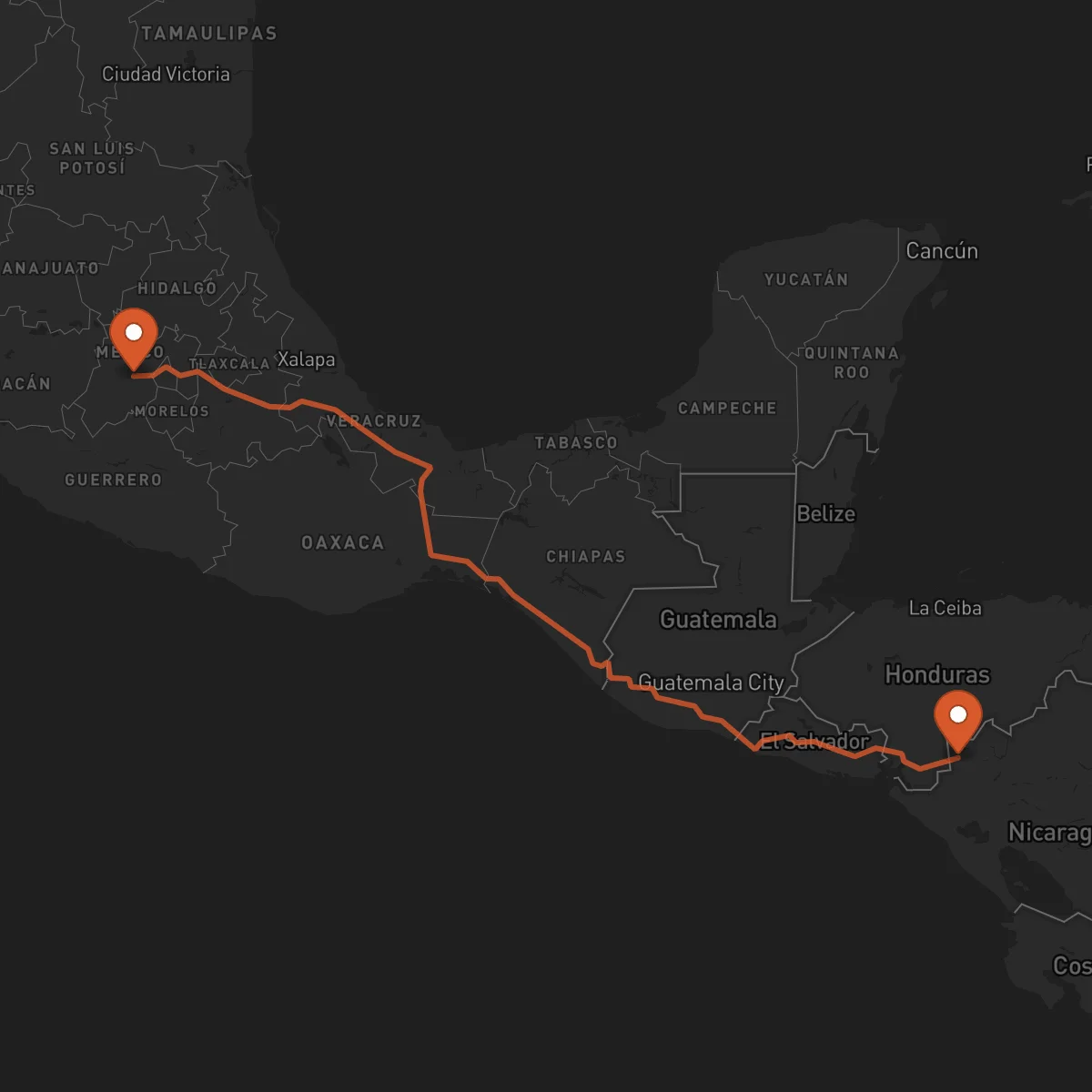
Somoto to Toluca
Toluca → SomotoFTL freight transportation service between Somoto and Toluca. Reliable logistics solutions for your business.
Route Description
Everything you need to know about the corridor Somoto - Toluca
The Somoto to Toluca corridor represents a vital North-South trade artery connecting Central America to the heart of Mexico's industrial zone. Spanning approximately 1,535 kilometers, this cross-border route is strategically essential for moving goods efficiently between Nicaragua and the Estado de México, bypassing congestion points further east and providing a direct link to one of Mexico's most significant manufacturing and consumption hubs. The economic vitality of this corridor is driven by the robust industrial output of the Toluca metropolitan area and the agricultural and manufacturing base of northern Nicaragua and southern Honduras. Key industries leveraging this route include automotive parts and assembly, food and beverage production, textiles and apparel, and agricultural commodities. The primary transportation infrastructure relies on Nicaragua's CA-1 highway, which transitions into Mexico's federal highway network, notably routes 15 and 55, providing a paved, all-weather connection critical for time-sensitive FTL shipments. The principal international border crossing is at El Paso, Texas/Ciudad Juárez, Chihuahua, a major gateway with established customs processes. Navigating the complex documentation, customs brokerage, and regulatory compliance for this journey requires specialized expertise. At Control Terrestre, we facilitate seamless operations on this corridor through our strategic alliance of certified carriers. Our providers hold key accreditations like C-TPAT, FAST, and BASC, ensuring secure and compliant cross-border transit. We coordinate the entire door-to-door process, from Somoto's industrial parks to Toluca's manufacturing zones, managing the unique requirements of dedicated, refrigerated, or specialized cargo with a focus on reliability and a human, personalized approach to your supply chain.
Services for this Route
Available services for the corridor Somoto - Toluca
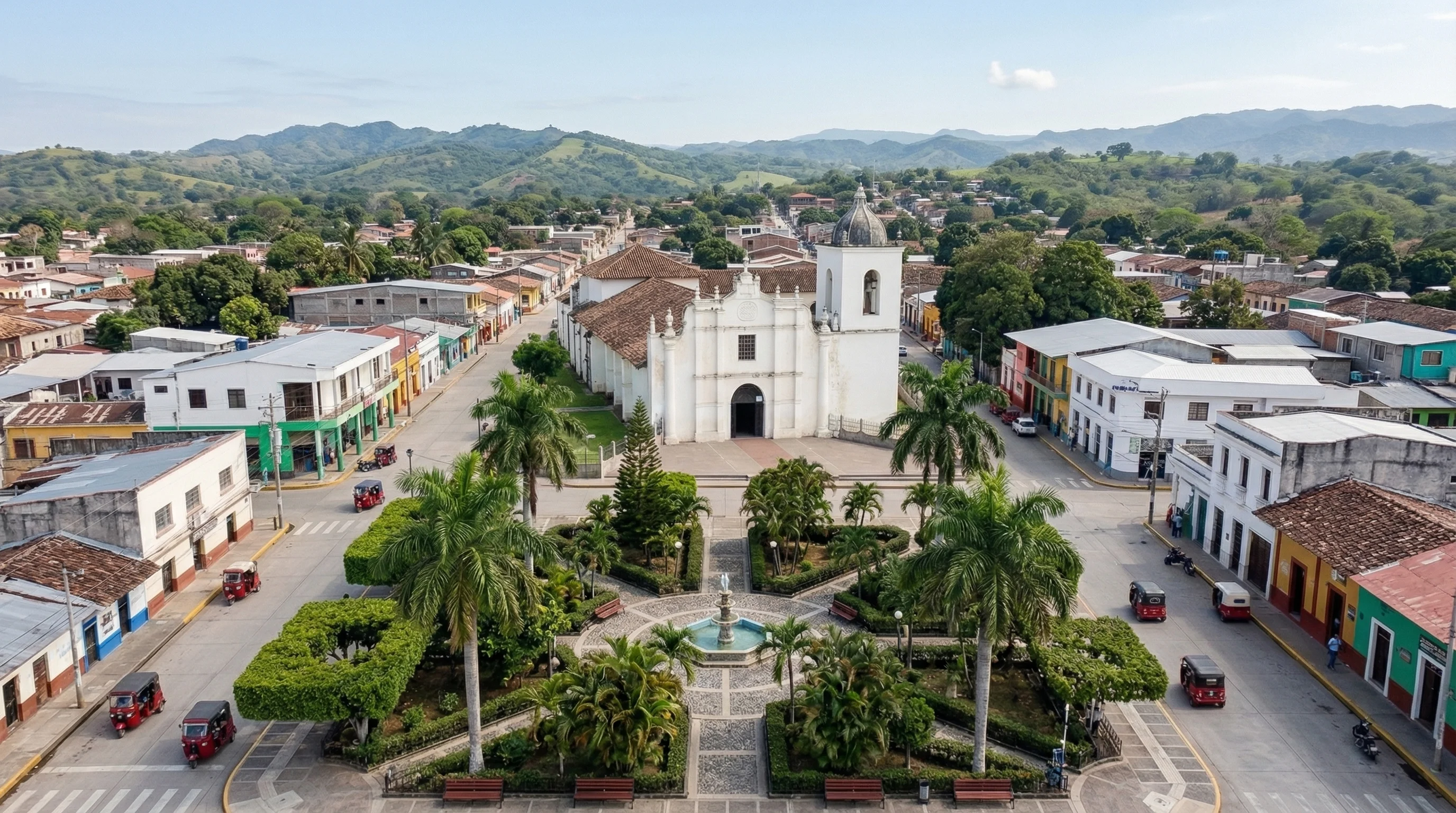 Origin
Somoto, located in the Madriz department of northern Nicaragua, serves as a critical logistics gateway for Central American trade. Its strategic value lies in its proximity to the borders with Honduras and, via the main CA-1 highway, its direct connection to the primary north-south corridor leading to the Pacific coast ports and ultimately to Mexico. The local economy is anchored by agriculture, with surrounding regions producing coffee, grains, and livestock, alongside growing light manufacturing and textile sectors that require reliable outbound freight. The city's infrastructure is centered on the CA-1 highway, a major paved route that provides the essential first leg for long-haul trucking. This makes Somoto an optimal consolidation and dispatch point for full truckload (FTL) cargo destined for Mexico and beyond, leveraging its position as a northern Nicaraguan hub with established road access to the international border crossing network.
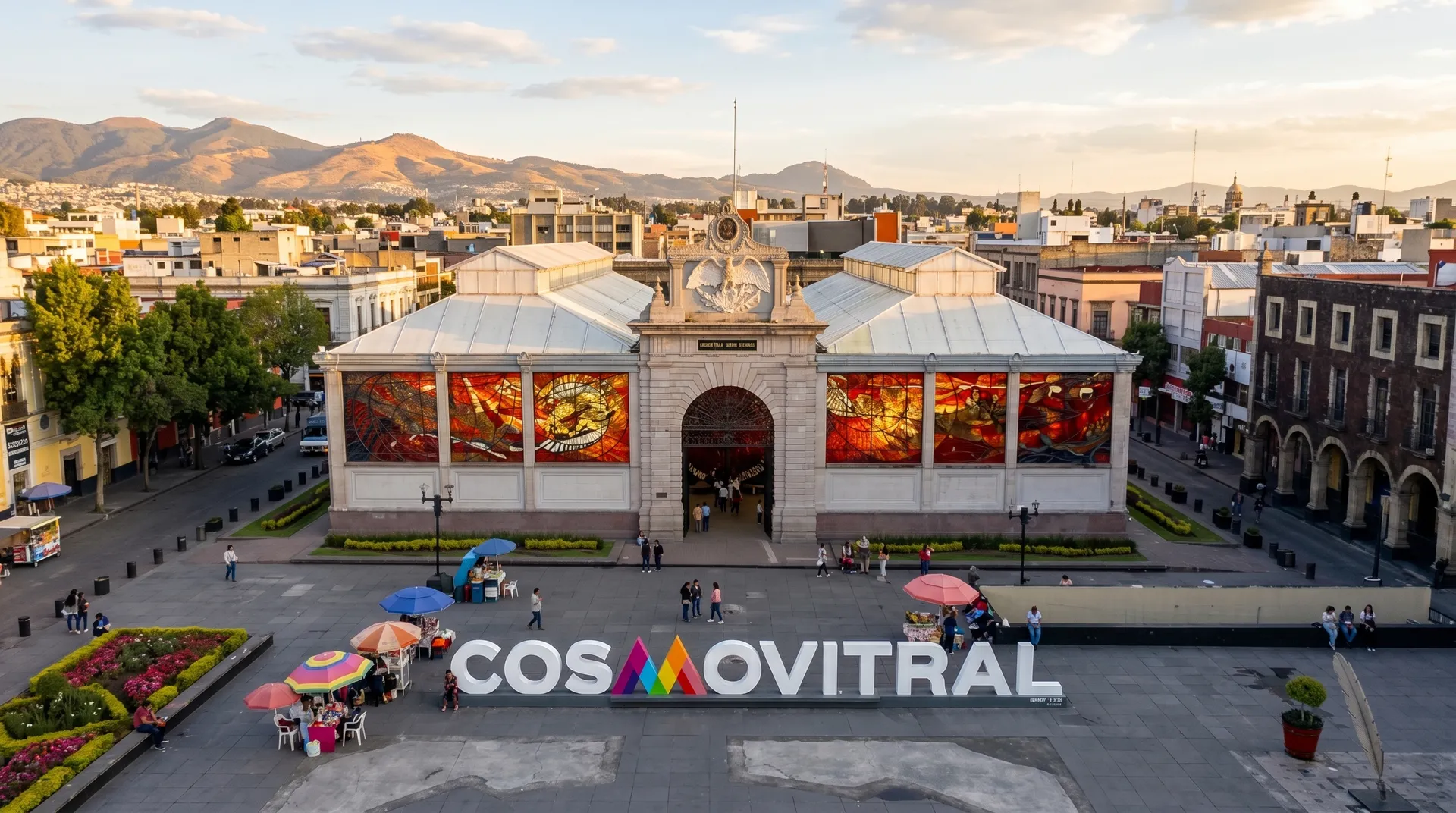 Destination
Toluca
Toluca, the capital of the Estado de México, is a premier industrial and distribution hub strategically positioned just 60 kilometers west of Mexico City. Its logistics significance is unparalleled, serving as a primary gateway for goods entering and circulating within one of the world's largest metropolitan areas and consumer markets. The local economy is dominated by a diverse industrial base, including a major automotive cluster (with plants for brands like General Motors, Volkswagen, and Nissan), extensive food and beverage processing, pharmaceuticals, and a robust textile and apparel industry. Toluca's transportation infrastructure is exceptional, featuring direct access to the Mexico-Querétaro highway (Mexico 15), a critical freight corridor, and connections to the Mexico City ring road. It is also served by a major international airport and is a nexus for rail intermodal services. This comprehensive network makes Toluca an ideal final-mile destination for FTL shipments, capable of efficiently distributing cargo to factories, warehouses, and distribution centers throughout the Valley of Mexico and central Mexico.










