Somoto to Saint Paul
Saint Paul → SomotoFTL freight transportation service between Somoto and Saint Paul. Reliable logistics solutions for your business.
Route Description
Everything you need to know about the corridor Somoto - Saint Paul
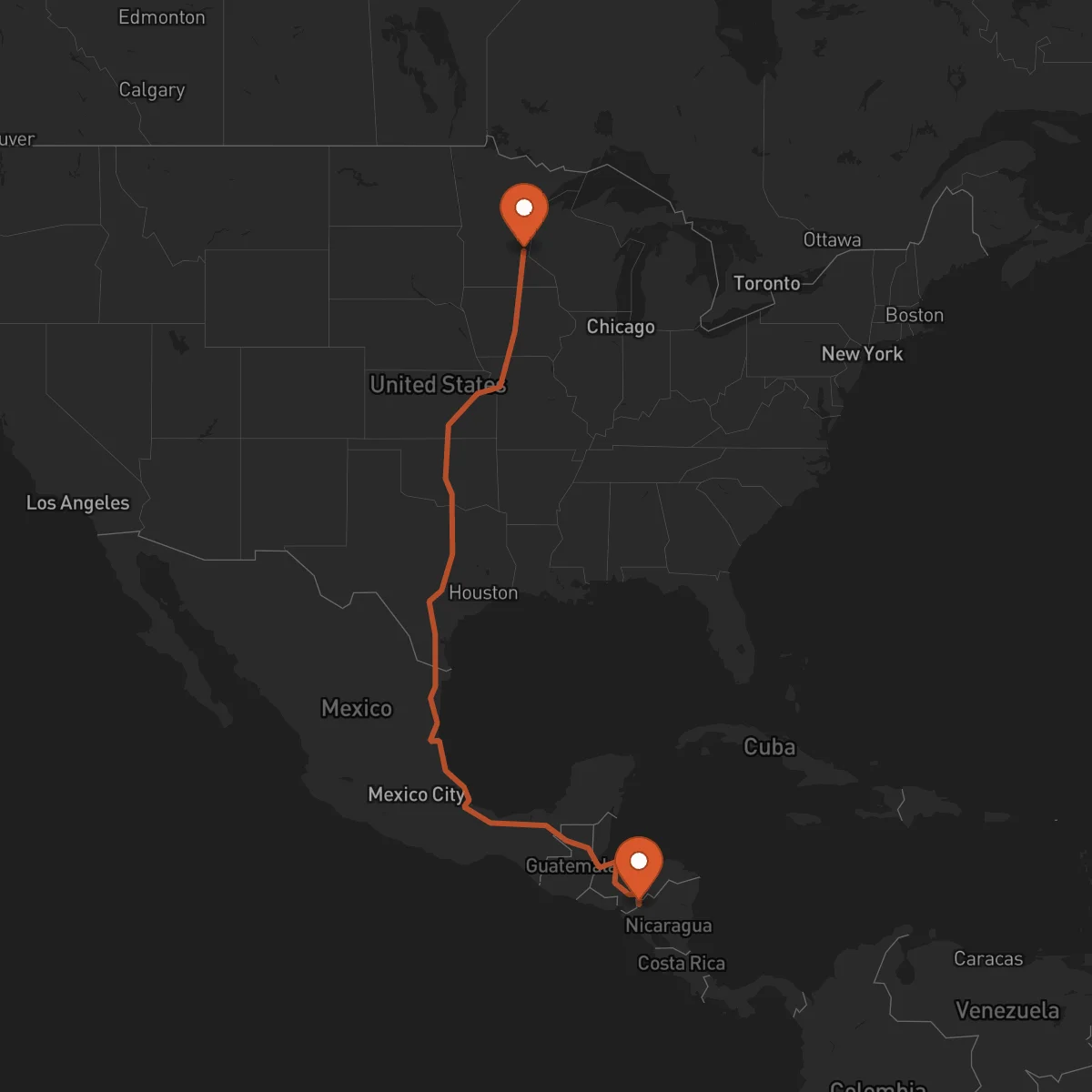
The logistics corridor connecting Somoto, Nicaragua to Saint Paul, Minnesota represents a vital cross-border freight transportation route spanning approximately 3,553 kilometers. This corridor serves as a crucial link between Central American manufacturing and agricultural sectors with the industrial heartland of the United States Midwest. The route traverses diverse terrain and multiple international borders, requiring specialized expertise in cross-border logistics operations.
This corridor is particularly significant for industries including automotive parts manufacturing, agricultural products, electronics, and consumer goods. Companies operating between these regions benefit from the strategic positioning that allows for efficient distribution throughout the North American market. The route facilitates both import and export operations, supporting the growing trade relationship between Nicaragua and the United States.
Key transportation infrastructure along this corridor includes major highways such as CA-1 through Central America, connecting to Mexican Federal Highways, and ultimately linking to US Interstate systems including I-35, which provides direct access to Saint Paul. The corridor typically involves border crossings at Laredo-Nuevo Laredo or El Paso-Ciudad Juárez, depending on specific routing and operational requirements. Control Terrestre's expertise in managing cross-border documentation, customs clearance, and compliance ensures seamless freight movement across all international boundaries.
Services for this Route
Available services for the corridor Somoto - Saint Paul
 Origin
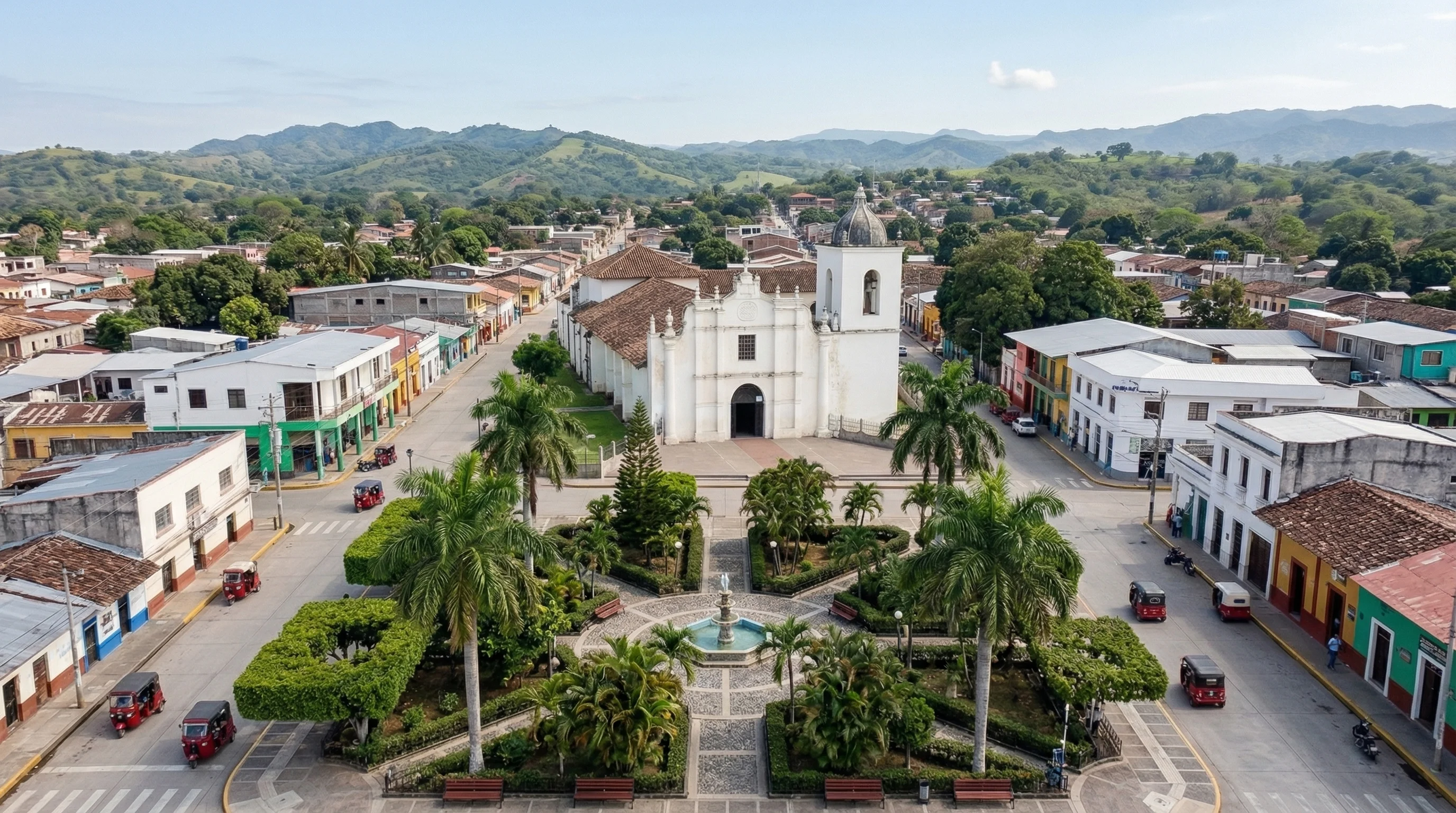
Somoto, located in the Madriz department of northern Nicaragua, serves as a strategic gateway for logistics operations in Central America. The city's proximity to the Honduran border and its location within Nicaragua's agricultural heartland makes it an important origin point for various freight movements. Somoto benefits from its position along key transportation routes connecting northern Nicaragua with regional markets, providing access to agricultural products, textiles, and light manufacturing goods that are essential to cross-border trade.
The region surrounding Somoto is characterized by robust agricultural production, including coffee, tobacco, and various tropical fruits, which constitute significant freight volumes moving through this corridor. The city's infrastructure includes access to regional highways that connect to major transportation networks, facilitating efficient cargo movement. Local industrial parks and manufacturing facilities in the surrounding areas contribute to the freight generation, making Somoto an important logistics hub for companies seeking to transport goods to North American markets.
 Destination
Saint Paul
Saint Paul, Minnesota stands as a major logistics and distribution center in the Upper Midwest United States, strategically positioned at the confluence of the Mississippi and Minnesota rivers. As part of the Minneapolis-Saint Paul metropolitan area, the city serves as a crucial endpoint for freight movements from Central America, providing access to one of the most economically vibrant regions in the United States. The area's extensive transportation infrastructure, including multiple interstate highways, rail connections, and proximity to major air cargo facilities, makes it an ideal destination for cross-border freight operations.
The Saint Paul region is home to diverse industries including food processing, medical technology, financial services, and advanced manufacturing. The city's location provides excellent distribution capabilities for companies serving the Upper Midwest, Great Lakes, and broader US markets. With its well-developed industrial parks, warehousing facilities, and proximity to major consumer markets, Saint Paul offers comprehensive logistics solutions for companies receiving freight from Central American origins. The region's robust economy and strategic location make it a key destination for international freight movements, particularly those originating from growing trade partners in Central America.










