Somoto to Minneapolis
Minneapolis → SomotoFTL freight transportation service between Somoto and Minneapolis. Reliable logistics solutions for your business.
Route Description
Everything you need to know about the corridor Somoto - Minneapolis
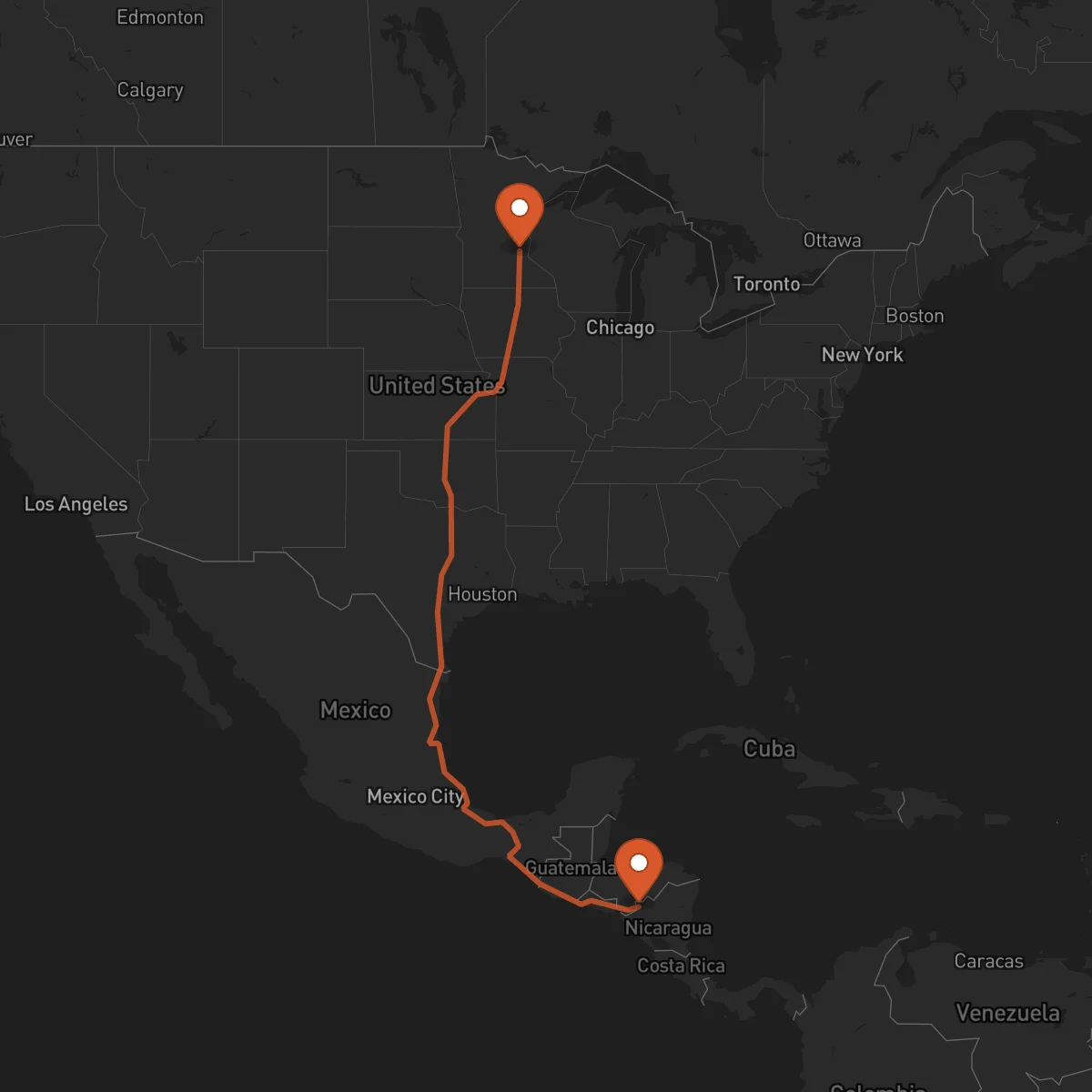
The Somoto-Minneapolis corridor represents a vital logistics connection between Nicaragua and the United States, spanning approximately 3,559 kilometers across multiple countries and diverse terrains. This cross-border route traverses the Central American corridor through Nicaragua, Honduras, Guatemala, and Mexico before reaching Minnesota, connecting two strategic economic regions. The corridor facilitates the movement of goods between Central America's agricultural and manufacturing sectors and the industrial heartland of the American Midwest.
The route primarily utilizes the Pan-American Highway (CA-1) through Central America, transitioning to major Mexican highways including the Mexico City-Pachuca corridor and the Laredo corridor into the United States. Key border crossings include El Amatillo (Honduras-El Salvador), El Florido (Guatemala-Mexico), and Laredo-Nuevo Laredo (Mexico-USA). Control Terrestre manages the complexities of this multi-country journey, including customs documentation, cross-border regulations, and coordination with local authorities to ensure seamless freight movement.
This corridor serves diverse industries including agricultural exports from Nicaragua's fertile regions, automotive parts manufacturing, electronics, and consumer goods. Minneapolis, as a major distribution hub in the Upper Midwest, receives these imports for distribution throughout the region. Control Terrestre's expertise in cross-border operations, C-TPAT-certified carriers, and comprehensive logistics management ensures reliable full truckload (FTL) service along this extensive route, maintaining cargo integrity and timely delivery across international boundaries.
Services for this Route
Available services for the corridor Somoto - Minneapolis
 Origin
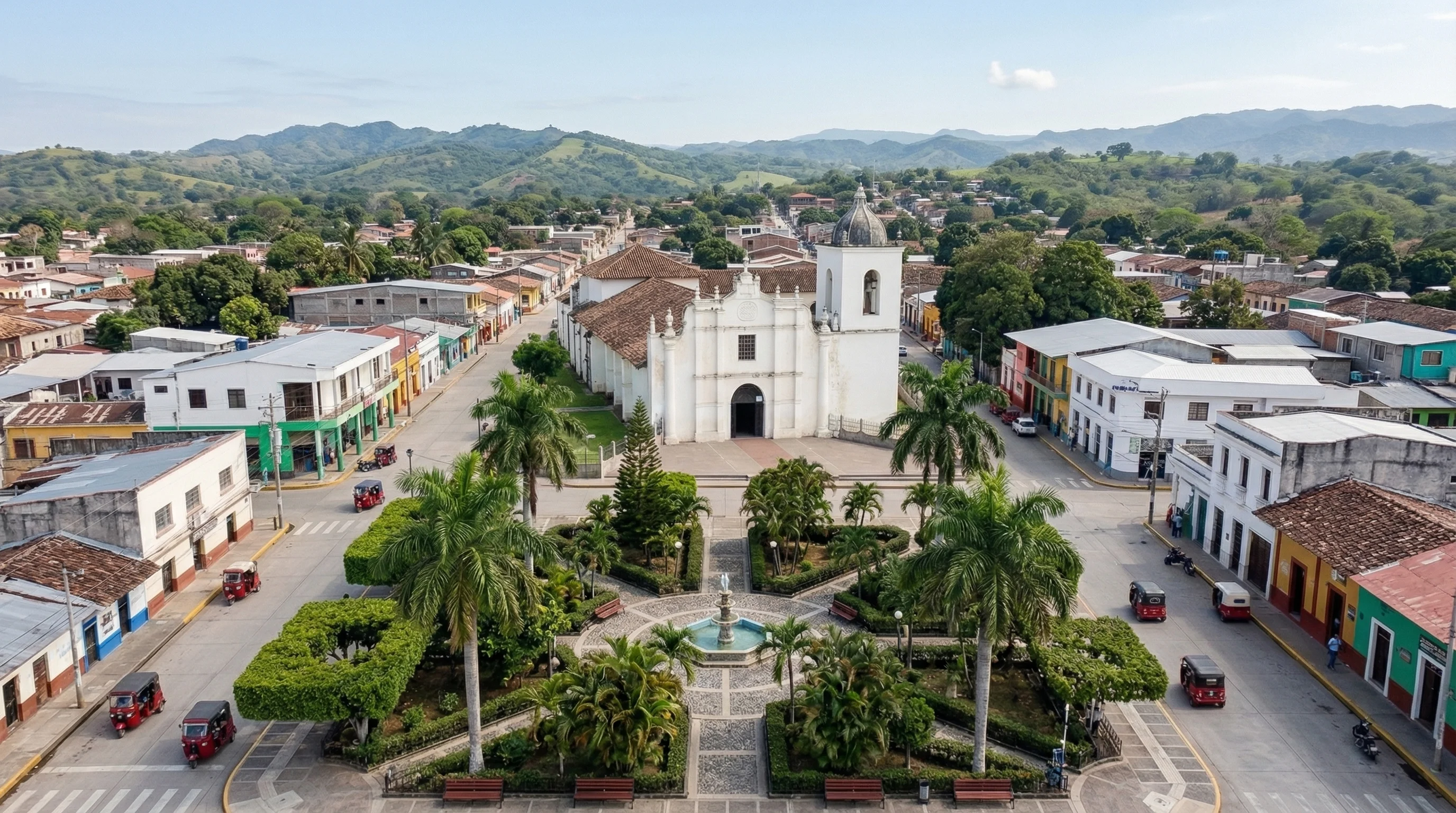
Somoto, located in the Madriz department of northern Nicaragua, serves as a strategic gateway for logistics operations in the region. Situated near the Honduran border, Somoto provides convenient access to cross-border transportation networks and connects to the Pan-American Highway system. The area is characterized by its agricultural production, including tobacco, coffee, and various crops that form the backbone of local exports. The region's developing manufacturing sector, particularly in food processing and textiles, generates significant freight volume requiring reliable transportation solutions to international markets.
 Destination
Minneapolis
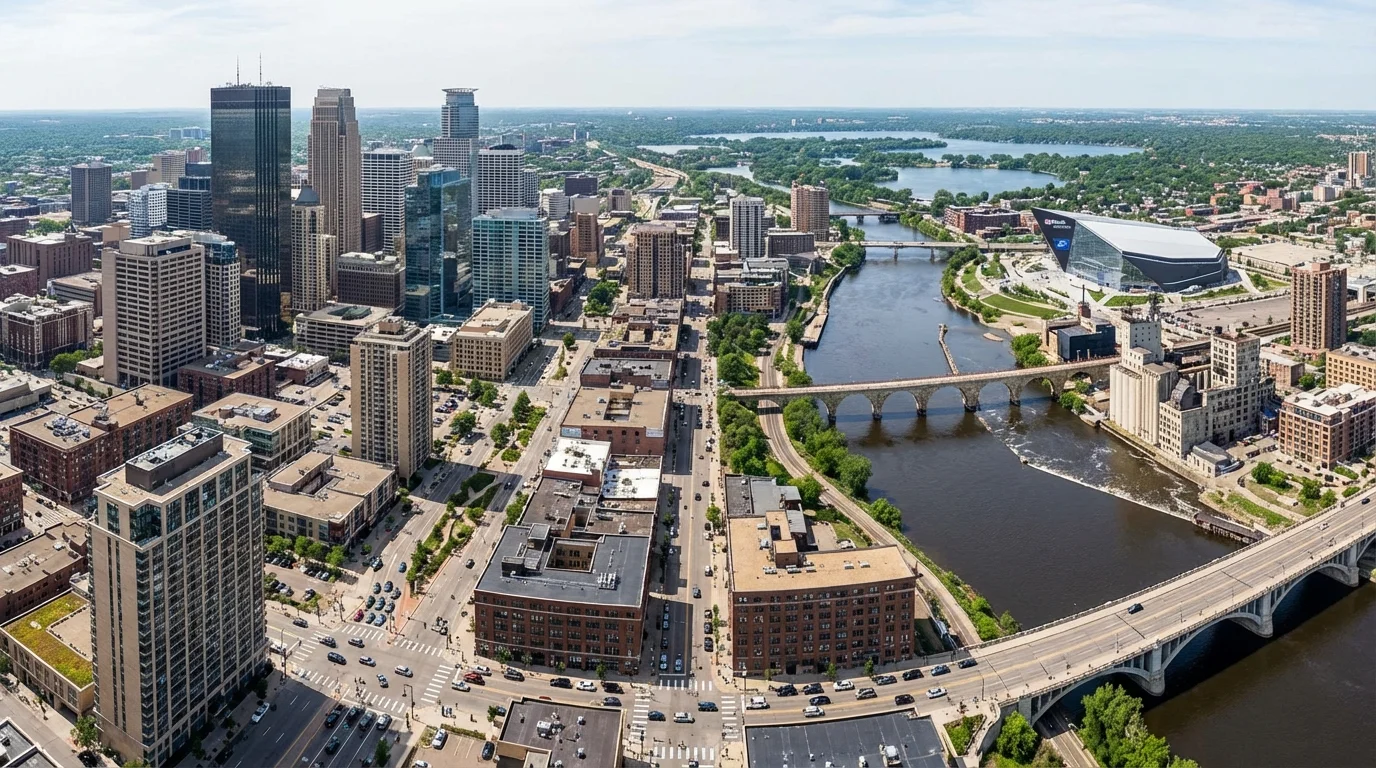
Minneapolis, Minnesota, stands as a major logistics and distribution hub in the American Midwest, strategically positioned to serve the Upper Midwest region. The Minneapolis-Saint Paul metropolitan area boasts extensive transportation infrastructure including multiple interstate highways (I-35, I-94, I-494), the Minneapolis-Saint Paul International Airport, and the Port of Minneapolis on the Mississippi River. The city's diverse economy encompasses food processing, medical technology, retail distribution, and advanced manufacturing sectors. Minneapolis's central location provides excellent connectivity to major U.S. markets, making it an ideal destination for cross-border freight from Central America.










