
Somoto to Los Angeles
Los Angeles → SomotoFTL freight transportation service between Somoto and Los Angeles. Reliable logistics solutions for your business.
Route Description
Everything you need to know about the corridor Somoto - Los Angeles
The logistics corridor connecting Somoto, Nicaragua to Los Angeles, California represents a vital cross-border transportation route spanning approximately 3,923 kilometers. This corridor serves as a crucial link between Central America's emerging markets and one of North America's largest economic hubs. The route traverses diverse terrain through Nicaragua, Honduras, Guatemala, and Mexico before crossing into the United States, making it essential for companies engaged in international trade between these regions.
The economic significance of this corridor cannot be overstated, as it facilitates the movement of goods between Nicaragua's growing export sector and California's massive consumer market and manufacturing base. The route primarily serves industries such as agricultural products, textiles, electronics, automotive parts, and consumer goods. Major transportation infrastructure along this corridor includes the CA-1 Pan-American Highway through Central America, connecting to Mexico's Federal Highway 180 and eventually linking to Interstate 5 in California for final delivery to Los Angeles.
Key border crossings along this route include El Espino (Nicaragua-Honduras), Agua Caliente (Guatemala-Mexico), and either Tijuana or Ciudad Juárez for the Mexico-US border crossing. Each crossing presents unique customs considerations and documentation requirements that require expert navigation. Control Terrestre facilitates seamless operations on this corridor by providing dedicated full truckload (FTL) services with experienced drivers familiar with cross-border procedures, customs documentation, and the specific requirements of each jurisdiction along the route.
Services for this Route
Available services for the corridor Somoto - Los Angeles
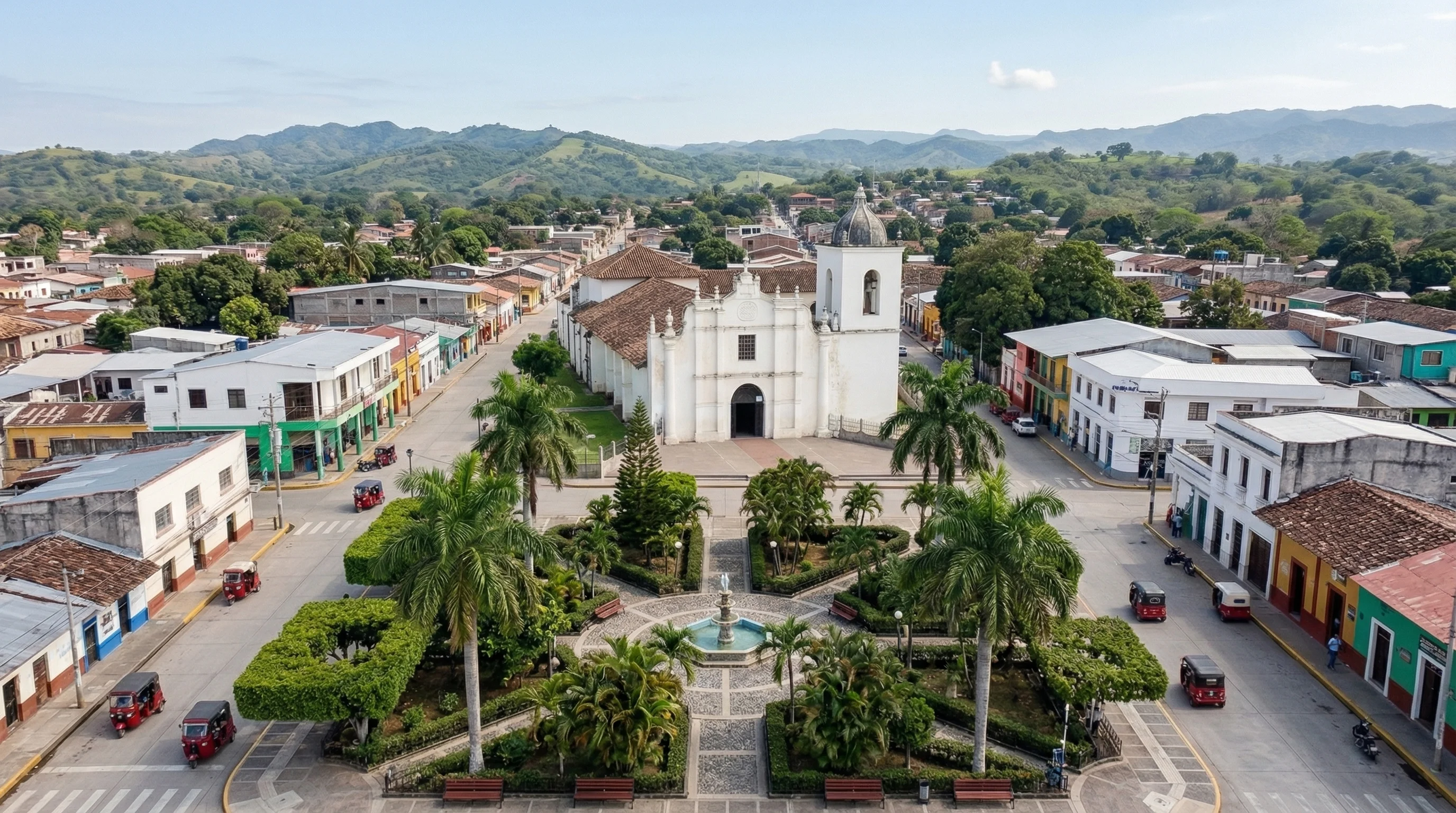 Origin
Somoto, located in the Madriz department of northern Nicaragua, serves as a strategic gateway for logistics operations in Central America. The city's proximity to the Honduran border makes it an ideal origin point for cross-border freight transportation. Somoto's economy is characterized by agricultural production, including tobacco, coffee, and dairy products, which frequently require transportation to international markets. The region also has growing manufacturing capabilities, particularly in textiles and processed foods, creating demand for reliable logistics services.
The transportation infrastructure in and around Somoto includes access to the Pan-American Highway (CA-1), which provides direct connectivity to major Central American trade routes. The city's location near the El Espino border crossing facilitates efficient movement of goods into Honduras and beyond. Local warehousing and distribution facilities support the logistics needs of regional businesses, while the relatively straightforward road network from Somoto to major border crossings makes it an efficient origin point for full truckload shipments destined for the United States.
 Destination
Los Angeles
Los Angeles, California stands as one of North America's most critical logistics hubs, offering unparalleled connectivity and infrastructure for international freight. The Port of Los Angeles, combined with the Port of Long Beach, forms the largest container port complex in the Western Hemisphere, handling millions of TEUs annually. The region's extensive intermodal network includes direct rail connections via BNSF and Union Pacific railroads, as well as immediate access to major interstate highways including I-5, I-10, and I-15, making it an ideal destination for cross-border freight.
The economic landscape of Los Angeles encompasses diverse industries including aerospace, entertainment, technology, fashion, and advanced manufacturing. The region's massive consumer market, combined with its role as a distribution center for goods throughout the western United States, creates substantial demand for efficient freight transportation. Los Angeles International Airport (LAX) provides additional air cargo capacity, while the city's extensive warehousing and distribution infrastructure supports complex supply chain operations. The area's strategic location on the Pacific Coast enables seamless integration with both domestic and international logistics networks.










