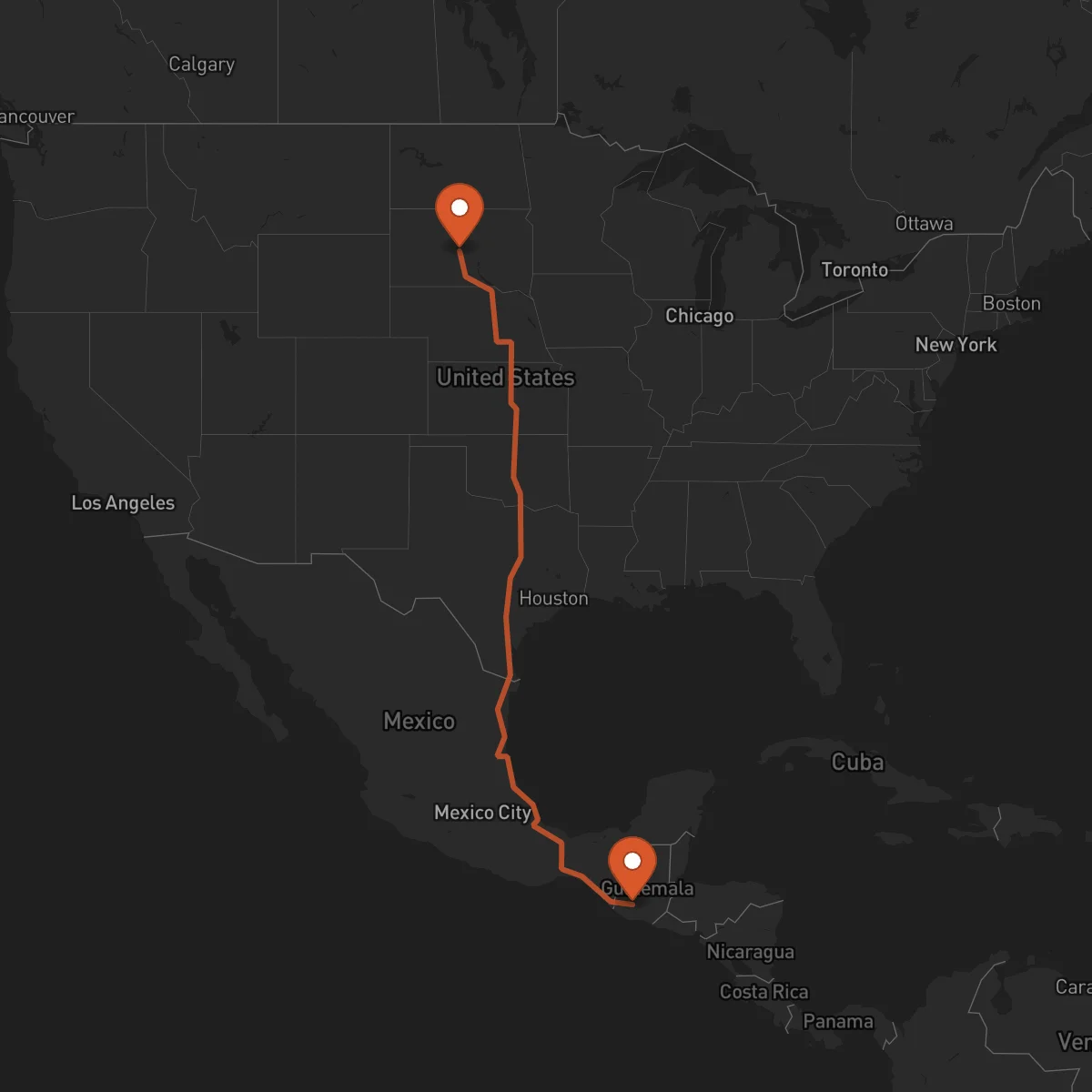
Sololá to Pierre
Pierre → SololáFTL freight transportation service between Sololá and Pierre. Reliable logistics solutions for your business.
Route Description
Everything you need to know about the corridor Sololá - Pierre
The Sololá to Pierre corridor represents a strategic cross-border freight route connecting the highlands of Guatemala with the heart of the American Midwest. This 3,404 km route traverses diverse terrain and crosses multiple international borders, making it essential for companies moving goods between Central America and the United States. The corridor's significance has grown with increasing trade between Guatemala and South Dakota, particularly in agricultural products, manufacturing components, and industrial equipment. Control Terrestre has developed specialized expertise in managing this complex route, ensuring seamless door-to-door service despite the logistical challenges of cross-border transportation.
Services for this Route
Available services for the corridor Sololá - Pierre
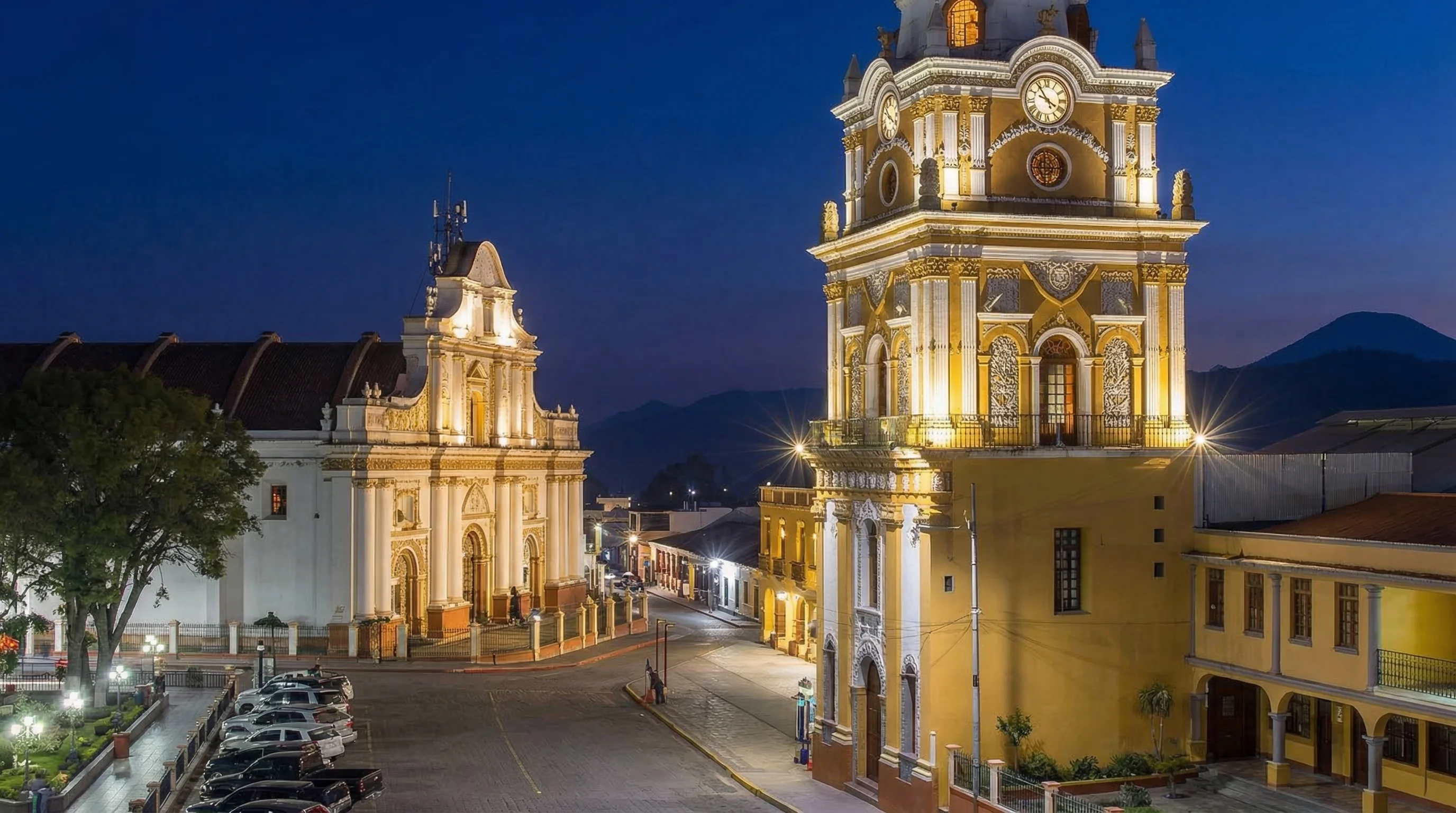 Origin
Sololá, located in the highlands of Guatemala, serves as a strategic logistics hub for the western region of the country. The city's location provides access to agricultural production areas and manufacturing centers, with proximity to Guatemala City's main ports and airports. Sololá benefits from Guatemala's well-developed road network, including the CA-1 Pan-American Highway, which connects to major industrial zones and export facilities. The region's economy is driven by agriculture, textiles, and growing manufacturing sectors, creating consistent demand for reliable freight transportation services to North American markets.
 Destination
Pierre
Pierre, South Dakota, sits strategically along the Missouri River in the American Midwest, serving as a key distribution point for the region's agricultural and manufacturing industries. The city's location provides excellent connectivity to major freight corridors and proximity to important agricultural production areas. Pierre benefits from South Dakota's robust transportation infrastructure, including access to Interstate highways and rail connections. The local economy is anchored by government services, agriculture, and manufacturing, creating steady demand for cross-border freight services and specialized transportation solutions.










