
Sololá to Minneapolis
Minneapolis → SololáFTL freight transportation service between Sololá and Minneapolis. Reliable logistics solutions for your business.
Route Description
Everything you need to know about the corridor Sololá - Minneapolis
The logistics corridor connecting Sololá, Guatemala to Minneapolis, Minnesota represents a vital trade link between Central America and the Upper Midwest United States. This 3,365-kilometer cross-border route traverses diverse terrain and crosses multiple international boundaries, making it a complex yet essential pathway for freight transportation. The corridor serves as a critical connection for businesses seeking to move goods between Guatemala's growing export markets and Minnesota's industrial and agricultural powerhouse. Control Terrestre's expertise in managing this route ensures seamless cross-border operations, navigating customs requirements and maintaining efficient transit times despite the route's inherent complexity.
Services for this Route
Available services for the corridor Sololá - Minneapolis
 Origin
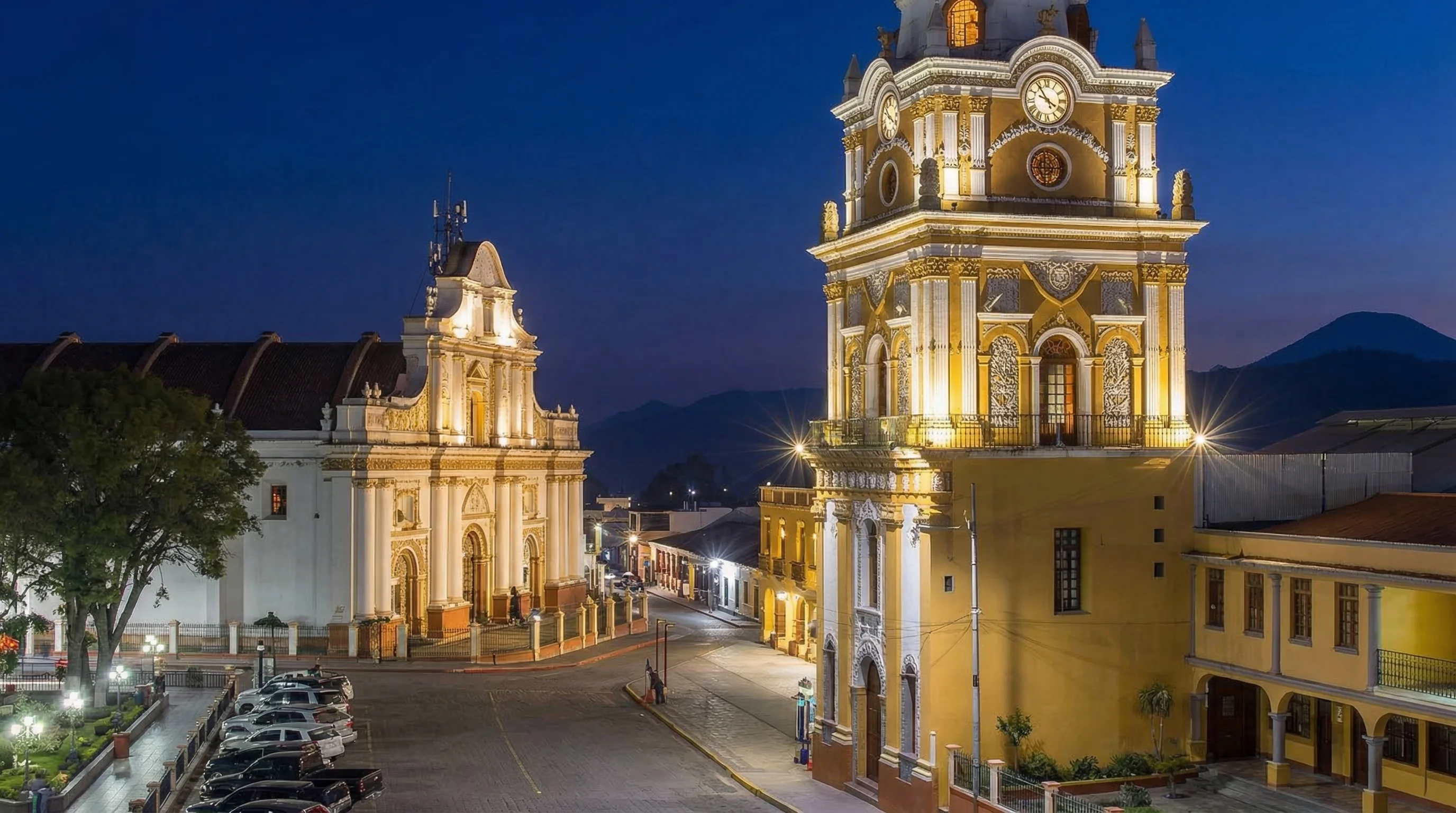
Sololá, located in Guatemala's highlands, serves as a strategic logistics hub with its proximity to major transportation networks. The region benefits from Guatemala's Pacific port infrastructure and well-developed road systems connecting to the Mexican border. Sololá's economy features strong agricultural exports, textile manufacturing, and growing industrial sectors. The area's transportation infrastructure includes access to Guatemala's CA-1 Pan-American Highway and connections to Puerto Quetzal, Guatemala's largest Pacific port. These assets make Sololá an ideal origin point for cross-border freight movements to the United States.
 Destination
Minneapolis
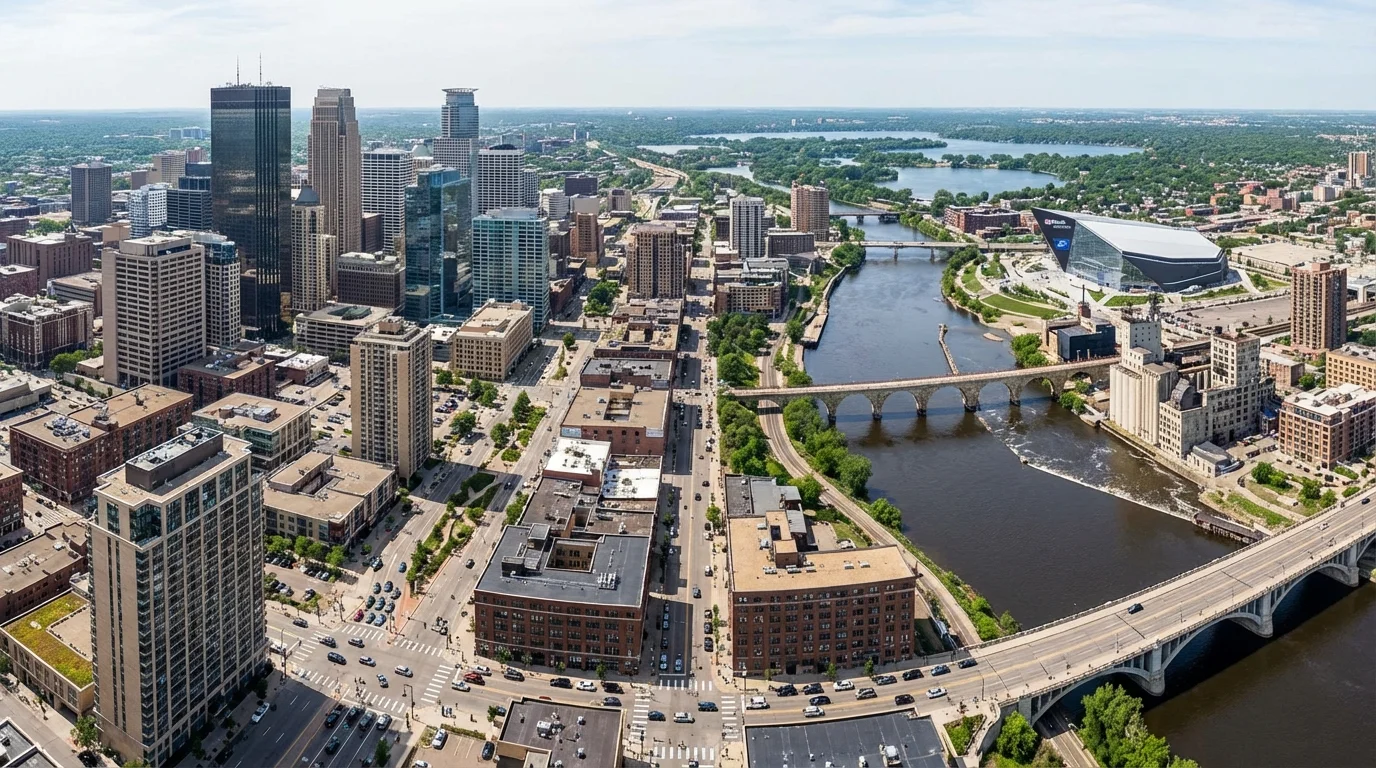
Minneapolis, Minnesota stands as a major logistics and distribution center in the Upper Midwest, strategically positioned at the crossroads of North America's transportation network. The Minneapolis-Saint Paul metropolitan area boasts extensive warehousing, distribution facilities, and advanced logistics infrastructure. The region's economy is driven by food processing, medical technology, retail distribution, and manufacturing sectors. Minneapolis benefits from excellent transportation connections including interstate highways (I-35, I-94), rail networks, and proximity to major ports on the Great Lakes and Mississippi River, making it an ideal destination for cross-border freight operations.










