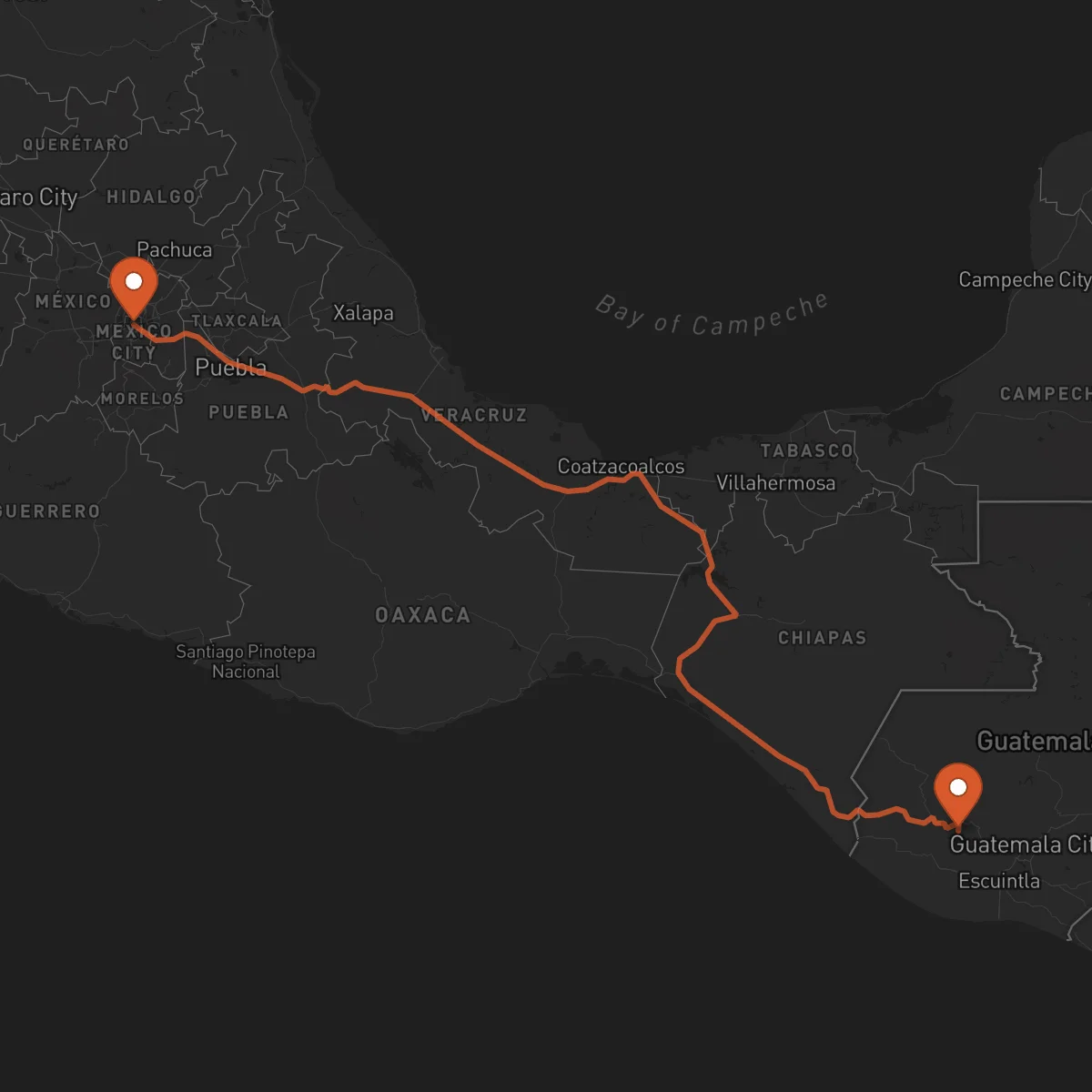
Sololá to Mexico City
Mexico City → SololáFTL freight transportation service between Sololá and Mexico City. Reliable logistics solutions for your business.
Route Description
Everything you need to know about the corridor Sololá - Mexico City
The Sololá to Ciudad de México corridor is a vital cross-border artery connecting the highlands of Guatemala with the economic heart of Mexico. This route facilitates the movement of goods across Central and North America, serving as a critical link for regional trade and supply chain integration. Strategically, it enables businesses in southern Central America to access one of the largest consumer markets in the hemisphere, while allowing Mexican manufacturers and distributors to source products from the south. The corridor supports a dynamic flow of commodities, underpinned by the North American trade framework.
Economically, the region is characterized by a blend of agricultural production, textile manufacturing, and light industry. From Sololá, key exports include textiles, coffee, agricultural products, and artisanal goods. Upon reaching Ciudad de México, these goods feed into the city's massive retail, manufacturing, and distribution sectors, which demand a constant inflow of raw materials and finished products. The corridor's efficiency directly impacts the competitiveness of these industries, making reliable transportation essential.
The primary users of this route are companies in the textile and apparel sector, agricultural exporters, and manufacturers of consumer goods. These industries rely on consistent, secure, and timely full truckload (FTL) services to move their products. The transportation infrastructure is defined by the CA-1 highway from Sololá to the Guatemalan-Mexican border at Tecún Umán/Ciudad Hidalgo. After crossing, the route continues via Mexican Federal Highway 190 or the toll road 190D, traversing the Isthmus of Tehuantepec region before approaching the Mexico City metropolitan area. Navigating this corridor requires expertise in border protocols.
The main border crossing at Tecún Umán/Ciudad Hidalgo is a bustling point of commerce. Efficient customs clearance is paramount, requiring documentation that complies with both Guatemalan and Mexican regulations, as well as initiatives like C-TPAT (Customs-Trade Partnership Against Terrorism) and FAST (Free and Secure Trade) for pre-approved, expedited processing. Control Terrestre facilitates seamless operations on this corridor through our robust alliance network of certified carriers. Our providers hold key certifications including C-TPAT, FAST, and BASC, ensuring secure and streamlined cross-border procedures. We exclusively manage FTL shipments—dedicated, expedited, or specialized—providing direct, secure door-to-door service from Sololá to Ciudad de México without consolidation. Our focus is on providing a human-centric, reliable partnership to optimize your supply chain across this critical international route.
Services for this Route
Available services for the corridor Sololá - Mexico City
 Origin
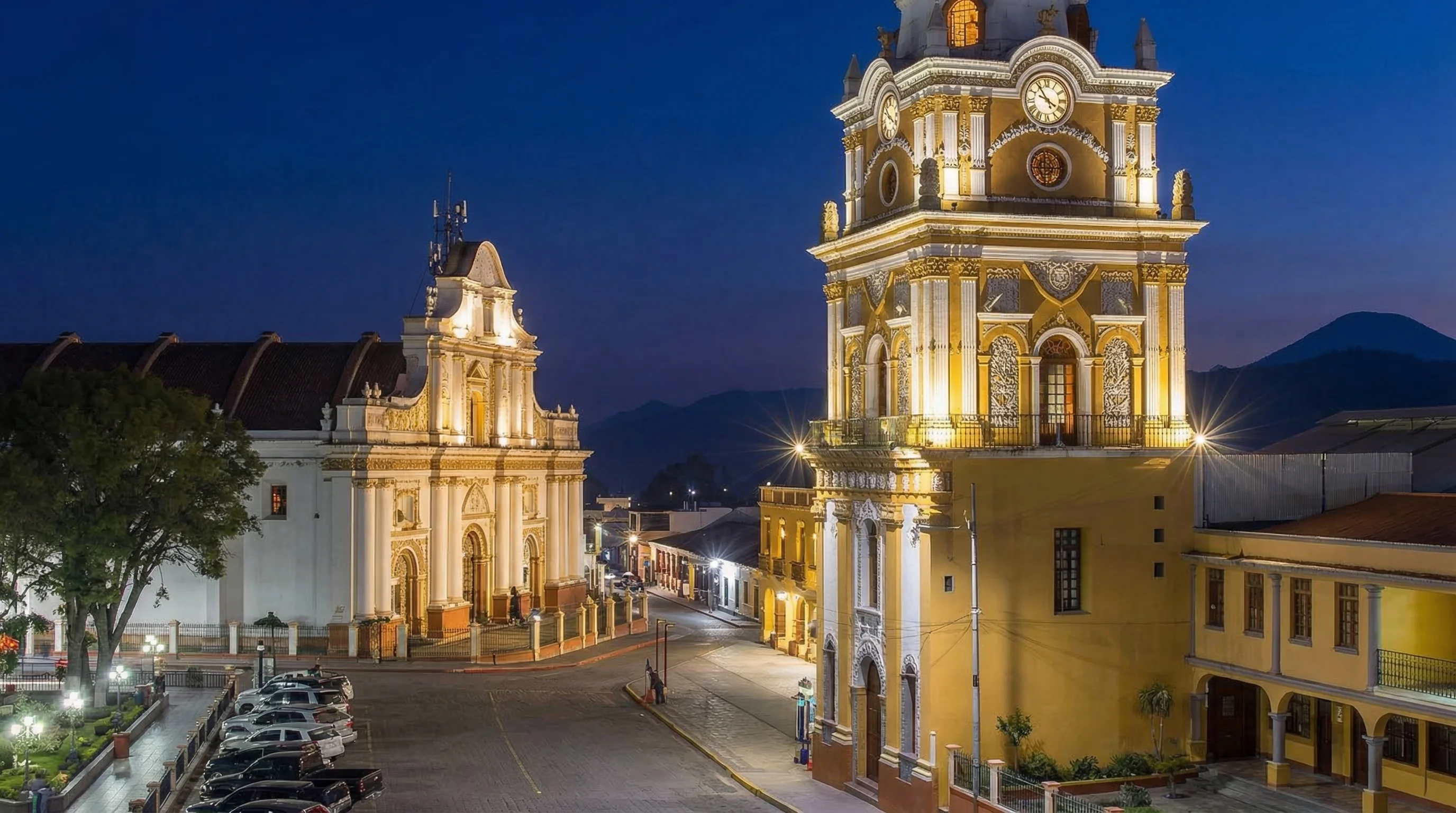
Sololá, located in the Guatemalan highlands on the shores of Lake Atitlán, is a strategic logistics origin due to its established production sectors and highway connectivity. The region is an economic hub for textiles and apparel, with numerous maquilas and artisan workshops. It is also a major source for high-quality coffee and diverse agricultural products like vegetables and fruits. The Pan-American Highway (CA-1) runs directly through the department, providing a paved, primary artery northward to the border with Mexico at Tecún Umán. This infrastructure makes Sololá a natural launch point for exports destined for Mexico and beyond. The local economy's dependence on exporting these goods creates consistent demand for efficient, long-haul freight transportation to connect with international markets.
 Destination
Mexico City
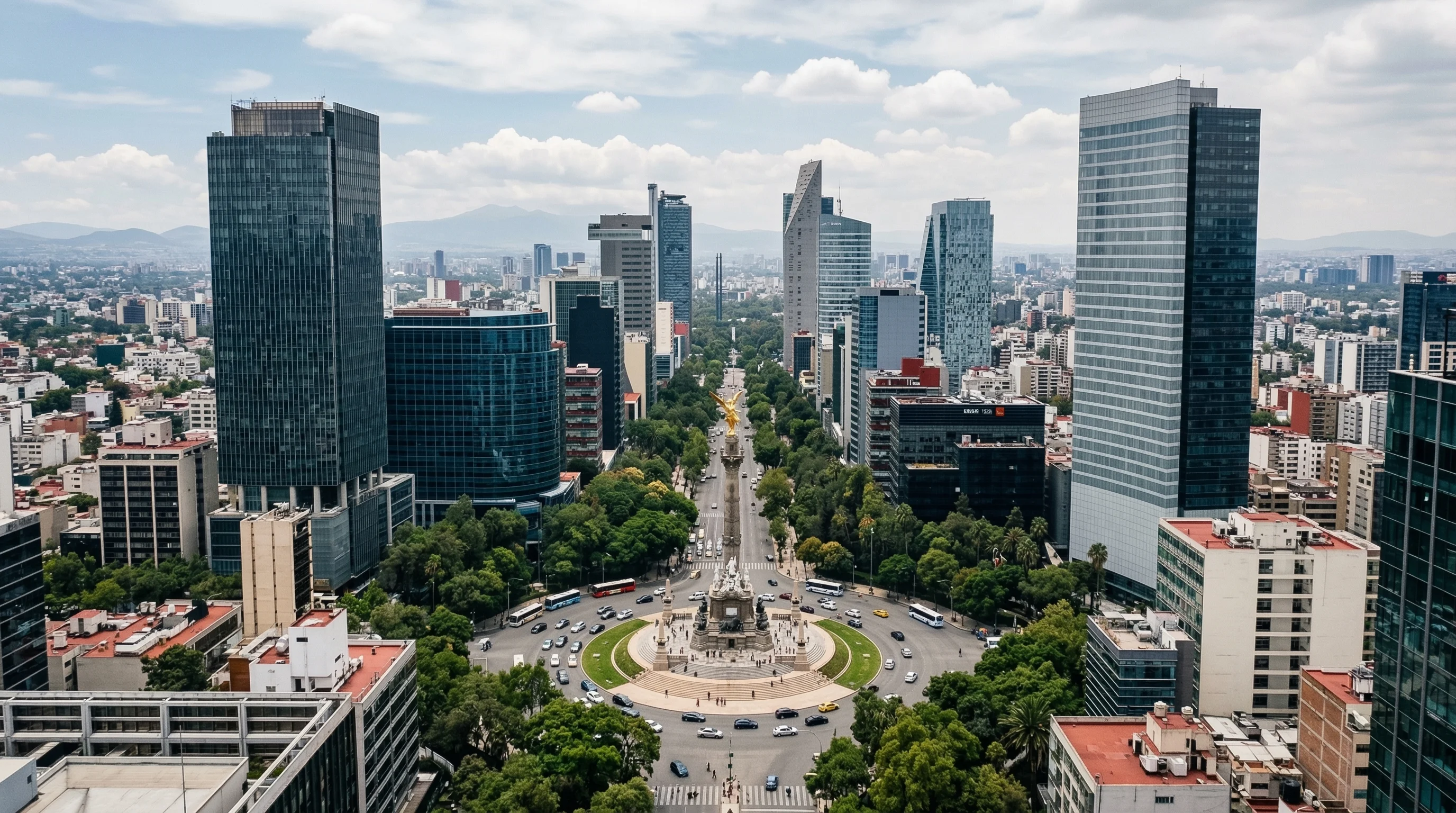
Ciudad de México is the ultimate destination, serving as Mexico's political, financial, and industrial epicenter with a metropolitan population exceeding 20 million. Its economy is incredibly diverse, dominated by manufacturing (automotive, aerospace, electronics, pharmaceuticals), massive retail distribution, food processing, and a vast service sector. The city is a critical consumption market and a major redistribution hub for the entire country. Its logistics infrastructure is extensive, featuring a network of major ring roads and highways like the México-Puebla-Verac corridor (Federal Highway 150D) that connect it to other key economic zones. The presence of multiple intermodal facilities, rail terminals, and proximity to major ports (Veracruz, Manzanillo) through these highways makes it a central node in national and international supply chains, requiring a constant inflow of goods from origins like Sololá.










