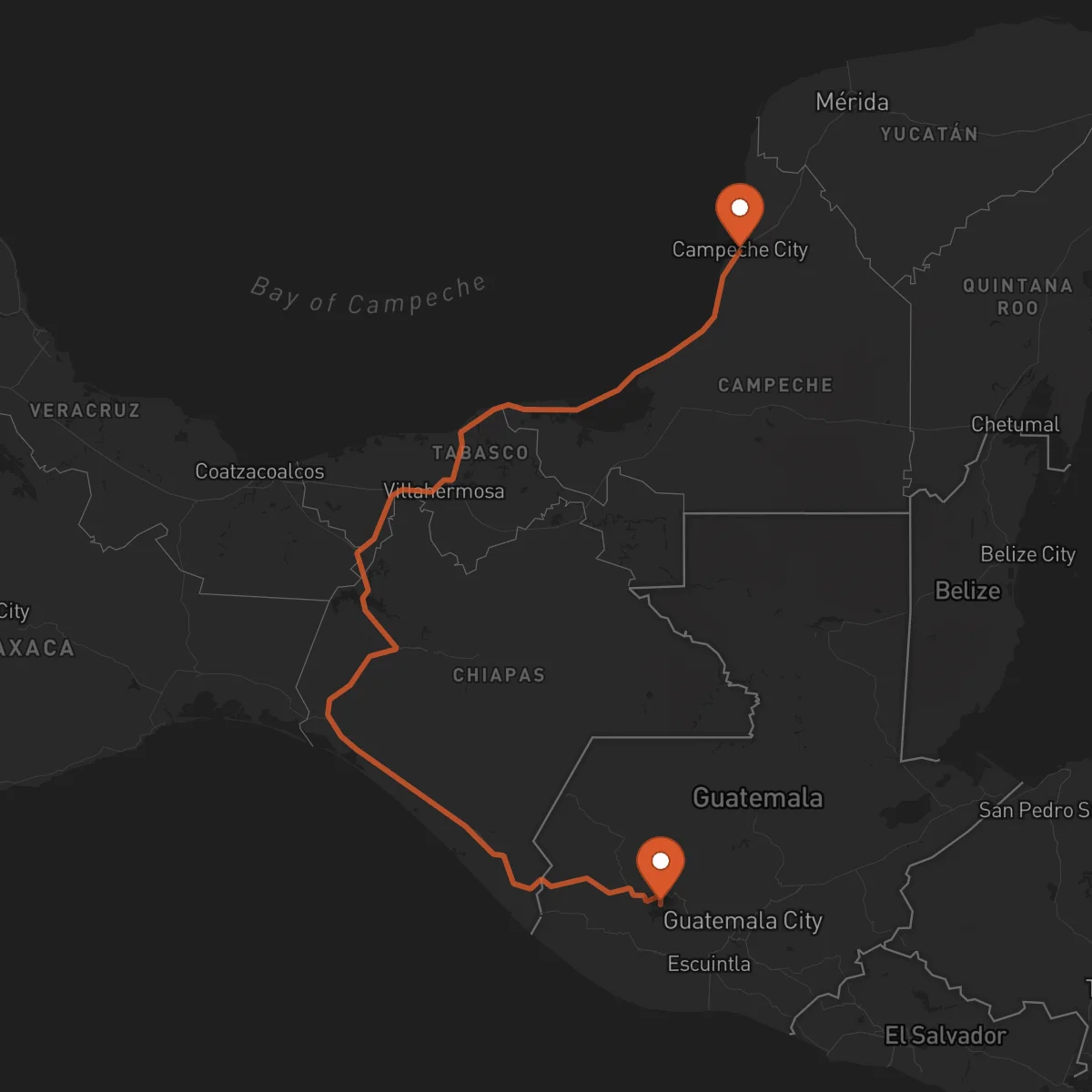
Sololá to Campeche
Campeche → SololáFTL freight transportation service between Sololá and Campeche. Reliable logistics solutions for your business.
Route Description
Everything you need to know about the corridor Sololá - Campeche
The logistics corridor connecting Sololá, Guatemala to Campeche, Mexico represents a vital cross-border transportation route that facilitates trade and commerce between Central America and Mexico. This 567-kilometer corridor traverses diverse terrain and connects two important economic regions, enabling the efficient movement of goods across international borders. The route plays a crucial role in supporting regional supply chains and fostering economic integration between Guatemala and Mexico.
The corridor primarily serves industries involved in agricultural products, textiles, manufacturing components, and consumer goods. Companies operating in Sololá's textile and handicraft sectors frequently utilize this route to export their products to Mexican markets, while Campeche's petrochemical and agricultural industries rely on it for importing raw materials and equipment. The transportation infrastructure includes major highways such as CA-9 in Guatemala and Mexican Federal Highway 180, which provide reliable connectivity between the two destinations.
Key border crossings along this corridor include Ciudad Pedro de Alvarado and Ciudad Hidalgo, where customs procedures and documentation requirements must be carefully managed. Control Terrestre's expertise in cross-border logistics ensures seamless operations through these checkpoints, handling all necessary customs clearance and compliance requirements. Our strategic partnerships with certified carriers and our understanding of both Guatemalan and Mexican transportation regulations allow us to provide reliable full truckload (FTL) services that minimize delays and optimize transit times for our clients.
Services for this Route
Available services for the corridor Sololá - Campeche
 Origin
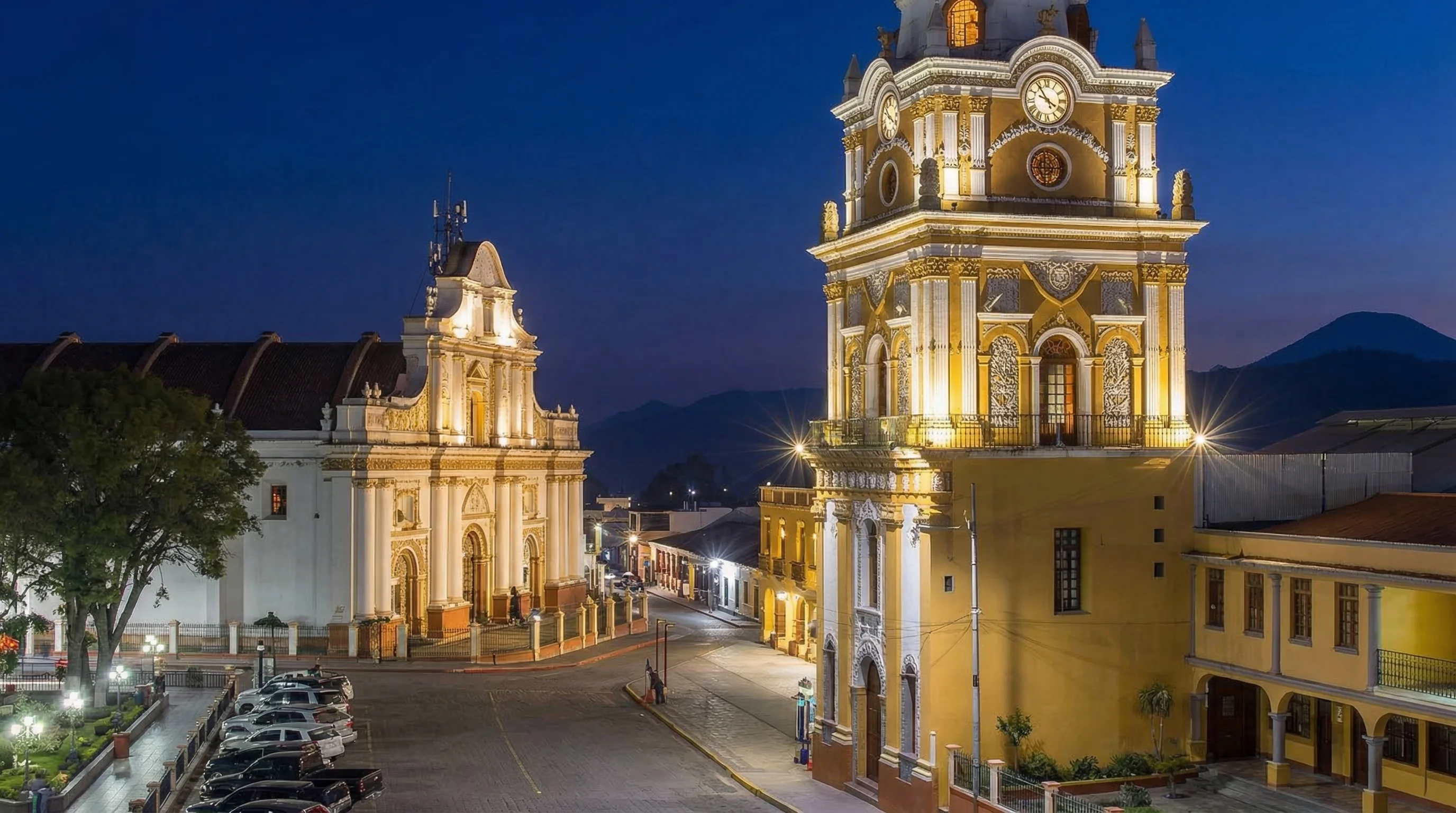
Sololá, located in the highlands of Guatemala, serves as a strategic logistics hub for the western region of the country. The city's proximity to major transportation routes and its position relative to Guatemala City make it an important origin point for freight movement. Sololá's economy is characterized by a strong textile industry, traditional handicrafts, and agricultural production, particularly in coffee and vegetables. The region's manufacturing sector has also been growing, creating increased demand for reliable transportation services to both domestic and international markets.
The transportation infrastructure in Sololá includes access to CA-9 highway, which connects to the broader Guatemalan road network and provides direct routes to border crossings. The city benefits from its location near major logistics centers and has established relationships with customs brokers and freight forwarders who facilitate cross-border operations. Local warehousing and distribution facilities support the preparation of goods for long-haul transportation, making Sololá an efficient origin point for full truckload shipments destined for Mexico and beyond.
 Destination
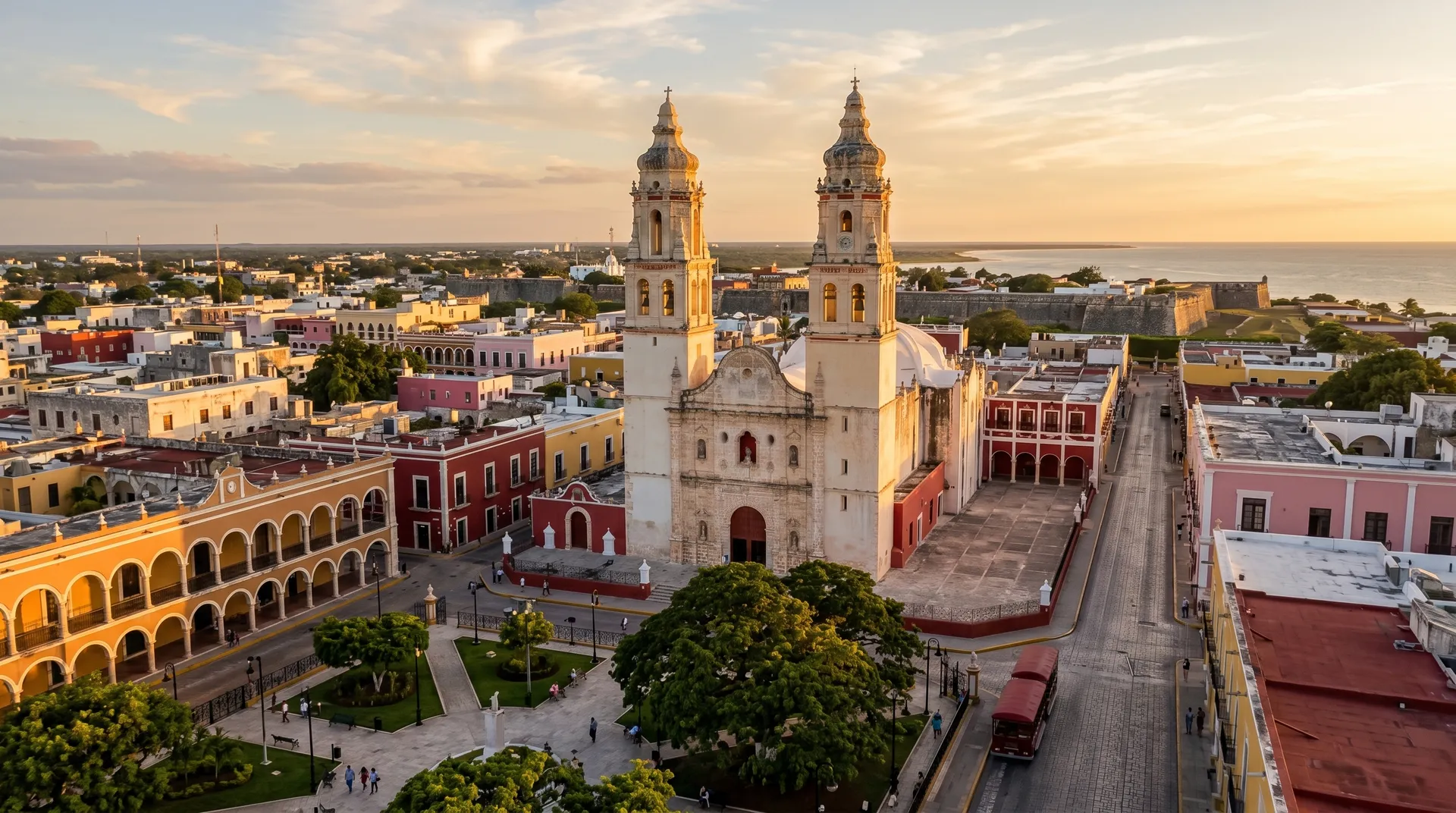
Campeche, situated on the western coast of Mexico's Yucatán Peninsula, is a strategically important destination for logistics operations in southeastern Mexico. The city's location provides access to both Atlantic and Pacific trade routes through its proximity to major ports and transportation corridors. Campeche's economy is heavily influenced by its oil and gas industry, which is centered in the nearby offshore fields of the Gulf of Mexico. This industrial base creates significant demand for specialized transportation services, including the movement of heavy equipment, hazardous materials, and industrial supplies.
The transportation infrastructure in Campeche includes Mexican Federal Highway 180, which connects the city to the broader Mexican road network and provides direct access to other major industrial centers. The region also benefits from its proximity to the port of Campeche, facilitating intermodal transportation options. Local logistics providers and customs facilities support efficient freight handling, while the city's industrial parks and manufacturing zones create ongoing demand for full truckload transportation services from Central American origins.










