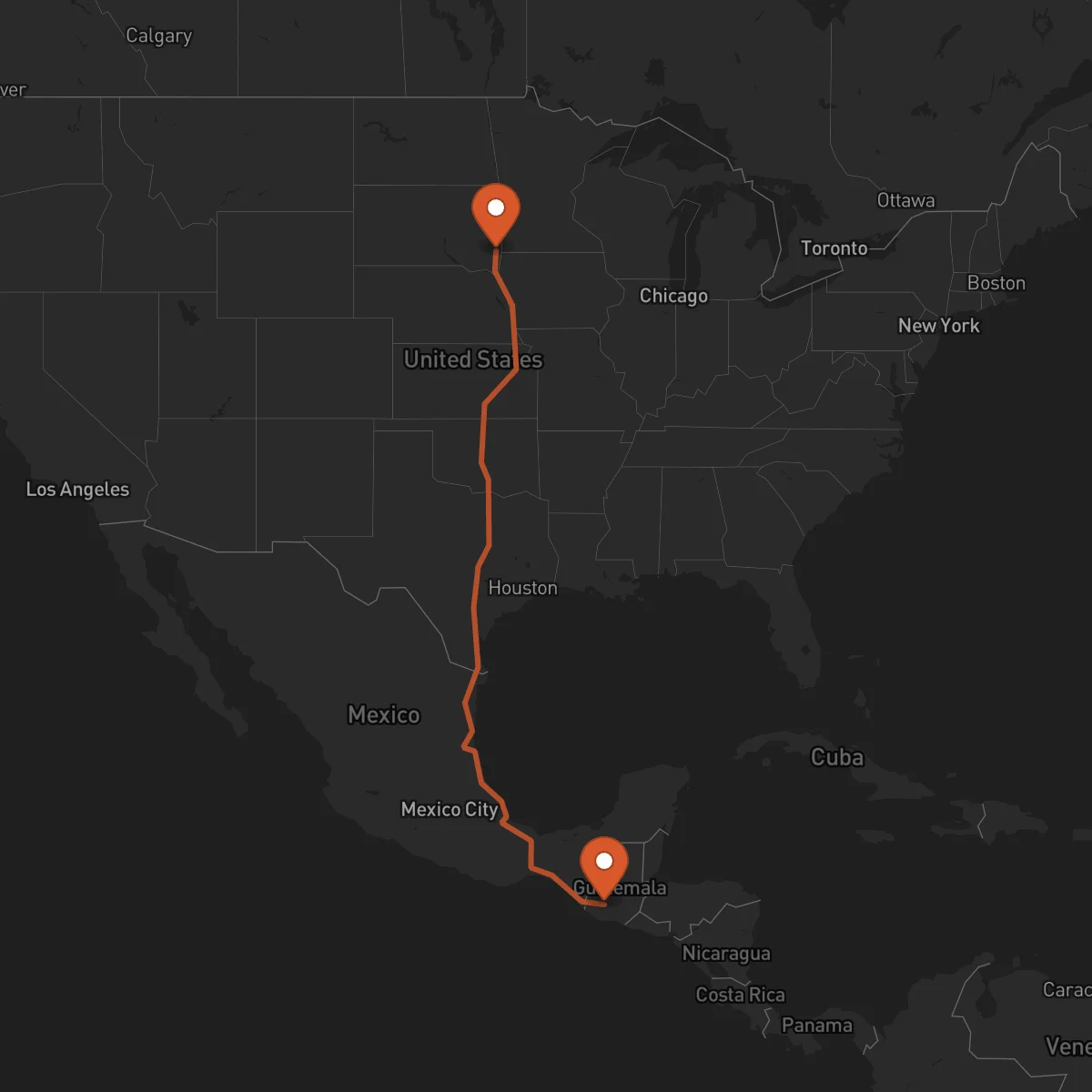
Sioux Falls to Sololá
Sololá → Sioux FallsFTL freight transportation service between Sioux Falls and Sololá. Reliable logistics solutions for your business.
Route Description
Everything you need to know about the corridor Sioux Falls - Sololá
The Sioux Falls to Sololá corridor represents a vital cross-border logistics connection spanning over 3,200 kilometers through the heart of North America. This route links the industrial Midwest of the United States with the growing commercial center of Guatemala's highlands. Control Terrestre specializes in facilitating full truckload (FTL) freight movements along this corridor, ensuring seamless transportation from origin to destination. The journey crosses multiple states and international borders, requiring expert coordination and compliance with customs regulations at each point. Our experienced team manages every aspect of the cross-border process, from documentation to final delivery in Sololá.
Services for this Route
Available services for the corridor Sioux Falls - Sololá
 Origin
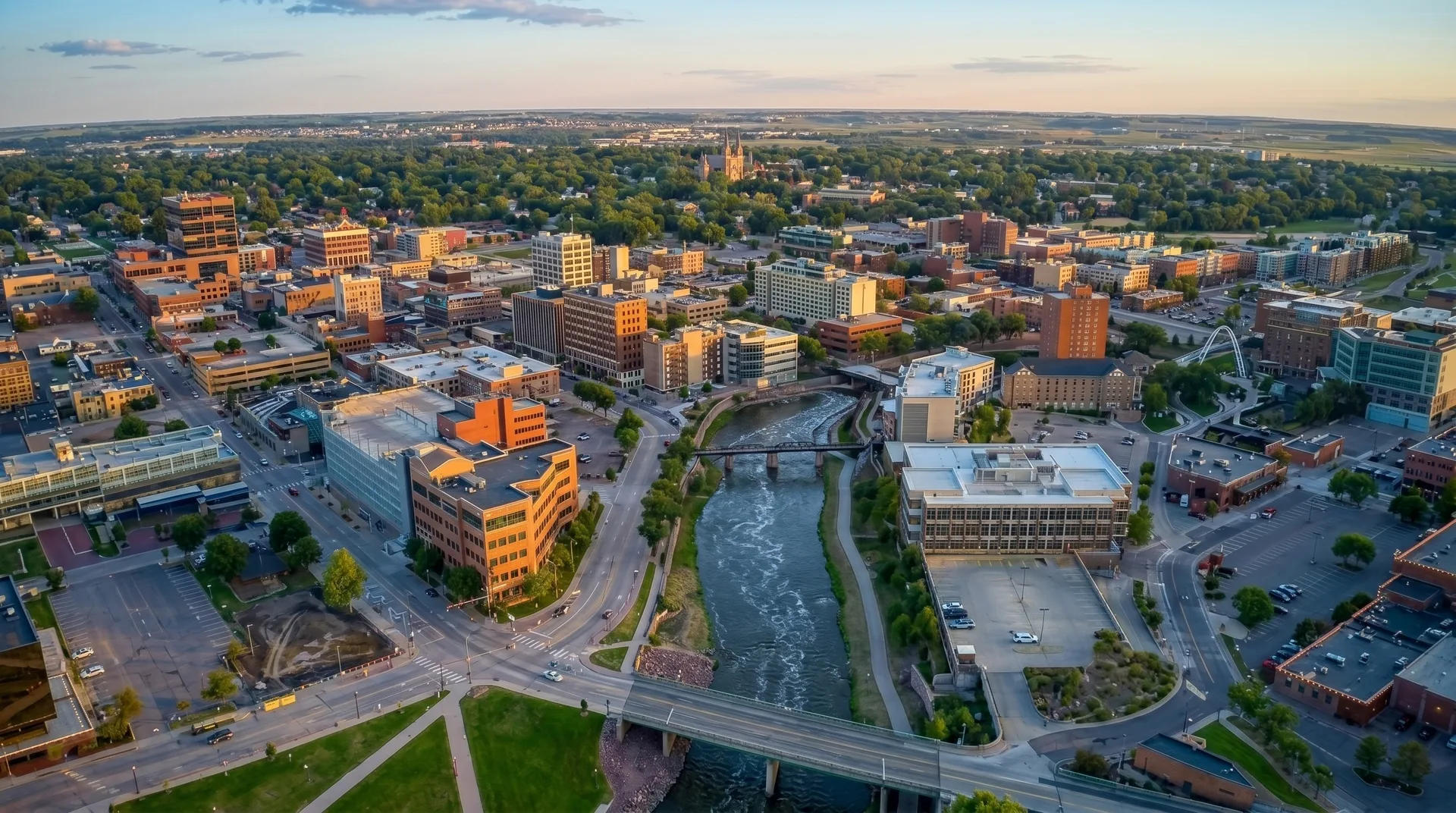
Sioux Falls
Sioux Falls, located in eastern South Dakota, serves as a strategic logistics hub for the Upper Midwest region. The city's central location provides excellent access to major transportation networks, including Interstate 90 and Interstate 29. Sioux Falls is home to diverse industries including financial services, healthcare, retail, and manufacturing. The city's well-developed infrastructure includes multiple warehousing facilities, distribution centers, and a robust trucking network. Its proximity to major Midwestern markets makes it an ideal origin point for freight distribution throughout the United States and beyond.
 Destination
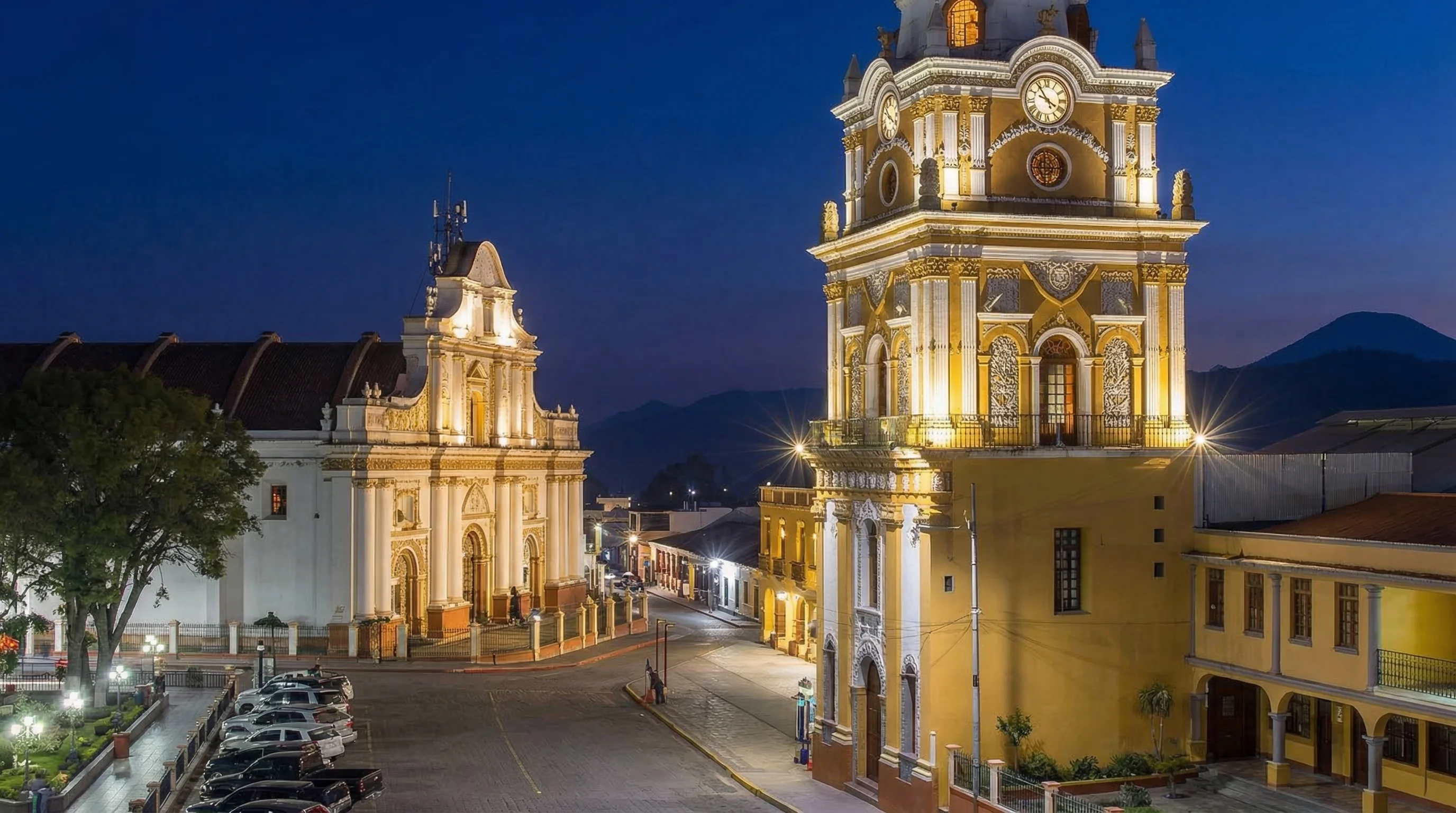
Sololá, situated in the highlands of Guatemala, is a key commercial center in the country's interior. The city's location near Lake Atitlán and its position along major transportation routes make it an important distribution point for goods throughout Guatemala and neighboring countries. Sololá's economy includes agriculture, textiles, and light manufacturing, with growing demand for imported goods and materials. The region's developing infrastructure continues to improve connectivity with the rest of Central America, making it increasingly accessible for cross-border freight operations.










