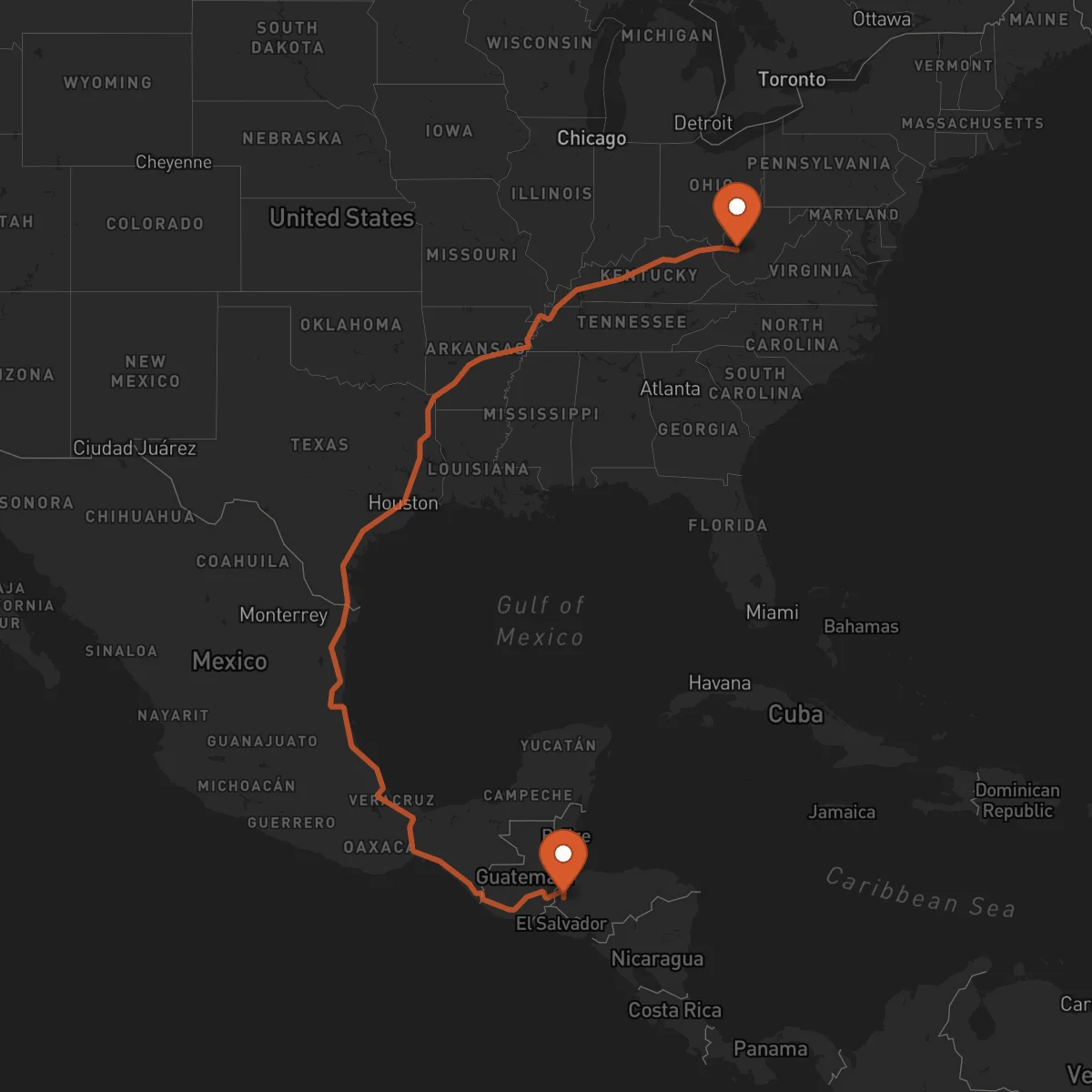
Santa Rosa de Copán to Charleston
Charleston → Santa Rosa de CopánFTL freight transportation service between Santa Rosa de Copán and Charleston. Reliable logistics solutions for your business.
Route Description
Everything you need to know about the corridor Santa Rosa de Copán - Charleston
The freight corridor connecting Santa Rosa de Copán, Honduras, to Charleston, West Virginia, represents a vital north-south logistics artery bridging Central America with the industrial heartland of the United States. This cross-border route is strategically significant for supply chains requiring efficient movement of goods from the manufacturing and agricultural zones of western Honduras to key distribution and production hubs in the Appalachian region and beyond. The economic context is defined by Honduras's robust export-oriented manufacturing sector, particularly in textiles and apparel, alongside agricultural commodities like coffee, tropical fruits, and wood products. These goods are destined for the U.S. market, where Charleston serves as a critical logistics node for industries including chemicals, polymers, advanced manufacturing, and energy. The primary industries leveraging this corridor are those with full truckload (FTL) requirements for raw materials inbound to Honduras and finished goods outbound to the U.S., where consolidated (LTL) shipping is not a viable option for their volume and timing needs.
The transportation infrastructure relies on a sequence of major highways. The journey begins on Honduras's CA-5 highway, a crucial north-south route connecting the western region to the Caribbean port of Puerto Cortés. After crossing the border at El Ceibo or Agua Caliente, the route traverses Guatemala and Mexico, primarily utilizing Mexican Federal Highway 190 and connecting to the comprehensive U.S. Interstate system. The final leg enters the United States, typically following I-20 through Texas and Louisiana before connecting to I-22 and I-64 to reach Charleston. Key border crossings, such as the modern El Ceibo facility between Honduras and Guatemala, are focal points for customs clearance. Navigating the complex customs and regulatory requirements of three countries—Honduras, Guatemala/Mexico, and the United States—demands expertise in documentation, compliance with programs like C-TPAT and FAST, and an understanding of each nation's specific import/export protocols.
Control Terrestre facilitates seamless operations on this corridor by leveraging its alliance of certified transportation providers. Our expertise lies in managing the full complexity of this multi-national FTL journey. We coordinate dedicated and expedited full truckload services, ensuring a single trailer moves from origin to destination without consolidation. Our providers hold essential certifications—including C-TPAT, FAST, and BASC—which streamline border processes and enhance security. We handle the logistical nuances of specialized cargo, such as refrigerated goods for perishable exports or tankers for bulk liquids, and manage the critical door-to-door coordination. By acting as your single point of contact, we absorb the operational burden of cross-border customs brokerage, carrier selection across all three countries, and real-time communication, providing you with a transparent and reliable solution for your FTL freight needs on this strategic corridor.
Services for this Route
Available services for the corridor Santa Rosa de Copán - Charleston
 Origin
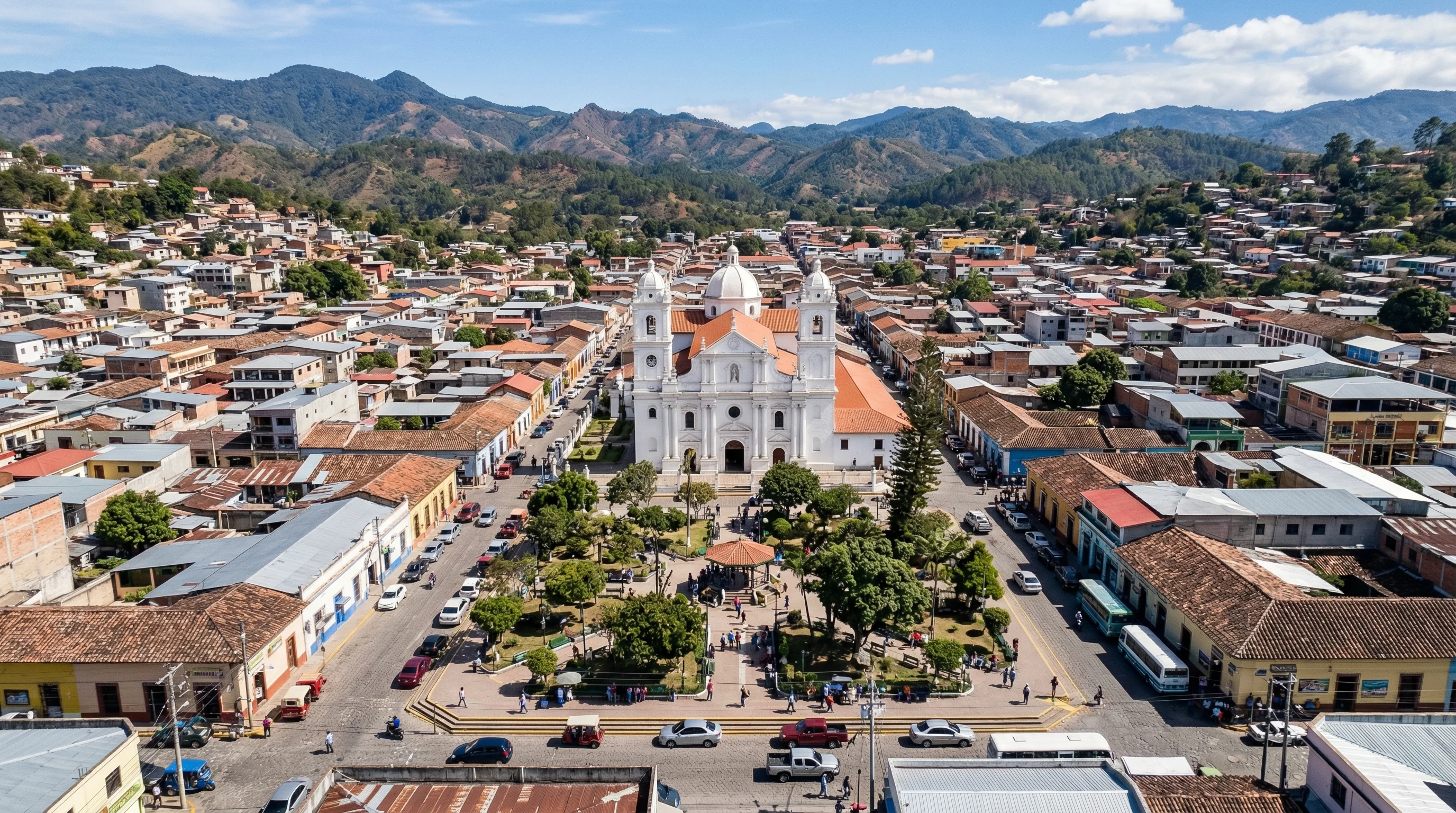
Santa Rosa de Copán is a strategically located city in the western highlands of Honduras, serving as a primary economic and logistical gateway for the Copán department and the broader western region. Its location is pivotal for logistics as it sits at the crossroads of the CA-5 highway, the main north-south artery of Honduras that provides direct access to the Caribbean Sea port of Puerto Cortés—the nation's primary maritime export hub. This connectivity transforms Santa Rosa de Copán from an inland city into a critical aggregation point for goods heading to international markets. The main industries and economic sectors driving freight demand from this origin are diverse. The region is globally renowned for high-quality coffee, a major export that requires careful, often refrigerated, FTL transport to ports. Additionally, the area has a significant textile and apparel manufacturing base, producing goods for the U.S. market under trade agreements. Wood products, tropical fruits, and artisanal goods also contribute to outbound freight volumes. The available transportation infrastructure is centered on the CA-5 highway, which supports high-capacity truck movement. While the city itself has industrial parks and warehouses, its strength is as a collection and dispatch center, with road links efficiently connecting surrounding farms and factories to the national highway network for onward movement to border crossings and ports.
 Destination
Charleston
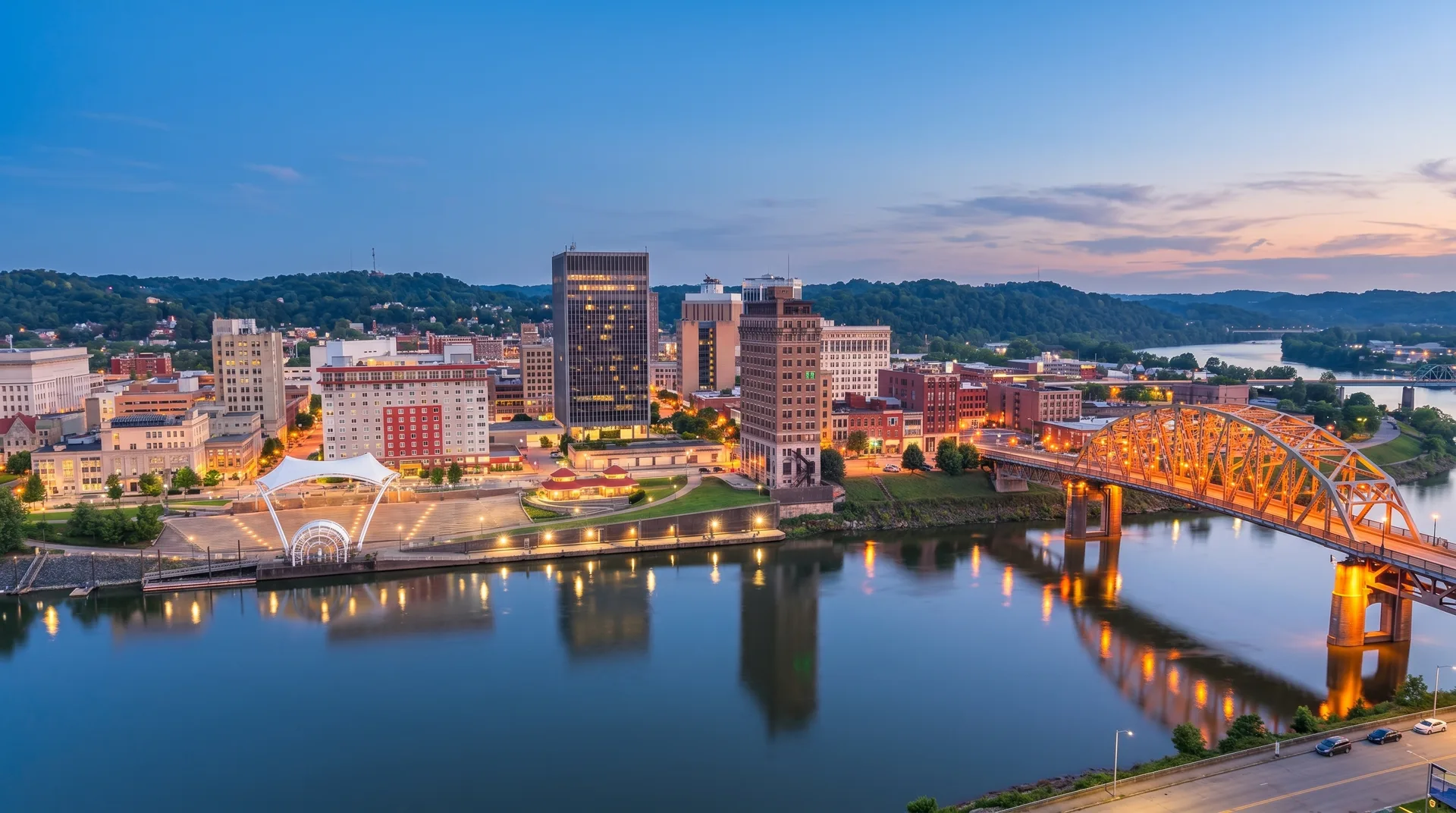
Charleston, West Virginia, is a strategically important inland logistics hub at the confluence of the Kanawha and Elk Rivers, offering a central location within the Appalachian region of the United States. Its strategic value for logistics is multifaceted: it is a major junction on the eastern U.S. Interstate system, with direct access via I-64, I-77, and I-79, enabling efficient distribution to a wide swath of the Midwest, Southeast, and Mid-Atlantic states. Furthermore, its proximity to the Port of Huntington Tri-State, one of the largest inland ports in the U.S. on the Ohio River, provides valuable intermodal options for cargo transitioning between truck and barge. The main industries and economic sectors generating freight demand to and from Charleston are heavily industrial. It is a national center for chemical and polymer production, with numerous plants requiring regular inbound FTL shipments of raw materials and outbound movement of finished products. The region also has strong manufacturing in metals, machinery, and transportation equipment, alongside growing sectors in aerospace and technology. The available transportation infrastructure is robust, featuring the aforementioned interstate highways for over-the-road FTL, the inland port for barge traffic, and rail networks operated by major carriers like CSX. This multi-modal environment makes Charleston an ideal destination for time-sensitive, dedicated, and specialized full truckload freight serving a dense industrial base.


Ready to ship your cargo?
Get a personalized quote for your freight.
Quote Now Santa Rosa de Copán - Charleston








