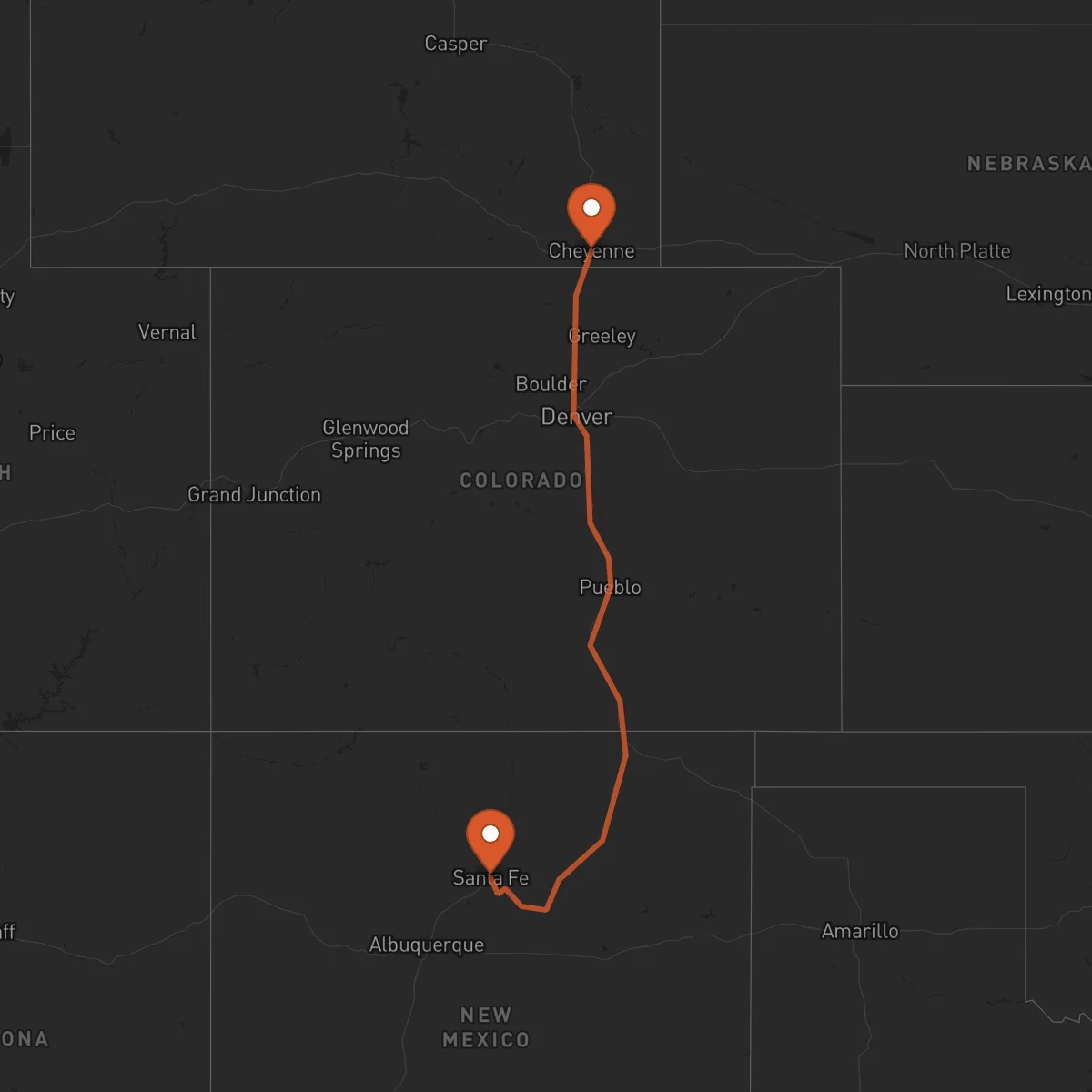
Santa Fe to Cheyenne
Cheyenne → Santa FeFTL freight transportation service between Santa Fe and Cheyenne. Reliable logistics solutions for your business.
Route Description
Everything you need to know about the corridor Santa Fe - Cheyenne
The Santa Fe to Cheyenne corridor represents a vital domestic freight transportation route connecting two key economic centers in the Southwestern and Rocky Mountain regions of the United States. This approximately 613-kilometer corridor traverses diverse terrain, from the high desert landscapes of New Mexico through the Colorado plains and into the foothills of Wyoming. The route serves as a crucial link between the growing markets of New Mexico and the industrial base of Wyoming, facilitating the movement of goods that support both regional and national supply chains.
The economic significance of this corridor extends beyond simple point-to-point transportation. Santa Fe, as the capital of New Mexico, serves as a hub for government operations, tourism, and emerging technology sectors, while Cheyenne stands as Wyoming's capital and a center for energy production, agriculture, and transportation logistics. The corridor connects these complementary economies, enabling businesses to optimize their supply chains and respond efficiently to market demands. Major industries utilizing this route include energy equipment and supplies, agricultural products, manufactured goods, and specialized equipment for the energy sector.
Transportation infrastructure along this corridor primarily relies on Interstate 25, a major north-south highway that provides reliable and efficient freight movement. This interstate connects with other key routes including I-40 in New Mexico and I-80 in Wyoming, creating an integrated network for domestic freight transportation. The route's strategic importance is enhanced by its proximity to major rail lines and intermodal facilities, offering multimodal transportation options for businesses seeking flexibility in their logistics operations.
Control Terrestre specializes in providing full truckload (FTL) freight transportation services along this corridor, offering dedicated solutions tailored to the specific needs of shippers. Our extensive network of certified carriers ensures reliable capacity and consistent service quality, while our expertise in handling diverse cargo types allows us to support the unique requirements of businesses operating in both the Santa Fe and Cheyenne markets. Through our commitment to safety, efficiency, and customer service, we facilitate seamless freight movement that helps businesses maintain competitive advantage in their respective markets.
Services for this Route
Available services for the corridor Santa Fe - Cheyenne
 Origin
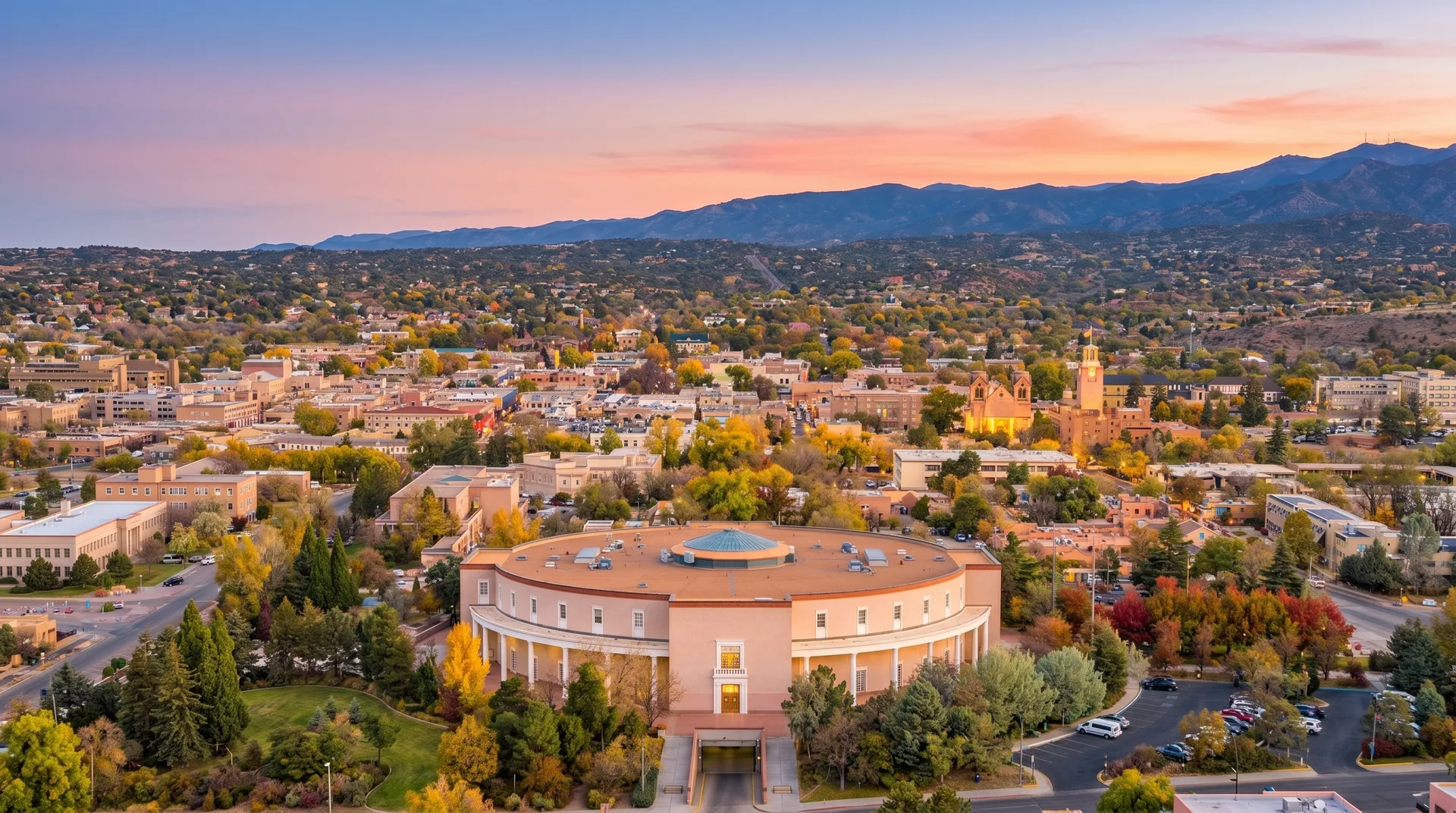
Santa Fe
Santa Fe, New Mexico serves as a strategic logistics hub with its unique position in the Southwest United States. As the state capital, it benefits from established government infrastructure and a growing economy that includes tourism, arts, technology, and research sectors. The city's location provides access to major transportation routes connecting New Mexico with neighboring states, making it an ideal origin point for freight distribution across the region. Santa Fe's economic diversity creates demand for reliable transportation services to support both local businesses and those serving wider markets.
The transportation infrastructure in Santa Fe includes access to Interstate 25, which runs north-south through the city, connecting to major freight corridors. The city also benefits from proximity to Albuquerque's larger logistics facilities, including the Albuquerque International Sunport and major rail yards. Santa Fe's growing technology and research sectors, including the nearby Los Alamos National Laboratory and Sandia National Laboratories, create specialized freight needs for sensitive and high-value cargo. The region's agricultural products, including chile peppers and other specialty crops, also contribute to freight demand, particularly during harvest seasons.
 Destination
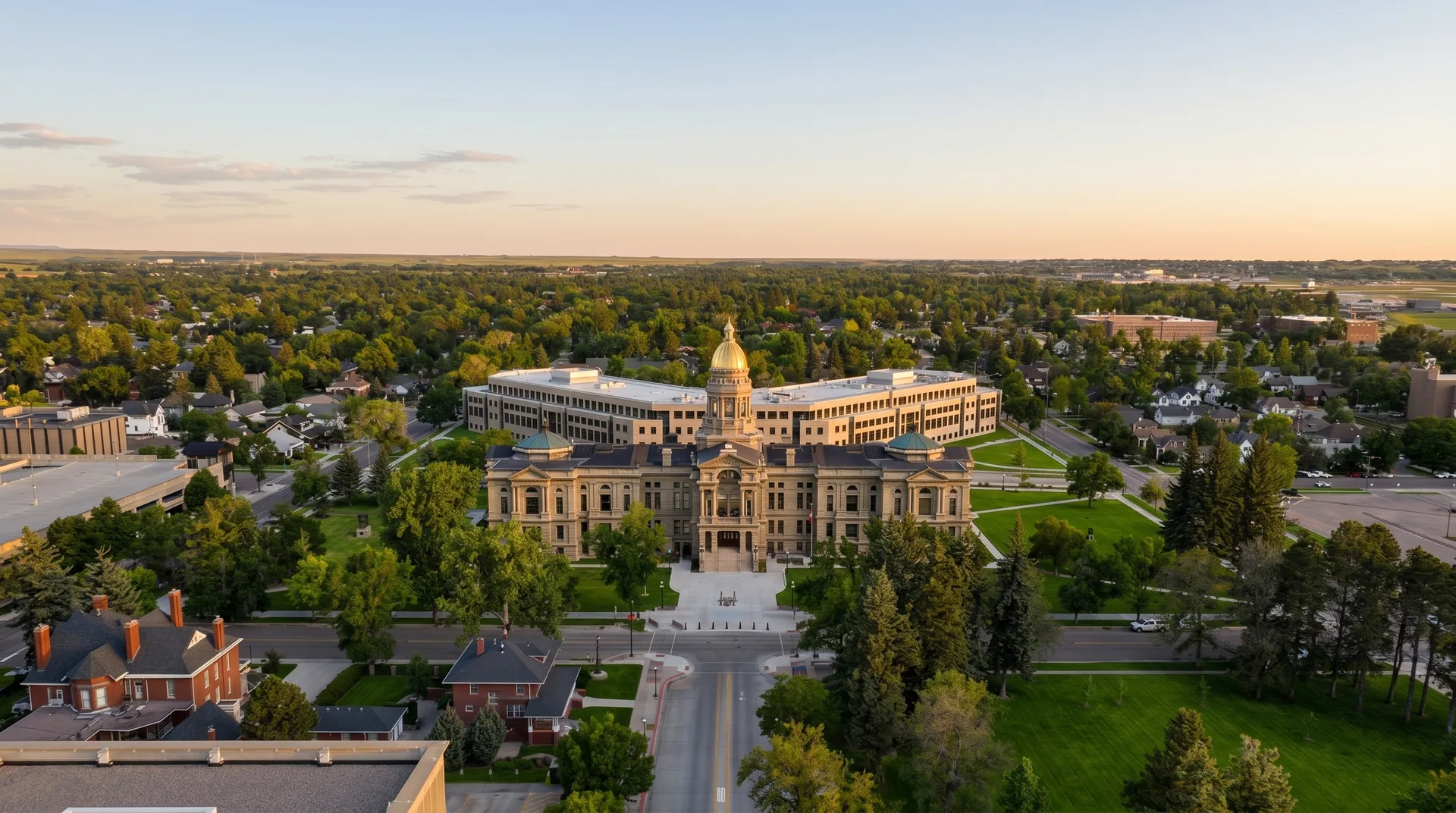
Cheyenne
Cheyenne, Wyoming stands as a critical logistics center in the Rocky Mountain region, serving as the state capital and largest city in southeastern Wyoming. Its strategic location at the intersection of major transportation corridors, including Interstate 80 and Interstate 25, makes it a natural distribution hub for freight moving throughout the Mountain West and beyond. Cheyenne's position as a gateway to both the Great Plains and the Rocky Mountains provides shippers with access to key markets in Wyoming, Colorado, Nebraska, and beyond. The city's robust transportation infrastructure supports efficient freight movement for businesses operating in the energy, agriculture, and manufacturing sectors.
The city's economic foundation in energy production, particularly oil, natural gas, and coal, creates consistent demand for specialized freight transportation services. Cheyenne also serves as a center for state government operations, healthcare, and retail distribution, contributing to diverse freight needs. The city's proximity to major rail facilities, including the Union Pacific Railroad's extensive network, enhances its role as a multimodal logistics hub. Cheyenne's location also provides strategic access to the Bakken Formation in North Dakota and the energy-rich regions of Colorado, making it an essential node in the energy supply chain for the central United States.










