
Santa Ana to Torreón
Torreón → Santa AnaFTL freight transportation service between Santa Ana and Torreón. Reliable logistics solutions for your business.
Route Description
Everything you need to know about the corridor Santa Ana - Torreón
The Santa Ana to Torreón corridor is a vital cross-border artery connecting Central America's industrial heartland with Mexico's key manufacturing and agricultural regions. Spanning approximately 1,934 km, this route facilitates the efficient movement of goods between El Salvador and Northern Mexico, serving as a strategic bridge for regional supply chains. The corridor's importance is underscored by its role in supporting the maquiladora industry and the flow of raw materials and finished products across borders, leveraging major trade agreements.
Economically, the route links Santa Ana's diverse manufacturing base—including textiles, food processing, and pharmaceuticals—with Torreón's powerhouse sectors such as automotive parts, metal mechanics, agriculture, and furniture manufacturing. This connection enables businesses to tap into specialized production capabilities on both ends, optimizing procurement and distribution networks across North America.
Key infrastructure defines this corridor. From Santa Ana, trucks utilize the CA-1 highway to the Tecún Umán border crossing. After Mexican customs clearance, the primary route follows the toll highway MX-40D (Autopista Torreón-Saltillo), a high-capacity, well-maintained artery that ensures reliable transit through the mountainous terrain to the Comarca Lagunera. Control Terrestre's alliance of providers is fully certified with C-TPAT and FAST, streamlining customs procedures and enhancing security at this critical border point.
We at Control Terrestre facilitate seamless operations on this corridor through our dedicated FTL and cross-border expertise. Our network manages the complex documentation, customs brokerage, and border coordination, providing our clients with a single point of contact for the entire journey. By leveraging our providers' specialized equipment—including dry vans, reefers, and flatbeds—and their deep knowledge of local regulations, we ensure your full truckload shipments move efficiently from origin to destination, mitigating the typical challenges of international freight.
Services for this Route
Available services for the corridor Santa Ana - Torreón
 Origin
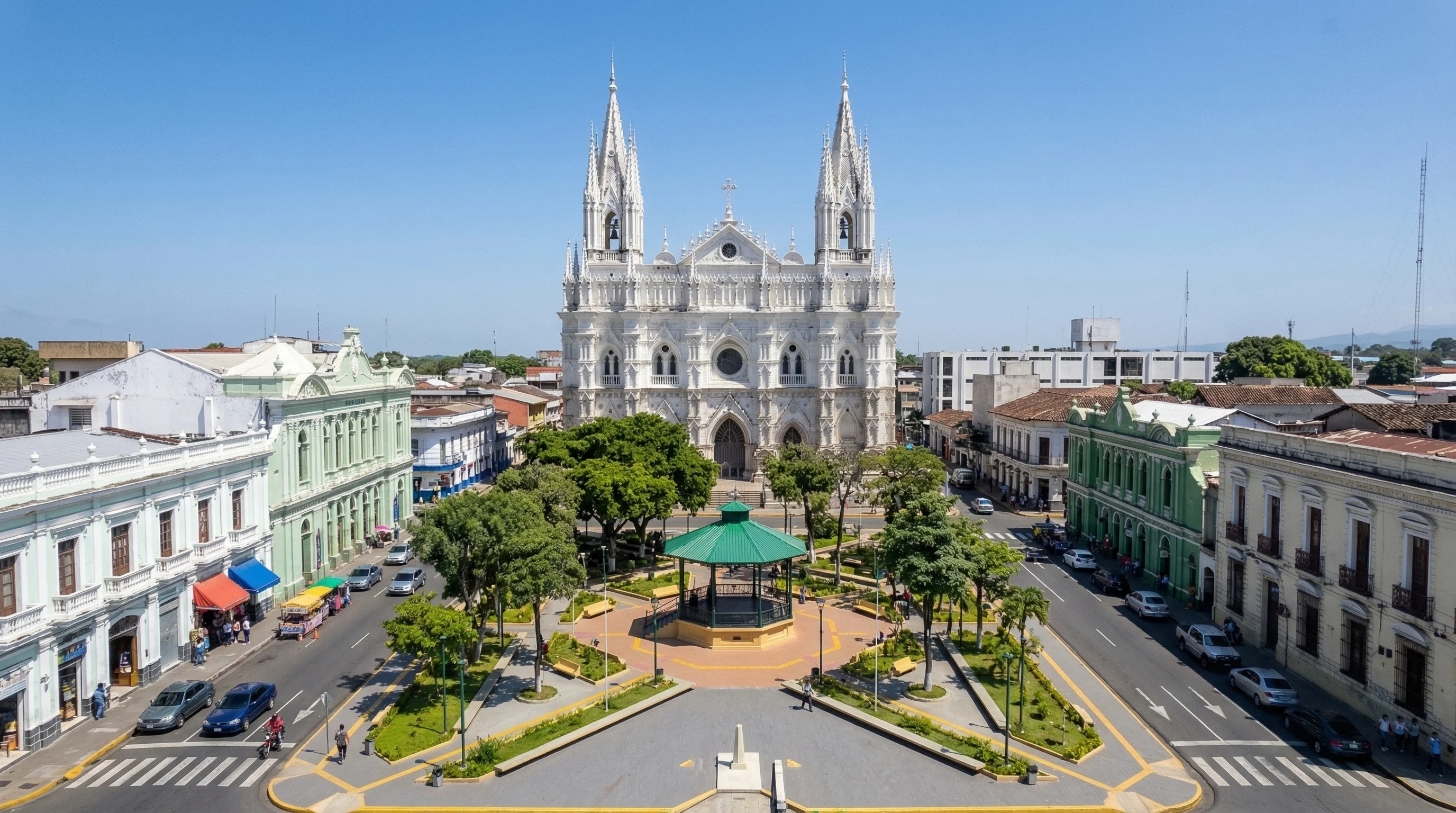
Santa Ana
Santa Ana, El Salvador, is a strategic logistics hub in Central America, strategically located near the border with Guatemala and boasting direct access to the Pacific port of Acajutla. Its position makes it a primary gateway for imports and exports moving between Central America and North America. The city is the second-largest in El Salvador and serves as a major industrial and commercial center for the region.
The local economy is driven by a robust manufacturing sector, particularly textiles and apparel (maquilas), food and beverage processing, pharmaceuticals, and chemical products. These industries generate consistent demand for outbound freight of finished goods and inbound shipments of raw materials and machinery.
Santa Ana's transportation infrastructure is well-developed for regional logistics. The city is directly connected to the Pan-American Highway (CA-1), the main north-south route in Central America, which provides a direct link to the Tecún Umán border crossing with Mexico. This highway network, combined with proximity to the Port of Acajutla, creates a multimodal logistics platform that efficiently feeds cargo into the long-haul cross-border corridor to Mexico.
 Destination
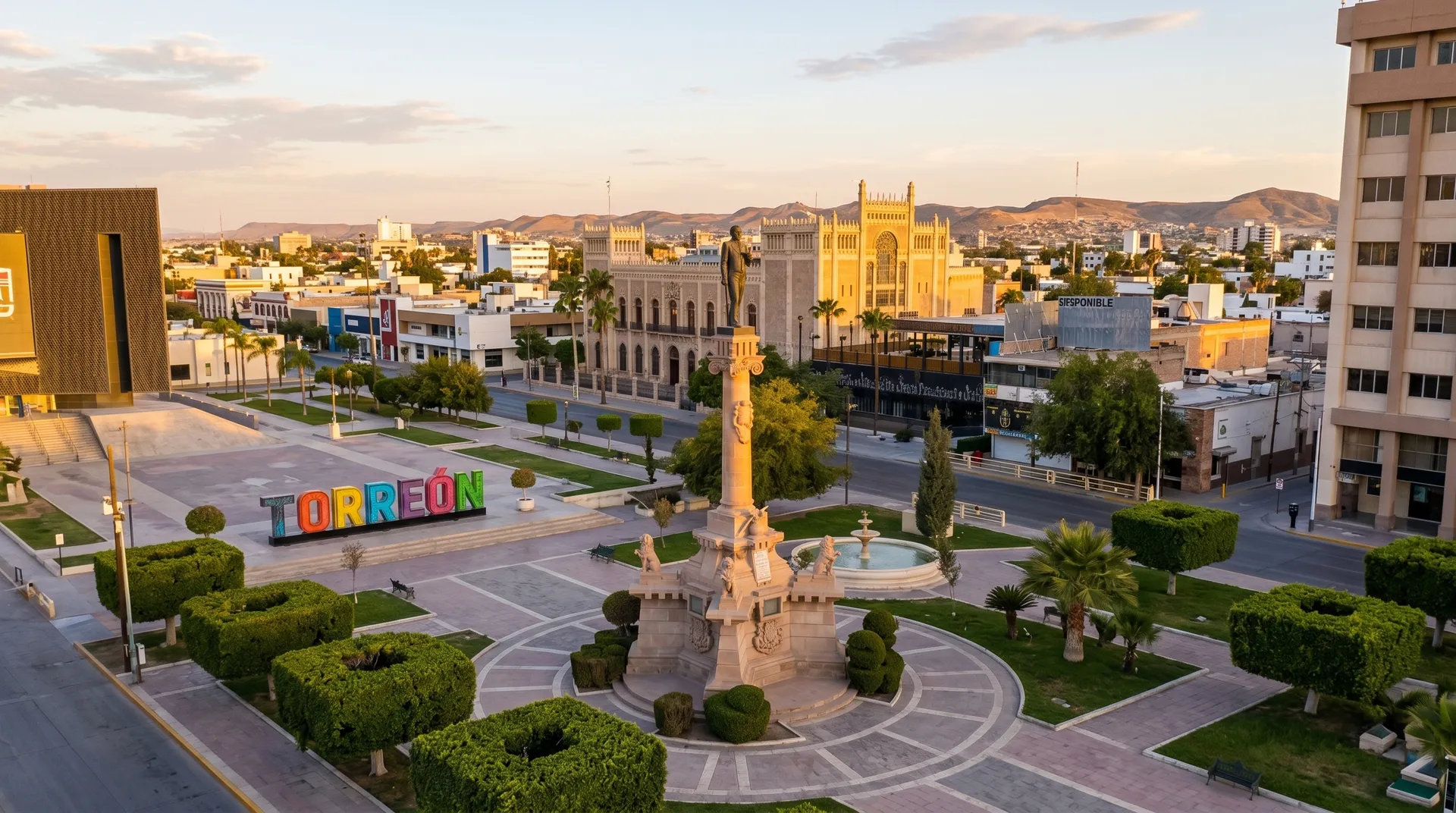
Torreón, Coahuila, is a pivotal logistics and industrial metropolis in Northern Mexico, centrally located within the Comarca Lagunera—one of the country's most important economic regions. Its strategic position provides excellent connectivity to the U.S. border (via Monterrey and Ciudad Juárez), the Pacific coast, and the heart of Mexico's industrial corridor, making it a critical consolidation and distribution point for national and international freight.
The economy of Torreón is diverse and powerful, dominated by advanced manufacturing (automotive parts, metal mechanics, appliances), agriculture (cotton, alfalfa, dairy), and furniture production. The presence of major industrial parks and multinational companies creates high-volume, consistent freight flows requiring reliable full truckload transportation.
Infrastructure supports its role as a logistics leader. Torreón is the terminus of the high-capacity MX-40D toll highway from Saltillo, ensuring fast and safe access from the border. It is also a major rail hub, served by primary Mexican railroads (Ferromex, Kansas City Southern de México), offering intermodal options. The city's extensive network of distributors and warehouses, combined with its skilled workforce, solidifies its status as a key destination for supply chain operations in Northern Mexico.










