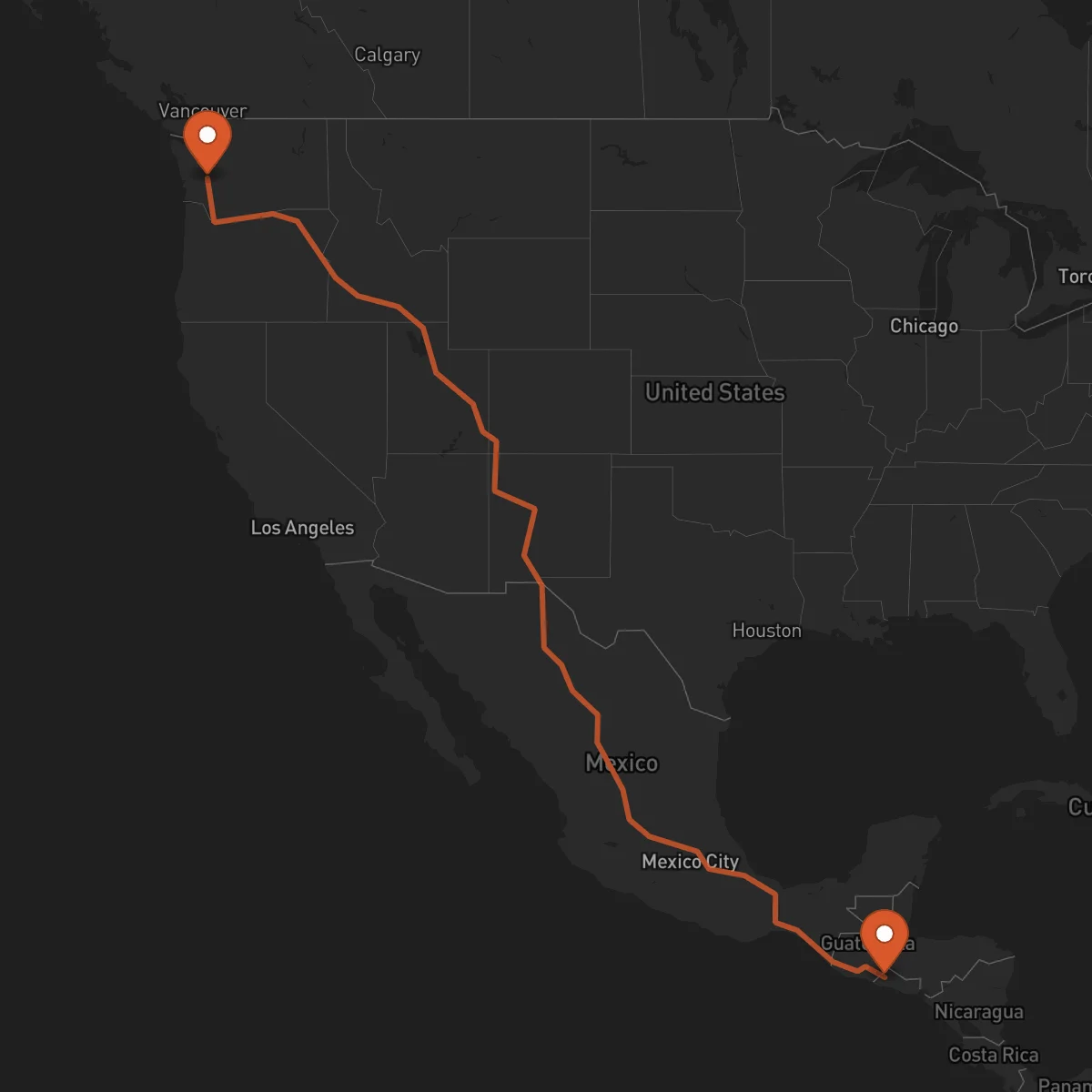
Santa Ana to Olympia
Olympia → Santa AnaFTL freight transportation service between Santa Ana and Olympia. Reliable logistics solutions for your business.
Route Description
Everything you need to know about the corridor Santa Ana - Olympia
The Santa Ana to Olympia corridor represents a critical North-South trade artery connecting Central America's industrial heartland with the Pacific Northwest's key distribution and manufacturing hubs. This cross-border route spans approximately 4,801 km, facilitating the essential movement of goods between El Salvador and the United States. Its strategic importance is underscored by the robust economic ties between the regions, enabling efficient access for Salvadoran exports to major U.S. markets and the inbound flow of raw materials and finished products.
Economically, the corridor serves dynamic industrial zones. In Central America, it supports sectors like agriculture (coffee, sugar), textiles, and light manufacturing. In the U.S. Pacific Northwest, it connects to thriving industries including timber and wood products, agriculture (apples, hops), advanced manufacturing, and government/logistics centered around the state capital region. The consistent demand from these sectors makes this lane vital for supply chain stability.
Key transportation infrastructure defines this route. The journey begins on El Salvador's CA-1 and CA-4 highway networks, transitioning through Guatemala and Mexico via major arteries like MX-190. The critical U.S. entry point commonly utilizes the Tijuana/San Ysidro or El Paso border crossings, depending on specific routing and customs clearance strategies. Once in the U.S., the primary artery is the Interstate 5 corridor, which provides a direct, efficient link from the southern border all the way to Olympia, Washington.
Navigating the complex customs and regulatory landscape—from Salvadoran export protocols to U.S. CBP requirements, including programs like C-TPAT and FAST—is a core challenge. Control Terrestre facilitates seamless operations on this corridor through our alliance of certified providers. We leverage partners holding C-TPAT, FAST, and BASC certifications to ensure compliant, secure cross-border transit. Our expertise in managing documentation, customs coordination, and dedicated FTL equipment—including dry vans, reefers, and flatbeds—allows us to offer a streamlined, door-to-door service. We handle the corridor's intricacies so our clients can focus on their business, providing a reliable human and green logistics solution for this long-haul international route.
Services for this Route
Available services for the corridor Santa Ana - Olympia
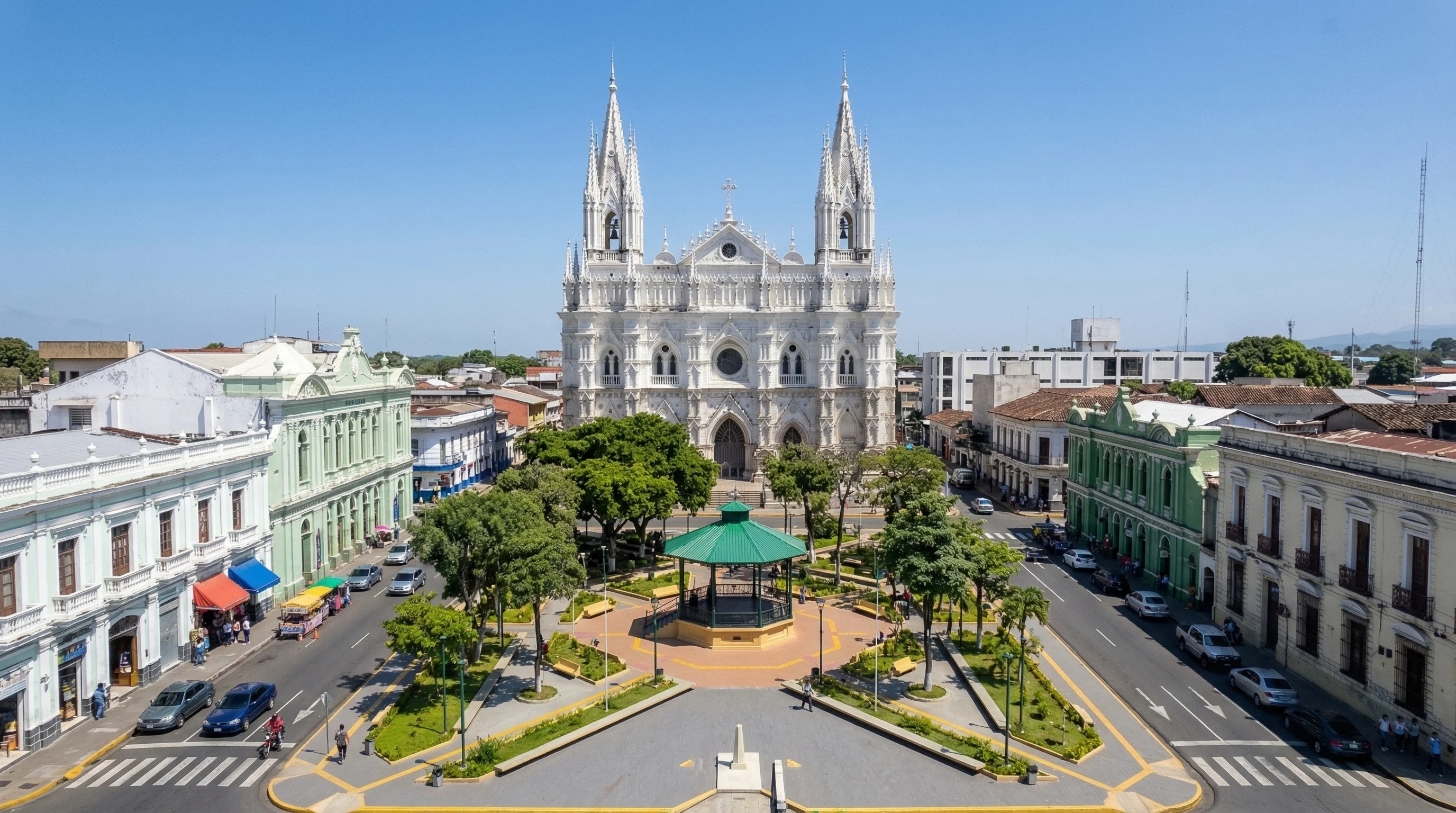 Origin
Santa Ana
Santa Ana, El Salvador, is a pivotal logistics origin point due to its strategic location in the country's western region, approximately 65 km from the Pacific port of Acajutla. This positioning offers direct access to both major maritime export gates and the primary highway networks (CA-1 and CA-4) that funnel traffic northward through Central America. The city and its surrounding department are an economic powerhouse, driven by a diverse industrial base that includes significant coffee and sugar cane production, textile manufacturing, and food processing. This creates consistent demand for outbound full truckload freight. The available transportation infrastructure is robust for the region, featuring well-maintained national highways connecting to the border with Guatemala. The proximity to the Port of Acajutla is a major advantage for multimodal opportunities, though Control Terrestre's focus remains on seamless, dedicated door-to-door truckload services from industrial parks and farms directly to the U.S. border and beyond.
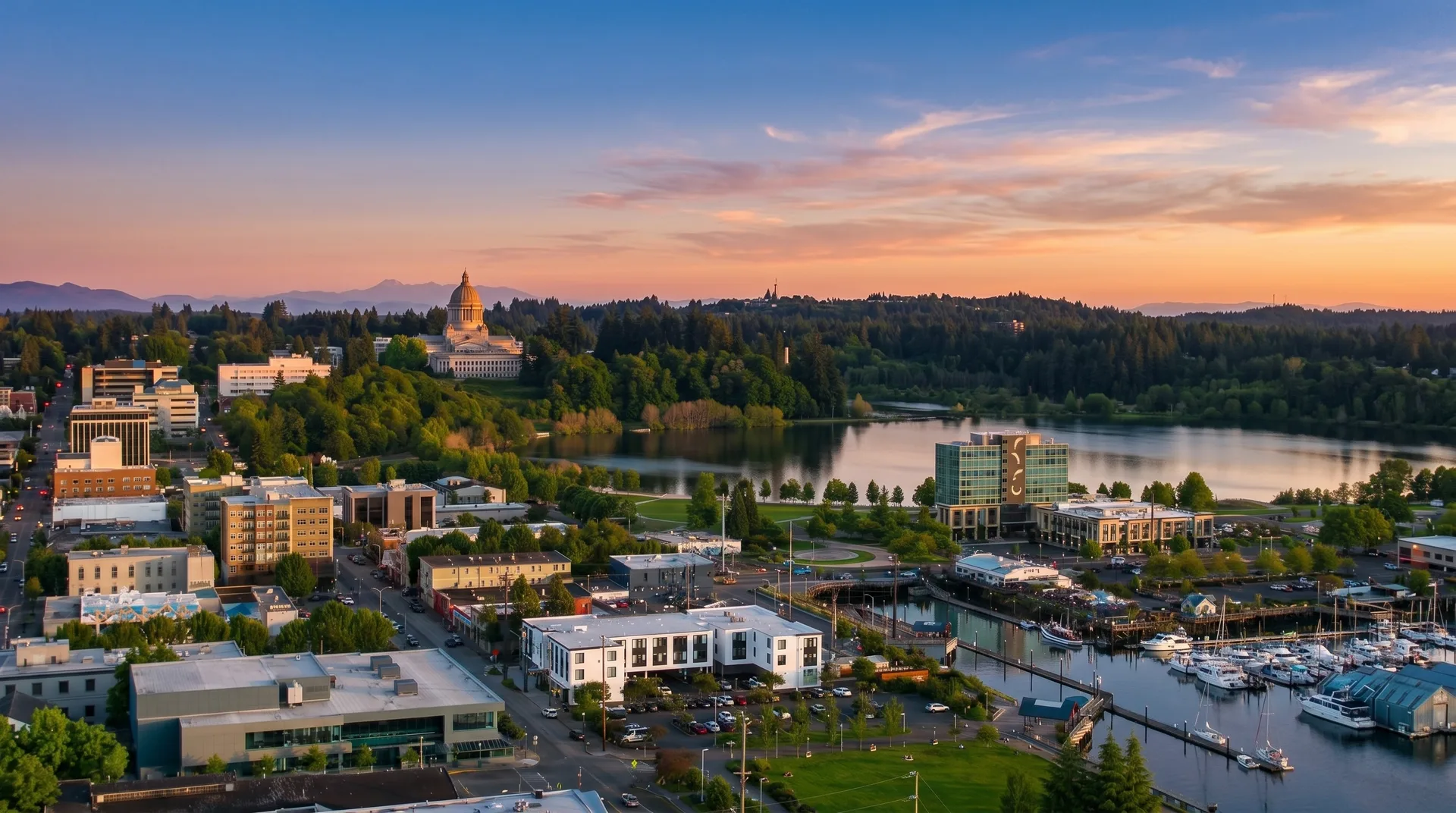 Destination
Olympia
Olympia, Washington, serves as a strategic logistics destination at the southern end of the Puget Sound region, acting as a key distribution hub for the Pacific Northwest. Its location directly on Interstate 5—the primary north-south artery on the West Coast—provides unparalleled connectivity to major markets in Washington, Oregon, and California, as well as efficient links to Canadian borders. The local economy is anchored by state government, higher education, and a strong industrial presence in timber, wood products, agriculture (specialty crops), and marine-related manufacturing. The Port of Olympia offers additional maritime and rail intermodal options, though the I-5 corridor remains the dominant overland route. The city's infrastructure supports heavy freight with dedicated truck routes and access to a skilled logistics workforce, making it a stable and important endpoint for cross-border FTL shipments from Central America destined for regional supply chains.










