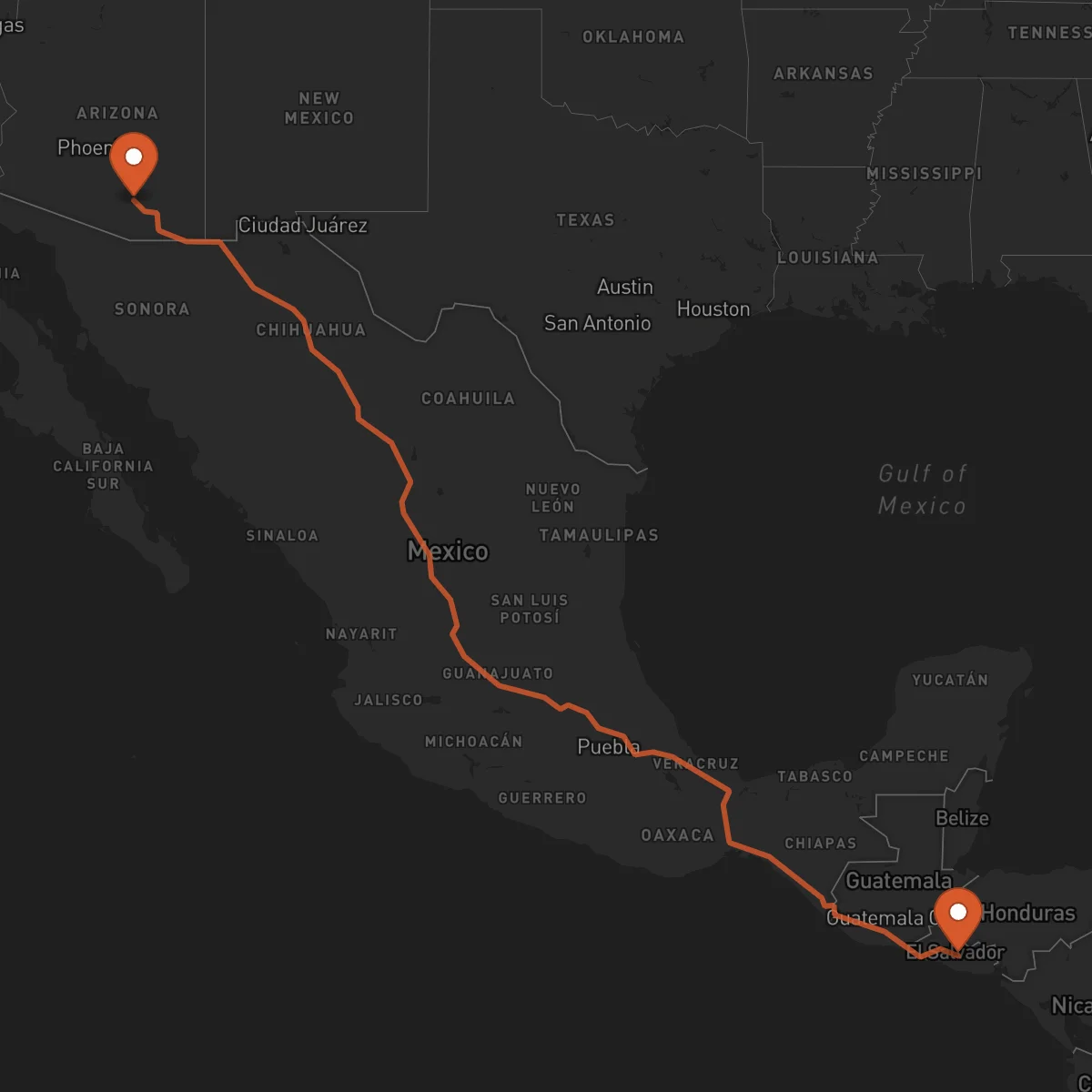
San Vicente to Tucson
Tucson → San VicenteFTL freight transportation service between San Vicente and Tucson. Reliable logistics solutions for your business.
Route Description
Everything you need to know about the corridor San Vicente - Tucson
The logistics corridor connecting San Vicente, El Salvador to Tucson, Arizona represents a vital trade link between Central America and the Southwestern United States. This 3,061-kilometer cross-border route facilitates the movement of goods through multiple countries, serving as a critical artery for international commerce. The corridor's strategic importance stems from its ability to connect El Salvador's Pacific port capabilities with Arizona's inland distribution networks, creating seamless supply chain solutions for businesses operating across North and Central America.
The economic significance of this corridor is underscored by the diverse industrial activities it supports. San Vicente serves as an important industrial hub in El Salvador, with manufacturing, agriculture, and export-oriented businesses relying on efficient transportation to reach U.S. markets. Tucson, meanwhile, functions as a major logistics center in Arizona, with its proximity to the Mexican border and extensive warehousing infrastructure making it an ideal destination for cross-border freight. The corridor accommodates various cargo types, from manufactured goods and electronics to agricultural products and industrial equipment.
Transportation infrastructure along this route includes major highways such as CA-1 in El Salvador, connecting to Mexican Federal Highways, and ultimately linking to Interstate 10 in the United States. Key border crossings at Ciudad Hidalgo and Nogales require careful coordination to ensure smooth customs clearance. Control Terrestre's expertise in managing these complex cross-border operations includes navigating customs procedures, coordinating with multiple transportation providers, and ensuring compliance with all regulatory requirements across different jurisdictions.
Services for this Route
Available services for the corridor San Vicente - Tucson
 Origin
San Vicente
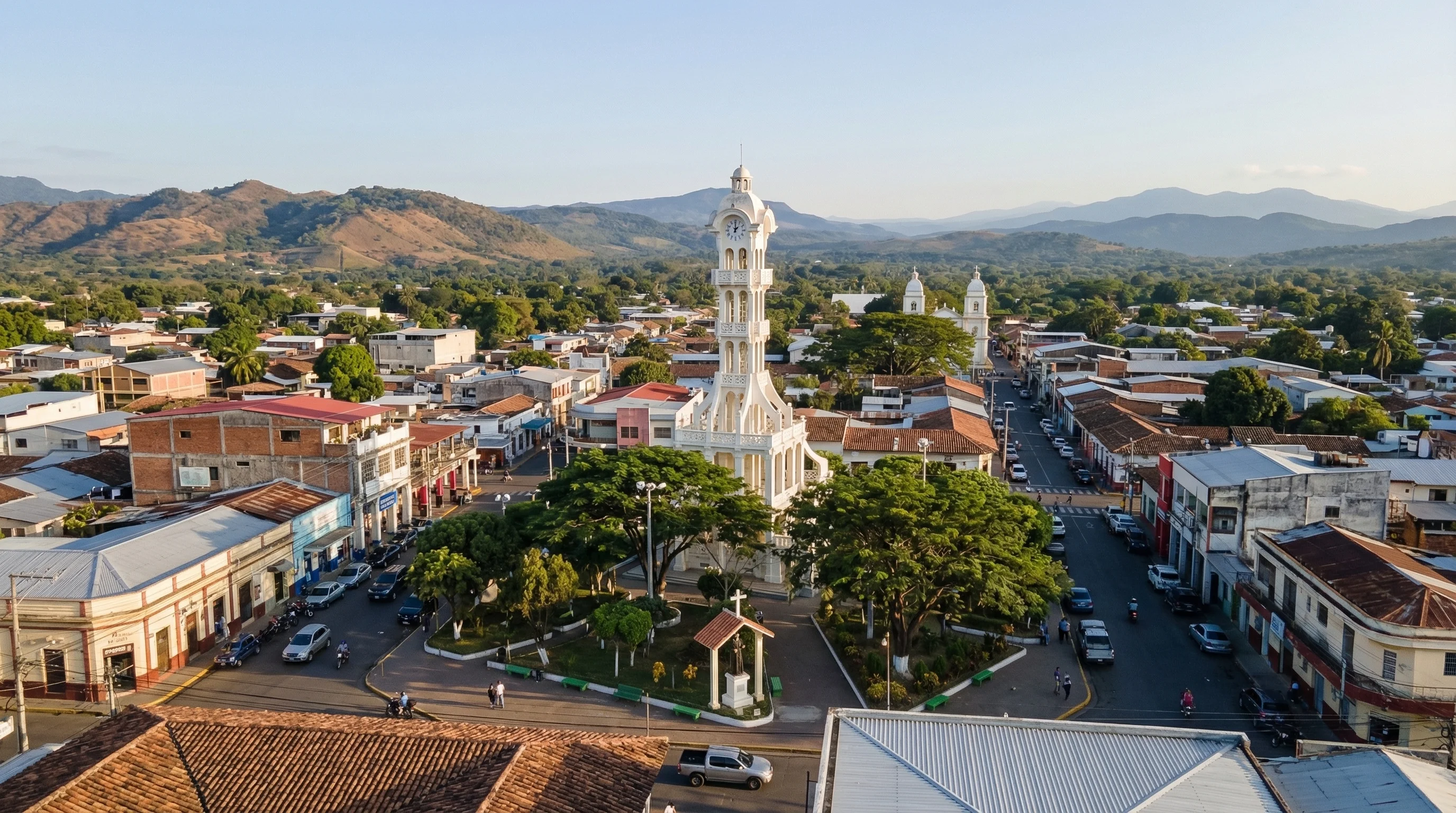
San Vicente, located in central El Salvador, serves as a strategic logistics point due to its proximity to the capital city of San Salvador and its developing industrial infrastructure. The region has established itself as an important manufacturing center, with industries ranging from textiles and apparel to food processing and electronics assembly. San Vicente's location provides relatively easy access to El Salvador's Pacific ports, particularly Puerto de Acajutla, which handles significant cargo volumes for both import and export operations.
The transportation infrastructure in San Vicente includes well-maintained highways connecting to the CA-1 Pan-American Highway, facilitating efficient movement of goods both domestically and internationally. The region benefits from El Salvador's relatively compact geography, allowing for quick access to major transportation hubs. Local industrial parks and free trade zones have attracted significant foreign investment, creating a robust demand for reliable freight transportation services to support growing export activities to the United States and other international markets.
 Destination
Tucson
Tucson, Arizona stands as a crucial logistics hub in the Southwestern United States, strategically positioned just 60 miles from the Mexican border. The city's location along Interstate 10 provides direct access to major markets including Phoenix, Los Angeles, and the broader Southwestern region. Tucson's transportation infrastructure includes extensive highway networks, rail connections through Union Pacific, and proximity to Tucson International Airport, creating multiple options for freight movement and distribution.
The economic landscape of Tucson is diverse, with significant presence in aerospace and defense, optics and photonics, healthcare, and technology sectors. The region's logistics industry has grown substantially, supported by numerous warehousing and distribution centers that serve as crucial nodes in cross-border supply chains. Tucson's designation as a Foreign Trade Zone and its proximity to major border crossings make it an ideal destination for companies seeking efficient access to both U.S. and Mexican markets. The city's logistics infrastructure is complemented by a skilled workforce and supportive business environment, making it a preferred location for companies engaged in international trade.










