San Miguel to Tijuana
Tijuana → San MiguelFTL freight transportation service between San Miguel and Tijuana. Reliable logistics solutions for your business.
Route Description
Everything you need to know about the corridor San Miguel - Tijuana
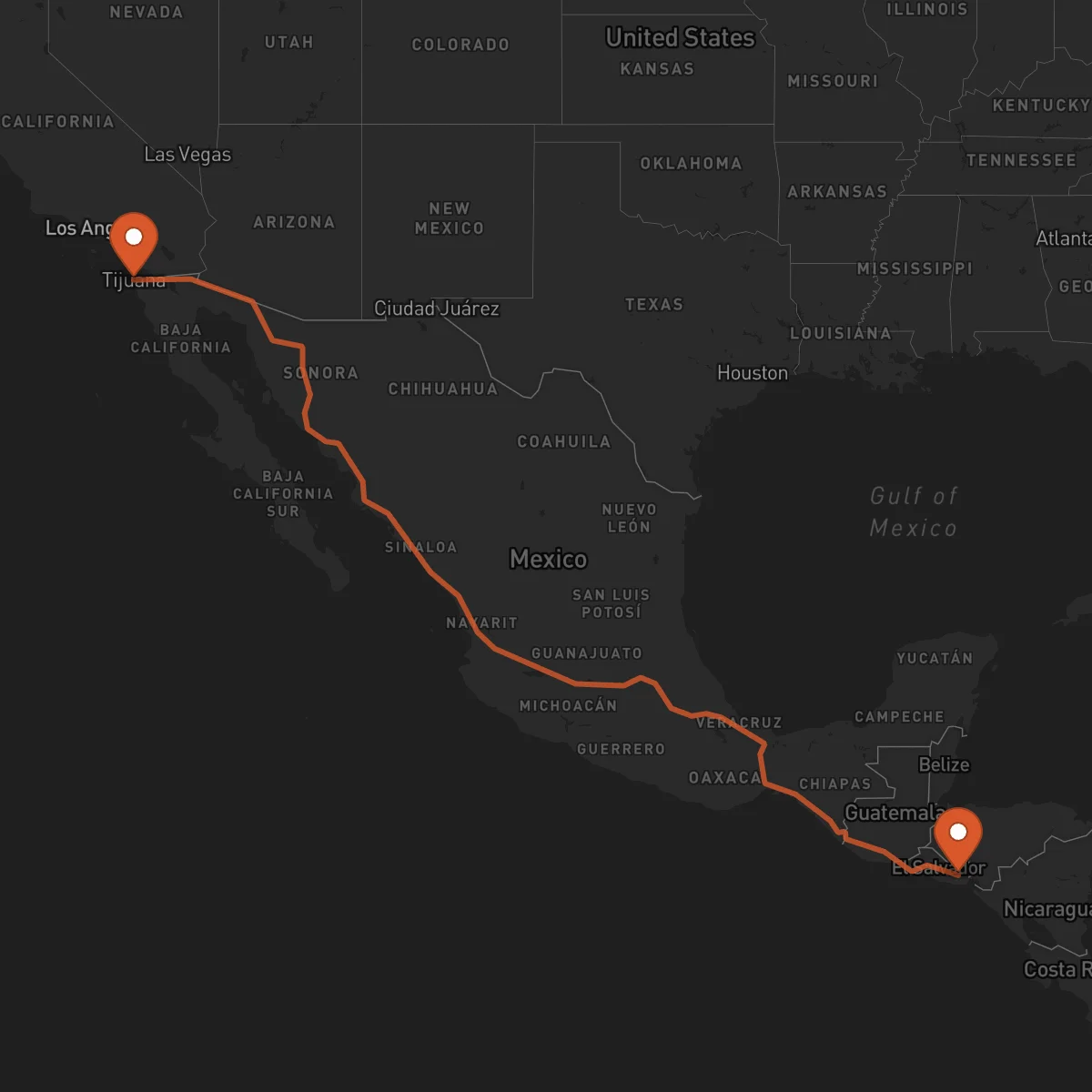
The logistics corridor connecting San Miguel, El Salvador to Tijuana, Mexico represents a vital cross-border trade route spanning approximately 3,612 kilometers. This corridor serves as a crucial link between Central America's growing manufacturing sector and Mexico's dynamic border economy, facilitating the movement of goods between two strategic economic regions. The route traverses diverse terrain and crosses multiple international borders, making it essential for companies engaged in regional supply chain operations.
This corridor is particularly significant for industries involved in automotive parts, electronics, textiles, and agricultural products. The journey begins in San Miguel, a key industrial hub in eastern El Salvador, and extends northward through Guatemala and Mexico before reaching Tijuana's bustling border zone. The route primarily utilizes Mexico's Federal Highway 2 and connects with major transportation networks in Central America, ensuring reliable freight movement across the region.
Control Terrestre specializes in managing complex cross-border operations along this corridor, providing seamless door-to-door FTL transportation services. Our expertise in handling customs procedures, border documentation, and regulatory compliance ensures that your cargo moves efficiently through each country. With our network of certified carriers and strategic partnerships, we facilitate smooth transitions at border crossings, minimizing delays and maintaining the integrity of your supply chain from origin to destination.
Services for this Route
Available services for the corridor San Miguel - Tijuana
 Origin
San Miguel
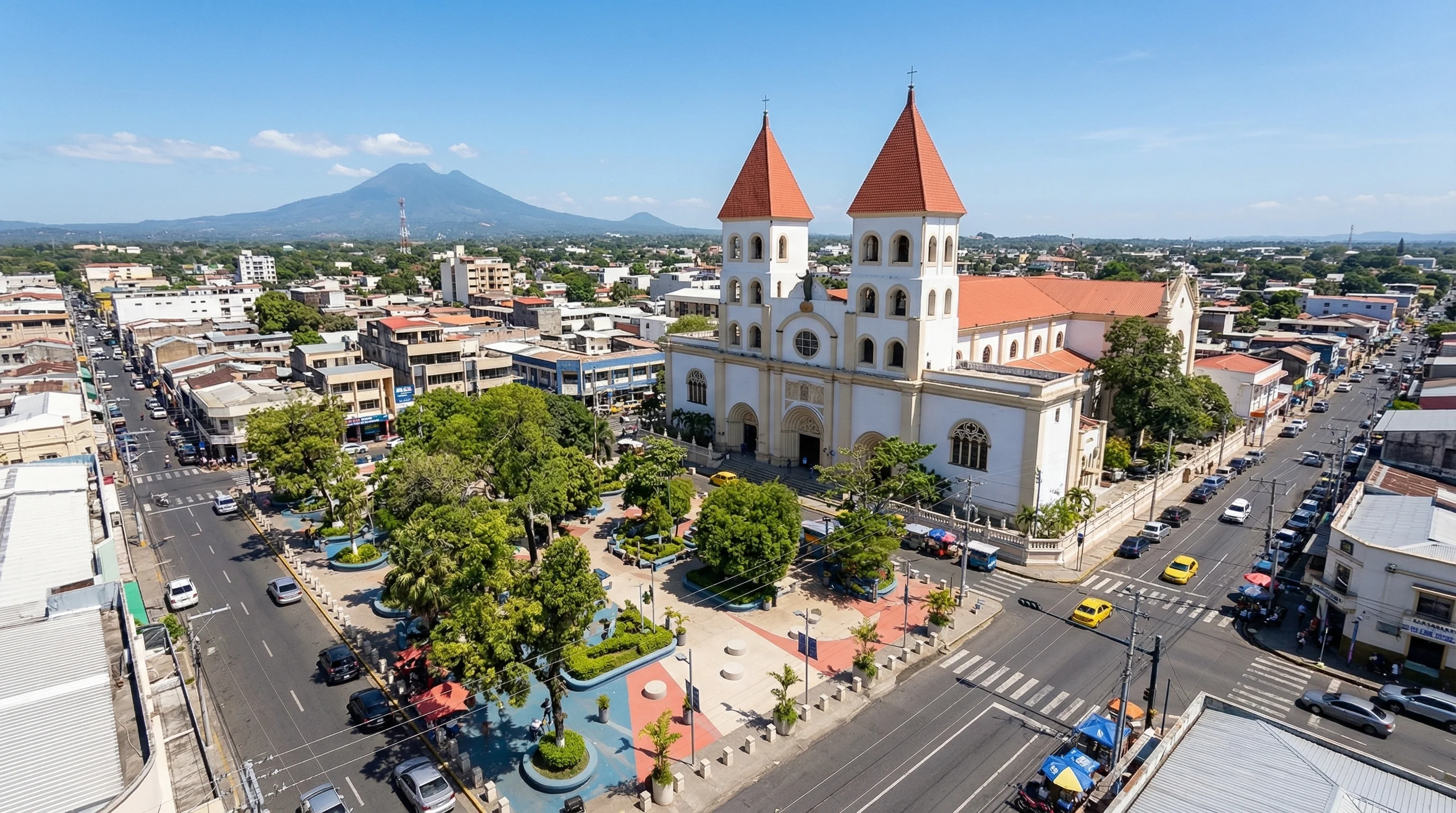
San Miguel, located in eastern El Salvador, serves as a strategic logistics hub with access to both domestic and international markets. The city's industrial sector includes manufacturing facilities, food processing plants, and agricultural operations that generate significant freight volume. Its position near the Gulf of Fonseca provides maritime connections, while the surrounding transportation infrastructure includes major highways connecting to San Salvador and other key cities. The region's economic activity centers around textile production, electronics assembly, and agricultural exports, making it a vital origin point for cross-border freight movements.
 Destination
Tijuana
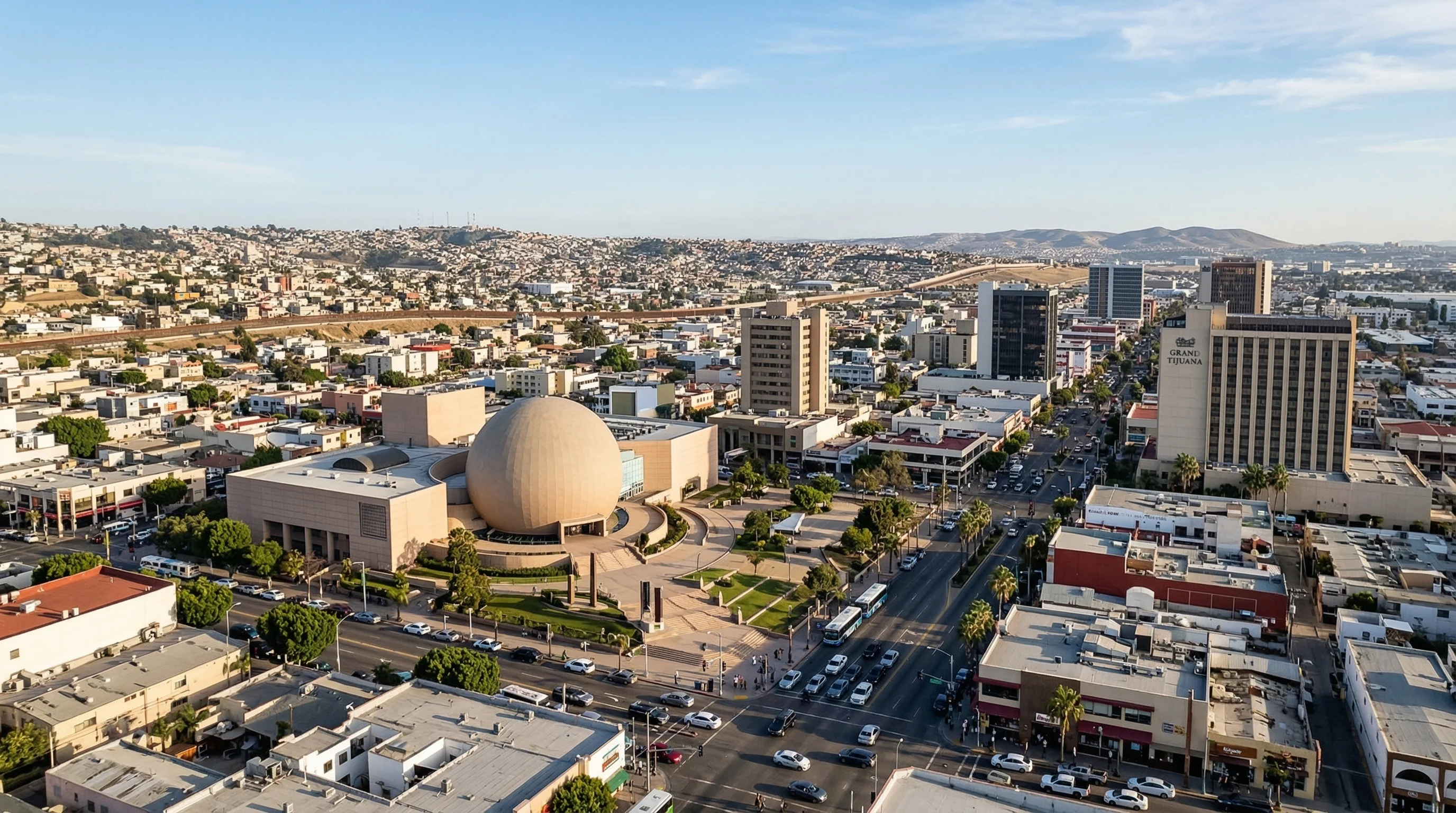
Tijuana stands as one of Mexico's most important border cities, offering unparalleled access to the United States market through its proximity to San Diego, California. The city has developed into a major industrial and manufacturing center, particularly in aerospace, medical devices, and electronics sectors. Tijuana's transportation infrastructure includes the Tijuana International Airport, multiple highway connections to the US-Mexico border, and the Otay Mesa commercial crossing. The region's maquiladora industry and strong trade relationships with California make it a strategic destination for freight from Central America, with extensive warehousing and distribution facilities supporting cross-border logistics operations.










