San Miguel to Somoto
Somoto → San MiguelFTL freight transportation service between San Miguel and Somoto. Reliable logistics solutions for your business.
Route Description
Everything you need to know about the corridor San Miguel - Somoto
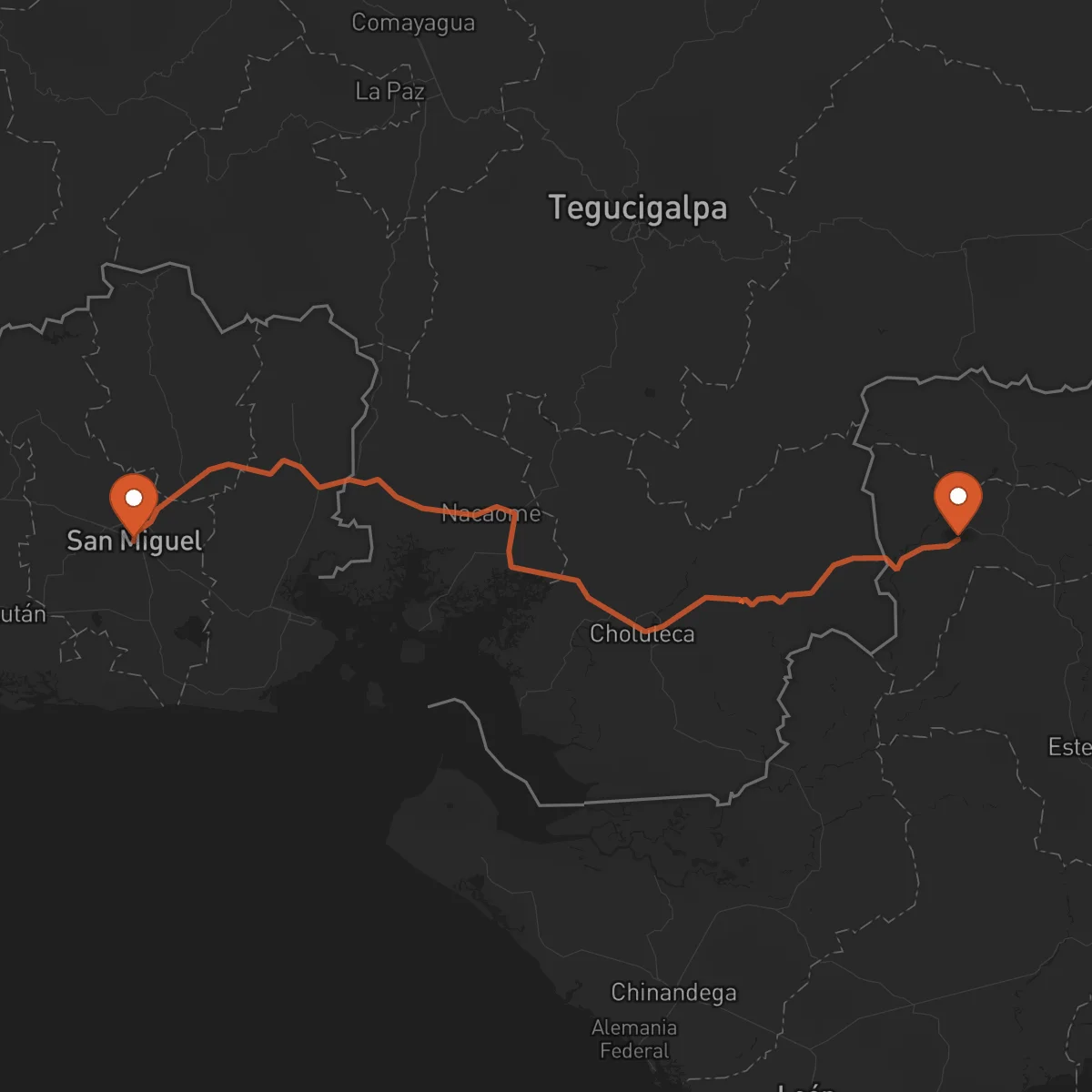
The logistics corridor connecting San Miguel, El Salvador, to Somoto, Nicaragua, serves as a vital cross-border route linking key Central American economies over an approximate distance of 172 km. This corridor is strategically important for facilitating the movement of goods between the Pacific region of Central America and the northern markets, enhancing regional trade integration and supply chain resilience.
The economic and industrial context of the region is driven by manufacturing, agriculture, and textiles, with San Miguel being a significant industrial and commercial hub. The main industries utilizing this corridor include automotive parts, consumer goods, and agricultural products, requiring reliable and dedicated transportation solutions to maintain efficiency and meet market demands.
Transportation infrastructure along this route primarily utilizes the Pan-American Highway, which provides a direct and established path for heavy-duty freight operations. Key border crossings are managed with standard customs procedures, and Control Terrestre leverages our exclusive Full Truckload (FTL) services to ensure seamless movement. Our certified providers, equipped with specialized vehicles such as dry vans and refrigerated units, handle the specific requirements of this corridor, navigating customs with our C-TPAT and trusted resource credentials to streamline operations for our clients.
Control Terrestre facilitates operations on this corridor through our extensive network of experienced providers, ensuring that cargo is transported efficiently and in compliance with regional regulations. We manage the complexities of cross-border freight, offering dedicated and specialized services that align with the needs of modern supply chains.
Services for this Route
Available services for the corridor San Miguel - Somoto
 Origin
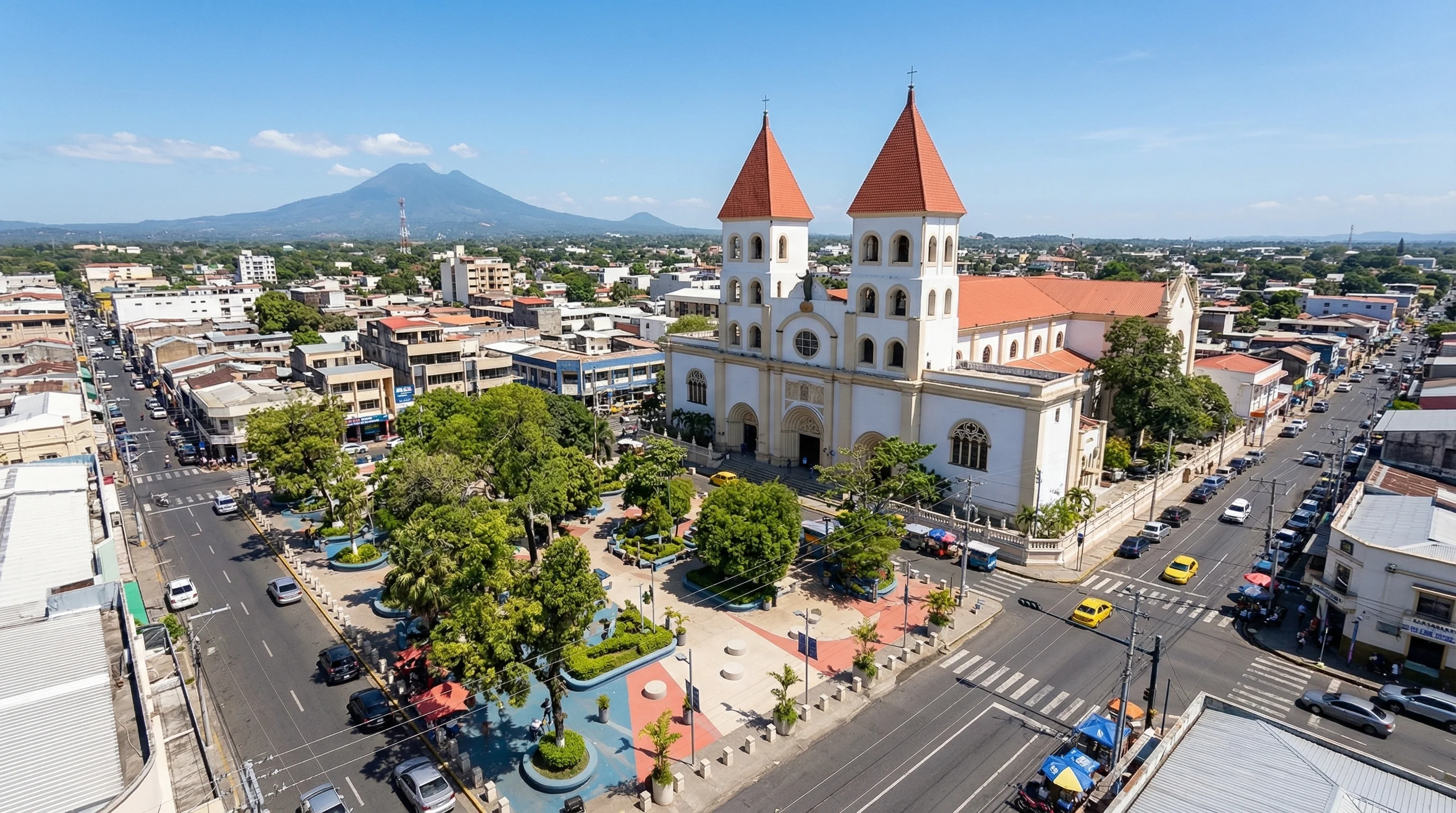
San Miguel
San Miguel is a strategically vital logistics hub in eastern El Salvador, serving as a key industrial center that drives regional commerce. Its location provides direct access to major production zones and ports, making it an essential node for businesses requiring efficient distribution channels within Central America.
The main industries in San Miguel include manufacturing, textiles, food processing, and construction materials, supported by a robust transportation infrastructure. Major highways, including the Pan-American Highway, enable the flow of full truckload shipments, while the proximity to international borders enhances connectivity.
San Miguel’s infrastructure is designed to support heavy-duty and specialized freight operations, with access to necessary certifications such as C-TPAT and Clean Transportation. This ensures that companies can rely on a consistent and compliant logistics framework, reducing friction in the movement of goods and supporting sustained economic activity in the region.
 Destination
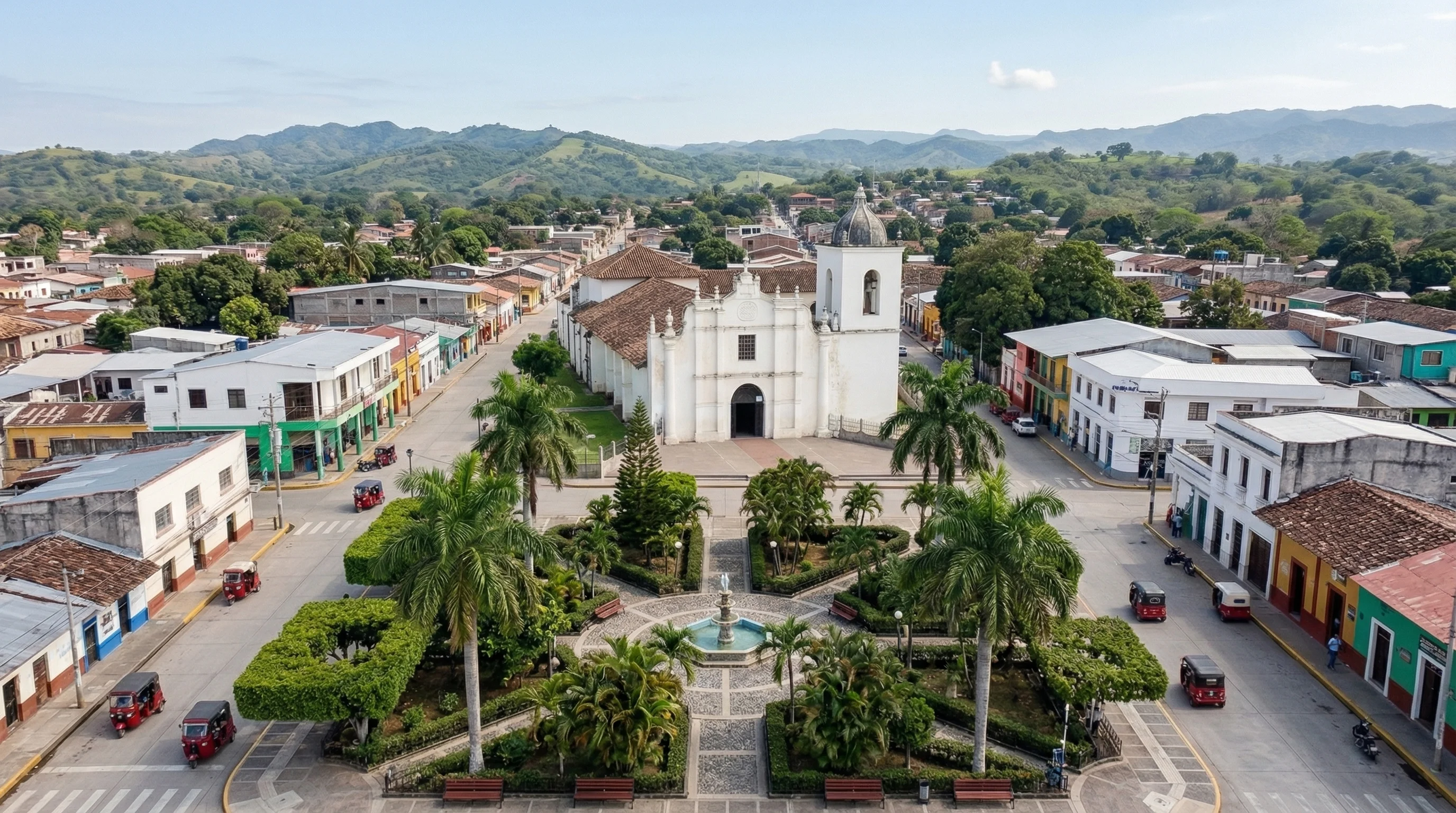
Somoto is a strategic logistics destination in northern Nicaragua, serving as a critical access point for trade in the North Central region. Its location facilitates the distribution of goods across Central America, offering connectivity to major markets and supply chains operating in the area.
The main industries in Somoto include agriculture, manufacturing, and retail distribution, driven by the region’s productive capacity and growing economic activity. Transportation infrastructure is centered on the Pan-American Highway and key national routes, providing the necessary framework for efficient full truckload movements and specialized cargo handling.
Somoto’s infrastructure supports dedicated freight operations, with access to essential certifications such as BASC and Responsible Care, ensuring compliance and reliability. Control Terrestre utilizes this framework to provide tailored FTL solutions, leveraging our network of experienced providers and specialized equipment to meet the specific demands of this dynamic logistical region.










