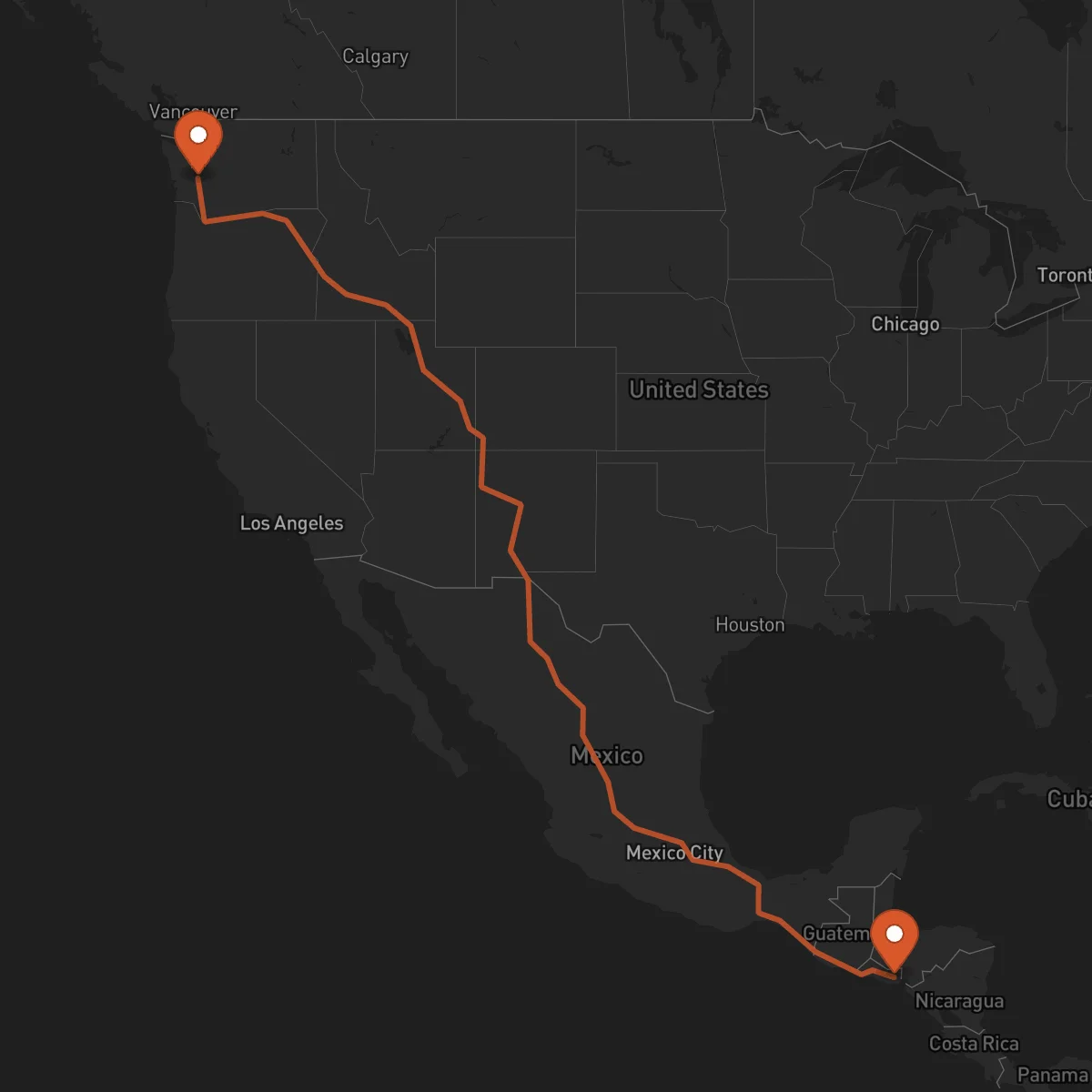
San Miguel to Olympia
Olympia → San MiguelFTL freight transportation service between San Miguel and Olympia. Reliable logistics solutions for your business.
Route Description
Everything you need to know about the corridor San Miguel - Olympia
The San Miguel to Olympia corridor represents a critical north-south logistics artery connecting Central America with the Pacific Northwest. This approximately 4,930 km route is strategically vital for facilitating trade between El Salvador's industrial heartland and the major consumption and manufacturing markets of Washington State. The corridor's importance is underscored by its role in supporting regional supply chains for diversified goods, from manufactured products to agricultural commodities.
Economically, this route bridges the manufacturing and agricultural sectors of El Salvador with the technology, government contracting, and timber industries of the Puget Sound region. Key industries utilizing this corridor include textiles and apparel, coffee and agricultural exports from the origin, and inbound shipments of machinery, consumer goods, and raw materials for Washington's diverse industrial base. The flow is bidirectional, supporting both export and import logistics needs.
Infrastructure along the corridor is defined by a sequence of major highways. Southbound traffic primarily utilizes the CA-1 highway through El Salvador and Guatemala, connecting to Mexico's federal highway network, notably the Arco Norte and routes toward the border. In the United States, the backbone is Interstate 5 (I-5), the primary north-south interstate on the West Coast, which provides a direct and efficient link from the Mexican border through California, Oregon, and into Washington state, terminating in Olympia. The primary formal border crossing for this corridor is at El Ceibo/La Hachadura on the El Salvador-Guatemala border and the Blaine crossing on the US-Canada border (for traffic transiting Canada), though the main US-Mexico crossing will be selected based on the specific Mexican transit route.
Navigating the customs and regulatory landscape across three countries requires expertise. Control Terrestre facilitates seamless operations on this complex corridor through our strategic alliance network. Our providers hold key certifications like C-TPAT and FAST for expedited US crossings and BASC for security standards in Central America. We manage the full spectrum of cross-border documentation, customs brokerage coordination, and compliance for all cargo types, including specialized shipments. By leveraging our dedicated and spot freight capabilities with appropriate equipment—from dry vans to flatbeds—we provide a single point of contact to orchestrate the entire journey, ensuring reliability from door in San Miguel to door in Olympia.
Services for this Route
Available services for the corridor San Miguel - Olympia
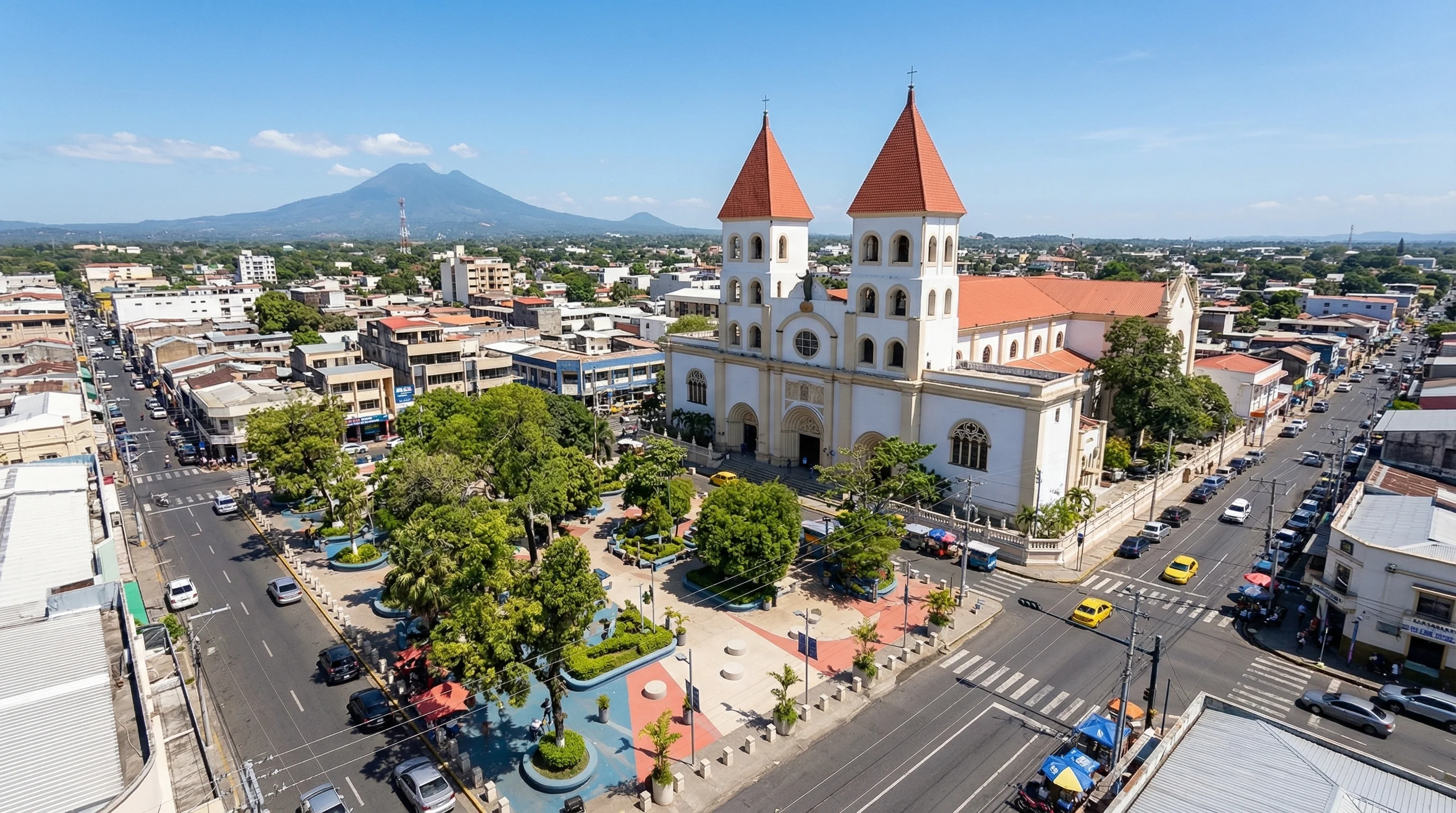 Origin
San Miguel
San Miguel, El Salvador, serves as a pivotal logistics origin point in Central America, strategically positioned near the borders with Guatemala and Honduras. This location provides direct access to the CA-1 highway, the region's principal north-south artery, enabling efficient connectivity to major Pacific ports like Acajutla and to the broader Central American road network. The city and its surrounding department are an economic powerhouse, driven by robust industrial activity. Key sectors include textiles and apparel manufacturing, which dominate the export landscape, alongside significant coffee and agricultural production. The area hosts numerous free zones and industrial parks, creating a steady demand for outbound full truckload freight. The available transportation infrastructure is well-suited for FTL operations, with established road corridors capable of handling high volumes of commercial traffic heading north toward Mexico and the United States.
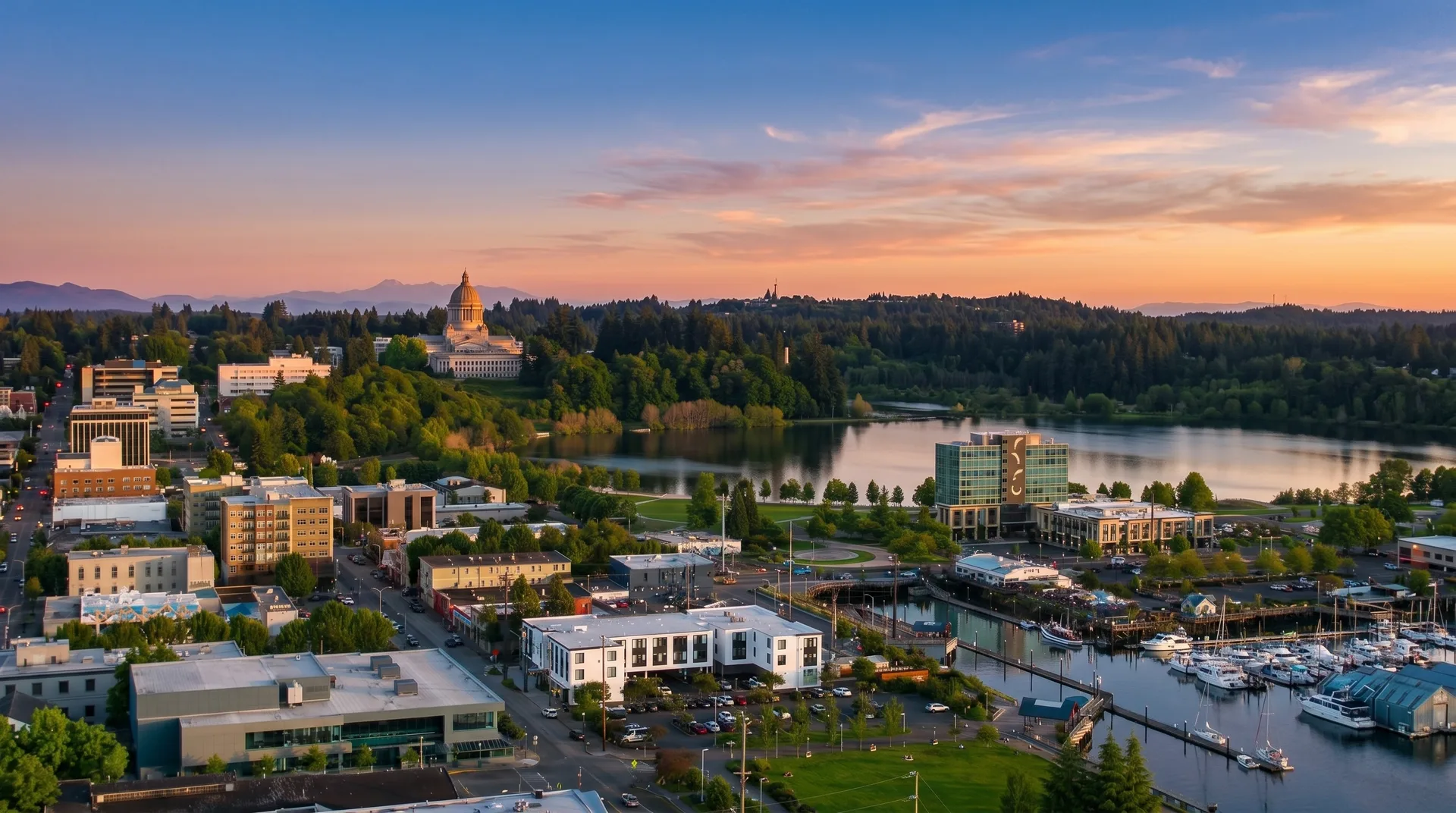 Destination
Olympia
Olympia, Washington, is a strategically important logistics destination in the Pacific Northwest, acting as a key hub for government, manufacturing, and timber industries. As the state capital, it supports a significant volume of freight related to government contracts and services. Its location on the southern end of Puget Sound provides proximity to major marine ports, including the Port of Olympia and the larger Seattle-Tacoma complex, facilitating seamless intermodal transfers. The city is deeply connected to the critical I-5 corridor, the primary freight route on the West Coast, offering direct highway access to markets in Washington, Oregon, and California. Major industries generating inbound freight demand include government and defense contracting, wood products and lumber, specialty manufacturing, and agriculture (particularly dairy and berries). The infrastructure supports diverse equipment types, from standard dry vans to flatbeds for construction materials, making it a versatile endpoint for full truckload shipments from across the continent.










