
San Miguel to Celaya
Celaya → San MiguelFTL freight transportation service between San Miguel and Celaya. Reliable logistics solutions for your business.
Route Description
Everything you need to know about the corridor San Miguel - Celaya
The San Miguel to Celaya corridor represents a critical trade artery connecting Central America with Mexico's industrial heartland. Spanning approximately 1,554 kilometers, this cross-border route facilitates the movement of goods between El Salvador's key production zones and the dynamic Bajío region of Guanajuato. Its strategic importance lies in bridging Central American supply chains with one of Mexico's most significant manufacturing hubs, supporting regional economic integration and just-in-time production requirements. The corridor's efficiency is vital for industries that rely on predictable, reliable full truckload (FTL) transportation to maintain their supply chain velocity.
Economically, this route services a diverse industrial landscape. In San Miguel, sectors such as textiles, food processing, and agricultural exports (notably coffee and sugar) drive demand. Conversely, Celaya and the surrounding Bajío region are renowned for automotive manufacturing, aerospace components, and food processing (particularly dairy and meat products). The flow typically involves raw materials and intermediate goods heading north to feed Mexican factories, and finished products moving south to Central American markets. This bi-directional trade underscores the corridor's role in supporting both export-oriented and import-dependent industries across the region.
Infrastructure-wise, the journey traverses the Pan-American Highway system, leveraging major routes like Guatemala's CA-1 and Mexico's Federal Highway 190 before connecting to the high-capacity toll roads (e.g., 57D) that lead into the Bajío. The primary border crossing is between Guatemala and Mexico at Tecún Umán / Ciudad Hidalgo, a bustling point that requires meticulous customs compliance. Navigating these international boundaries demands expertise in documentation, duties, and regulatory frameworks, including compliance with programs like C-TPAT and FAST to expedite clearance. Control Terrestre's network of certified providers is specifically equipped to manage these complexities, ensuring seamless transitions at the border.
We facilitate operations on this corridor by providing dedicated, cross-border FTL services tailored to its unique demands. Our alliance of providers holds essential certifications (C-TPAT, FAST, BASC) that streamline customs procedures and enhance security. We manage the entire door-to-door process, from pickup in San Miguel to delivery in Celaya, including all necessary documentation and coordination at the Guatemala-Mexico border. This allows our clients to focus on their core operations while we handle the logistical intricacies of this international route, offering reliability without compromising on the specialized handling required for diverse cargo types.
Services for this Route
Available services for the corridor San Miguel - Celaya
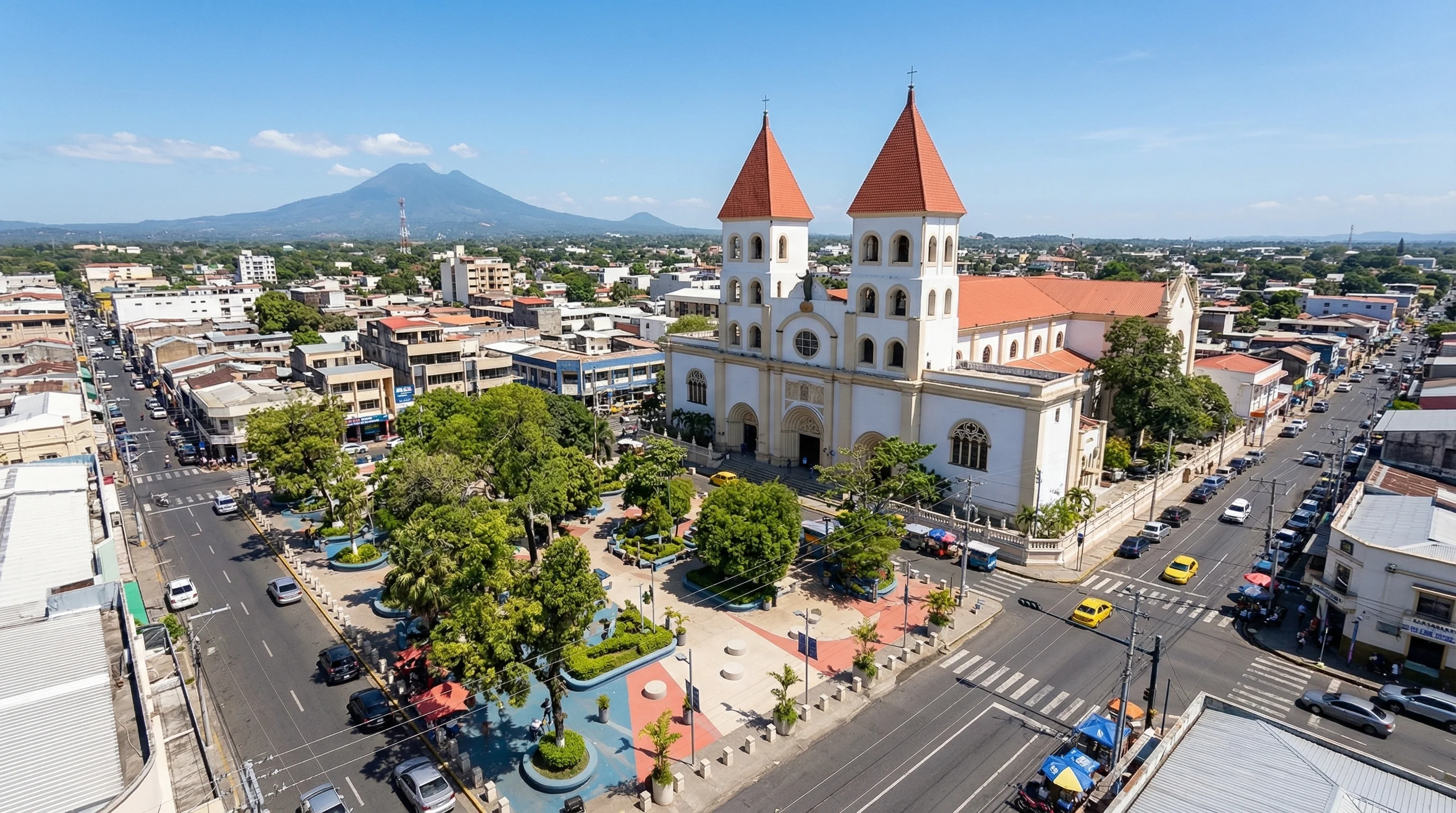 Origin
San Miguel
San Miguel, El Salvador, serves as a pivotal logistics gateway in eastern Central America. Strategically positioned, it is well-connected via the Pan-American Highway (CA-1) to major ports on the Pacific coast (like Acajutla) and to border crossings with Honduras and, via the capital, to Guatemala. This connectivity makes it a natural consolidation point for goods destined for Mexico and beyond. The city's economy is anchored by robust manufacturing, particularly in textiles and apparel, alongside significant food processing industries that handle local agricultural outputs such as coffee, sugar, and grains. These sectors generate consistent demand for outbound freight transportation. The available infrastructure includes a network of paved highways and established warehousing facilities, supporting efficient loading and dispatch of full truckloads. As a key economic center, San Miguel's role as an origin point is defined by its production capacity and its access to regional transit corridors that feed into the North American supply chain.
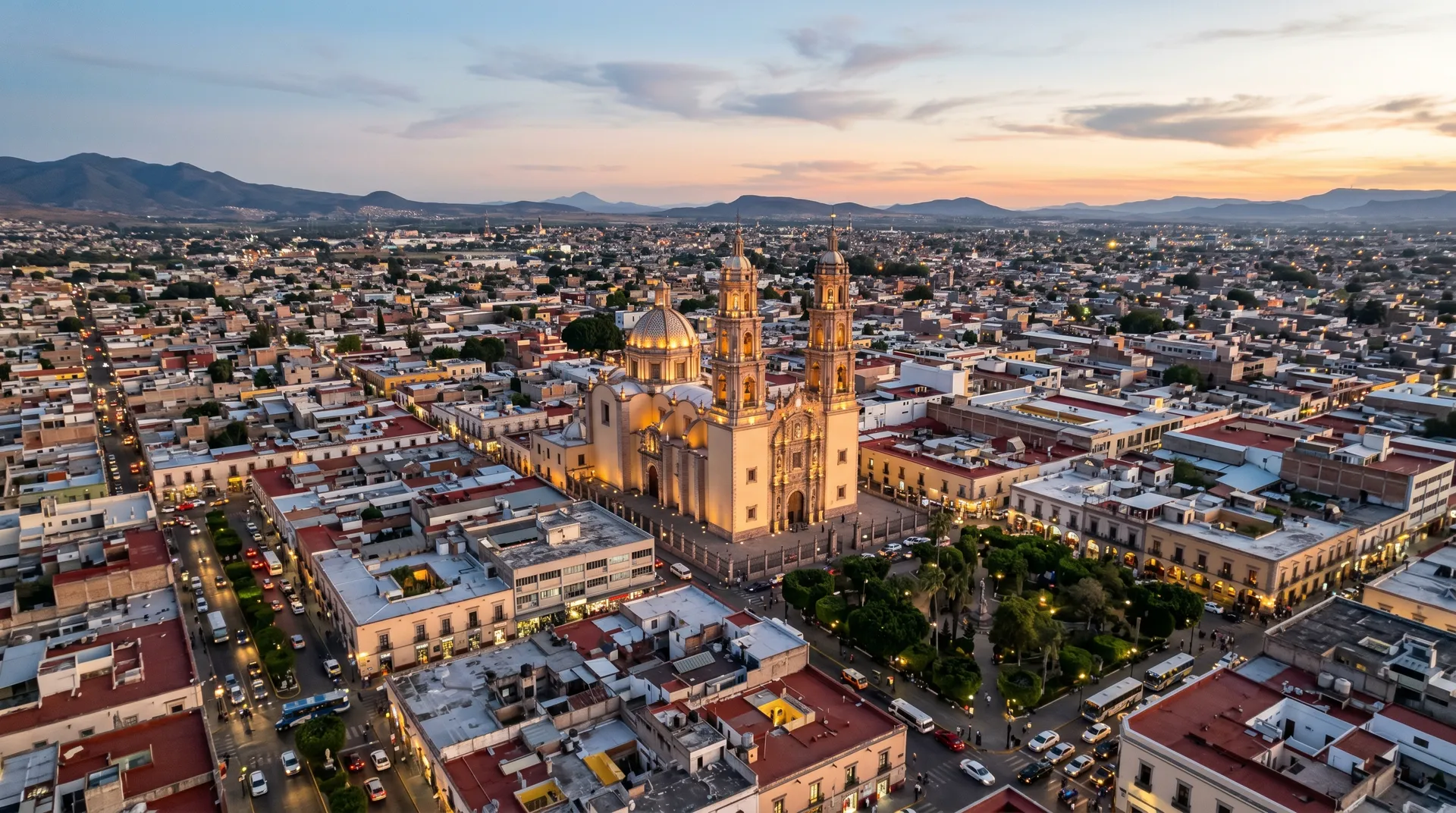 Destination
Celaya
Celaya, located in the state of Guanajuato, is a cornerstone of Mexico's industrial Bajío region, offering exceptional strategic value for logistics. Its central position provides direct access to major markets: it is within reach of Mexico City, Monterrey, and the U.S. border via a dense network of federal highways, including the critical Mexican Federal Highway 45 and the Pan-American Highway. This connectivity enables efficient distribution across Mexico and into the United States. Economically, Celaya is dominated by advanced manufacturing, most notably the automotive industry with major plants from global OEMs and suppliers. Complementing this is a strong food processing sector, famous for dairy and meat products, along with growing aerospace and electronics manufacturing. The city boasts modern industrial parks, ample distribution centers, and infrastructure that supports high-volume FTL operations, making it a magnet for inbound raw materials and outbound finished goods. Its mature logistics ecosystem ensures that cargo arriving from corridors like San Miguel can be quickly integrated into local supply chains or transshipped onward.










