
San Miguel to Boise
Boise → San MiguelFTL freight transportation service between San Miguel and Boise. Reliable logistics solutions for your business.
Route Description
Everything you need to know about the corridor San Miguel - Boise
The logistics corridor connecting San Miguel, El Salvador, to Boise, Idaho, represents a vital cross-border transportation route spanning approximately 4,284 kilometers. This corridor serves as a crucial link between Central America's growing industrial base and the United States' distribution networks in the Pacific Northwest. The route traverses multiple countries and requires seamless coordination across international borders, making it an ideal solution for companies seeking comprehensive freight transportation between these regions.
This corridor facilitates the movement of diverse cargo types, from agricultural products and manufactured goods to specialized equipment and industrial materials. The journey crosses through Mexico's extensive highway network before entering the United States through established border crossings. Key transportation infrastructure includes Mexico's Federal Highway 85 and the United States' Interstate systems, providing reliable connectivity throughout the journey. The route's strategic importance continues to grow as trade relationships strengthen between Central American nations and the United States.
Control Terrestre specializes in managing the complexities of this cross-border corridor, offering full truckload (FTL) services that ensure your cargo moves efficiently from origin to destination. Our expertise includes handling customs documentation, coordinating with certified transportation providers, and maintaining compliance with all international shipping regulations. We provide door-to-door service, ensuring your freight arrives safely in Boise while you maintain visibility throughout the entire journey.
Services for this Route
Available services for the corridor San Miguel - Boise
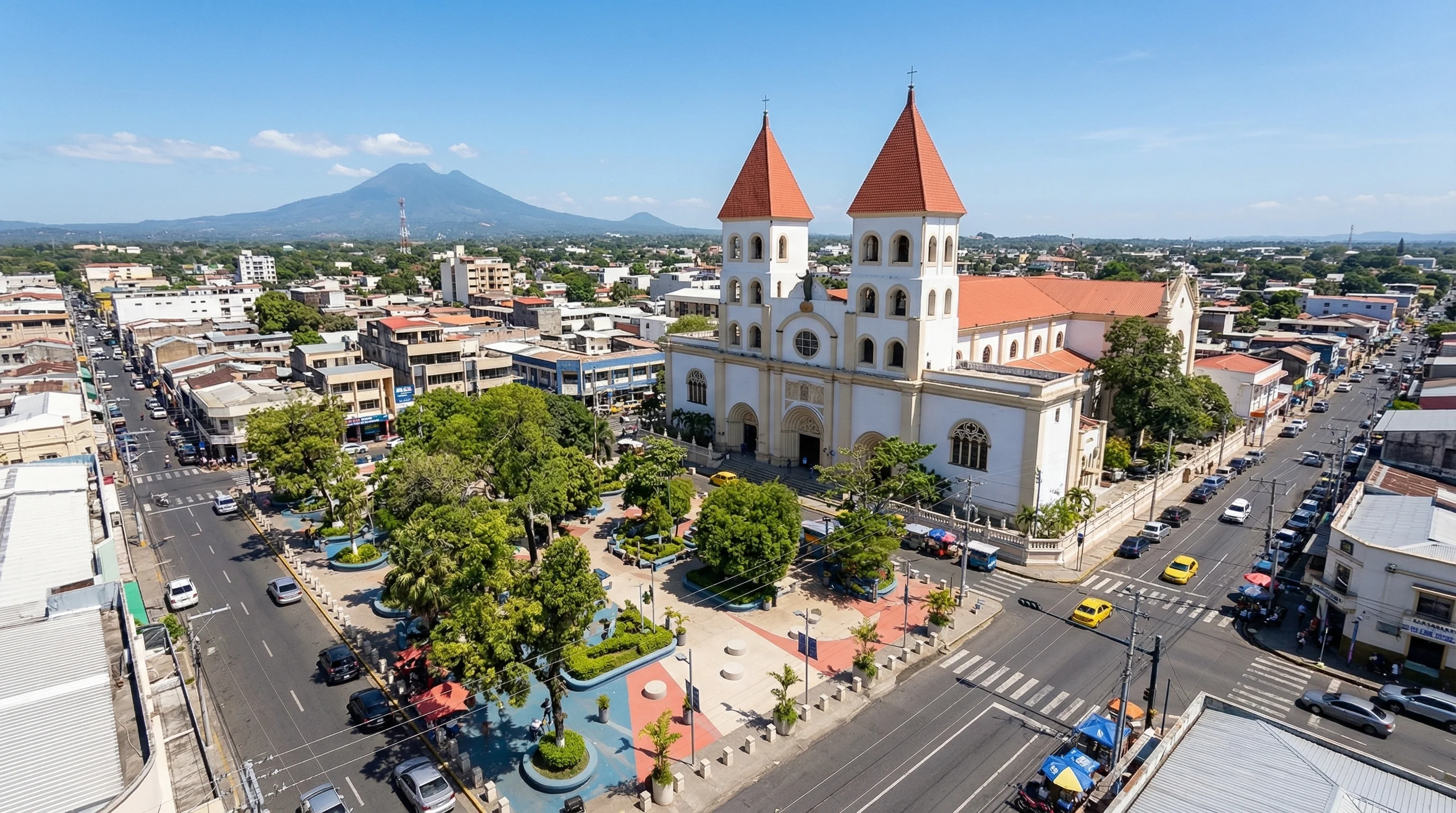 Origin
San Miguel
San Miguel, located on El Salvador's eastern coast, serves as a strategic gateway for international trade in Central America. The city benefits from its proximity to major ports and transportation routes, making it an ideal origin point for cross-border freight shipments. San Miguel's economy is diverse, with strong manufacturing, agricultural, and industrial sectors producing goods ranging from textiles and electronics to processed foods and beverages. The region's growing export industry creates consistent demand for reliable freight transportation services to North American markets.
The city's transportation infrastructure includes access to the Port of La Unión, regional highways connecting to the Pan-American Highway, and proximity to El Salvador's main transportation corridors. These connections facilitate efficient movement of cargo to border crossings with Guatemala and onward to Mexico and the United States. San Miguel's strategic coastal location also provides options for intermodal transportation, combining sea and land freight for cost-effective shipping solutions.
 Destination
Boise
Boise, Idaho, serves as a strategic logistics hub in the northwestern United States, offering excellent connectivity to major markets across the region. The city's location provides access to Interstate 84, connecting to Portland, Seattle, and Salt Lake City, making it an ideal distribution center for companies serving the Pacific Northwest and beyond. Boise's growing economy encompasses technology, agriculture, manufacturing, and retail sectors, creating consistent demand for inbound freight transportation from international sources.
The region's transportation infrastructure includes multiple interstate highways, rail connections, and proximity to major air cargo facilities. Boise's industrial parks and warehousing facilities provide excellent options for distribution and storage upon cargo arrival. The city's strategic position allows for efficient last-mile delivery throughout Idaho and neighboring states, making it an attractive destination for companies establishing supply chain networks in the western United States.










