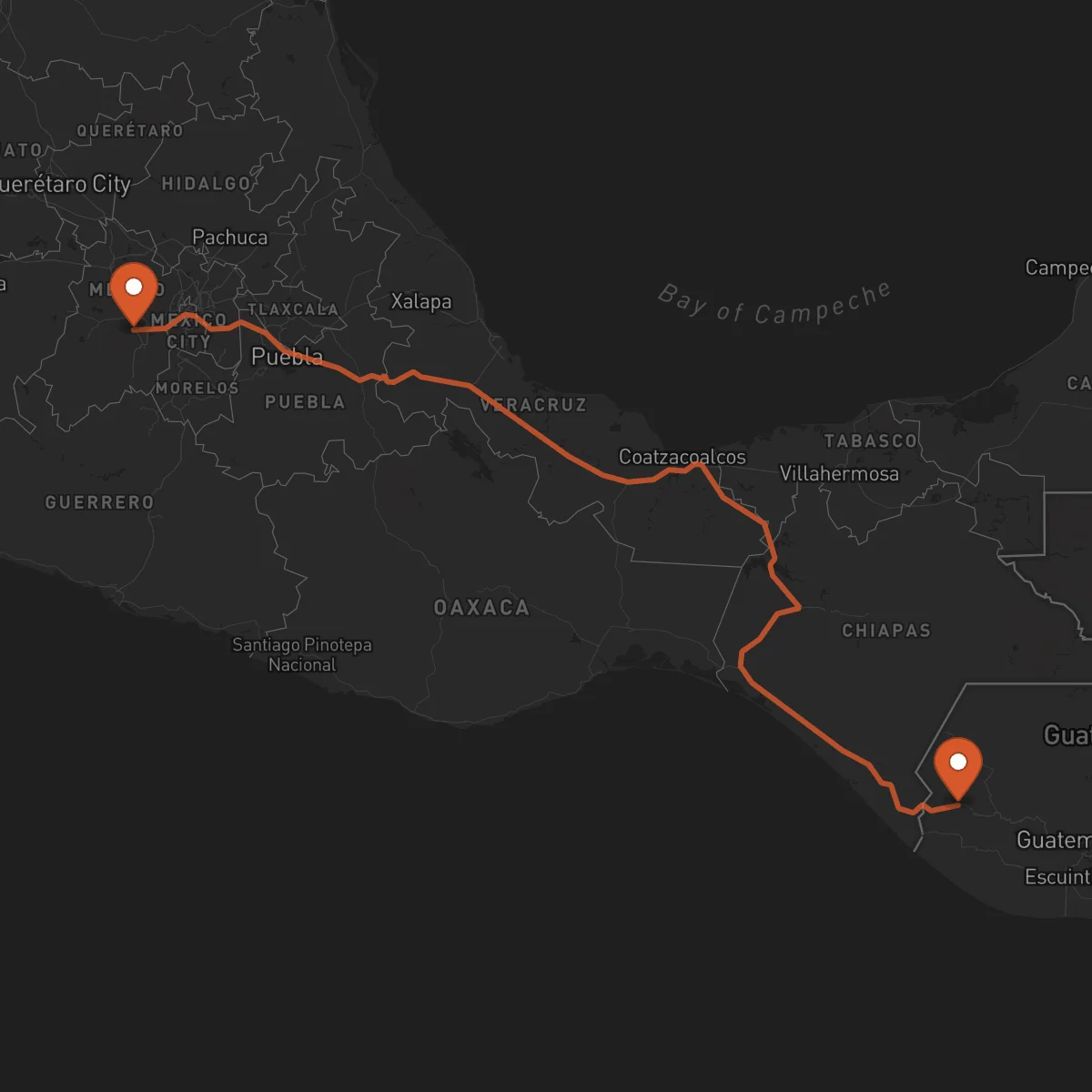
San Marcos to Toluca
Toluca → San MarcosFTL freight transportation service between San Marcos and Toluca. Reliable logistics solutions for your business.
Route Description
Everything you need to know about the corridor San Marcos - Toluca
The San Marcos, Guatemala to Toluca, México corridor is a critical cross-border artery connecting Central America's productive regions with one of Mexico's most significant industrial and consumer markets. Strategically, it bridges the Pacific coast of Guatemala with the heart of the State of México, facilitating the flow of goods under trade frameworks like USMCA. This route is vital for industries that rely on efficient north-south connectivity, including automotive, agriculture, textiles, and manufactured goods. Economically, it supports the vibrant manufacturing sector around Toluca—home to major automotive plants and industrial parks—and the agricultural export zones of southern Guatemala. The primary infrastructure relies on Guatemala's CA-1 highway to the border at Tecún Umán/El Carmen, crossing into México via the Suchiate River bridge. After customs clearance, the journey continues on México's Federal Highway 15, a major north-south thoroughfare leading directly to the Toluca valley. Key border considerations involve compliance with C-TPAT and FAST certifications for expedited clearance, which we manage through our provider network. At Control Terrestre, we leverage our strategic alliance of certified carriers to offer seamless Full Truckload (FTL) solutions on this corridor. Our expertise in cross-border documentation, customs coordination, and access to diverse equipment—from dry vans to flatbeds—ensures your cargo moves efficiently, whether it's dedicated, expedited, or specialized freight. We handle the complexities, providing a human and green logistics experience from door to door.
Services for this Route
Available services for the corridor San Marcos - Toluca
 Origin
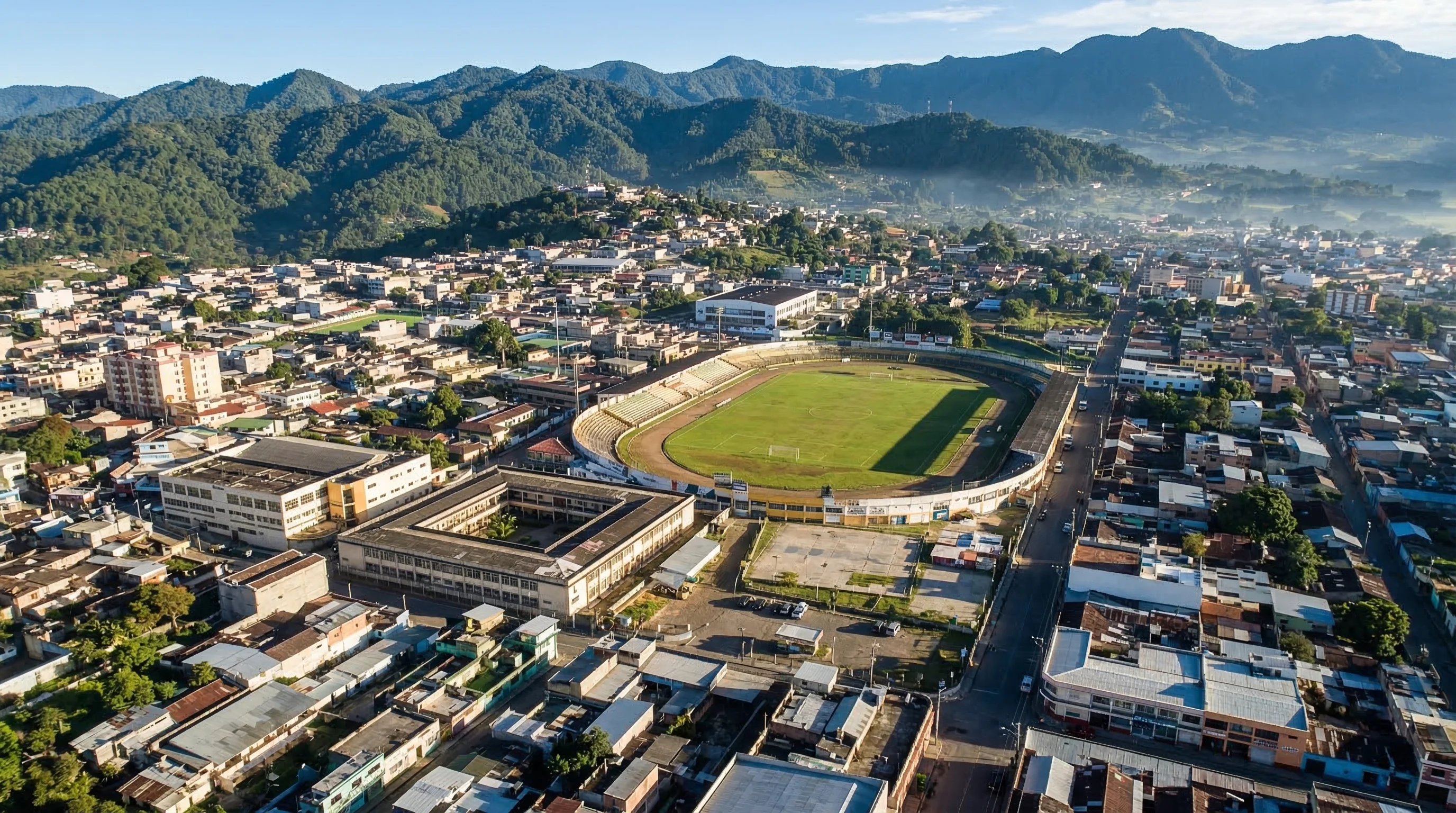
San Marcos
San Marcos, located in southwestern Guatemala along the Pacific coast, serves as a strategic Pacific gateway for Central American logistics. Its proximity to the border with México and access to the port of Puerto Quetzal make it a pivotal hub for international trade. The region's economy is driven by high-value agriculture, including coffee, bananas, and sugar cane, alongside a robust textile and apparel manufacturing sector. These industries generate significant freight demand for both export and domestic distribution. The transportation infrastructure is anchored by the CA-1 highway, which provides a direct link from San Marcos through to the primary border crossing at Tecún Umán. This highway connects the city to major production zones and the port, facilitating the consolidation of goods for cross-border movement. As an origin point, San Marcos benefits from its position within Guatemala's productive southern corridor, making it an ideal launchpad for FTL shipments destined for México's industrial centers.
 Destination
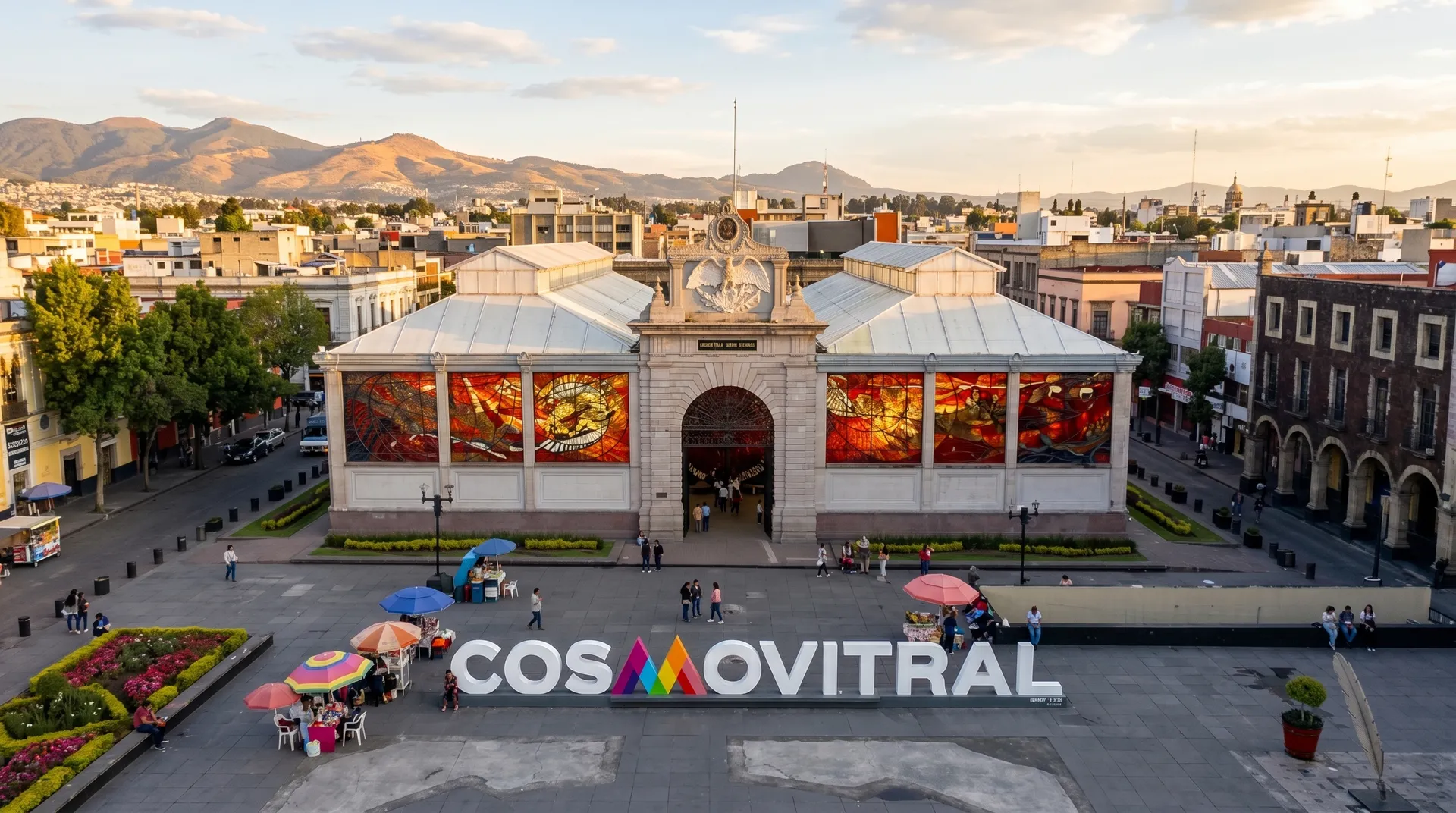
Toluca
Toluca, the capital of the State of México, is a major industrial and logistical hub strategically positioned just west of Mexico City. Its economy is dominated by advanced manufacturing, particularly the automotive industry with plants from Nissan, General Motors, and others, alongside significant food and beverage processing, pharmaceuticals, and electronics. This industrial concentration creates consistent high-volume demand for inbound raw materials and outbound finished goods. The city is a critical logistics node with excellent infrastructure, including direct access to Federal Highway 15, which connects it to México's interior and northern border crossings. It is also served by Mexico City International Airport (AICM) for multimodal options and is surrounded by expansive logistics parks and distribution centers. Toluca's location within the crowded Mexico City metropolitan area makes efficient, dedicated FTL transportation essential for supply chains serving this market. As a destination, it represents a high-value endpoint where reliable, specialized freight services are crucial for just-in-time manufacturing and distribution.










