
San Marcos to Raleigh
Raleigh → San MarcosFTL freight transportation service between San Marcos and Raleigh. Reliable logistics solutions for your business.
Route Description
Everything you need to know about the corridor San Marcos - Raleigh
The San Marcos to Raleigh corridor represents a vital logistics connection between Guatemala and the southeastern United States. This 2,660 km cross-border route serves as a strategic bridge for trade between Central America and the US East Coast, facilitating the movement of diverse cargo types across international borders. The corridor leverages Guatemala's Pacific port access and North Carolina's robust inland distribution network, creating an efficient supply chain solution for businesses operating in both regions.
The economic significance of this route is underscored by the strong manufacturing and agricultural sectors in Guatemala's San Marcos region, which export products ranging from textiles and apparel to fresh produce and processed foods. Raleigh, as a major technology and research hub in North Carolina, receives these imports while also serving as a distribution center for goods destined for the broader southeastern US market. The corridor supports industries including automotive, electronics, pharmaceuticals, and consumer goods, making it a versatile trade artery.
Key transportation infrastructure along this corridor includes Guatemala's CA-1 highway connecting San Marcos to the Mexican border, Mexico's Federal Highway 190, and the US interstate system including I-40 and I-85 leading into Raleigh. The corridor typically crosses at major border points such as Ciudad Hidalgo/Mexicali or Ciudad Cuauhtémoc/Laredo, where Control Terrestre's C-TPAT and FAST-certified partners ensure smooth customs clearance. Our expertise in cross-border documentation, compliance with USMCA regulations, and coordination with customs brokers makes us the ideal partner for navigating this complex international route.
Services for this Route
Available services for the corridor San Marcos - Raleigh
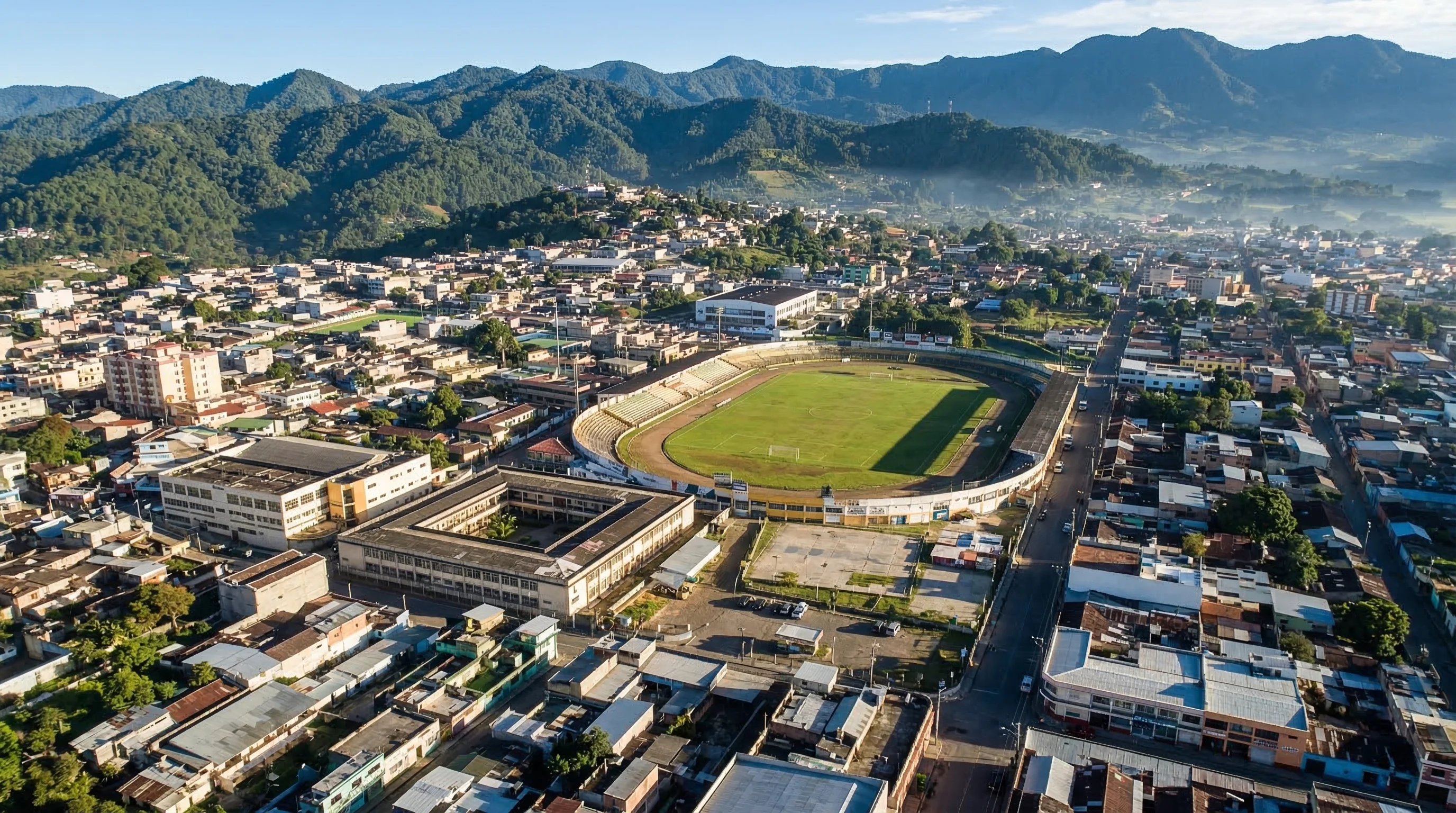 Origin
San Marcos
San Marcos, located in western Guatemala near the Mexican border, serves as a strategic logistics hub with excellent connectivity to both Pacific ports and inland markets. The region's proximity to the border facilitates efficient cross-docking operations and transloading services for cargo moving between Central America and North America. San Marcos benefits from Guatemala's Pacific port network, particularly Puerto Quetzal, which handles significant cargo volumes for both import and export activities.
The economic base of San Marcos includes a strong manufacturing sector focused on textiles, apparel, and light manufacturing, alongside agricultural production of coffee, sugarcane, and various fruits. The region has developed industrial parks and free trade zone facilities that cater to export-oriented businesses. Transportation infrastructure includes well-maintained highways connecting to Guatemala City and the Mexican border, with the CA-1 Pan-American Highway providing direct access to major trade routes.
 Destination
Raleigh
Raleigh, North Carolina, stands as a strategic logistics center in the US Southeast, offering excellent connectivity through multiple transportation modes. The city's location provides access to major interstate highways including I-40, I-85, and I-95, facilitating efficient distribution throughout the eastern United States. Raleigh's proximity to the Port of Wilmington and access to rail services through Norfolk Southern and CSX Transportation make it an ideal inland distribution hub.
The Raleigh metropolitan area is part of North Carolina's Research Triangle, a major technology and research center that drives demand for specialized logistics services. The region's economy encompasses technology, pharmaceuticals, biotechnology, and advanced manufacturing sectors, creating diverse freight transportation needs. Raleigh's infrastructure includes modern warehousing facilities, intermodal yards, and a skilled logistics workforce, supporting complex supply chain operations for businesses serving both regional and national markets.










