San Marcos to Olympia
Olympia → San MarcosFTL freight transportation service between San Marcos and Olympia. Reliable logistics solutions for your business.
Route Description
Everything you need to know about the corridor San Marcos - Olympia
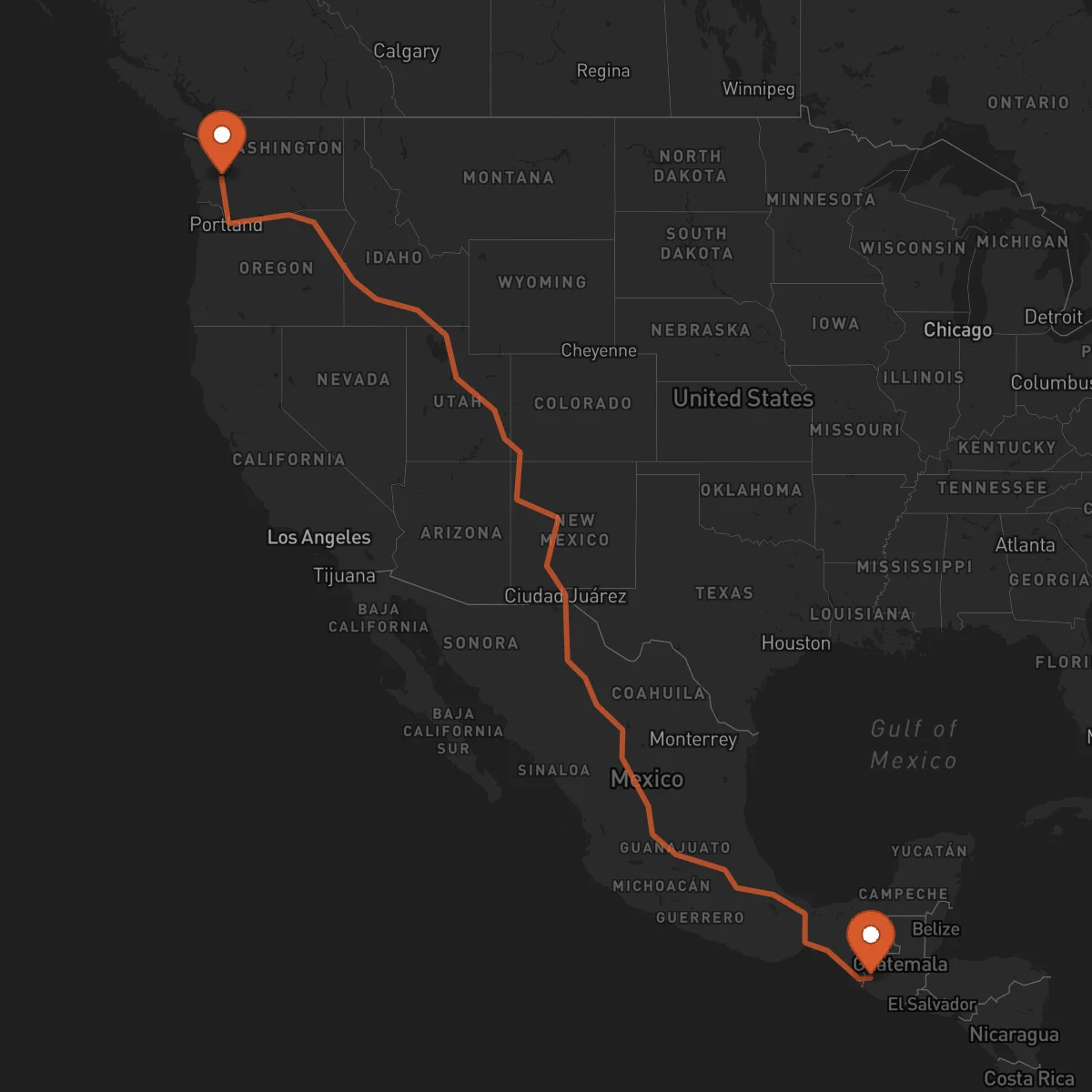
The San Marcos, Guatemala to Olympia, Washington corridor represents a critical North American supply chain link, connecting Central American production with the Pacific Northwest market. This cross-border route facilitates the movement of goods across diverse economic landscapes, from Guatemala's agricultural heartland to Washington's technology and trade hubs. Strategically, it provides a direct conduit for exports heading north and imports flowing south, underpinning bilateral trade and supporting regional industrial growth.
Economically, the corridor bridges Guatemala's key sectors—coffee, sugar, textiles, and fresh produce—with Washington State's demand for raw materials and consumer goods. Olympia, as the state capital, sits within a region known for timber, agriculture, and government contracting, creating consistent freight needs. The route’s significance is amplified by its role in moving specialized cargo, including refrigerated goods and oversized equipment, which are essential for both agricultural cycles and industrial projects.
Transportation infrastructure relies on a network of major highways. The journey begins on Guatemala's CA-1, transitioning through Mexico via routes like the Pan-American Highway (MX-190/200) before entering the U.S. at a designated port of entry. In the U.S., Interstate 5 (I-5) serves as the primary artery, providing a direct, efficient path through California, Oregon, and into Washington state to Olympia. Key border crossings, such as those between Guatemala and Mexico (e.g., El Ceibo/Tecún Umán) and the U.S.-Mexico border (e.g., El Paso/Ciudad Juárez or other strategic points), are pivotal nodes where customs clearance must be expertly managed.
Control Terrestre facilitates seamless operations on this corridor through our robust alliance of certified transportation providers. Our expertise in cross-border freight ensures compliance with all customs regulations, leveraging our partners' C-TPAT, FAST, and BASC certifications to expedite clearance. We exclusively provide Full Truckload (FTL) solutions—dedicated, expedited, or specialized for oversized or refrigerated cargo—offering a single, coordinated point of contact for your entire supply chain from origin to destination. Our focus is on providing reliable, human-centric, and environmentally conscious transportation management for this complex international lane.
Services for this Route
Available services for the corridor San Marcos - Olympia
 Origin
San Marcos
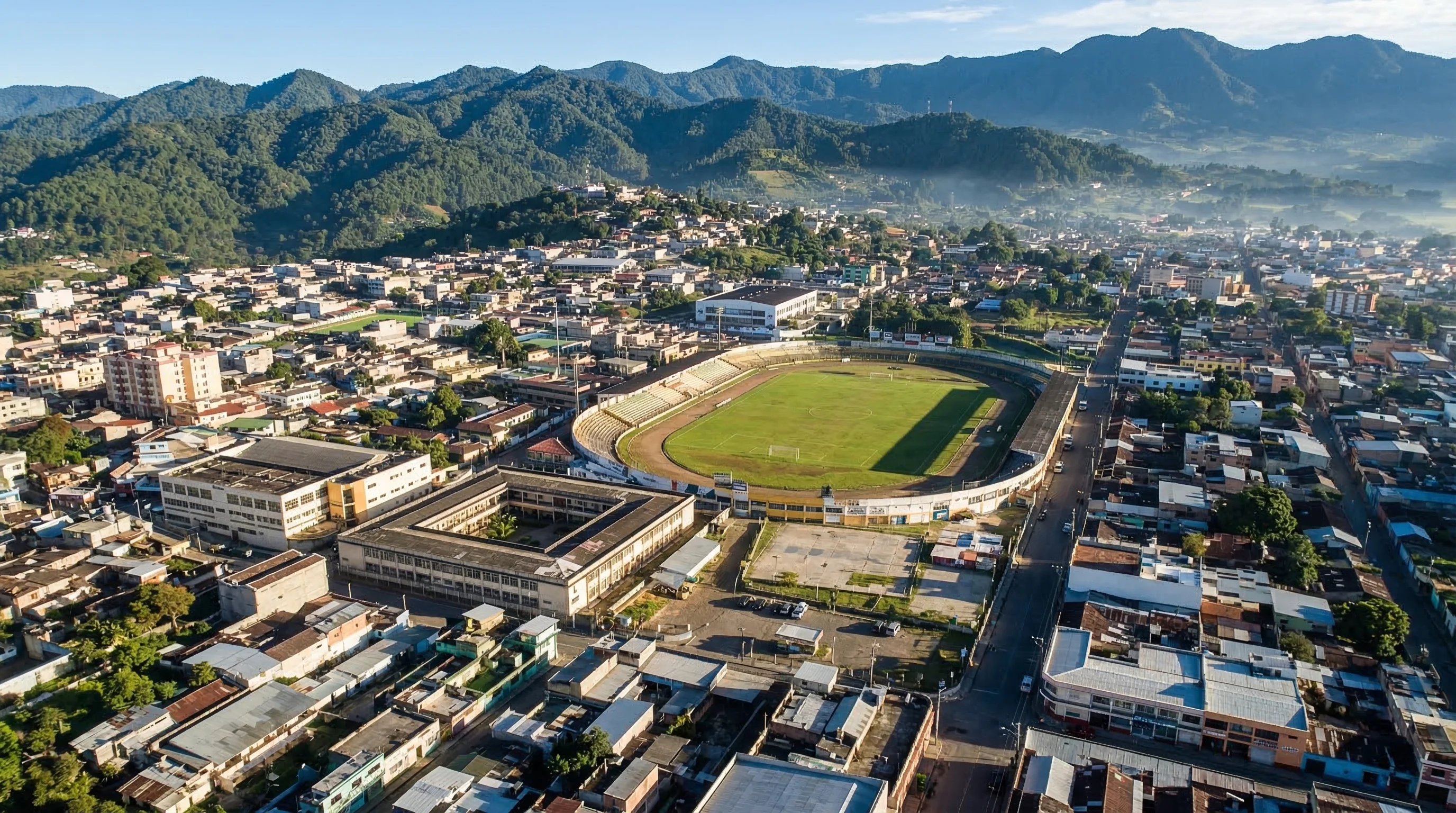
San Marcos, Guatemala, serves as a strategic southern gateway for logistics operations targeting Central America and its connection to North America. Located in the western highlands near the Pacific coast and the Mexican border, its position provides access to both local production zones and major transit routes. The city and surrounding department are economic powerhouses in agriculture, renowned globally for premium coffee, sugar cane, and a variety of fruits and vegetables. Additionally, textile manufacturing and light industry contribute significantly to the regional export economy.
The available transportation infrastructure is foundational for corridor operations. San Marcos is connected via the CA-1 highway (Carretera al Pacífico), which runs westward to the port of Champerico and eastward, linking to the Pan-American Highway system for northbound transit through Mexico. This network supports the movement of full truckloads from production facilities and warehouses to the international border. While rail infrastructure is limited in this specific region, the road network is the primary and robust freight corridor for FTL services heading north, making it a vital origin point for cross-border supply chains.
 Destination
Olympia
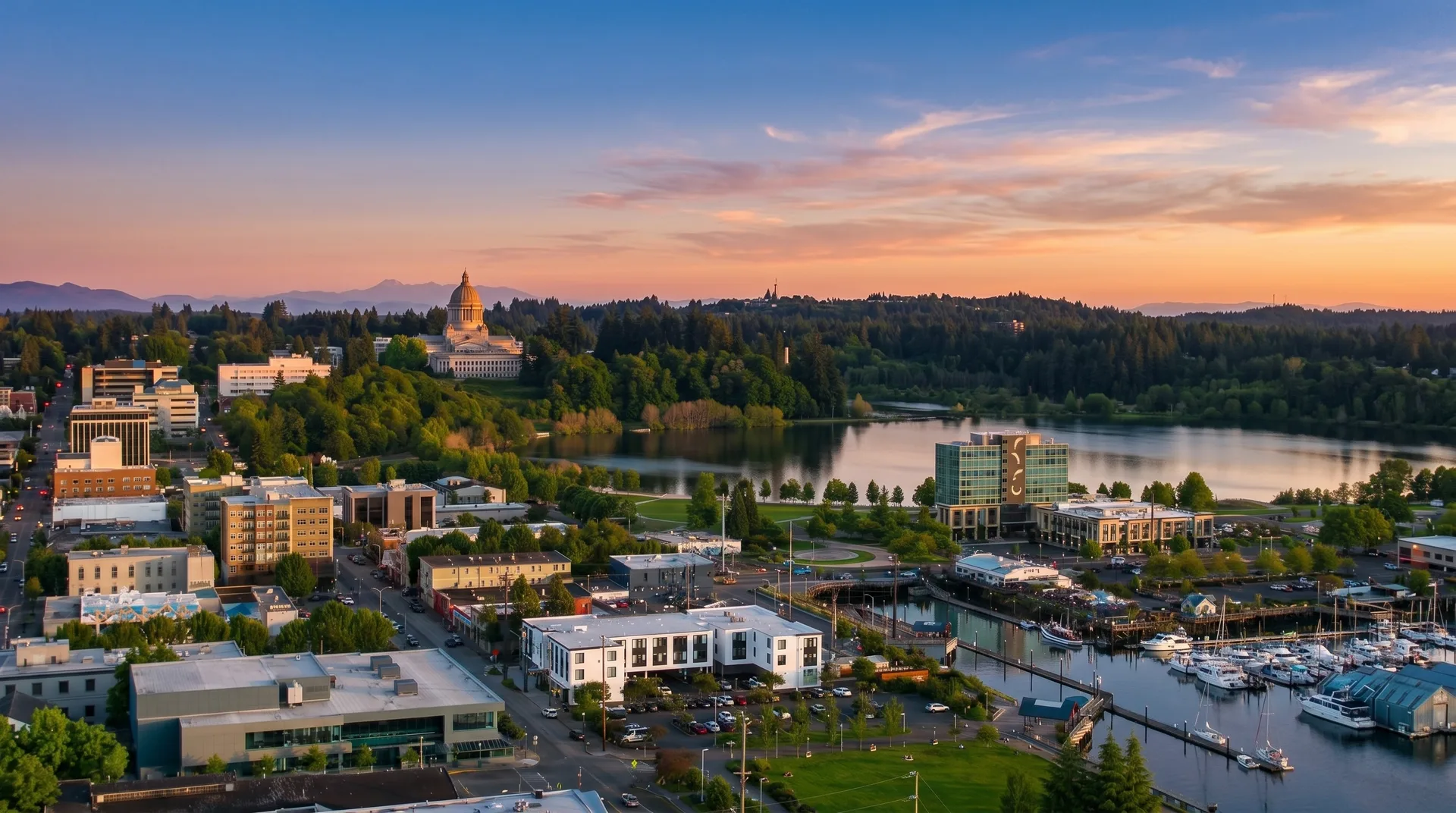
Olympia, Washington, is a strategically important logistics destination at the southern tip of Puget Sound. As the state capital, it anchors a diverse regional economy with strong ties to government services, healthcare, education, and a vibrant manufacturing sector, including aerospace and food processing. Its location provides unparalleled access to deep-water ports (like the Port of Olympia and nearby Seattle/Tacoma), major rail lines, and the Interstate 5 corridor, making it a multimodal distribution hub for the Pacific Northwest.
The city's economic drivers create steady demand for freight transportation. Key industries include timber and wood products, agriculture (dairy, berries, nursery stock), and government/military logistics. The infrastructure is highly developed: Interstate 5 (I-5) runs directly through Olympia, offering the primary north-south highway link from California through Oregon and Washington. This is complemented by Class I rail service (BNSF Railway) and port facilities that handle both domestic and international cargo, ensuring seamless transfer from long-haul trucking to final delivery or onward maritime shipment. This makes Olympia a efficient and accessible endpoint for FTL services on the corridor.










