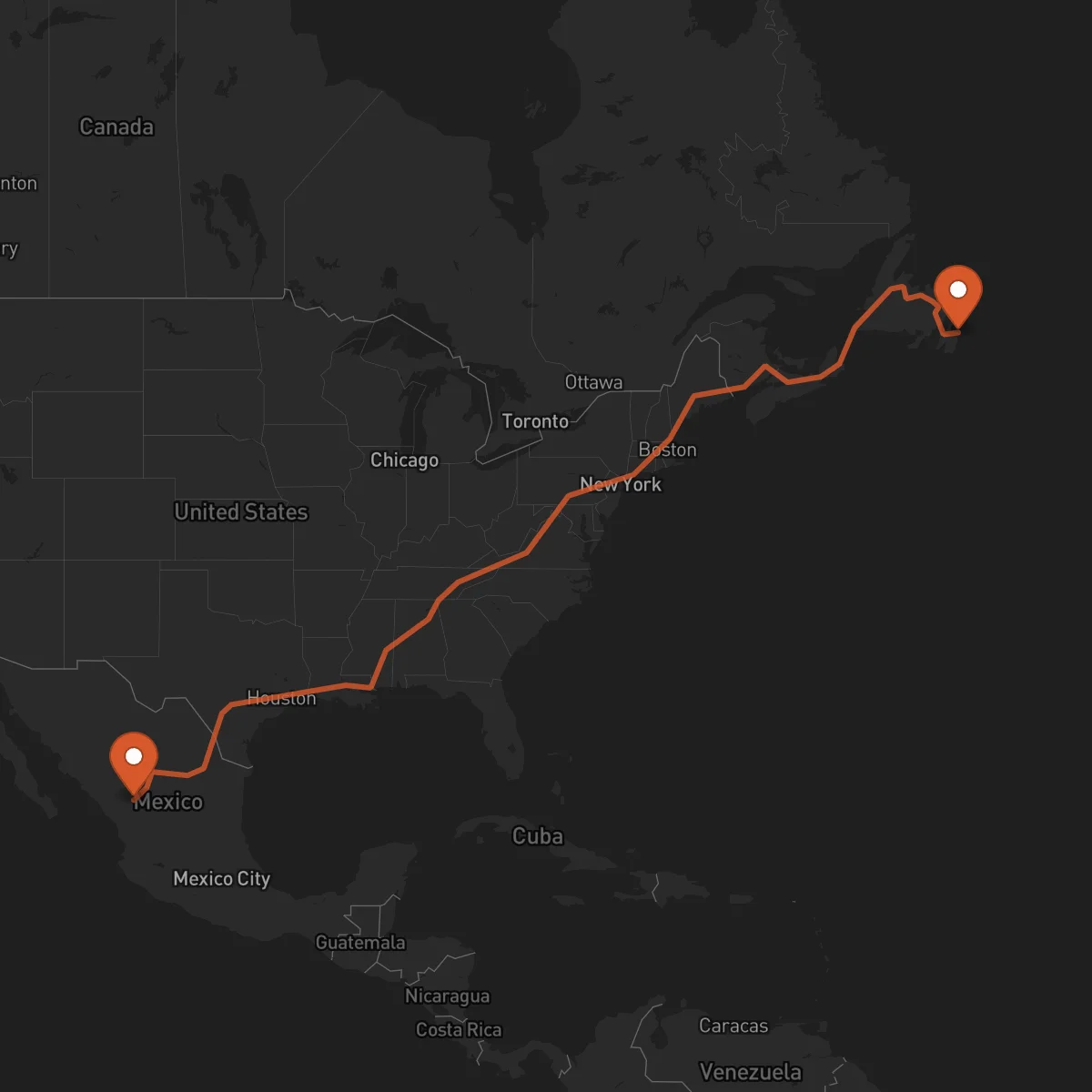
St. John's to Durango
Durango → St. John'sFTL freight transportation service between St. John's and Durango. Reliable logistics solutions for your business.
Route Description
Everything you need to know about the corridor St. John's - Durango
The logistics corridor connecting San Juan de Terranova (St. John's) to Durango represents a vital cross-border transportation route spanning approximately 5,238 kilometers across Canada and Mexico. This corridor serves as a strategic link between Atlantic Canada and northern Mexico, facilitating the movement of goods through diverse economic regions. The route traverses major urban centers and industrial zones, connecting the maritime economy of Newfoundland with the industrial heartland of Durango.
The transportation infrastructure along this corridor includes major highways such as the Trans-Canada Highway (Highway 1) through Newfoundland, connecting to Highway 401 through Ontario, and continuing through the United States before crossing into Mexico via key border crossings. The corridor passes through regions with significant manufacturing, mining, and agricultural activities, making it essential for industries including automotive parts, mining equipment, and industrial machinery.
Control Terrestre facilitates seamless operations on this corridor through our network of certified transportation providers, ensuring efficient cross-border movement of full truckload shipments. Our expertise in customs clearance and regulatory compliance helps navigate the complexities of international freight between Canada, the United States, and Mexico, providing reliable door-to-door service for businesses requiring dedicated transportation solutions between these regions.
Services for this Route
Available services for the corridor St. John's - Durango
 Origin
St. John's
San Juan de Terranova (St. John's), located on the eastern tip of Newfoundland, serves as a strategic maritime gateway for Atlantic Canada. As the capital city of Newfoundland and Labrador, it features a deep-water port that handles significant cargo volumes, including containerized freight, bulk commodities, and specialized equipment. The region's economy is anchored by offshore oil and gas operations, fisheries, and emerging technology sectors. The St. John's International Airport provides additional air cargo capabilities, while the road network connects to the provincial highway system. The Port of St. John's, with its ice-free harbor, operates year-round and serves as a critical link for international trade, particularly with European markets.
 Destination
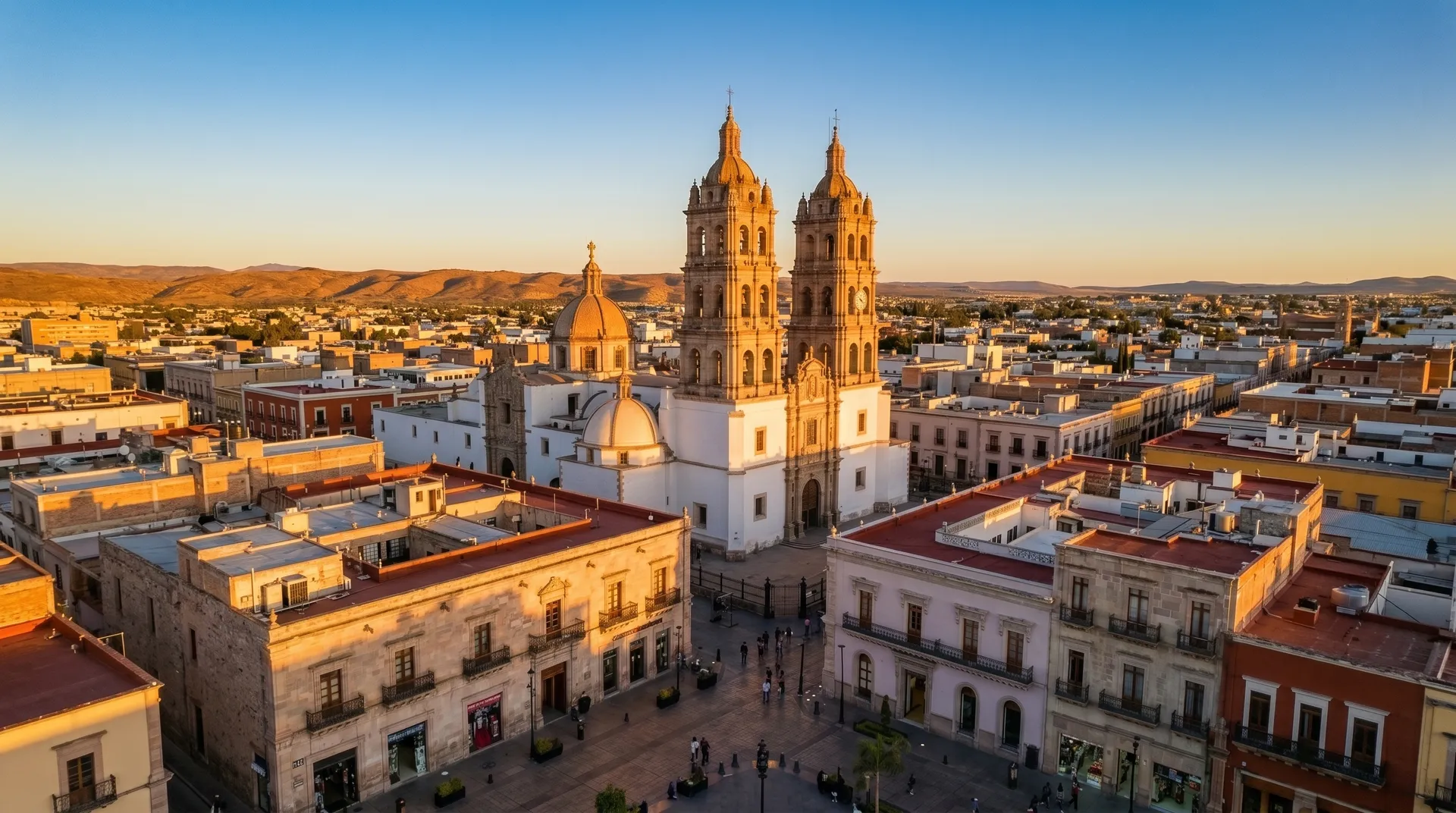
Durango, located in north-central Mexico, is strategically positioned within the country's industrial corridor. The city serves as an important logistics hub with connections to major Mexican ports and manufacturing centers. Durango's economy is diversified across mining, forestry, agriculture, and manufacturing sectors, with growing automotive and aerospace industries. The region benefits from its location along key transportation routes connecting to the United States and Pacific ports. Durango's transportation infrastructure includes access to major highways such as Highway 40 and connections to the national rail network, facilitating efficient distribution throughout Mexico and cross-border trade with North American partners.










