San José to Durango
Durango → San JoséFTL freight transportation service between San José and Durango. Reliable logistics solutions for your business.
Route Description
Everything you need to know about the corridor San José - Durango
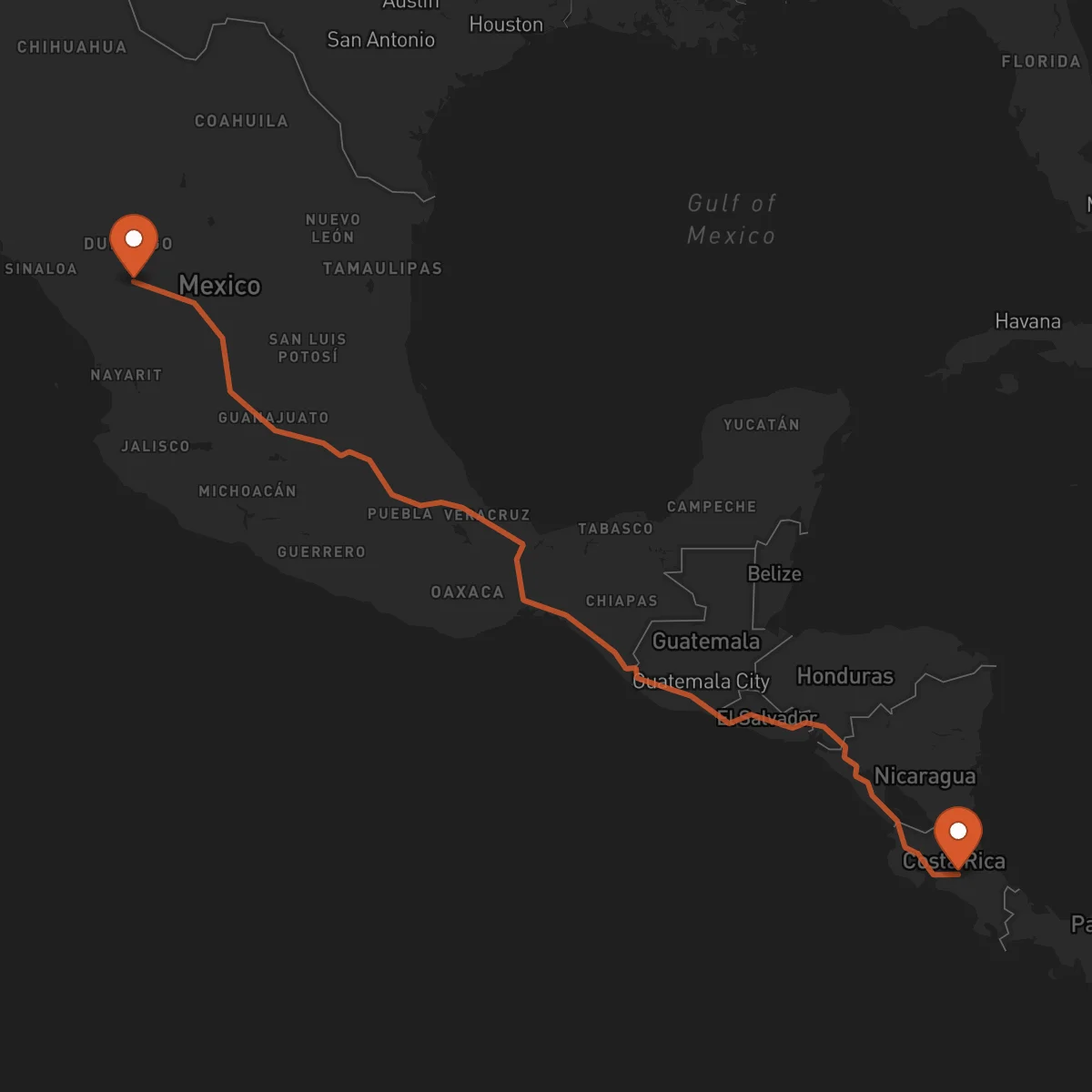
The San José, Costa Rica to Durango, México corridor represents a critical north-south logistics artery connecting the vibrant economies of Central America with the industrial heartland of northern Mexico. Spanning approximately 2,685 kilometers, this cross-border route is strategically vital for moving full truckload (FTL) cargo efficiently across multiple national borders. The corridor facilitates the flow of goods through Guatemala, El Salvador, and into Mexico, serving as a backbone for regional trade and supply chain integration. Its importance is underscored by the growing manufacturing and agricultural sectors that rely on timely, secure, and unimpeded ground transportation to reach key North American markets.
Economically, this corridor bridges diverse industrial zones. In Costa Rica, the high-tech and agricultural sectors generate export volumes, while Durango is a hub for mining, forestry, and manufacturing. The primary industries utilizing this route include agricultural commodities (coffee, tropical fruits), manufactured components, building materials, and industrial machinery. The transportation infrastructure is anchored by the Pan-American Highway (CA-1 in Central America, Fed-45 in Mexico), which forms the primary paved artery. Key Mexican federal highways like Fed-40 and Fed-45 provide crucial connectivity within the country's interior.
Navigating this corridor requires expert handling of complex border procedures. The principal international crossing is between Guatemala and Mexico at Ciudad Hidalgo/Tecún Umán, a major customs point. Each country along the route has distinct customs regulations, documentation requirements (such as the Mexican 'Pedimento'), and safety protocols. Delays at these crossings can significantly impact supply chain velocity. Control Terrestre facilitates seamless operations on this corridor through our robust alliance of vetted transportation providers. Our partners hold essential certifications like C-TPAT, FAST, and BASC, which streamline customs processes and enhance security. We manage the entire cross-border complexity—from documentation coordination to carrier selection—ensuring your dedicated FTL shipment moves efficiently from origin to destination without compromising on our human and green operational standards.
Services for this Route
Available services for the corridor San José - Durango
 Origin
San José
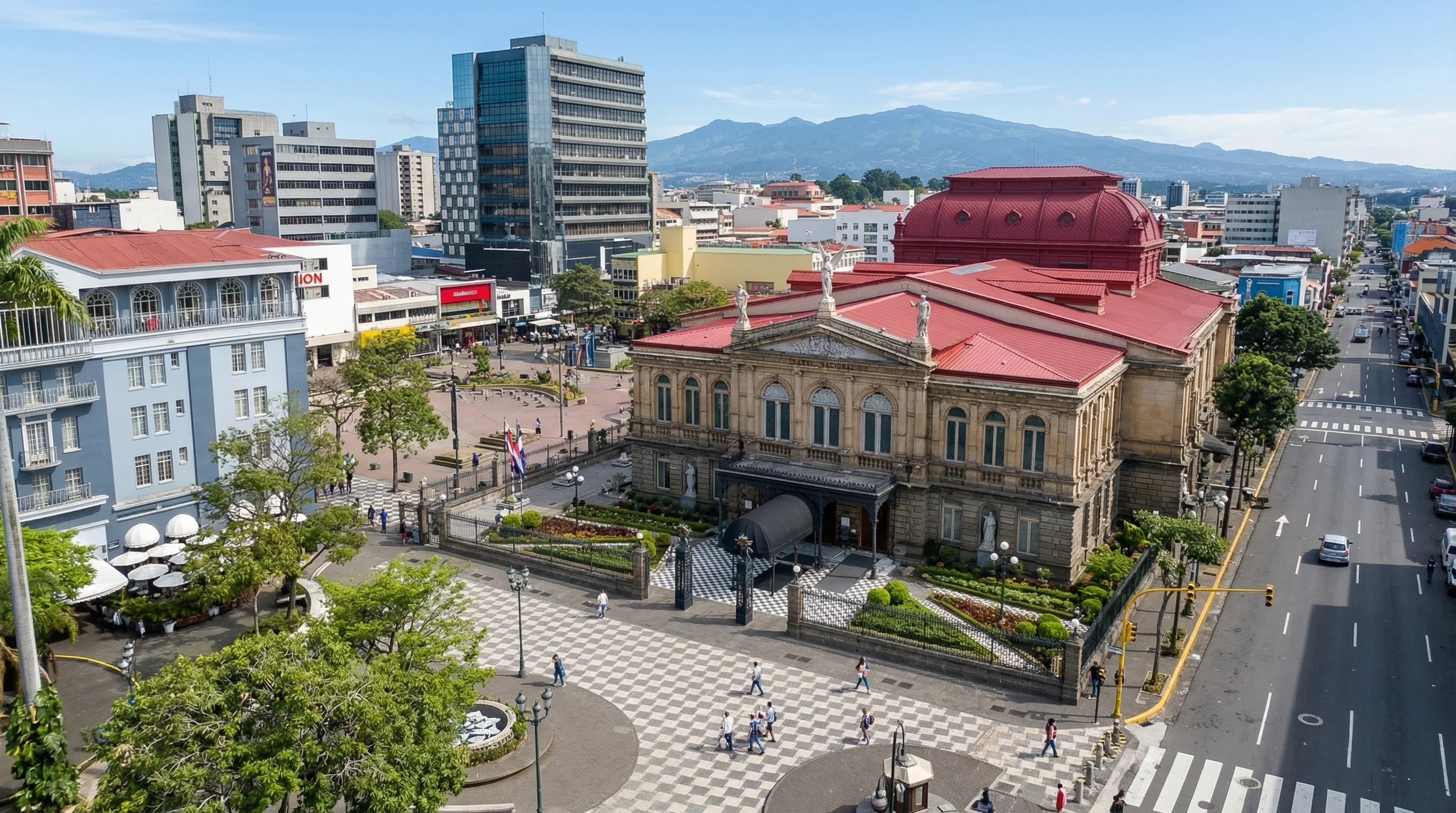
San José, the capital of Costa Rica, serves as a pivotal logistics gateway for Central America, strategically positioned with excellent connectivity to the Pan-American Highway (CA-1). This allows for efficient northbound movement from the country's primary production and industrial zones. The city's economy is driven by high-value technology and electronics manufacturing, pharmaceuticals, and a robust agricultural sector that exports coffee, pineapples, and other tropical produce. Its infrastructure includes the Juan Santamaría International Airport for air cargo and a network of well-maintained roads that funnel goods toward the Nicaraguan border. For FTL freight, San José functions as a key consolidation and dispatch point, leveraging its status as a stable, business-friendly hub with advanced logistics services to connect Costa Rican exports to the wider North American market.
 Destination
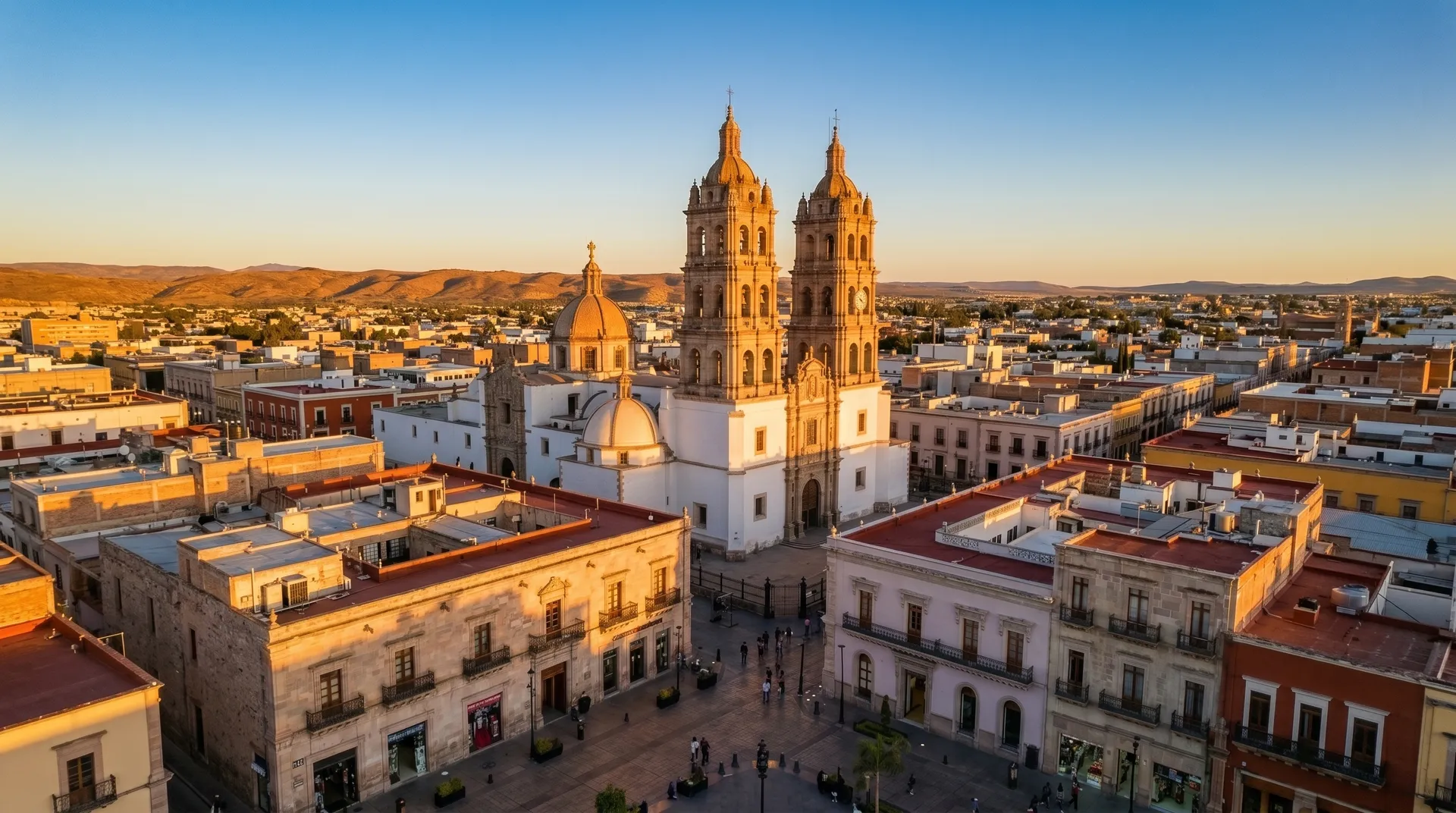
Durango, the capital of the state of Durango, is a strategic industrial and transportation hub in northern Mexico's interior. Its location provides direct access to major north-south and east-west corridors, notably Federal Highway 45, which connects it to the U.S. border at Ciudad Juárez/El Paso. This makes it a critical node for cross-border trade. The region's economy is anchored by mining (silver, gold, iron ore), forestry, and a significant manufacturing sector producing automotive parts, appliances, and metal products. Agriculture, particularly alfalfa and corn, also contributes to outbound freight. Durango's infrastructure includes a robust highway network, rail connections for intermodal options, and a growing logistics park ecosystem. For FTL shipments, it acts as a vital distribution center, linking Mexico's interior manufacturing base with U.S. markets and serving as an endpoint for goods moving south from the border.










