
San Diego to Juigalpa
Juigalpa → San DiegoFTL freight transportation service between San Diego and Juigalpa. Reliable logistics solutions for your business.
Route Description
Everything you need to know about the corridor San Diego - Juigalpa
The San Diego to Juigalpa corridor represents a vital logistics connection between the United States and Central America, spanning approximately 3,965 kilometers through diverse terrains and multiple international borders. This strategic route links one of California's major port cities with a key agricultural hub in Nicaragua, facilitating essential trade flows between North and Central America. The corridor traverses through Mexico, Guatemala, El Salvador, Honduras, and finally Nicaragua, requiring expert knowledge of cross-border regulations and customs procedures at each point.
This route serves critical industries including agricultural exports from California's Imperial Valley, electronics and manufactured goods from San Diego's industrial parks, and agricultural products from Nicaragua's Chontales region. The corridor's importance has grown significantly with increasing trade between the US and Central American nations under various trade agreements. Companies rely on this connection for time-sensitive shipments of perishable goods, industrial equipment, and consumer products that support both regional and international supply chains.
Transportation infrastructure along this corridor includes major highways such as Mexico's Carretera Federal 1 and Carretera Federal 190, Guatemala's CA-1, and Nicaragua's Pan-American Highway. Key border crossings include Tijuana/San Diego, Ciudad Hidalgo/El Amatillo, and various points along the CA-4 agreement corridor. Control Terrestre's expertise in managing this complex route ensures seamless cross-border operations, with certified carriers who understand the specific documentation requirements, customs procedures, and regulatory compliance needed for efficient transit between San Diego and Juigalpa.
Services for this Route
Available services for the corridor San Diego - Juigalpa
 Origin
San Diego
San Diego, California serves as a strategic logistics hub on the Pacific coast, offering exceptional connectivity through its world-class port facilities, international airport, and extensive highway network. The city's location provides immediate access to major transportation corridors including Interstate 5 and Interstate 805, facilitating rapid distribution throughout Southern California and beyond. San Diego's economy is driven by advanced manufacturing, biotechnology, military and defense industries, and a thriving agricultural sector in surrounding regions like the Imperial Valley.
The city's transportation infrastructure includes the Port of San Diego, which handles significant cargo volumes and provides direct ocean freight connections. San Diego International Airport supports air cargo operations, while the extensive rail network connects to major distribution centers. The region's proximity to the US-Mexico border at Tijuana creates unique cross-border logistics opportunities, with dedicated FAST lanes and C-TPAT certified facilities streamlining international freight movement.
 Destination
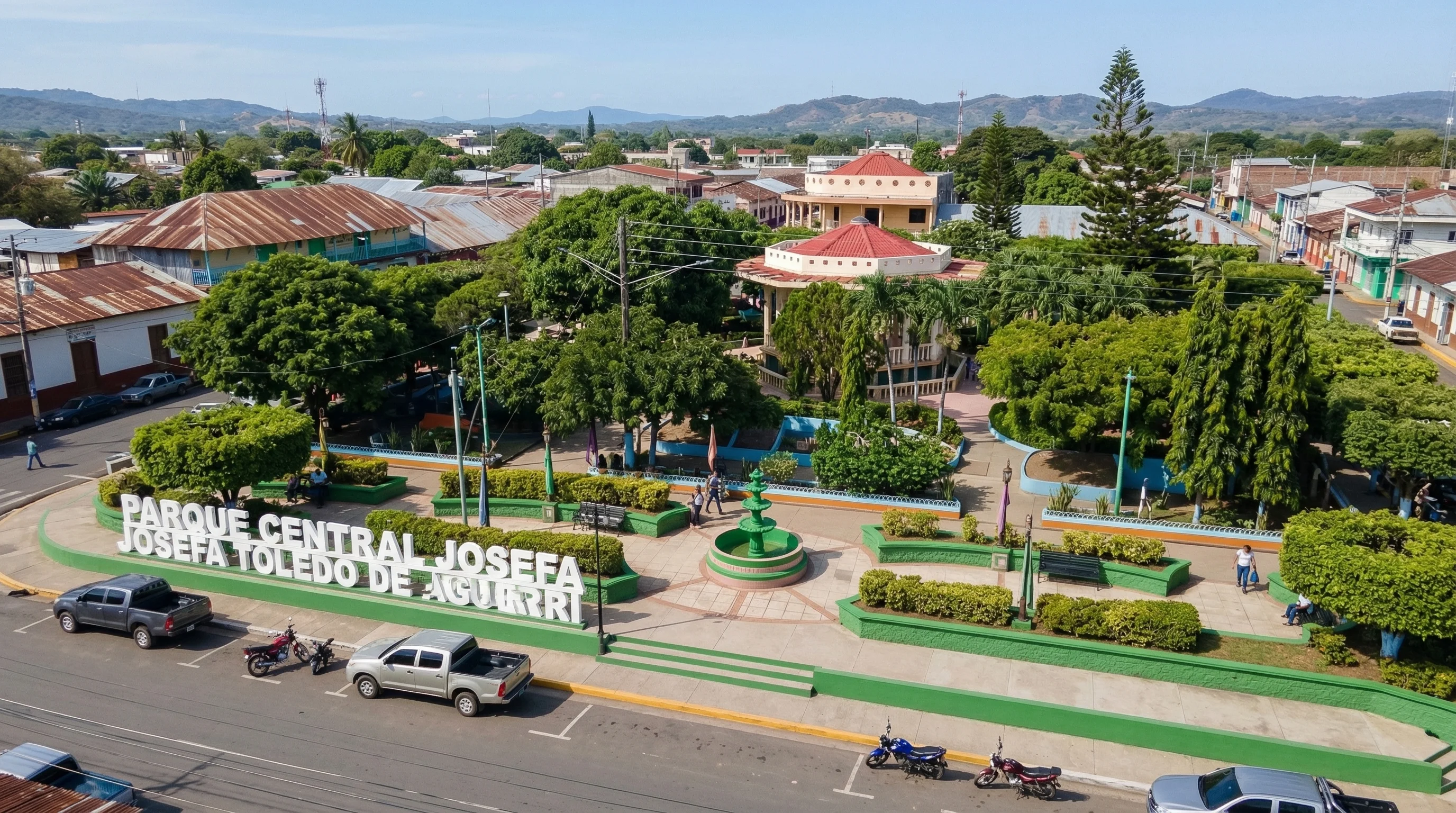
Juigalpa, located in Nicaragua's Chontales department, serves as an important agricultural and commercial center in the country's central region. The city's strategic position along the Pan-American Highway provides crucial connectivity to major ports like Corinto and Puerto Sandino, as well as to the capital city of Managua. Juigalpa's economy is primarily based on cattle ranching, dairy production, and agricultural activities, making it a vital node in Nicaragua's food supply chain and export operations.
The transportation infrastructure in Juigalpa includes well-maintained highway connections to major urban centers and port facilities. The city benefits from Nicaragua's developing logistics network, with ongoing improvements to road infrastructure and customs facilities. Juigalpa's location makes it an ideal distribution point for agricultural products destined for both domestic consumption and international markets, particularly given its proximity to major farming regions in central Nicaragua.










