San Diego to Brampton
Brampton → San DiegoFTL freight transportation service between San Diego and Brampton. Reliable logistics solutions for your business.
Route Description
Everything you need to know about the corridor San Diego - Brampton
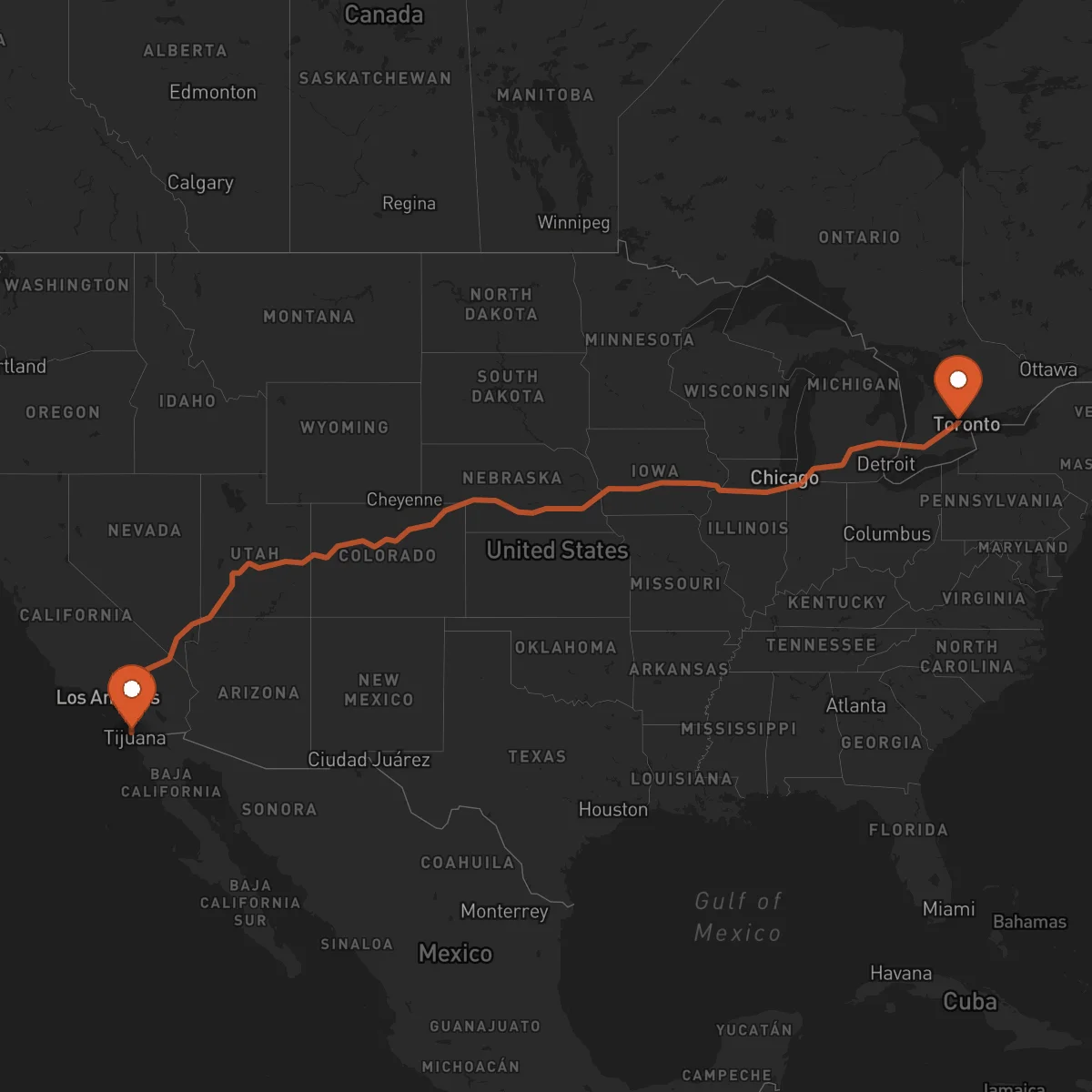
The San Diego to Brampton corridor represents a critical North American trade route connecting the West Coast of the United States with Canada's manufacturing heartland. This 3,453-kilometer cross-border freight corridor facilitates the movement of goods between one of California's most important border cities and Ontario's key logistics hub. The route traverses diverse economic regions, from San Diego's international trade zone to Brampton's industrial corridor, serving as a vital artery for North American commerce.
The corridor's economic significance is underscored by its connection of major industrial centers. San Diego serves as a gateway for international trade, particularly with Mexico and Asia, while Brampton hosts over 3,800 businesses and is home to Canada's largest intermodal facility. The route supports key industries including automotive manufacturing, electronics, pharmaceuticals, and consumer goods, with numerous companies relying on efficient cross-border transportation to maintain their supply chains.
Transportation infrastructure along this corridor includes major interstate highways such as I-5, I-15, I-80, and I-69, providing multiple routing options for freight movement. The corridor crosses the U.S.-Canada border at key points including Detroit-Windsor, offering various customs clearance options. Control Terrestre facilitates seamless operations on this corridor through our cross-border expertise, C-TPAT-certified carriers, and comprehensive door-to-door FTL services that ensure efficient movement of full truckloads between these strategic locations.
Services for this Route
Available services for the corridor San Diego - Brampton
 Origin
San Diego
San Diego serves as a strategic logistics gateway on the U.S.-Mexico border, offering direct access to major international trade routes. The city's economy is driven by advanced manufacturing, biotechnology, telecommunications, and defense industries, creating substantial freight movement requirements. San Diego's transportation infrastructure includes the Port of San Diego, San Diego International Airport, and extensive highway connections including I-5 and I-15, providing multiple options for freight consolidation and distribution. The city's proximity to the Mexican border and its designation as a Foreign Trade Zone make it an ideal origin point for cross-border and international shipments.
 Destination
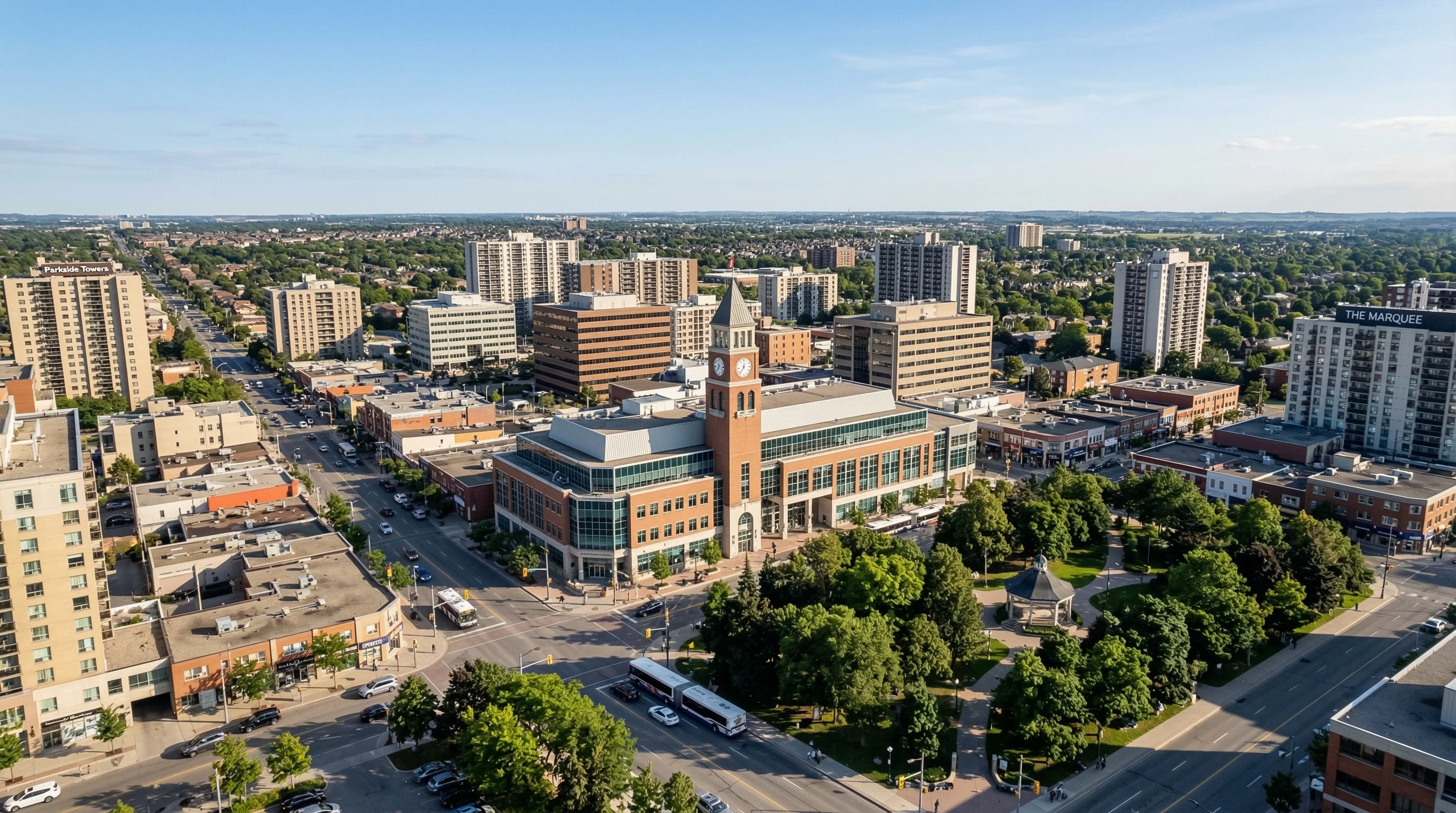
Brampton stands as one of Canada's most important logistics and manufacturing centers, strategically located in the Greater Toronto Area. The city hosts Canada's largest intermodal facility and serves as a distribution hub for numerous multinational corporations. Brampton's economy is anchored by advanced manufacturing, automotive production, food processing, and technology sectors. The city's transportation infrastructure includes direct access to Highway 401, Canada's busiest highway, as well as rail connections and proximity to Toronto Pearson International Airport. Brampton's central location within the Golden Horseshoe region makes it a critical destination for freight distribution throughout eastern Canada.










