
Sacramento to Sololá
Sololá → SacramentoFTL freight transportation service between Sacramento and Sololá. Reliable logistics solutions for your business.
Route Description
Everything you need to know about the corridor Sacramento - Sololá
The Sacramento to Sololá corridor represents a vital cross-border logistics route connecting the industrial heartland of California with the commercial centers of Guatemala's highlands. This 3,976 km corridor traverses diverse terrain and crosses multiple international borders, making it a strategic artery for North American trade. The route primarily follows major interstate highways through California, Arizona, and Texas before connecting with Mexican federal highways and continuing south through Central America.
The economic significance of this corridor cannot be overstated, as it facilitates the movement of goods between two major trade regions. Sacramento serves as a gateway to California's agricultural and manufacturing sectors, while Sololá connects to Guatemala's textile, agricultural, and handicraft industries. The corridor handles a diverse range of cargo including agricultural products, manufactured goods, electronics, and consumer products essential to both regional economies.
Key infrastructure along this route includes major border crossings at Tijuana/San Diego and El Paso/Juárez, with alternative routes through Laredo/Nuevo Laredo. The transportation network combines U.S. interstate highways (I-5, I-10, I-35) with Mexican federal highways (Carretera Federal 2, Carretera Federal 45) and Central American highways. Control Terrestre's expertise in cross-border operations ensures seamless coordination across these multiple jurisdictions, handling all customs documentation, regulatory compliance, and logistics coordination to maintain efficient cargo flow throughout the entire journey.
Services for this Route
Available services for the corridor Sacramento - Sololá
 Origin
Sacramento
Sacramento, California serves as a strategic logistics hub in the northern part of the state, offering excellent connectivity to major West Coast markets. The city's location provides direct access to Interstate 5, facilitating efficient north-south transportation along the Pacific corridor. Sacramento's infrastructure includes the Port of Sacramento, multiple rail terminals, and Sacramento International Airport, creating a multimodal transportation network that supports diverse freight operations.
The region's economy is anchored by government services, healthcare, and technology sectors, with growing manufacturing and agricultural processing industries. Sacramento's proximity to California's Central Valley provides access to vast agricultural resources, while its position within the greater San Francisco Bay Area economic region connects shippers to one of North America's largest consumer markets. The area's robust logistics infrastructure, including numerous warehousing and distribution centers, makes it an ideal origin point for cross-border freight operations.
 Destination
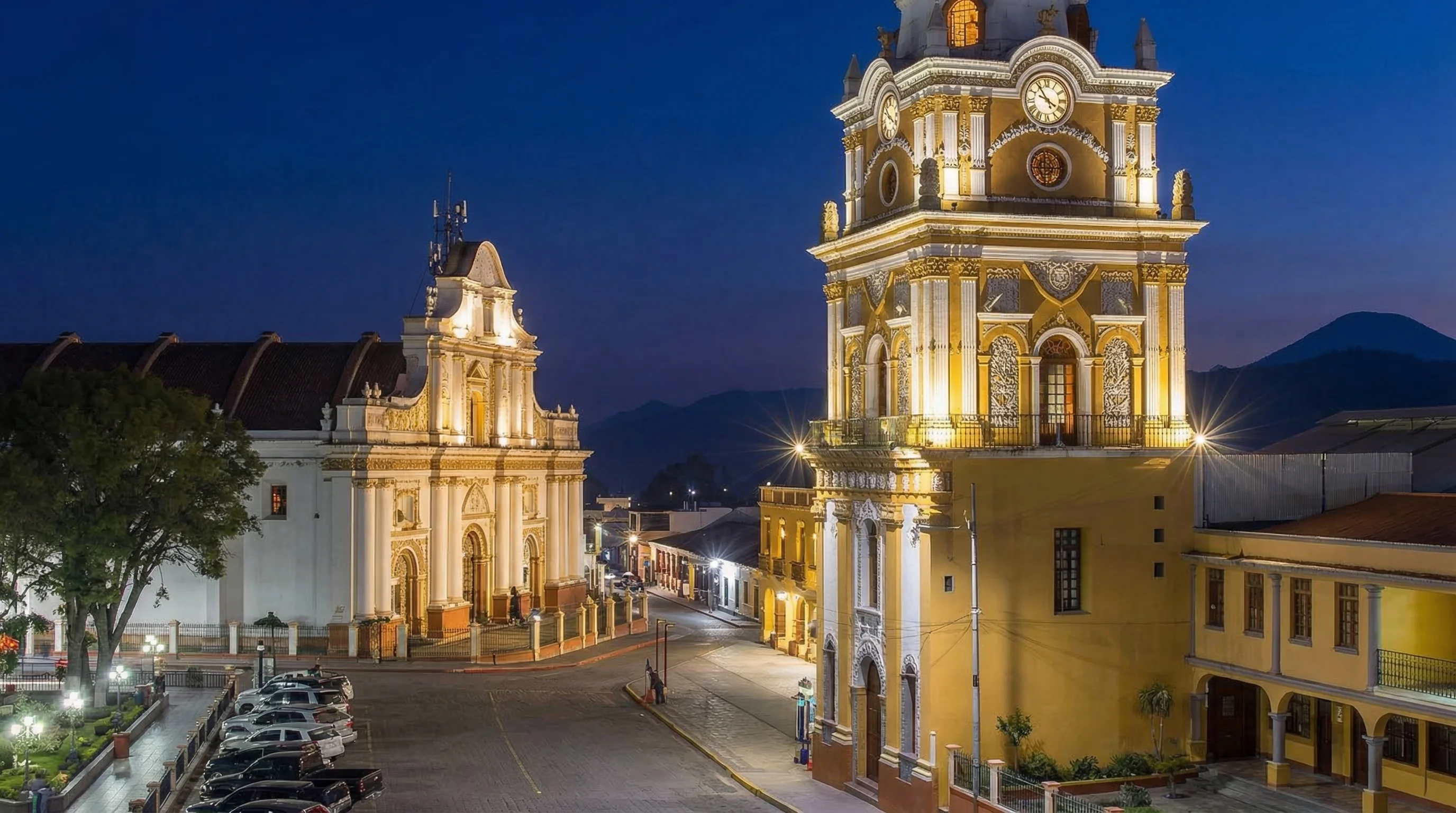
Sololá, located in Guatemala's highlands, serves as a strategic commercial center with strong connections to both domestic and international markets. The city's position near Lake Atitlán and its surrounding indigenous communities makes it a vital node for regional trade, particularly in textiles, handicrafts, and agricultural products. Sololá's infrastructure includes access to Guatemala's highway network, connecting to major cities like Guatemala City and the Pacific coast ports.
The region's economy is characterized by a mix of traditional industries and modern commerce, with significant activity in textile manufacturing, agricultural processing, and tourism-related services. Sololá's proximity to Guatemala City provides access to the country's largest consumer market and principal logistics hub. The area's growing industrial sector, combined with its cultural significance as a center for indigenous commerce, creates diverse freight transportation needs that require reliable cross-border logistics solutions.










