Roatán to Olympia
Olympia → RoatánFTL freight transportation service between Roatán and Olympia. Reliable logistics solutions for your business.
Route Description
Everything you need to know about the corridor Roatán - Olympia
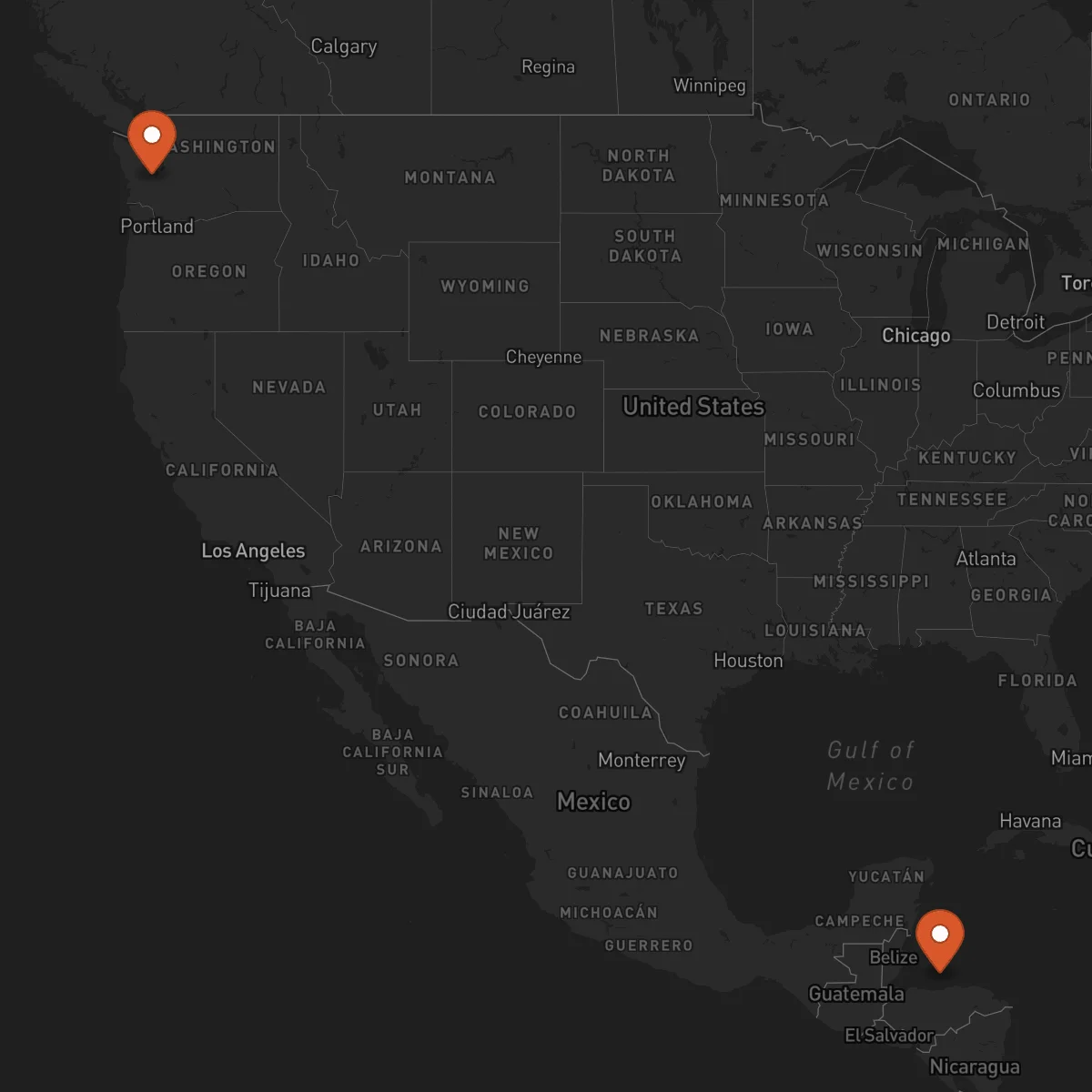
The Roatán to Olympia corridor represents a vital north-south artery connecting the Caribbean coast of Central America with the Pacific Northwest of the United States. This strategic route facilitates the movement of goods across diverse economic landscapes, bridging the export-oriented economies of Honduras with the industrial and agricultural heartland of Washington State. The corridor's importance is underscored by its role in supply chains for perishable goods, manufactured products, and specialized cargo, requiring seamless cross-border coordination through multiple countries.
Economically, this route serves a dynamic region. Honduras, with Roatán as a key logistical springboard, exports significant volumes of agricultural products like coffee, bananas, and seafood, alongside textiles and manufactured goods. The destination region around Olympia, Washington, is a hub for timber, agricultural commodities (such as hay and apples), government and education sector supplies, and light manufacturing. The primary industries leveraging this corridor include agribusiness, food and beverage distribution, and industrial suppliers who require reliable, full truckload (FTL) capacity for long-haul, international shipments.
Transportation infrastructure spans several national networks. The journey begins with connections from Roatán via ferry to the Honduran mainland, accessing the CA-5 highway. This core Central American route traverses Honduras and Guatemala before entering Mexico, where it integrates with Mexico's federal highway system, primarily utilizing routes like the CA-1 and connecting to the extensive network leading to the northern border. Upon entering the United States, the primary corridor follows Interstate 5 (I-5) from the border crossing (commonly through Arizona or California for West Coast destinations) north through California, Oregon, and into Washington, terminating in Olympia. Key border considerations involve the multiple Central American and Mexico-U.S. crossings, each with specific customs procedures. Our expertise in managing documentation and leveraging certifications like C-TPAT and FAST is crucial for navigating these complex regulatory environments efficiently.
Control Terrestre facilitates operations on this demanding corridor through our robust alliance of certified transportation providers. We offer dedicated FTL solutions, including specialized equipment like refrigerated units for perishable cargo from Roatán and flatbeds for oversized industrial goods destined for Washington. Our network ensures capacity and reliability, while our deep experience with cross-border protocols—from Central America through Mexico to the U.S.—minimizes delays. We provide a single point of contact for seamless door-to-door service, coordinating the entire journey from island origin to final destination in the Olympia area, tailored specifically for companies that do not require consolidated (LTL) freight.
Services for this Route
Available services for the corridor Roatán - Olympia
 Origin
Roatán
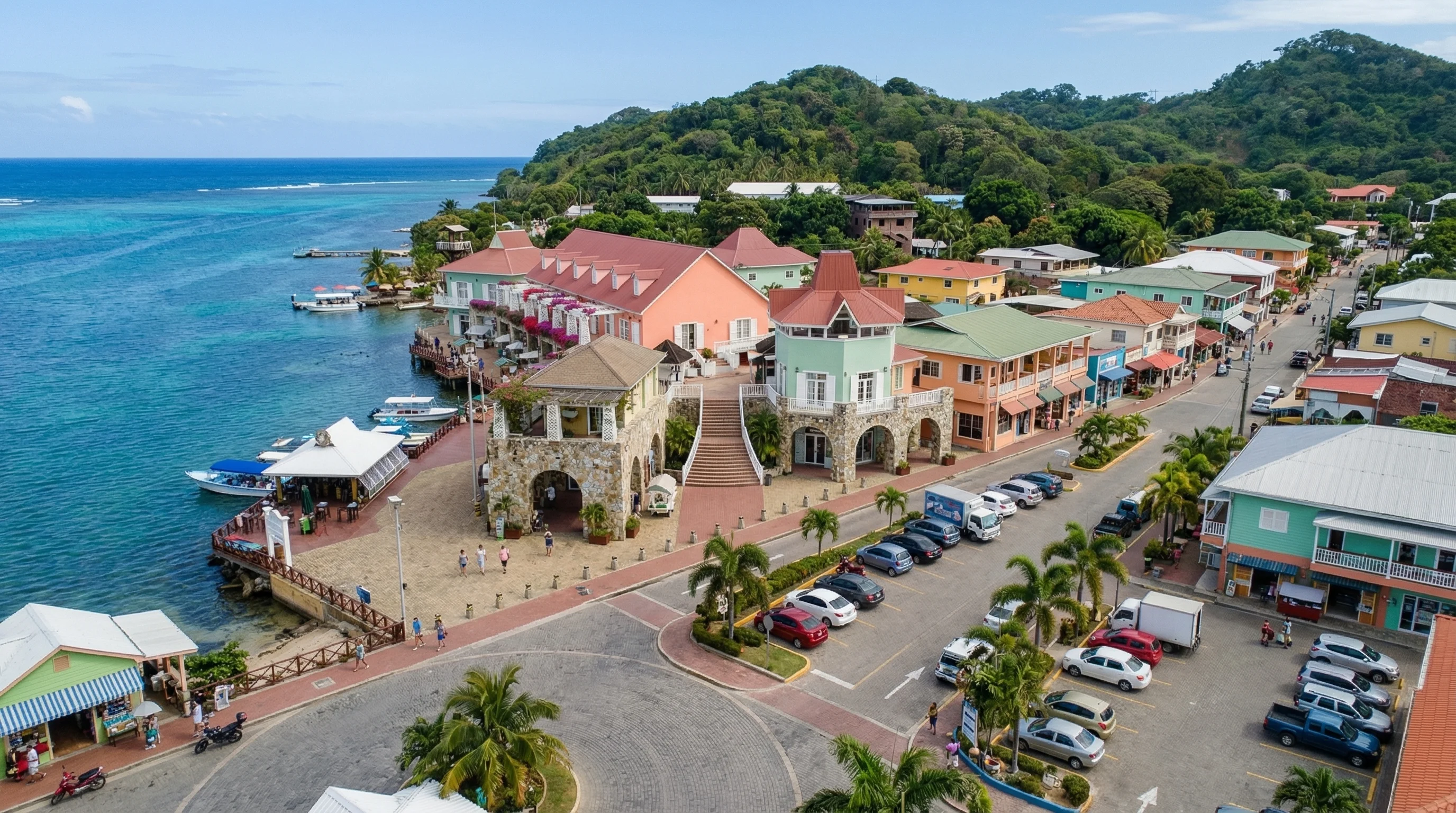
Roatán, located in the Bay Islands of Honduras, serves as a strategic Caribbean logistics gateway despite its island geography. Its primary advantage lies in the major port facilities, which handle significant container and bulk cargo traffic, acting as a critical export point for Honduran and Central American goods. The island's economy is heavily driven by tourism, but for freight logistics, it is a vital node for the export of seafood (particularly shrimp and lobster), tropical fruits, and artisanal products. Additionally, it supports the movement of goods for the tourism infrastructure itself. The available transportation infrastructure includes the Roatán International Airport for high-value or urgent air freight connections and the seaport for maritime transshipment. For land-based FTL freight, connections are established via dedicated roll-on/roll-off (RoRo) ferry services to the Honduran mainland (Puerto Cortés or La Ceiba), where trucks can access the continental highway network, primarily the CA-5, to begin the northbound journey.
 Destination
Olympia
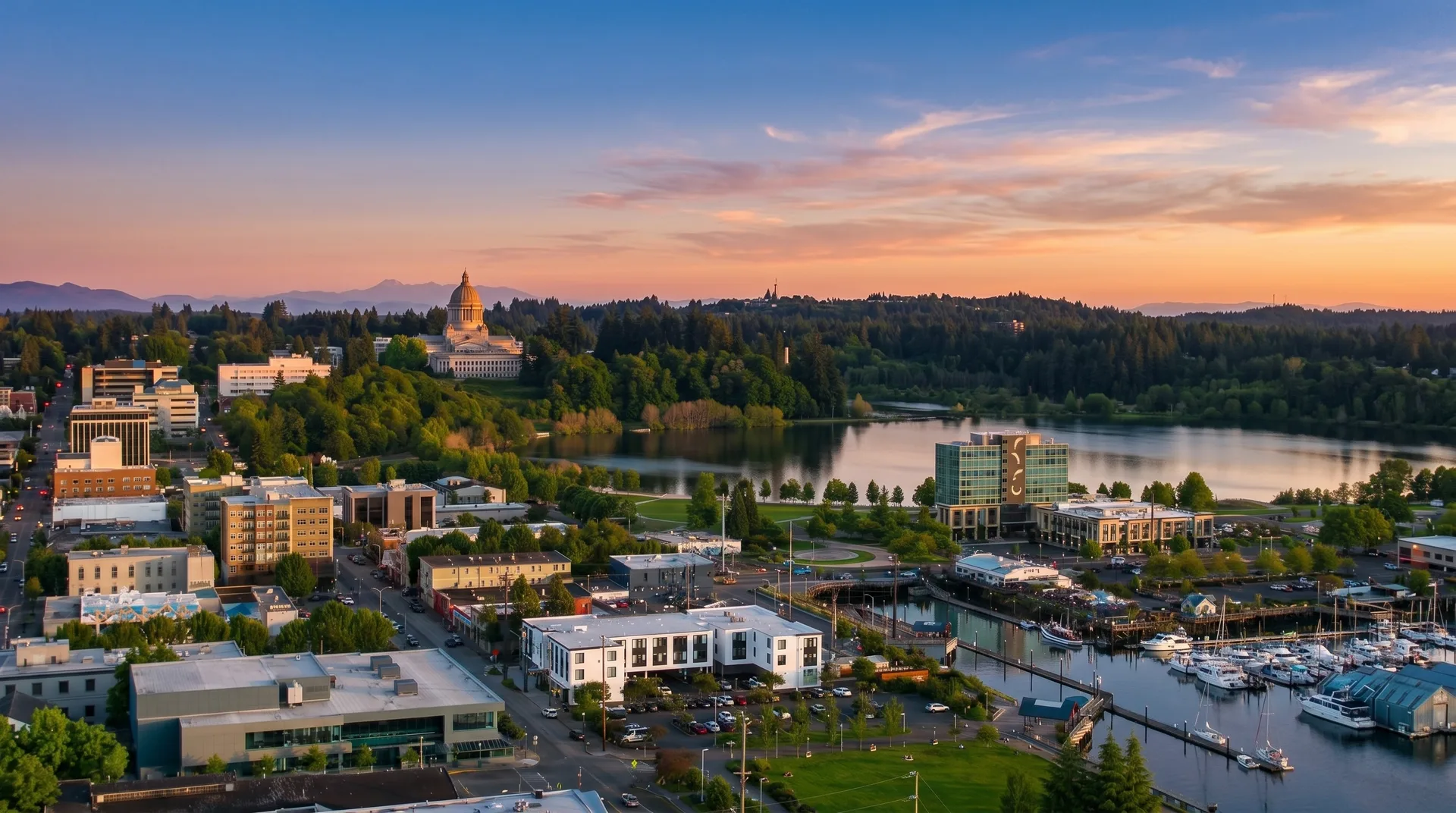
Olympia, the capital of Washington State, holds a strategic logistical position at the southern end of Puget Sound, providing access to both deep-water ports and major continental highways. It serves as a key distribution center for the Pacific Northwest. The region's economy is anchored by state government and higher education institutions (like The Evergreen State College), creating steady demand for office supplies, furniture, and institutional freight. Dominant private industries include timber and wood products, agriculture (dairy, berries, and particularly hay for export), and light manufacturing. The available transportation infrastructure is robust: the Port of Olympia handles bulk and break-bulk cargo, including forest products. Crucially, the city is directly on the Interstate 5 (I-5) corridor, the primary north-south artery on the West Coast, providing direct FTL trucking routes to Seattle, Portland, and California, and connecting to the broader U.S. network. Olympia Regional Airport also supports cargo operations, complementing the dominant road and sea freight modes.










