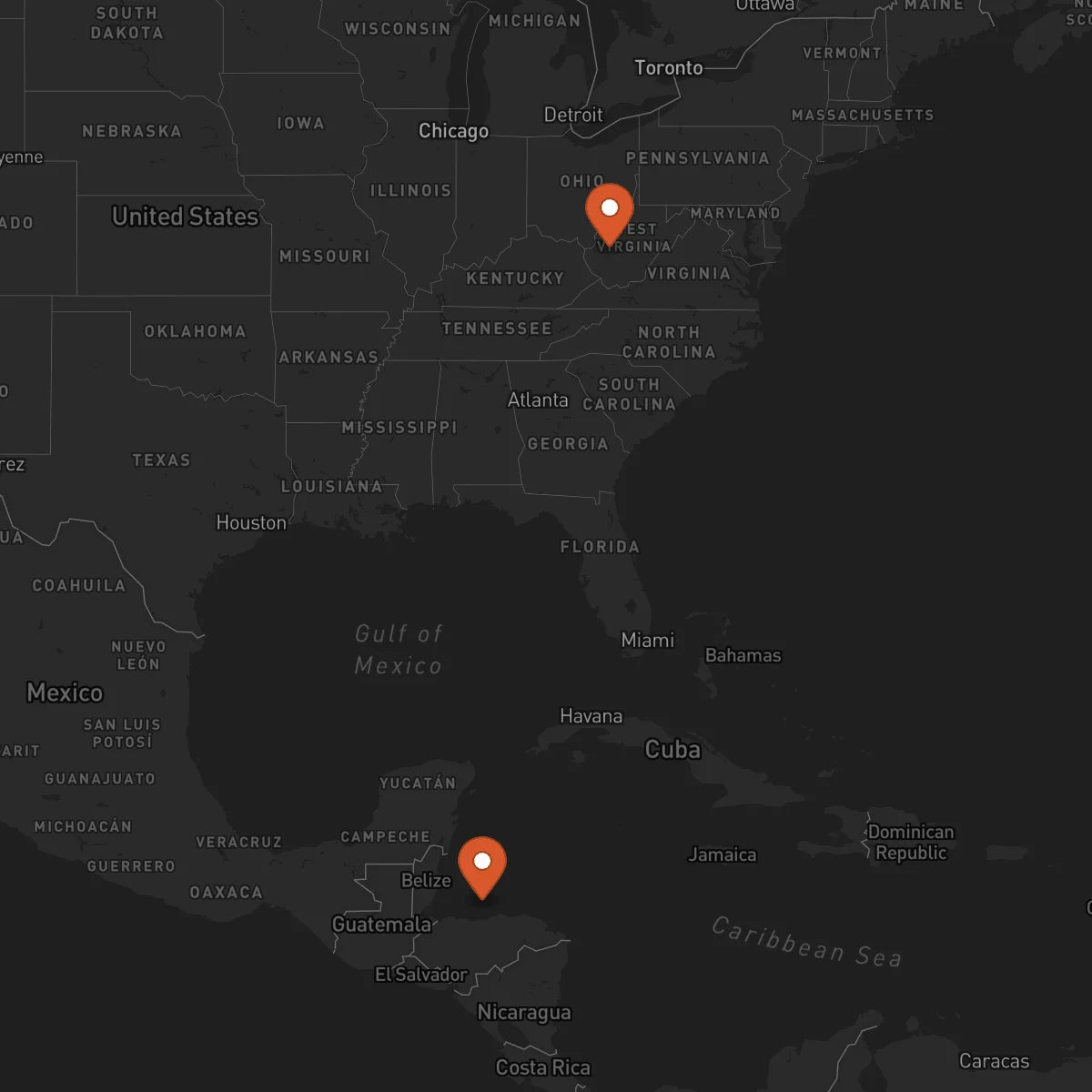
Roatán to Charleston
Charleston → RoatánFTL freight transportation service between Roatán and Charleston. Reliable logistics solutions for your business.
Route Description
Everything you need to know about the corridor Roatán - Charleston
The logistics corridor connecting Roatán, Honduras, to Charleston, West Virginia, represents a critical North American trade link bridging Central America with the Appalachian industrial heartland of the United States. This cross-border route facilitates the essential movement of goods from the Caribbean coast of Honduras into the strategic inland distribution hub of West Virginia, serving as a vital conduit for supply chains requiring reliable full truckload (FTL) transit. The economic context is defined by Roatán's role as a export hub for regional products and Charleston's position as a center for heavy industry, chemicals, and manufacturing, creating a consistent demand for dedicated freight movement. Primary industries utilizing this corridor include manufacturing (particularly from Roatán's free zones), agricultural exports, and the transport of raw materials and finished goods for West Virginia's chemical, polymer, and energy sectors.
The transportation infrastructure relies on a sequenced network: maritime cargo from Roatán arrives at mainland Honduran ports like Puerto Cortés, from which it moves via primary highways such as CA-13 and CA-5 through Guatemala (if applicable) and Mexico to the U.S. border. Key border crossings, notably in the Laredo, Texas corridor, are pivotal for customs clearance. Control Terrestre facilitates seamless operations on this complex corridor through our alliance of certified providers. Our partners hold essential credentials including C-TPAT, FAST, and BASC, ensuring expedited and secure cross-border processing. We coordinate the entire door-to-door FTL movement, managing the transition from port to U.S. interstate system and final delivery, with specialized options for oversized, hazmat, or temperature-controlled cargo as required.
This corridor's efficiency hinges on expert navigation of international logistics, customs protocols, and long-haul domestic routing. Control Terrestre’s model provides clients with a single point of contact for this intricate journey, leveraging our network's deep experience with the specific regulatory and infrastructural demands of the Honduras-U.S. route. We focus on the human and operational elements—clear communication, proactive coordination, and a commitment to sustainable practices—ensuring your full truckload shipment moves from Roatán's port gates to Charleston's industrial parks with precision and care, without the complexities of fragmented carrier handoffs.
Services for this Route
Available services for the corridor Roatán - Charleston
 Origin
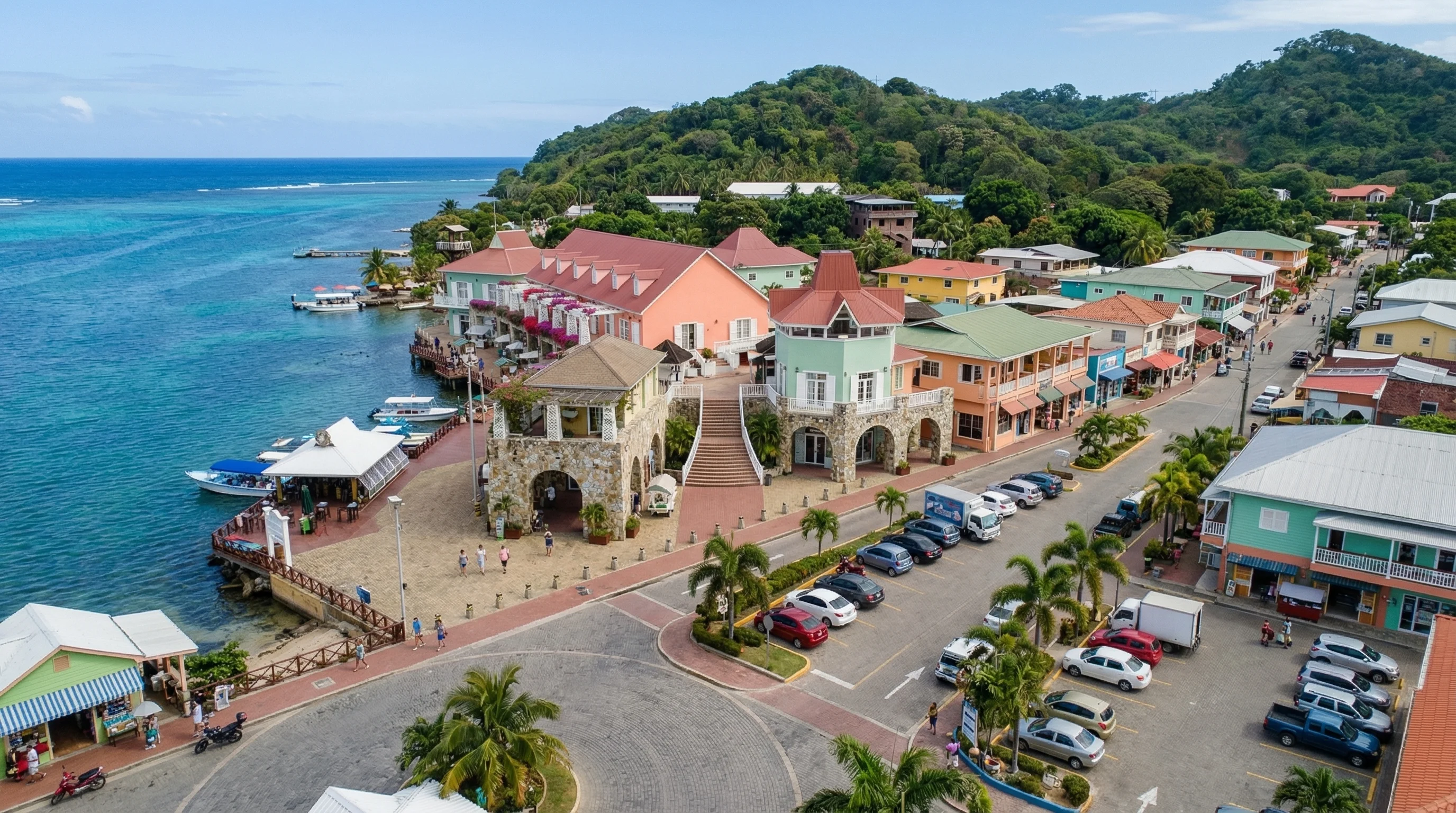
Roatán
Roatán, the largest of the Bay Islands, serves as a pivotal maritime and logistics gateway for Honduras and Central America. Its strategic location in the Caribbean Sea provides direct access to major shipping lanes, making its ports, particularly those in Coxen Hole and French Harbour, crucial hubs for receiving imported goods and exporting regional products. The island's economy is heavily driven by international tourism, but its logistics significance is amplified by nearby mainland free trade zones and manufacturing operations that utilize Roatán's port infrastructure for global connectivity. Key economic sectors include light manufacturing (apparel, textiles), agricultural exports (palm oil, fruits), and growing services related to tourism and construction. The available transportation infrastructure includes the island's main airport (Juan Manuel Gálvez) and a network of ports that handle containerized and bulk cargo, which then requires efficient overland connection to the Honduran mainland via ferry services and the CA-13 highway network, setting the stage for the long-haul cross-border freight journey north.
 Destination
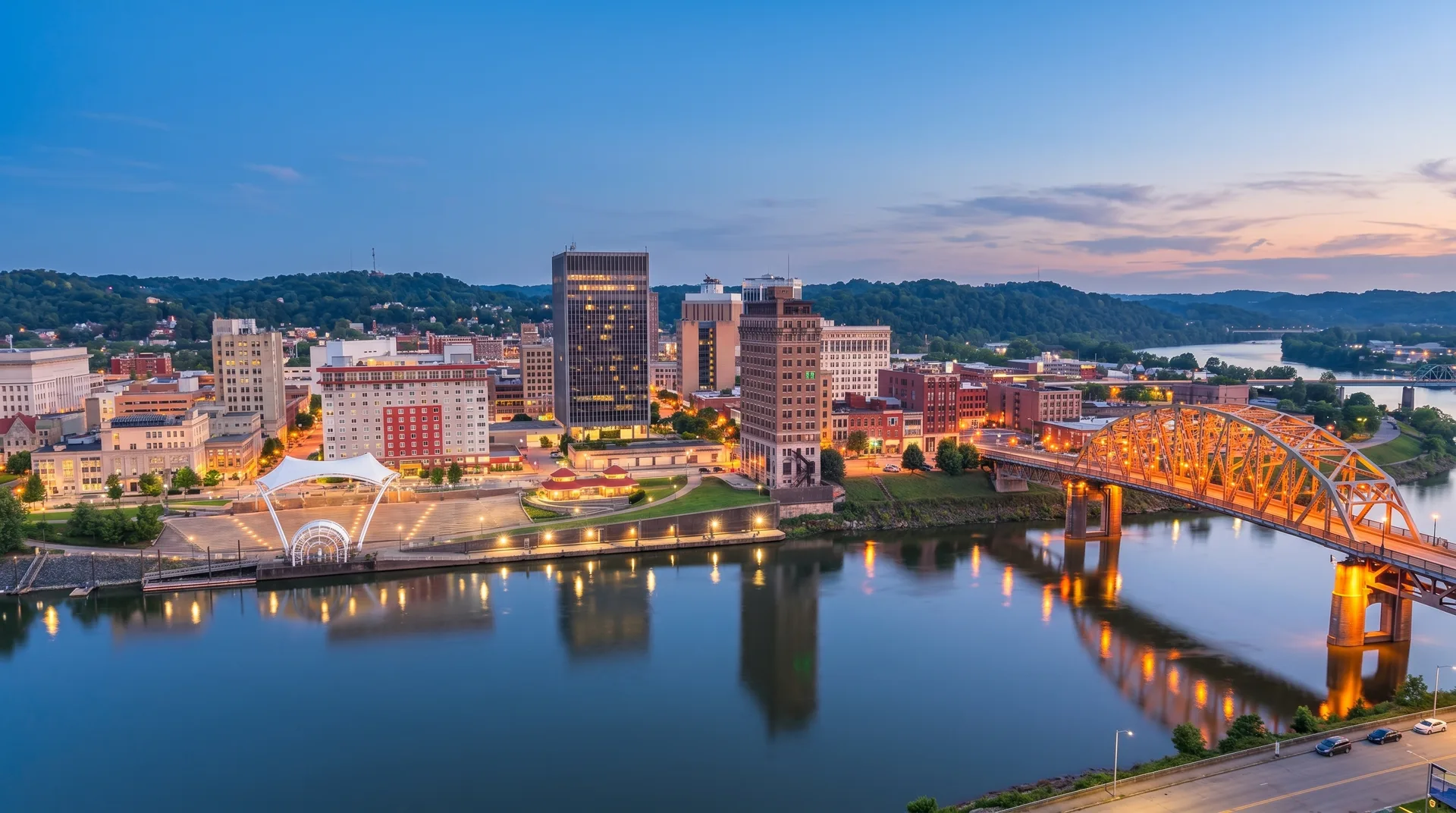
Charleston
Charleston, West Virginia, is a strategic inland logistics and industrial hub at the confluence of the Kanawha and Elk rivers. Its location provides excellent connectivity to the eastern U.S. via Interstate 77, a major north-south artery linking the Ohio Valley to Virginia and North Carolina, and is in proximity to key rail lines and the Port of Huntington Tri-State, one of the largest inland ports in the United States. This makes Charleston an optimal distribution point for the Appalachian region. The local economy is anchored by robust industrial sectors, including chemical manufacturing (a major cluster), polymer production, energy (including natural gas and power generation), and advanced manufacturing. These industries generate consistent demand for inbound raw materials and outbound finished goods. The city's infrastructure supports heavy freight with dedicated industrial parks, warehouse facilities, and direct highway access, positioning it as a critical endpoint for FTL shipments requiring specialized handling, such as tankers for chemicals or flatbeds for heavy equipment.










