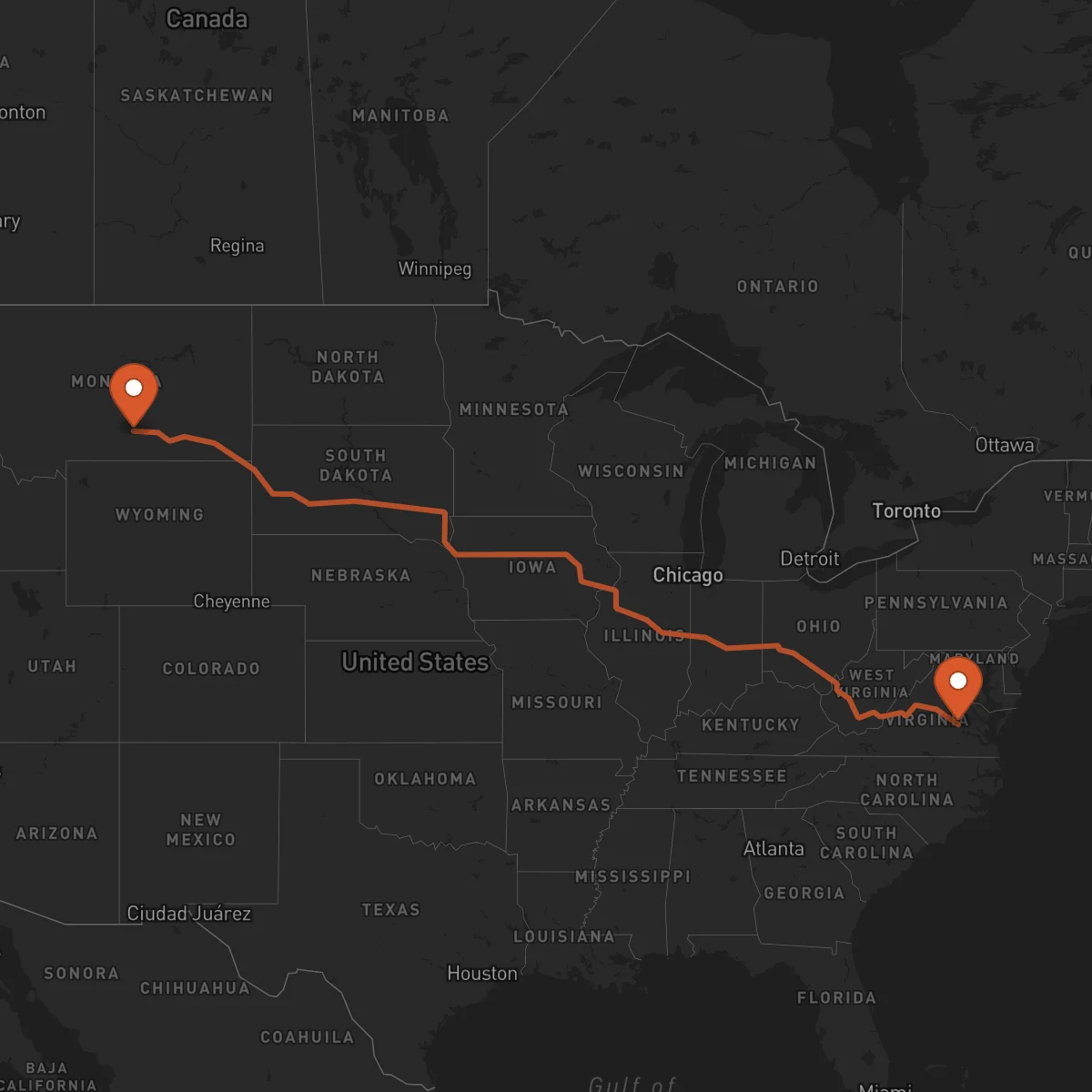
Richmond to Billings
Billings → RichmondFTL freight transportation service between Richmond and Billings. Reliable logistics solutions for your business.
Route Description
Everything you need to know about the corridor Richmond - Billings
The Richmond to Billings corridor represents one of the most important domestic freight routes in the United States, spanning approximately 2,718 kilometers across the heart of the country. This east-west connection links Virginia's capital with Montana's largest city, traversing diverse landscapes and economic regions. The corridor serves as a vital artery for goods movement between the Eastern Seaboard and the Mountain West, facilitating commerce across multiple state lines and economic zones.
The economic significance of this route is substantial, connecting major industrial centers with agricultural and energy-producing regions. Richmond serves as a key distribution hub for the Mid-Atlantic region, while Billings functions as a critical gateway to the Northern Plains and Rocky Mountain markets. The corridor supports the movement of industrial equipment, agricultural products, manufactured goods, and raw materials essential to both regional and national supply chains.
Control Terrestre provides comprehensive FTL transportation services along this corridor, leveraging our network of certified carriers and specialized equipment. Our dedicated services ensure that shipments move efficiently across this extensive route, with options for specialized handling of oversized cargo, hazardous materials, and time-sensitive freight. We understand the unique challenges of long-haul transportation and offer solutions that maintain cargo integrity throughout the journey.
Services for this Route
Available services for the corridor Richmond - Billings
 Origin
Richmond
Richmond, Virginia, serves as a strategic logistics hub on the East Coast, positioned at the intersection of major transportation networks. The city's location along the I-95 corridor provides direct access to the Northeast and Southeast markets, while its proximity to the Port of Virginia enhances its role in international trade. Richmond's logistics infrastructure includes multiple intermodal facilities, warehousing districts, and distribution centers that support diverse industries including manufacturing, technology, and retail.
The Richmond metropolitan area is home to a robust manufacturing sector, with companies producing everything from food products to advanced electronics. The region's economic strength is further supported by a skilled workforce, research institutions, and a business-friendly environment. Richmond's transportation network includes access to rail services through CSX Transportation, multiple interstate highways, and international air cargo capabilities through Richmond International Airport.
 Destination
Billings
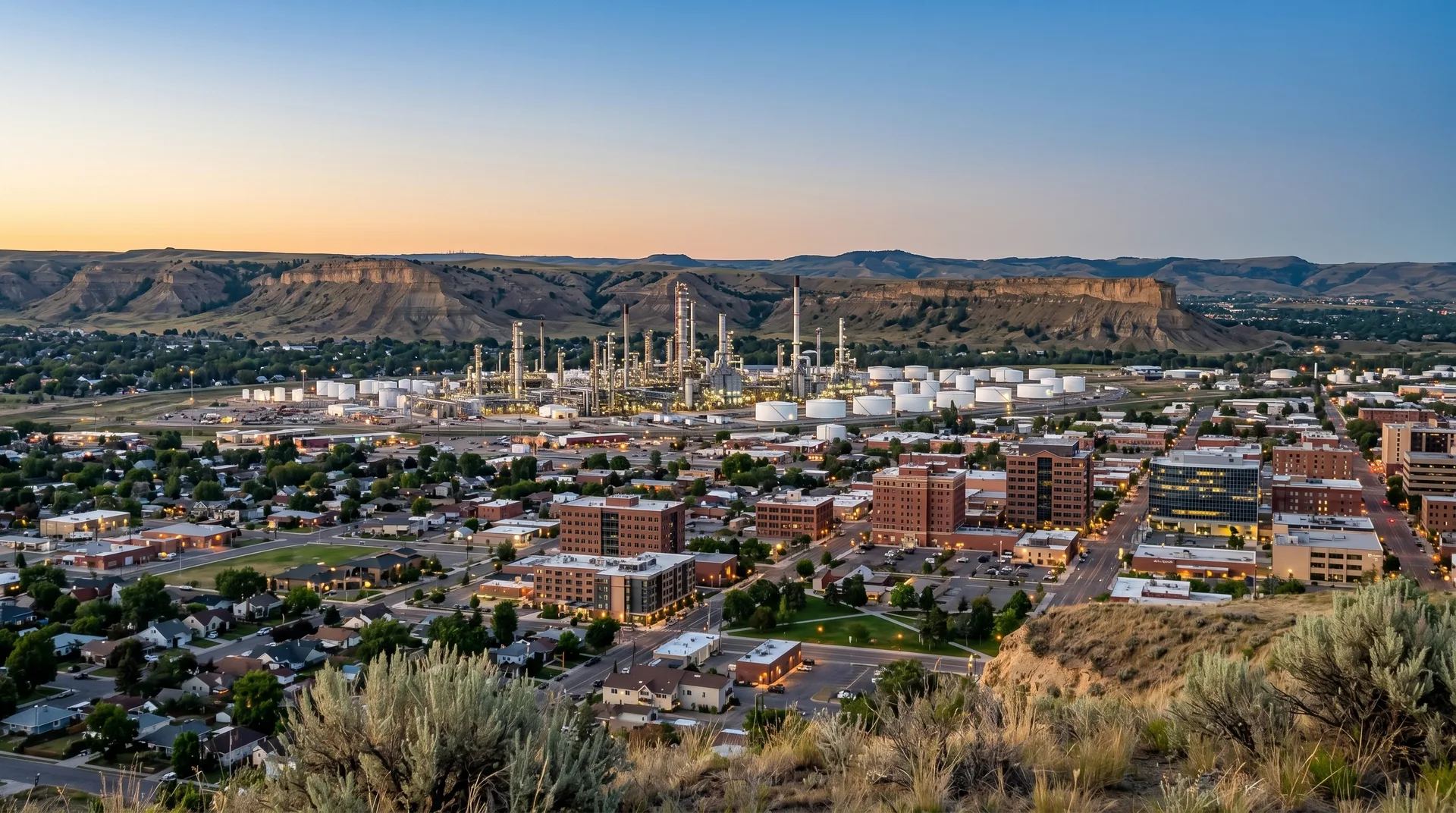
Billings, Montana, stands as the largest city in the state and serves as a critical logistics hub for the Northern Plains and Rocky Mountain regions. Located at the intersection of I-90 and I-94, Billings provides strategic access to major markets in the western United States and Canada. The city's position as a transportation crossroads makes it an essential gateway for goods moving between the Midwest and the Pacific Northwest.
The Billings economy is anchored by energy production, agriculture, and healthcare sectors, creating diverse freight transportation needs. The region's agricultural output, including grains and livestock products, requires reliable transportation to eastern markets. Additionally, Billings serves as a distribution center for Montana and surrounding states, with warehousing and logistics facilities supporting both regional and national supply chains. The city's transportation infrastructure includes rail connections through BNSF Railway and extensive highway networks that facilitate efficient freight movement.










