Reynosa to Tucson
Tucson → ReynosaFTL freight transportation service between Reynosa and Tucson. Reliable logistics solutions for your business.
Route Description
Everything you need to know about the corridor Reynosa - Tucson
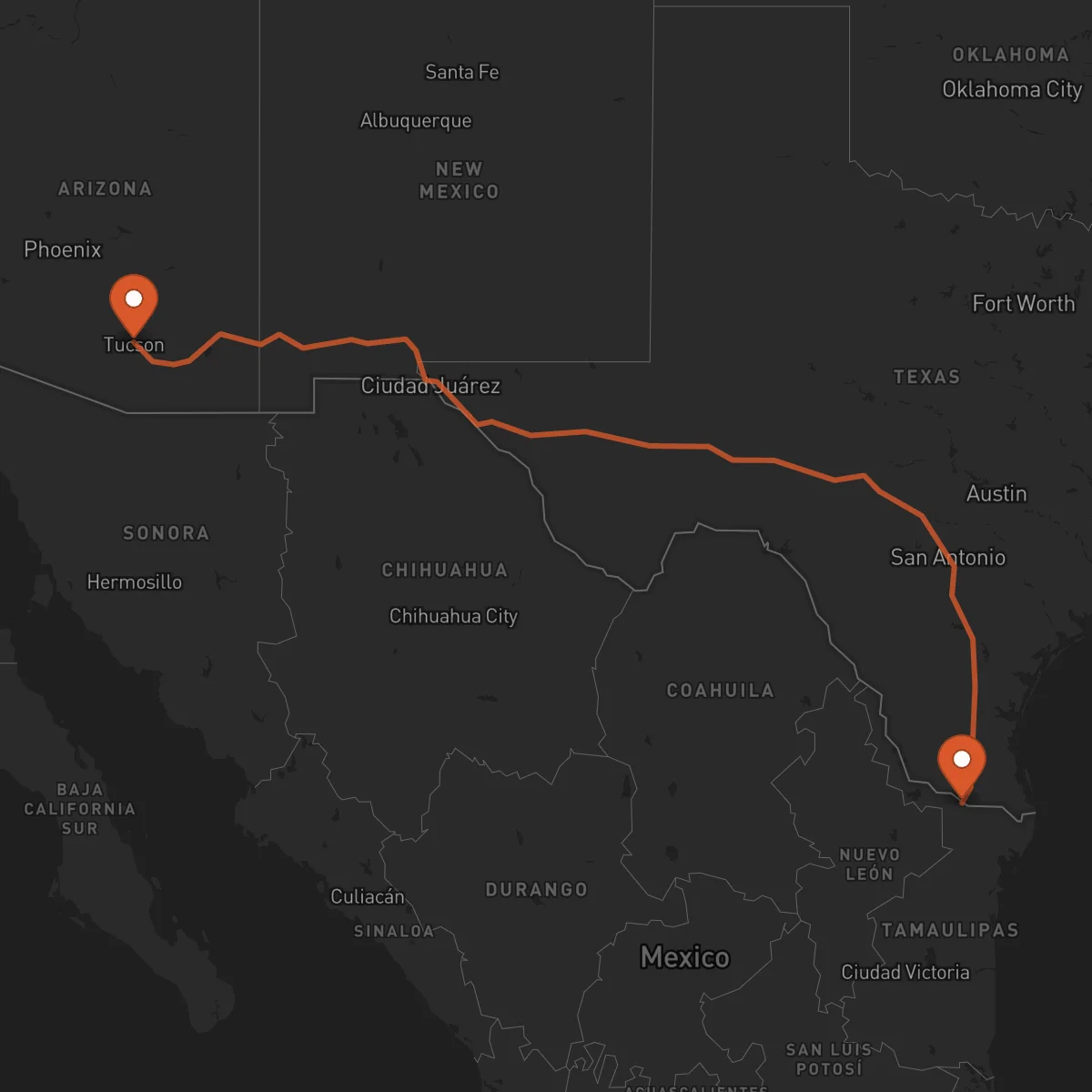
The logistics corridor between Reynosa, Tamaulipas and Tucson, Arizona represents a vital commercial artery connecting the industrial heartland of northeastern Mexico with the southwestern United States. This cross-border route spans approximately 1,409 kilometers, facilitating the movement of goods between two dynamic economic regions. The corridor serves as a critical link in the North American supply chain, enabling seamless freight transportation across international borders.
The region's economic significance stems from Reynosa's robust manufacturing sector, particularly in automotive, electronics, and medical devices, which connects with Tucson's diverse industrial base including aerospace, defense, and logistics operations. Major companies in both cities rely on this corridor for their supply chain operations, making it one of the busiest cross-border freight routes in North America. The industrial synergy between these regions creates substantial freight volumes moving in both directions.
Transportation infrastructure along this corridor includes major highways such as Mexican Federal Highway 85 and Interstate 10 in the United States. The route features key border crossings at Laredo/Nuevo Laredo and potentially other points, with access to modern customs facilities and inspection stations. Control Terrestre provides comprehensive cross-border transportation services on this corridor, managing all aspects of international freight movement including customs documentation, compliance requirements, and secure cargo handling. Our experienced team ensures smooth operations across the border, leveraging our C-TPAT certification and strategic partnerships with trusted carriers to maintain efficient and reliable service throughout the journey.
Services for this Route
Available services for the corridor Reynosa - Tucson
 Origin
Reynosa
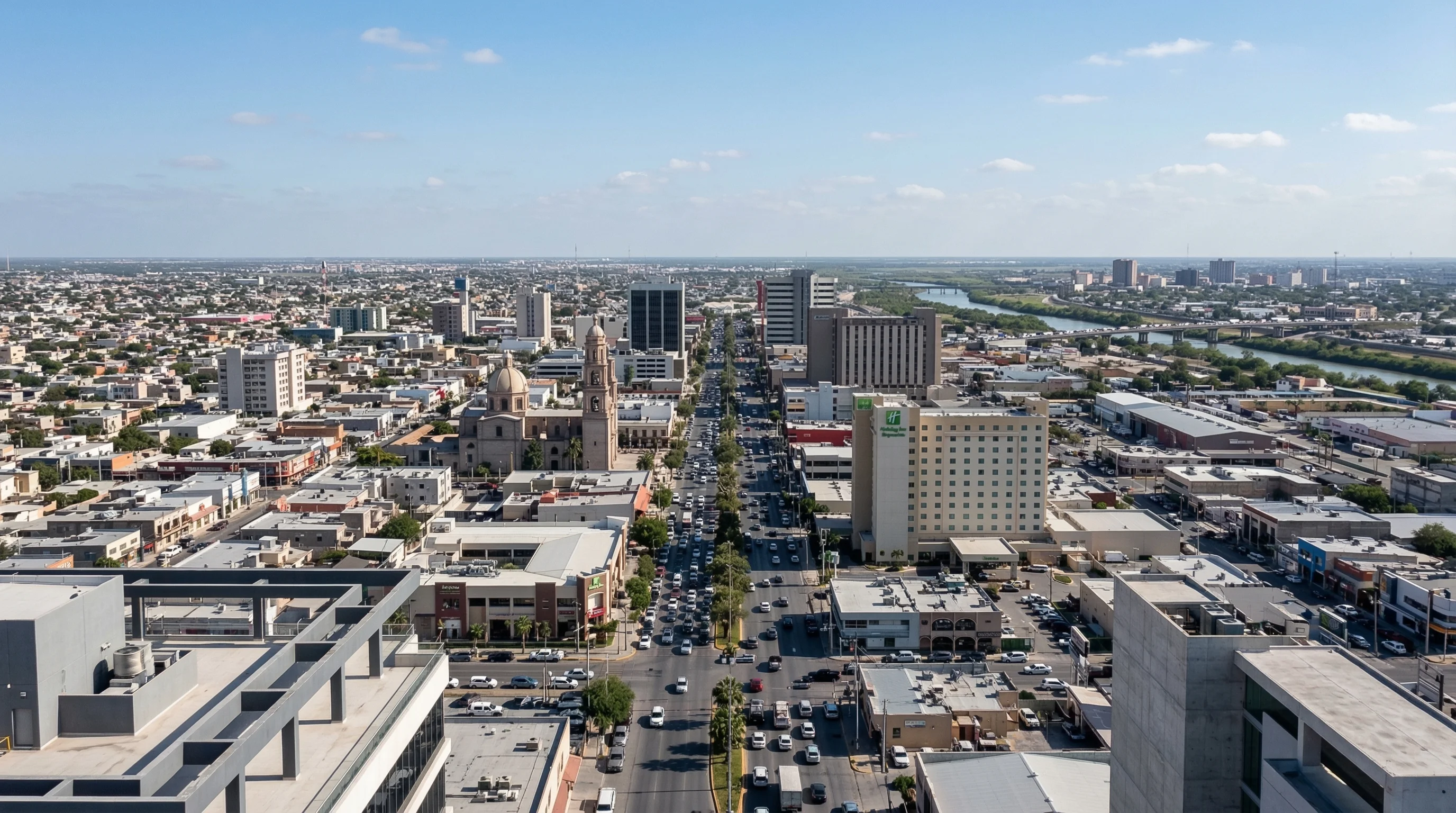
Reynosa, located in the state of Tamaulipas, stands as a strategic logistics hub in northeastern Mexico. Its proximity to the U.S. border and position within the Maquiladora corridor make it an ideal location for manufacturing and distribution operations. The city's well-developed transportation infrastructure includes direct access to major highways connecting to the interior of Mexico and the United States, as well as the Reynosa International Airport for air cargo services. The presence of multiple industrial parks and free trade zones further enhances its appeal as a logistics center.
The economic landscape of Reynosa is dominated by manufacturing industries, particularly automotive assembly, electronics production, and medical device manufacturing. The city hosts numerous multinational corporations that benefit from its skilled workforce and favorable business environment. Additionally, Reynosa's industrial sector is supported by a network of suppliers, logistics providers, and service companies that contribute to a robust supply chain ecosystem. The city's strategic location facilitates efficient distribution to both Mexican and U.S. markets, making it an essential node in cross-border trade operations.
 Destination
Tucson
Tucson, Arizona serves as a strategic logistics gateway to the southwestern United States, offering unique advantages for freight distribution and warehousing operations. The city's location provides direct access to major transportation corridors including Interstate 10, which connects to both the West Coast and the Gulf Coast regions. Tucson International Airport supports air cargo operations, while the city's rail connections through Union Pacific Railroad enhance its multimodal transportation capabilities. The region's infrastructure is designed to accommodate the growing demands of cross-border trade and domestic distribution.
The economic base of Tucson encompasses diverse industries including aerospace and defense, with major employers such as Raytheon Missiles & Defense and Bombardier Aerospace. The city also hosts significant operations in healthcare, education, and technology sectors. Tucson's proximity to the Mexican border and its role as a distribution center for southern Arizona make it an important logistics hub. The presence of Foreign Trade Zones and industrial parks provides additional advantages for companies engaged in international trade. Tucson's strategic location enables efficient distribution throughout the southwestern United States while maintaining strong connections to cross-border supply chains.










