Reynosa to Mérida
Mérida → ReynosaFTL freight transportation service between Reynosa and Mérida. Reliable logistics solutions for your business.
Route Description
Everything you need to know about the corridor Reynosa - Mérida
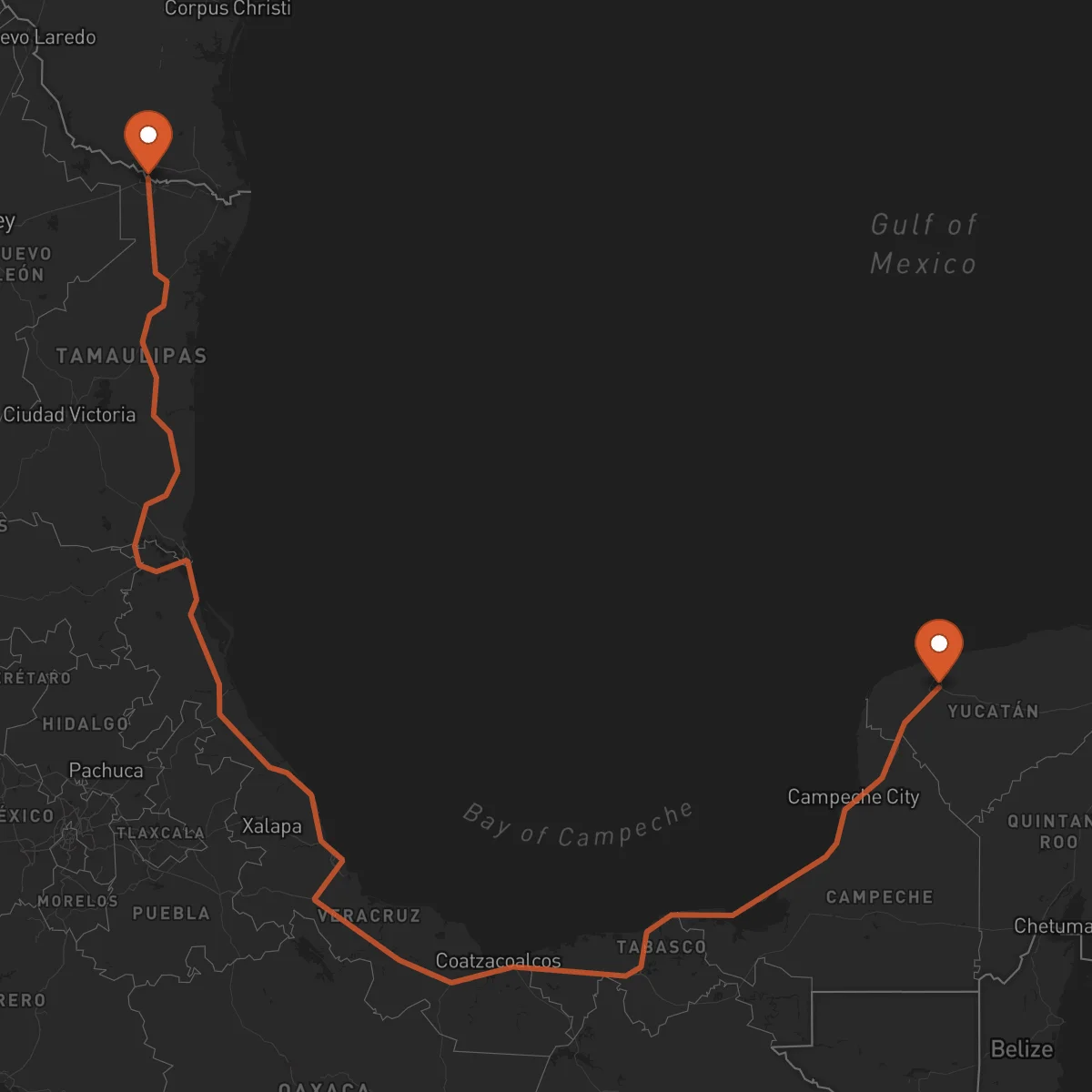
The Reynosa-Mérida corridor represents a vital logistics connection between northeastern Mexico and the Yucatán Peninsula, covering approximately 1,052 kilometers through the heart of the country. This domestic route links one of Mexico's most dynamic border industrial zones with the growing economic hub of southeastern Mexico, facilitating the flow of goods between regions with complementary economic profiles.
The corridor traverses diverse economic landscapes, connecting Tamaulipas's manufacturing and export-oriented economy with Yucatán's expanding industrial and tourism sectors. Along this route, we encounter key states including San Luis Potosí, Querétaro, and Campeche, each contributing to the corridor's strategic importance for national supply chains.
This transportation artery serves primarily manufacturing, automotive, and consumer goods industries, with significant volumes of raw materials moving south and finished products traveling north. The route also supports the agricultural and fishing sectors, connecting Yucatán's production with northern markets and industrial centers.
Control Terrestre optimizes operations on this corridor through our specialized full truckload services, ensuring efficient cargo movement with our certified transportation partners. Our expertise in managing long-haul domestic routes guarantees reliable delivery times and secure handling of your freight throughout this strategic connection between Mexico's northern and southeastern regions.
Services for this Route
Available services for the corridor Reynosa - Mérida
 Origin
Reynosa
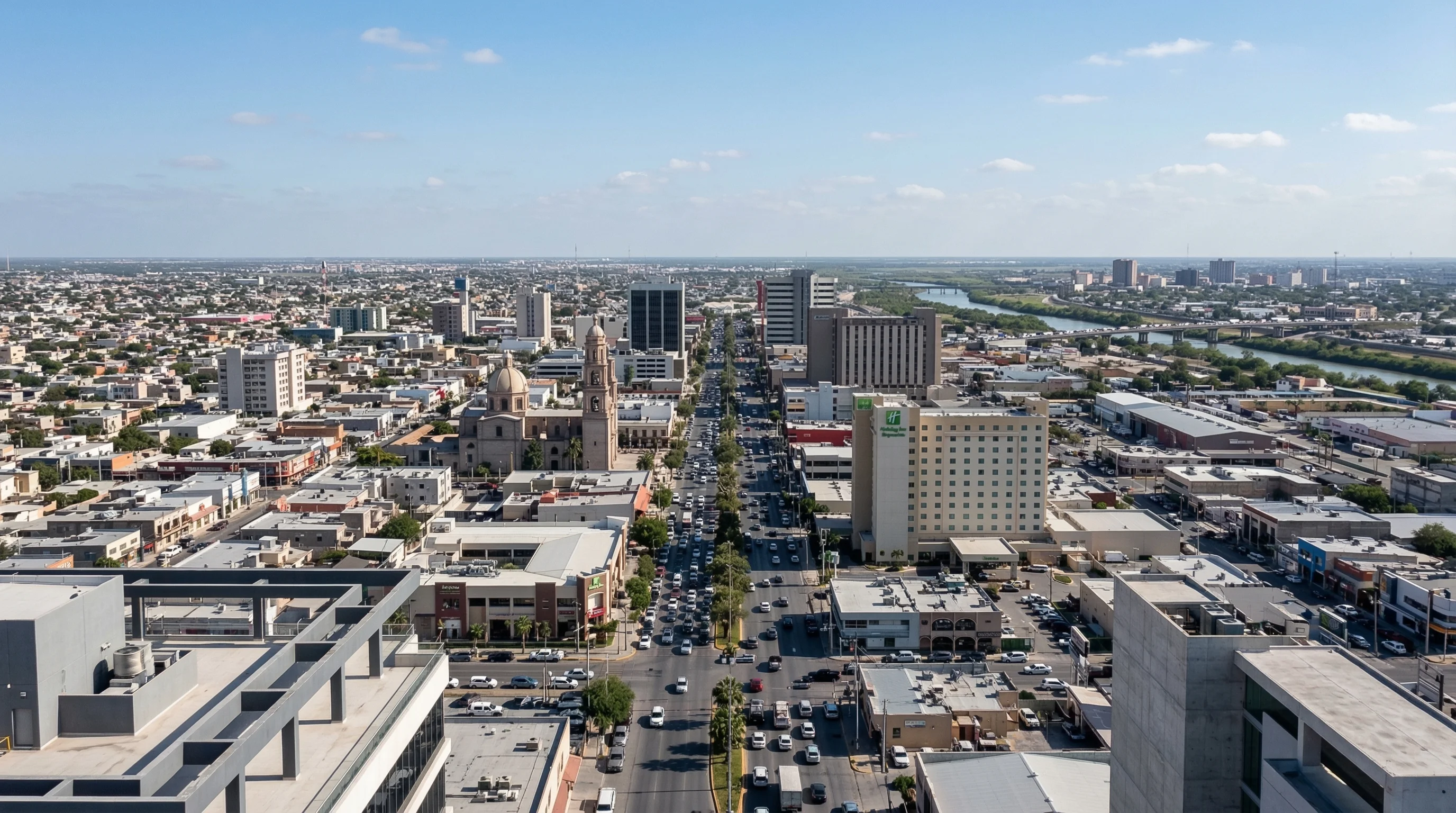
Reynosa stands as a strategic logistics gateway on Mexico's northern border, positioned directly across from McAllen, Texas. This location creates a natural convergence point for international trade, with the city serving as a critical node in the Mexico-U.S. supply chain. The area benefits from its proximity to major border crossings and its integration with the broader maquiladora industry network.
The city's economy thrives on manufacturing, particularly in the automotive, electronics, and aerospace sectors. Reynosa hosts numerous industrial parks housing multinational companies that depend on efficient transportation networks. The presence of the Pharr-Reynosa International Bridge, one of the busiest commercial crossings on the border, enhances the region's connectivity to U.S. markets.
Transportation infrastructure in Reynosa includes direct access to Federal Highway 85, connecting to Monterrey and the U.S. border, as well as Federal Highway 180 toward Veracruz. The city's industrial parks feature modern warehousing facilities, and the region benefits from rail connections through Kansas City Southern de México, creating multimodal transportation options for businesses operating in the area.
 Destination
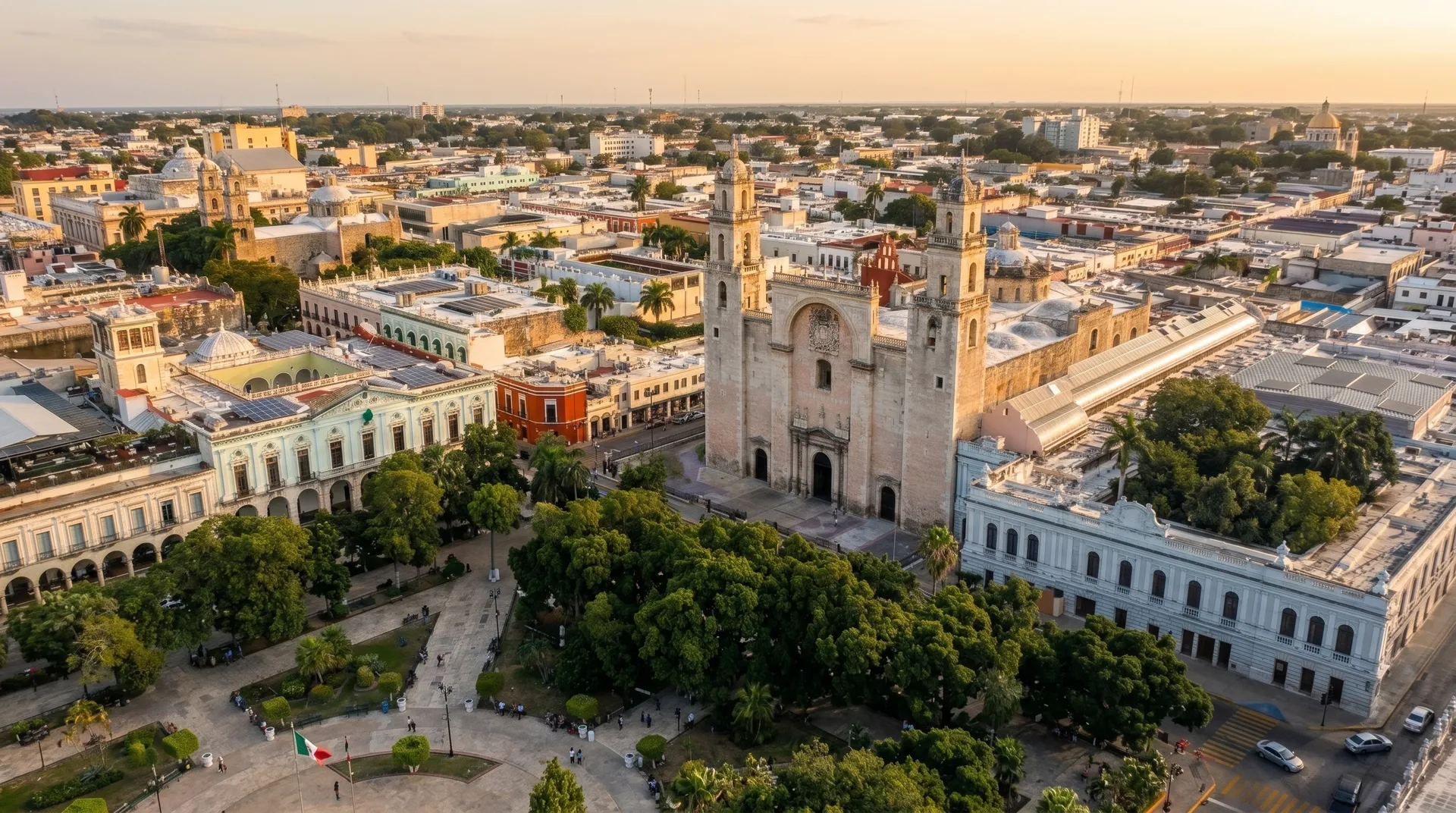
Mérida serves as the economic and logistical center of the Yucatán Peninsula, offering unique strategic advantages for regional distribution. Located in southeastern Mexico, the city connects the peninsula's growing industrial base with national and international markets. Its position provides access to both Caribbean and Gulf of Mexico trade routes, making it an increasingly important logistics hub for southeastern Mexico.
The city's economy has diversified beyond traditional tourism to include manufacturing, particularly in the automotive and aerospace sectors. Mérida hosts industrial parks specializing in advanced manufacturing and aerospace components, with companies like Boeing and Airbus establishing operations in the region. The growing industrial base creates substantial demand for reliable transportation services connecting the peninsula with the rest of Mexico.
Transportation infrastructure in Mérida includes modern highway connections via Federal Highway 180 to the north and Federal Highway 261 to the south. The city's Manuel Crescencio Rejón International Airport supports air cargo operations, while the nearby Puerto de Altura de Progreso provides maritime shipping capabilities. These multimodal options, combined with well-maintained road networks, ensure efficient distribution throughout the Yucatán Peninsula and beyond.










