Puntarenas to Torreón
Torreón → PuntarenasFTL freight transportation service between Puntarenas and Torreón. Reliable logistics solutions for your business.
Route Description
Everything you need to know about the corridor Puntarenas - Torreón
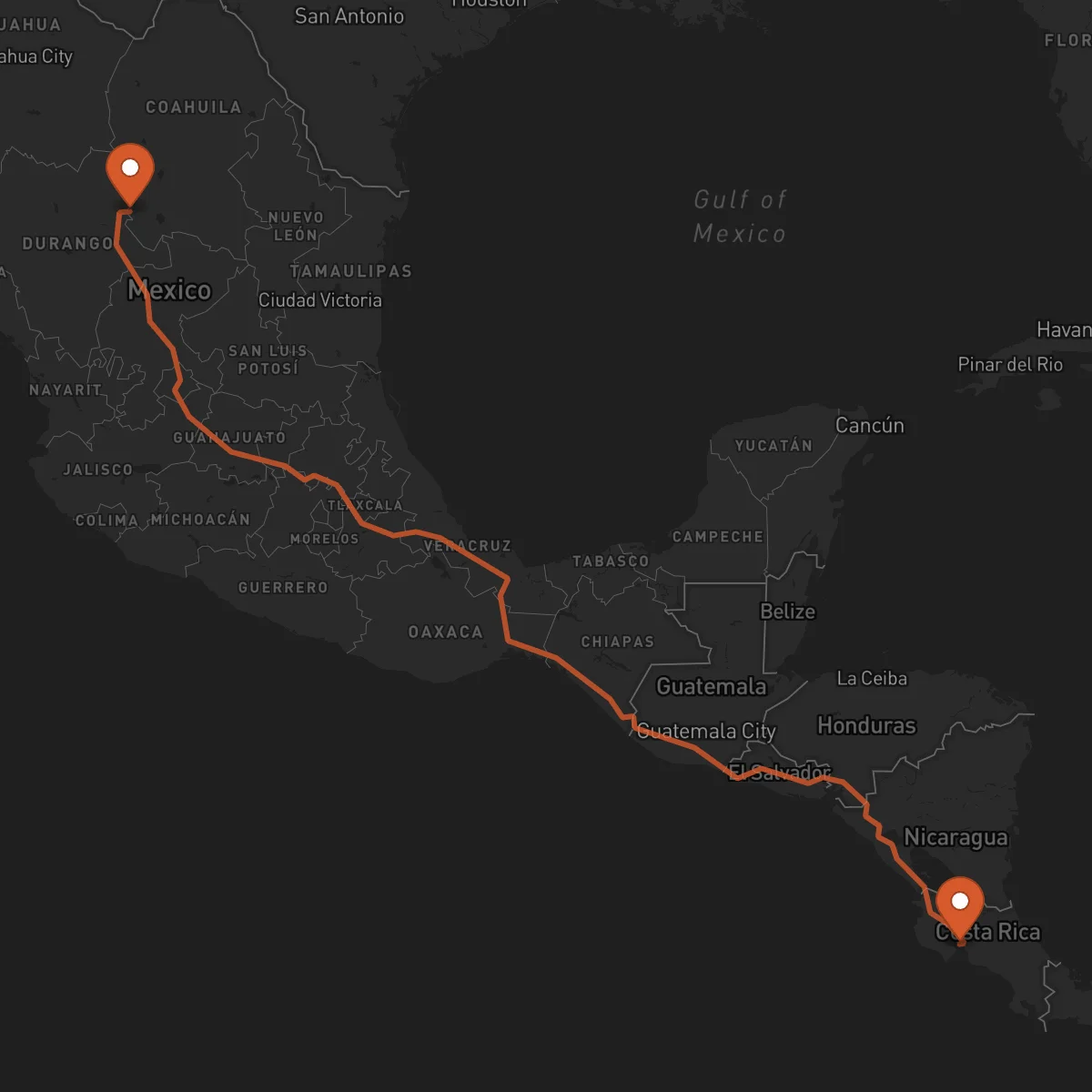
The Puntarenas-Torreón corridor represents a vital cross-border logistics artery connecting the Pacific gateway of Central America with one of Mexico's key industrial regions. Spanning approximately 2,614 kilometers, this route facilitates the critical movement of goods between Costa Rica's export-oriented economy and the manufacturing heartland of northern Mexico. Strategically, it enables efficient north-south trade within the continent, bypassing more congested maritime routes and offering a reliable land-based alternative for time-sensitive and high-value cargo.
Economically, the corridor serves dynamic industrial zones. Puntarenas is a primary exit point for Costa Rican agricultural products like bananas, coffee, and pineapples, alongside growing light manufacturing. Torreón, located in the Comarca Lagunera, is a major hub for textiles, automotive parts, metalworking, and agricultural processing (notably cotton and alfalfa). The flow is bidirectional: raw materials and components move south, while finished manufactured goods and industrial supplies travel north. This creates a consistent demand for full truckload (FTL) capacity.
The primary transportation infrastructure relies on a network of major highways. Southbound traffic utilizes the Pan-American Highway (CA-1) from Costa Rica through Nicaragua, Honduras, Guatemala, and into Mexico. In Mexico, Federal Highways 190 and 140 connect to the central plateau, where Federal Highway 40 and 57 form the final leg into the Torreón metropolitan area. Key border crossings, such as those at Guatemala-Mexico (e.g., Ciudad Hidalgo/Tecún Umán) and Mexico's internal checkpoints, require meticulous customs documentation and compliance with regulations like C-TPAT and FAST for streamlined transit.
Control Terrestre facilitates seamless operations on this corridor through our strategic alliance of certified providers. We manage the entire cross-border process, ensuring compliance with customs and safety standards (including BASC and Responsible Care for specialized cargo). Our exclusive focus on FTL means we provide dedicated, expedited, and specialized solutions—including refrigerated, flatbed, and tanker options—tailored to the corridor's diverse cargo needs. By coordinating door-to-door service and leveraging our providers' expertise in Central American and Mexican regulations, we optimize supply chains for shippers moving goods between these two critical economic points.
Services for this Route
Available services for the corridor Puntarenas - Torreón
 Origin
Puntarenas
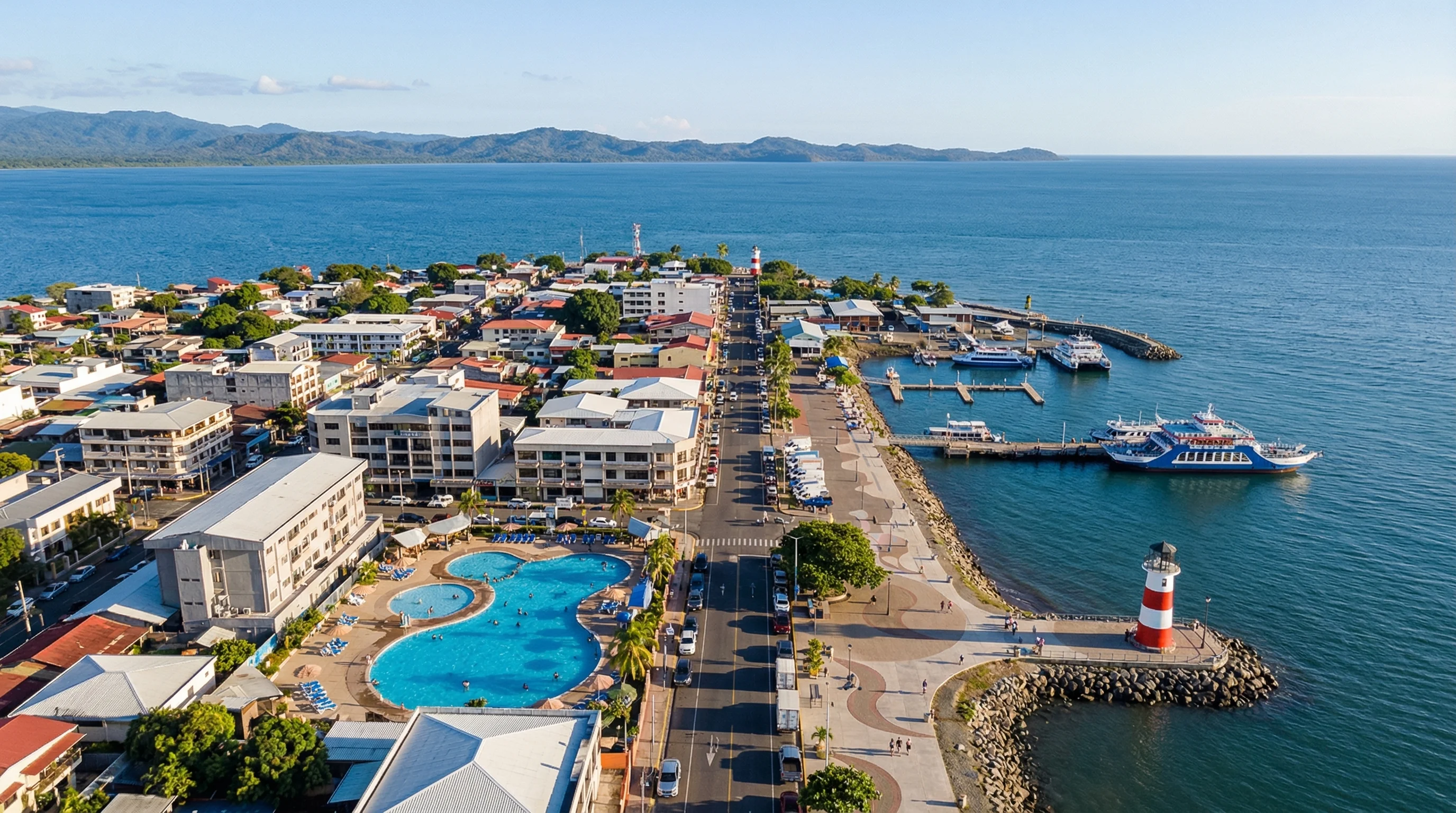
Puntarenas, located on Costa Rica's Pacific coast, is a strategic maritime and logistics hub for Central America. Its primary significance stems from the Port of Puntarenas, one of the region's busiest ports, handling a vast volume of exports, particularly agricultural commodities like bananas, coffee, and tropical fruits. The city functions as the main logistics gateway for Costa Rican goods destined for North America and beyond. Key economic sectors include agribusiness, fishing, and tourism, with growing light industrial activity in its surrounding free trade zones. The transportation infrastructure is anchored by the port itself, supported by Highway 1 (the Pan-American Highway segment) which provides the crucial land connection north to San José and the rest of Central America, making it the indispensable starting point for overland freight from the region.
 Destination
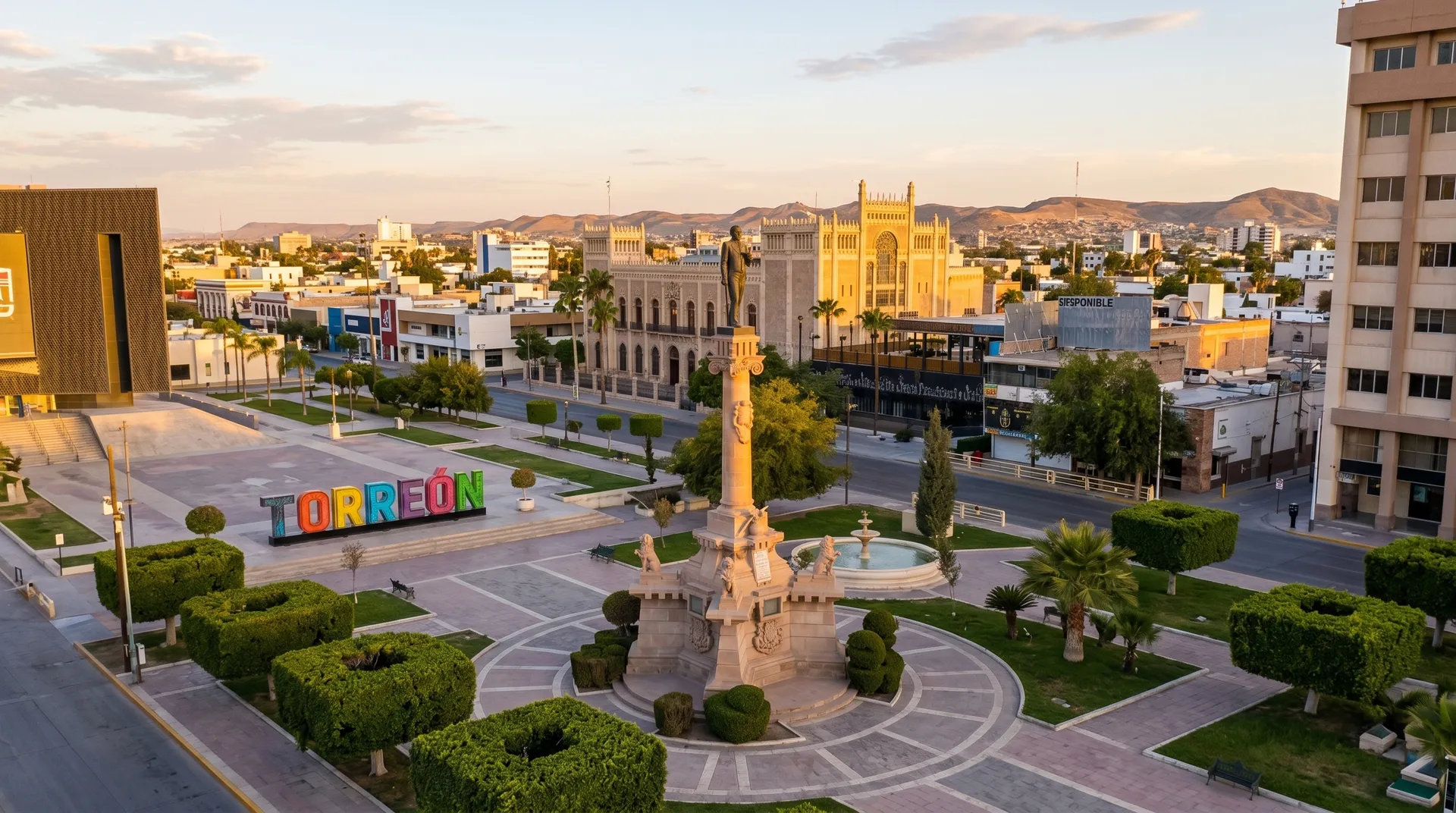
Torreón, in the state of Coahuila, is a pivotal industrial and logistics center in northern Mexico's Comarca Lagunera region. Its strategic location is defined by proximity to the U.S. border and a robust manufacturing base. The economy is dominated by textiles and apparel manufacturing, but also features strong automotive parts production, metal mechanics, and agro-industry (processing cotton, dairy, and livestock). Major infrastructure includes Federal Highways 40 and 57, which are part of Mexico's primary freight network, connecting the city to the U.S. border at Laredo/Pharr and to central Mexico. Additionally, it is served by a significant railway junction and has developed logistics parks and warehousing facilities, making it a critical consolidation and distribution point for goods moving throughout northern Mexico and into the United States.










