Puntarenas to Celaya
Celaya → PuntarenasFTL freight transportation service between Puntarenas and Celaya. Reliable logistics solutions for your business.
Route Description
Everything you need to know about the corridor Puntarenas - Celaya
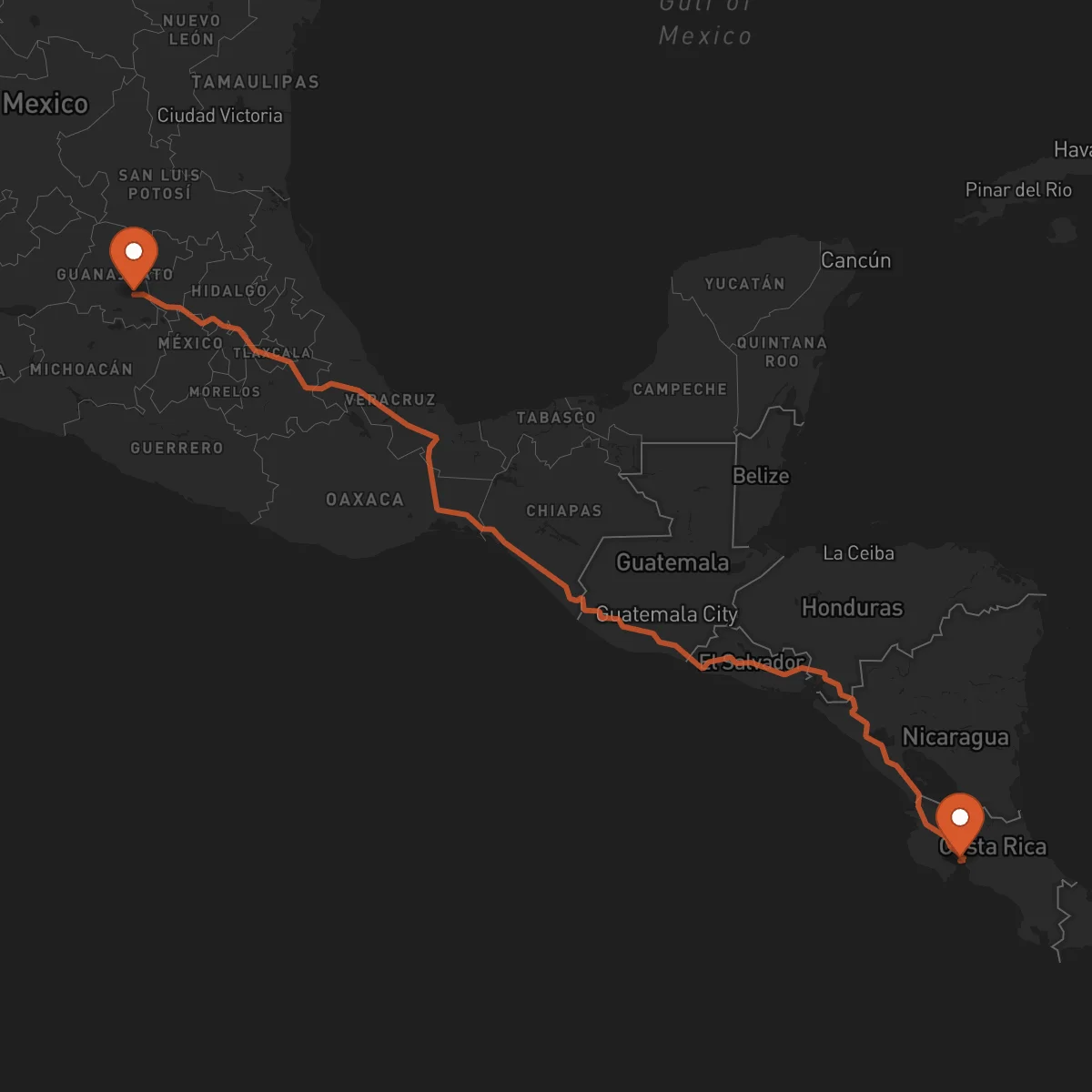
The Puntarenas-Celaya corridor is a vital north-south artery connecting Costa Rica's primary Pacific port to Mexico's dynamic industrial Bajío region. Spanning approximately 2,075 km through Central America and into Mexico, this cross-border route is strategically essential for moving goods between the Pacific coast and one of Mexico's most significant manufacturing and agricultural hubs. The economic context is driven by robust trade flows: Costa Rican exports such as agricultural products, medical devices, and manufactured goods find a major market in Mexico's interior, while Mexican industrial products, including automotive components and processed foods, flow south to Costa Rica and beyond. Key industries leveraging this corridor include agriculture (bananas, coffee, pineapple), food and beverage processing, medical and precision manufacturing, and the automotive supply chain. The transportation infrastructure relies on a network of major highways, including Costa Rica's Route 1, the Pan-American Highway through Central America, and Mexico's Federal Highway 90 and 45D. Critical border crossings, such as those at the Guatemala-Mexico frontier (e.g., Tecún Umán/ Ciudad Hidalgo), require meticulous customs documentation and compliance. Control Terrestre facilitates seamless operations on this corridor through our robust alliance of certified providers. Our expertise in cross-border freight, combined with our partners' certifications including BASC for Costa Rican security standards and Mexican customs compliance, ensures efficient transit. We manage the complexities of multi-country documentation, customs clearance, and border coordination, providing our clients with a single point of contact for their dedicated FTL, refrigerated, or specialized cargo needs across this strategic route.
Services for this Route
Available services for the corridor Puntarenas - Celaya
 Origin
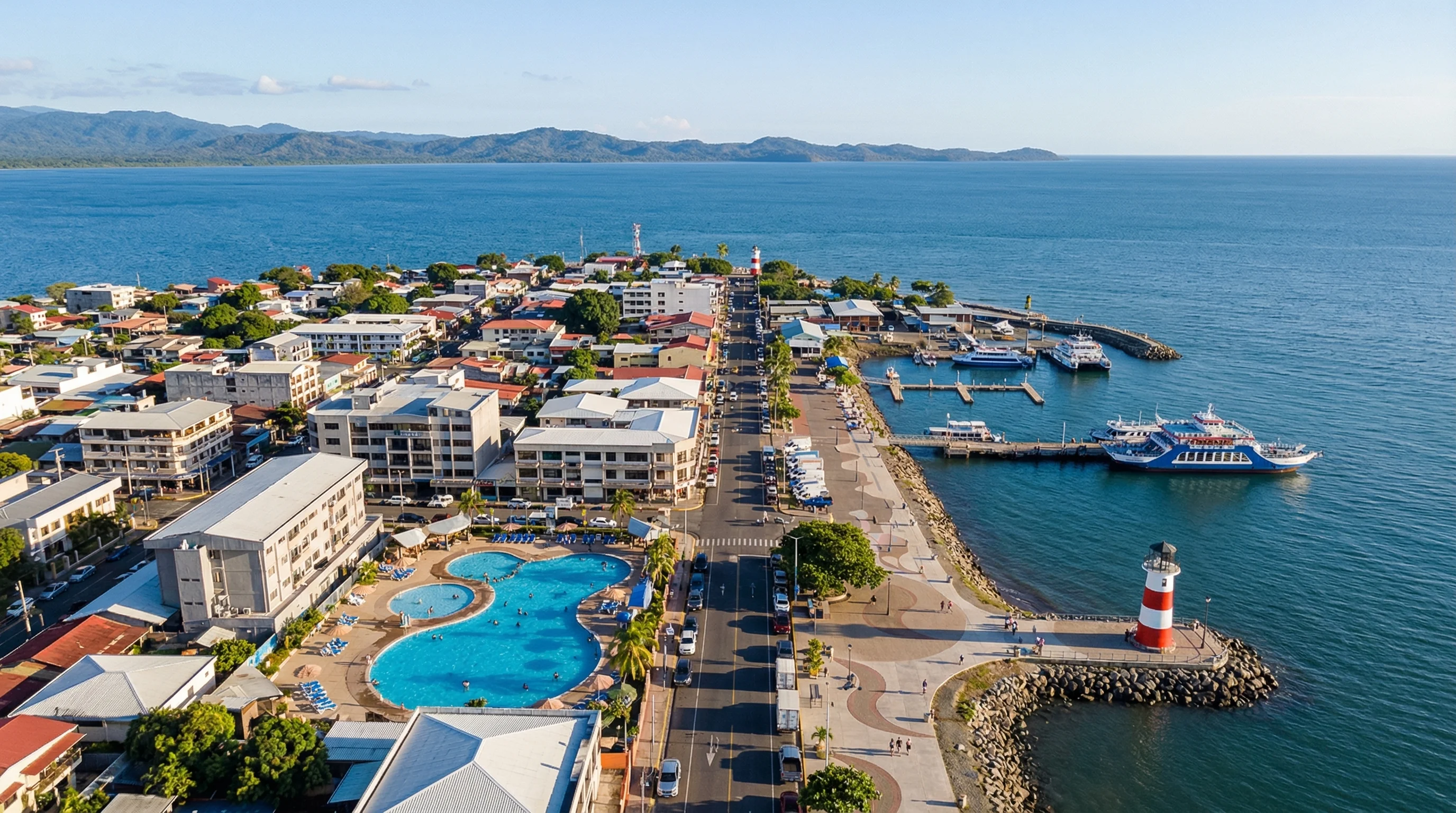
Puntarenas
Puntarenas, located on Costa Rica's Pacific coast, serves as the nation's principal maritime gateway and a crucial logistics hub for Central America. Its strategic location provides direct ocean access, making it the primary port for international trade entering and leaving Costa Rica and a key transshipment point for the region. The local economy is heavily influenced by the port, supporting extensive export activities in agriculture—most notably bananas, coffee, and pineapple—as well as growing sectors in medical devices and light manufacturing. The available transportation infrastructure is centered on the Port of Puntarenas, which handles containerized and bulk cargo. Key terrestrial connections include National Route 1, the main highway linking the port to the capital, San José, and the broader Central American road network. This infrastructure allows for efficient consolidation of full truckload (FTL) cargo destined for the north, positioning Puntarenas as the optimal starting point for supply chains targeting Mexico and the United States.
 Destination
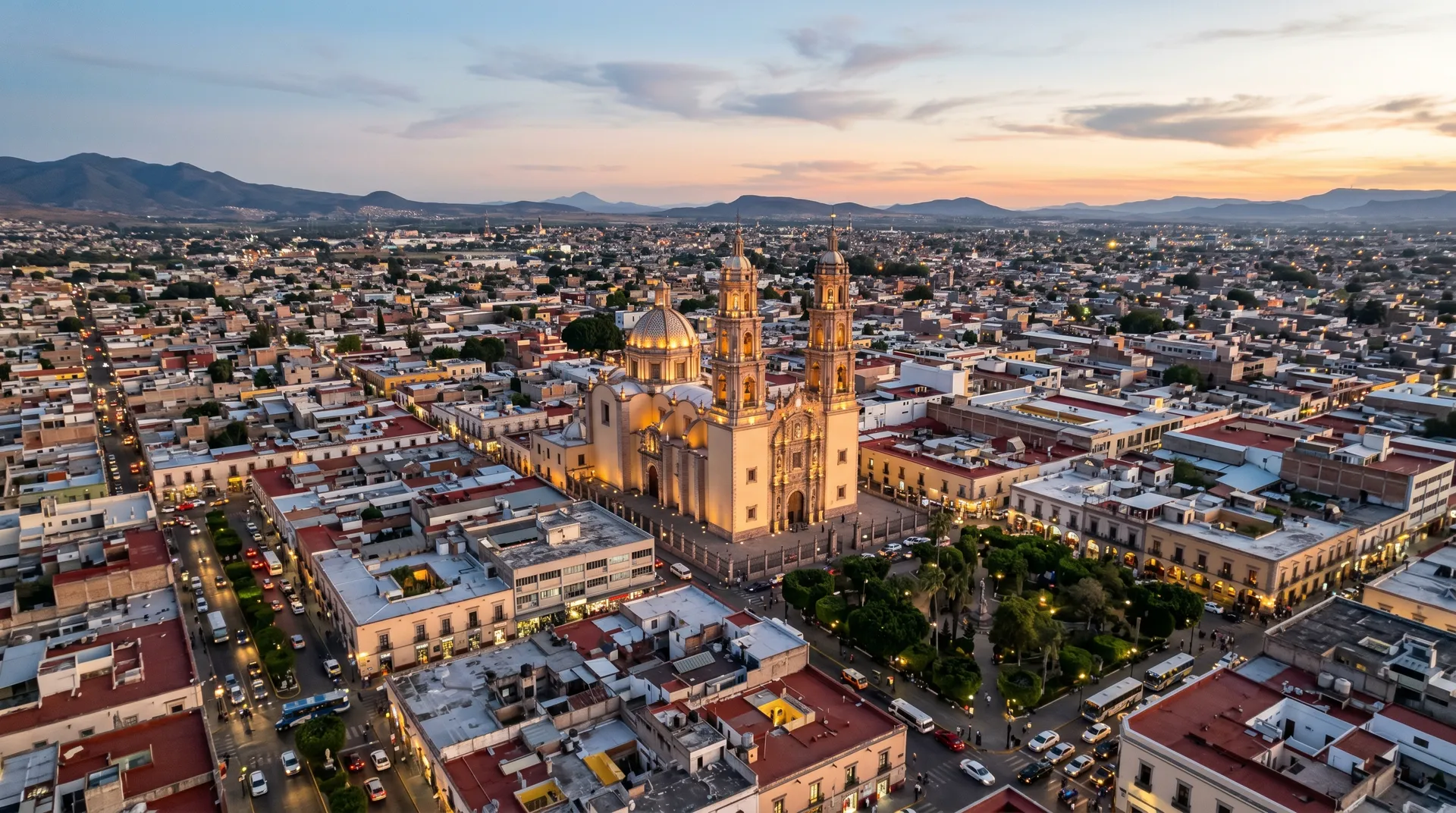
Celaya
Celaya, in the state of Guanajuato, is a pivotal logistics and industrial center within Mexico's renowned Bajío region, often called the 'Mexico of the Future' for its economic dynamism. Its strategic location is defined by its central position in the country, offering excellent connectivity to major production and consumption zones, including Mexico City, Monterrey, and the U.S. border. The city's economy is dominated by advanced manufacturing, particularly the automotive industry with a strong presence of Tier 1 and 2 suppliers serving plants like General Motors in Silao and Volkswagen in Puebla. Additionally, Celaya is a major hub for food processing, producing a significant portion of Mexico's cookies, chocolates, and dairy products. The transportation infrastructure is robust, anchored by Federal Highway 90, which provides a direct, high-capacity link to Mexico City and the port of Veracruz, and Federal Highway 45D, connecting to the industrial north. This network, coupled with proximity to the Querétaro Intercontinental Airport, makes Celaya an ideal distribution and manufacturing node for domestic and cross-border freight, efficiently receiving FTL shipments from Central America.










