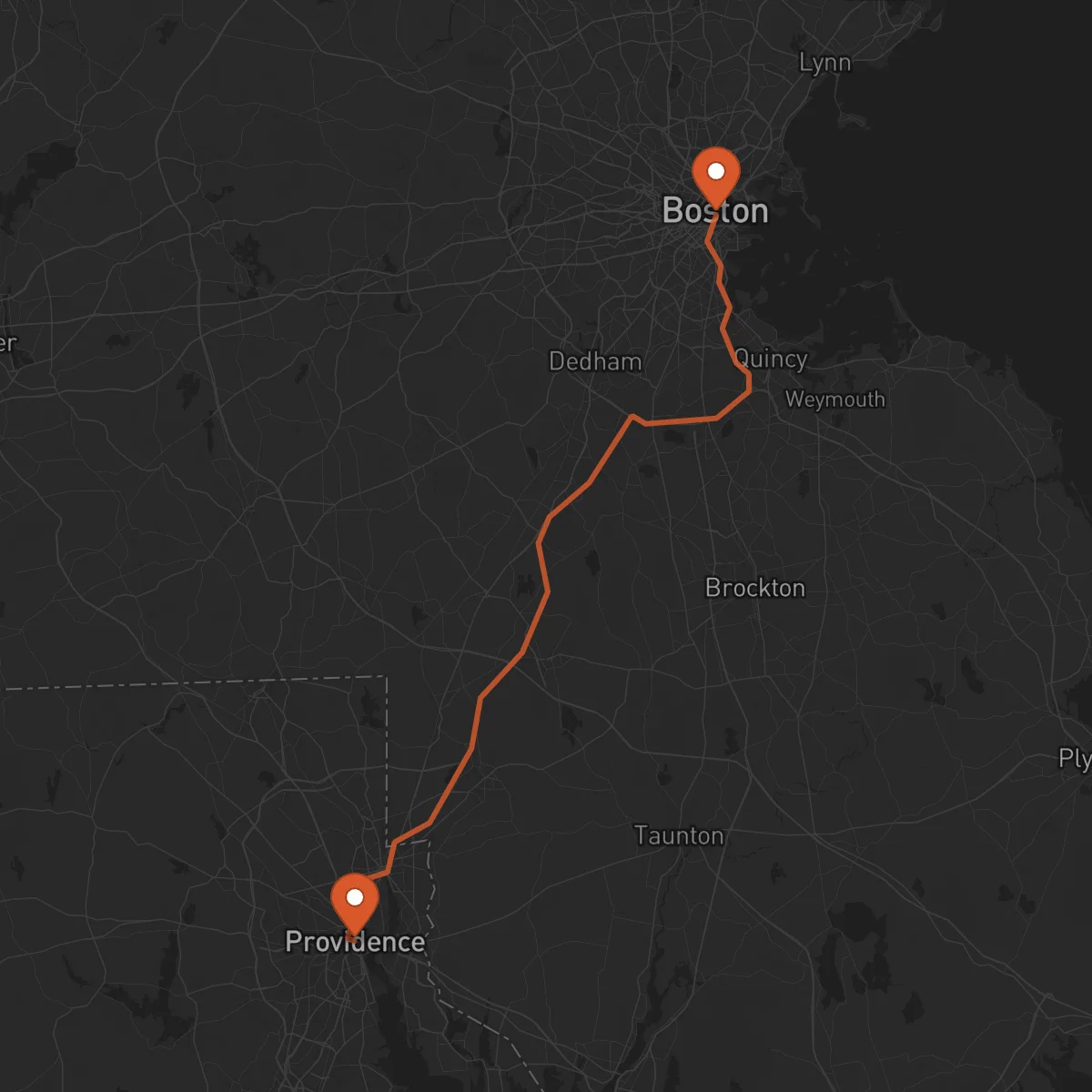
Providence to Boston
Boston → ProvidenceFTL freight transportation service between Providence and Boston. Reliable logistics solutions for your business.
Route Description
Everything you need to know about the corridor Providence - Boston
The logistics corridor connecting Providence, Rhode Island, to Boston, Massachusetts, represents a vital transportation link in the Northeast United States, spanning approximately 66 kilometers. This strategic route connects two of New England's most important economic centers, facilitating the movement of goods between Rhode Island's capital and Massachusetts' largest city. The corridor's significance lies in its ability to support the high-volume trade and commerce that characterizes this densely populated region of the country.
The economic relationship between Providence and Boston is deeply intertwined, with both cities serving as major hubs for education, healthcare, technology, and advanced manufacturing. This corridor enables the efficient flow of materials, components, and finished products between businesses in both metropolitan areas. The route primarily follows Interstate 95 (I-95) and the Massachusetts Turnpike (I-90), providing reliable access through some of the most developed transportation infrastructure in the United States.
Control Terrestre specializes in full truckload (FTL) transportation services along this corridor, offering dedicated freight solutions that meet the specific needs of businesses operating between Providence and Boston. Our network of certified carriers ensures that cargo moves efficiently and securely, whether it's time-sensitive shipments, specialized equipment, or standard freight. We understand the unique challenges of Northeast corridor transportation, including traffic patterns and seasonal weather conditions, and we optimize our operations to maintain consistent service quality throughout the year.
Services for this Route
Available services for the corridor Providence - Boston
 Origin
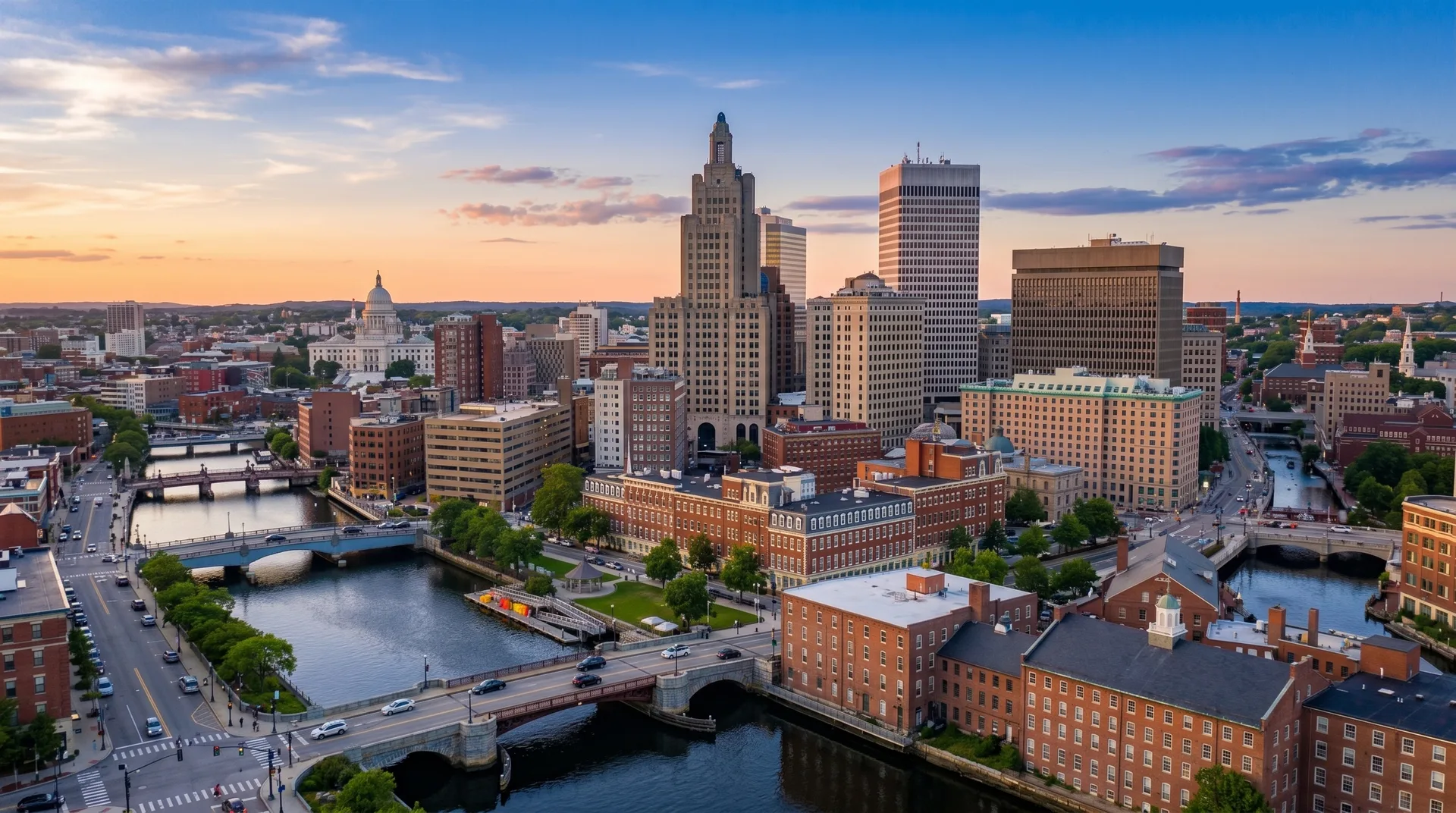
Providence
Providence, Rhode Island, serves as a strategic logistics hub in the Northeast, offering excellent connectivity to major markets throughout the region. The city's location provides direct access to I-95, the primary north-south corridor along the East Coast, as well as I-195, which connects to southeastern Massachusetts and beyond. T.F. Green Airport, located just south of the city, supports air cargo operations, while the Port of Providence provides maritime shipping capabilities. The city's compact size and well-developed road network make it an efficient origin point for freight distribution throughout New England.
The economic landscape of Providence is diverse, with strong presence in education, healthcare, finance, and advanced manufacturing sectors. The city is home to Brown University and the Rhode Island School of Design, contributing to a knowledge-based economy. Manufacturing remains significant, particularly in jewelry, electronics, and biomedical devices. The presence of major hospitals and research institutions creates consistent demand for specialized freight services, including medical equipment and supplies. Providence's growing technology sector also generates regular shipping needs for electronic components and high-value equipment.
 Destination
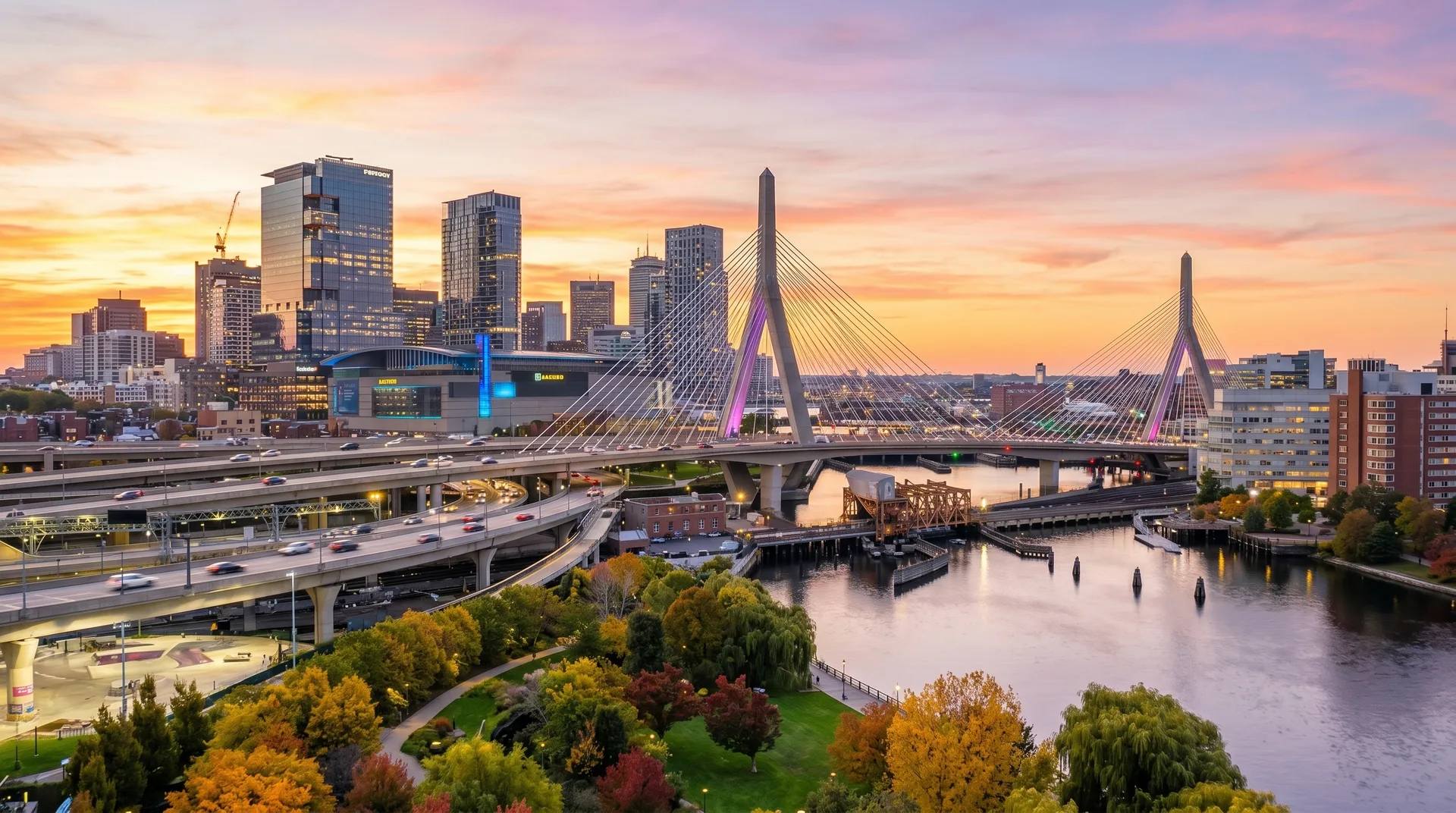
Boston
Boston, Massachusetts, stands as one of the most important logistics and economic centers in the Northeast United States. The city's strategic location provides access to major transportation networks, including I-90 (Massachusetts Turnpike) and I-93, which connect Boston to the broader New England region and beyond. Logan International Airport serves as a major cargo hub, while the Port of Boston facilitates maritime freight operations. The city's extensive public transportation system and well-maintained road infrastructure support efficient freight movement throughout the metropolitan area.
Boston's economy is characterized by its strength in education, healthcare, finance, and technology sectors. The city hosts world-renowned institutions such as Harvard University and MIT, driving innovation and creating demand for specialized logistics services. The healthcare industry, centered around major medical centers like Massachusetts General Hospital and Brigham and Women's Hospital, requires reliable transportation for medical supplies, equipment, and pharmaceuticals. Boston's financial district generates consistent shipping needs for documents, technology equipment, and business supplies. The city's thriving biotechnology and life sciences sectors also create specialized freight requirements for research materials and laboratory equipment.










