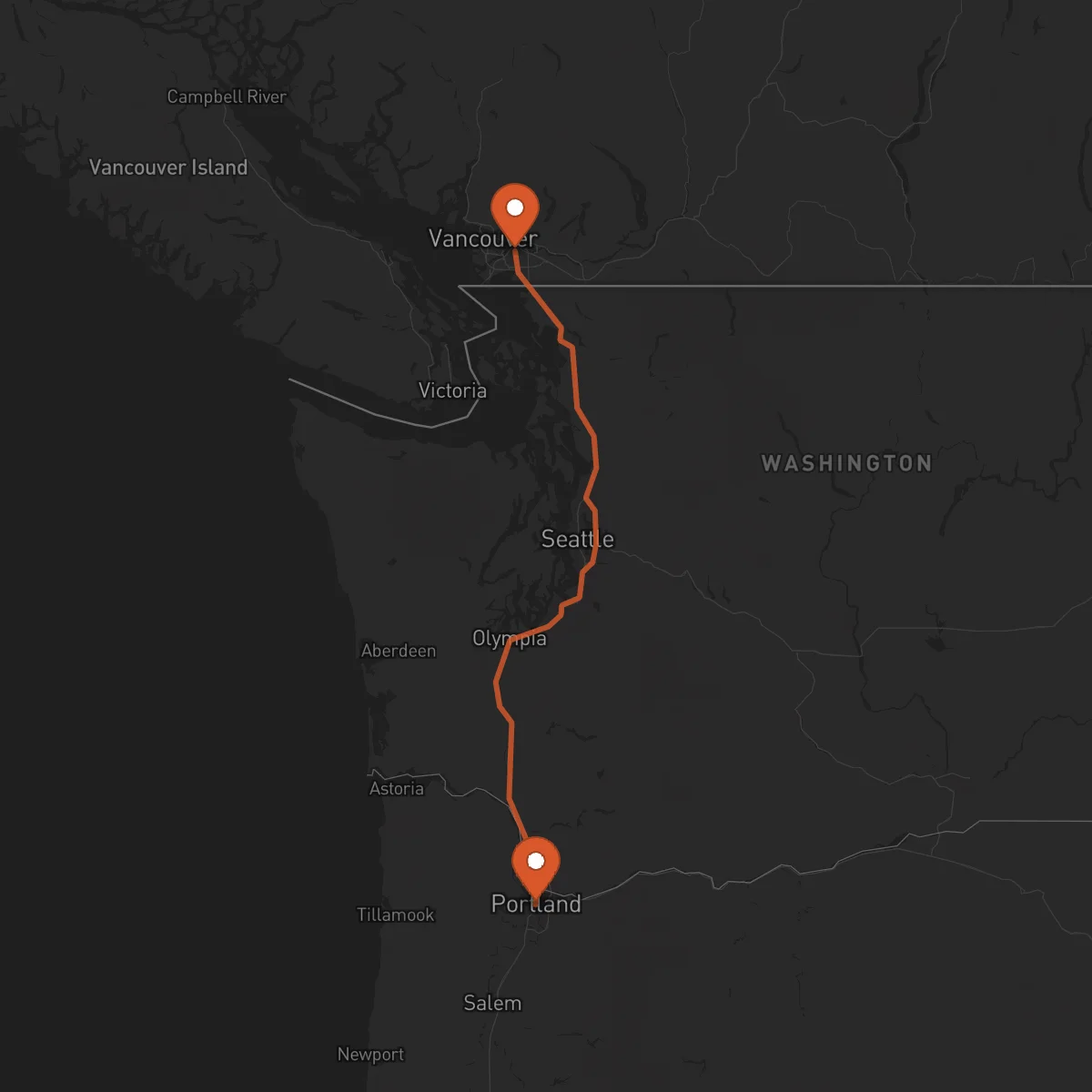
Portland to Surrey
Surrey → PortlandFTL freight transportation service between Portland and Surrey. Reliable logistics solutions for your business.
Route Description
Everything you need to know about the corridor Portland - Surrey
The Portland to Surrey corridor represents a vital cross-border logistics route connecting the Pacific Northwest of the United States with Canada's British Columbia region. This 409 km corridor facilitates the movement of goods between two major economic centers, linking Oregon's industrial base with the Vancouver metropolitan area's distribution networks. The route traverses diverse terrain including the Columbia River Gorge and the Cascade Mountains, requiring specialized transportation expertise to ensure efficient and reliable freight movement.
The corridor serves a wide range of industries including technology, manufacturing, agriculture, and retail. Portland's status as a major West Coast port city complements Surrey's role as a key logistics hub in the Greater Vancouver area. The route supports both import and export activities, with goods flowing in both directions to meet the demands of integrated North American supply chains. This corridor is particularly important for time-sensitive shipments and just-in-time inventory management.
Key transportation infrastructure includes Interstate 5 (I-5) and Highway 99, which provide the primary north-south connection between the two cities. The route crosses the US-Canada border at Blaine, Washington, where efficient customs processing is essential for maintaining supply chain velocity. Control Terrestre's expertise in cross-border operations ensures seamless freight movement through customs, leveraging our C-TPAT certification and established relationships with customs officials to minimize delays and optimize transit times.
Services for this Route
Available services for the corridor Portland - Surrey
 Origin
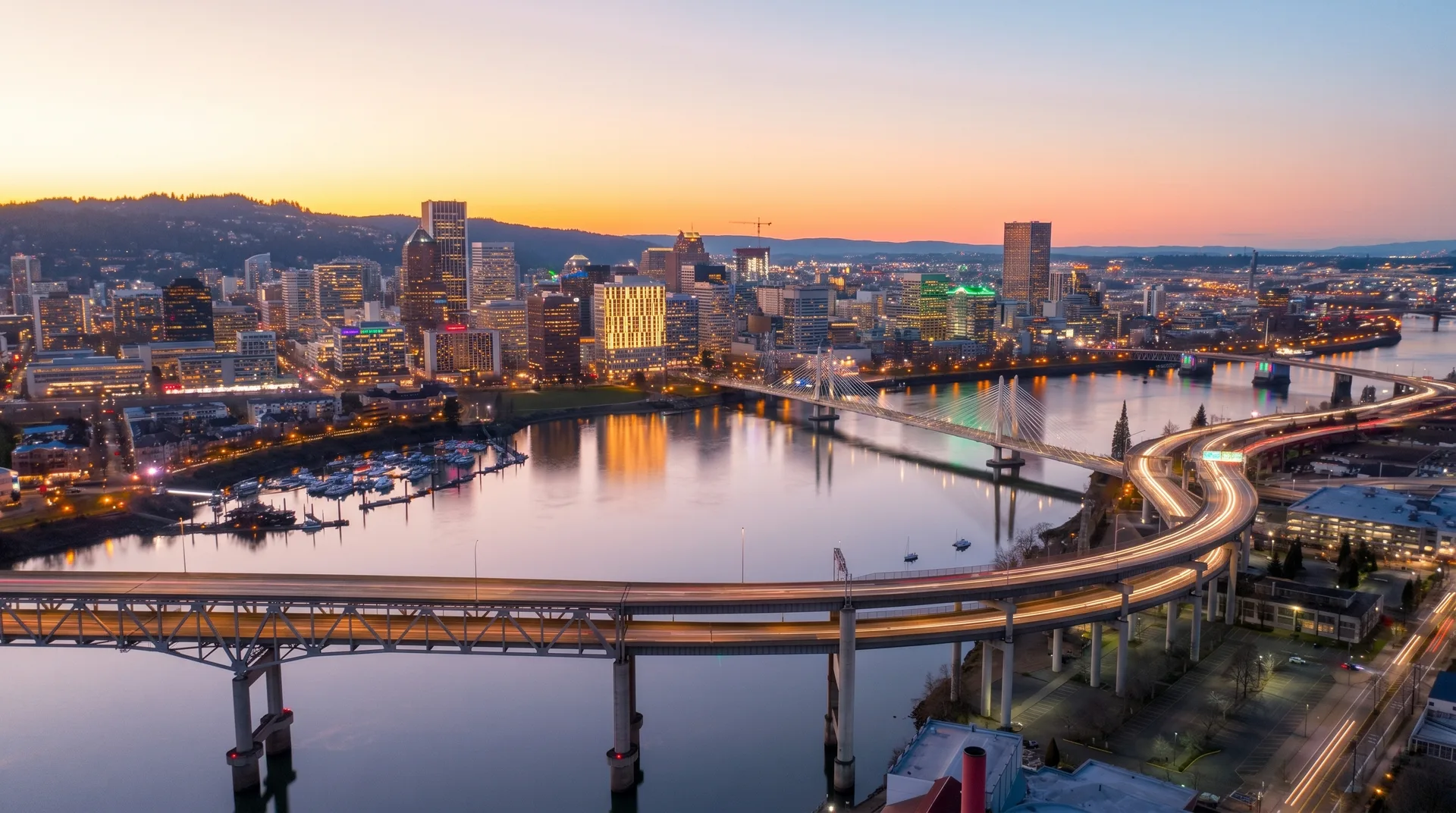
Portland
Portland, Oregon serves as a strategic logistics hub on the West Coast, offering exceptional connectivity to major markets. The city's location at the confluence of the Willamette and Columbia Rivers provides unique multimodal transportation options, combining port facilities with extensive highway networks. Portland's robust infrastructure includes direct access to Interstate 5 and Interstate 84, facilitating efficient distribution throughout the Pacific Northwest and beyond. The city's commitment to sustainable transportation and green logistics aligns with modern supply chain requirements.
The region's economy is diverse, with strong presence in technology, manufacturing, footwear and apparel, and agriculture. Major companies in these sectors rely on Portland's logistics capabilities to move goods efficiently. The city's proximity to major West Coast ports enables seamless integration of ocean and land transportation modes. Portland International Airport and the Port of Portland further enhance the region's multimodal transportation capabilities, making it an ideal origin point for cross-border freight movements.
 Destination
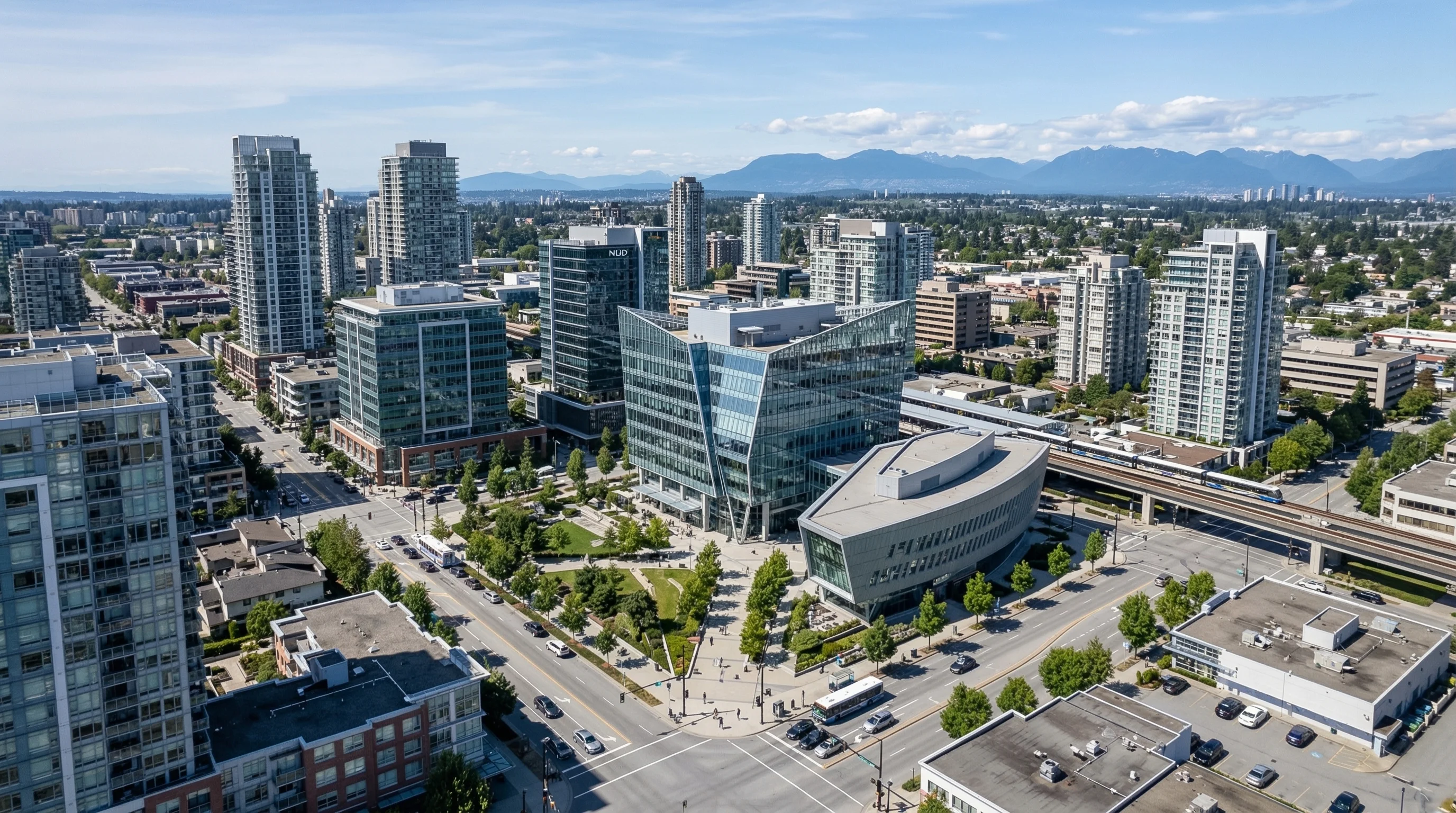
Surrey
Surrey, British Columbia is a rapidly growing logistics center within the Greater Vancouver area, strategically positioned to serve both local and international markets. The city's location in the Fraser Valley provides excellent access to major transportation routes, including Highway 99 and the Trans-Canada Highway. Surrey's proximity to the Canada-US border and the Port of Vancouver makes it a critical node in North American supply chains. The region's infrastructure supports efficient distribution to Vancouver, Seattle, and other major Pacific Northwest markets.
The local economy is characterized by strong growth in technology, manufacturing, and retail sectors. Surrey's designation as a key logistics hub has attracted significant investment in warehousing and distribution facilities. The city's transportation infrastructure includes direct rail connections and proximity to Vancouver International Airport, enabling multimodal freight solutions. Surrey's role in cross-border trade is enhanced by its location near major border crossings, facilitating smooth movement of goods between Canada and the United States.










