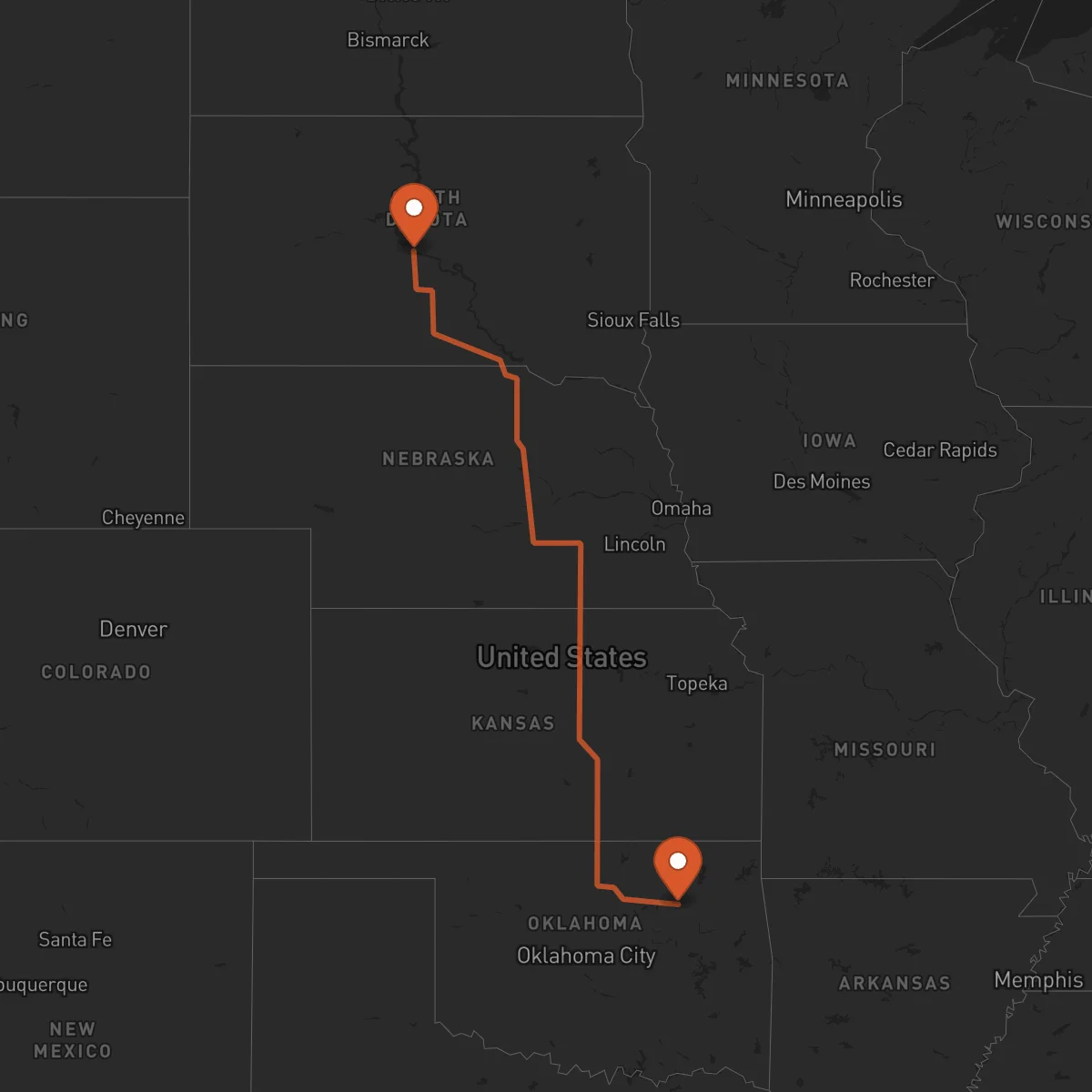
Pierre to Tulsa
Tulsa → PierreFTL freight transportation service between Pierre and Tulsa. Reliable logistics solutions for your business.
Route Description
Everything you need to know about the corridor Pierre - Tulsa
The freight transportation corridor between Pierre, South Dakota, and Tulsa, Oklahoma, represents a vital link in the Midwest logistics network, covering approximately 985 kilometers of strategic terrain. This domestic route connects the northern Great Plains with the southern central United States, facilitating the movement of goods between two economically significant regions. The corridor traverses diverse landscapes and passes through key commercial hubs, making it essential for businesses operating in both states and beyond.
The economic significance of this corridor extends beyond its geographical span. South Dakota's capital, Pierre, serves as a gateway to the northern agricultural heartland, while Tulsa stands as a major industrial and energy center in Oklahoma. The route supports the transportation of agricultural products, manufactured goods, and energy-related materials, contributing to the economic vitality of both regions. Key industries along this corridor include agriculture, manufacturing, energy, and retail distribution, all of which rely on efficient freight transportation to maintain their operations and supply chains.
Control Terrestre facilitates seamless operations along this corridor through our specialized full truckload (FTL) services. Our experienced network of transportation providers ensures reliable and timely delivery of goods, leveraging their knowledge of the route's specific challenges and requirements. We offer dedicated services, expedited shipping options, and specialized cargo handling to meet the diverse needs of businesses operating between Pierre and Tulsa. Our commitment to safety, efficiency, and customer satisfaction makes us the preferred choice for companies seeking to optimize their freight transportation along this crucial Midwest corridor.
Services for this Route
Available services for the corridor Pierre - Tulsa
 Origin
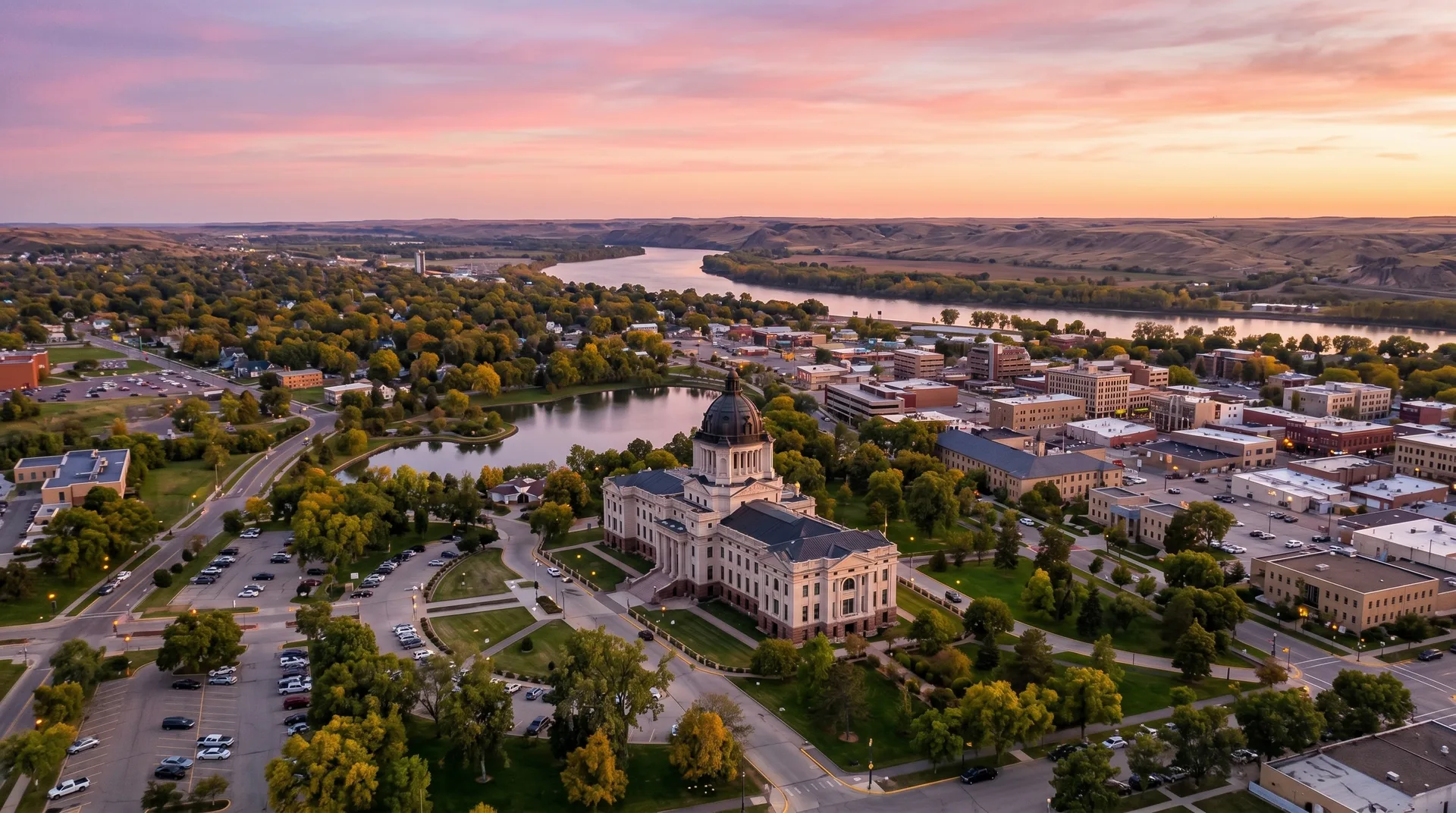
Pierre
Pierre, South Dakota, serves as a strategic origin point for logistics operations in the northern Great Plains region. Located along the Missouri River, Pierre's position offers unique advantages for freight transportation, connecting the agricultural heartland of South Dakota with broader national markets. The city's infrastructure includes well-maintained highways, such as US-14 and US-83, which provide direct access to major transportation routes. Pierre's role as the state capital also contributes to its logistical importance, with government-related freight and distribution activities supporting the local economy.
The main industries in Pierre and the surrounding region are centered around agriculture, government services, and manufacturing. The area is known for its production of grains, livestock, and other agricultural products, which require efficient transportation to reach markets across the country. Additionally, Pierre's proximity to major agricultural processing facilities makes it a key node in the food supply chain. The city's transportation infrastructure, including its regional airport and river port facilities, further enhances its capabilities for handling diverse freight needs, from bulk agricultural products to specialized equipment and supplies.
 Destination
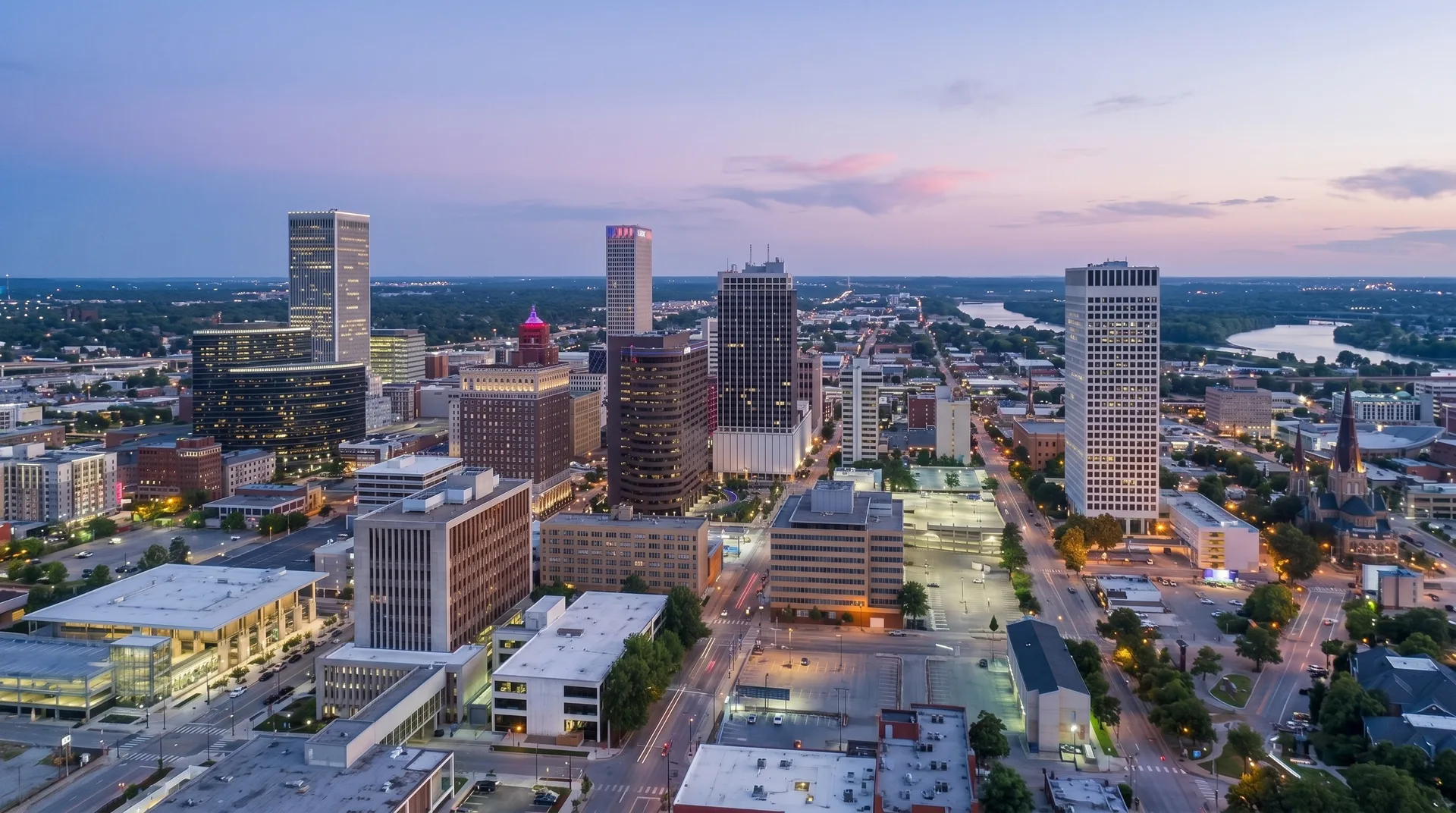
Tulsa
Tulsa, Oklahoma, stands as a major logistics and industrial hub in the southern central United States, making it a crucial destination for freight transportation from Pierre and beyond. The city's strategic location at the intersection of major highways, including I-44 and US-75, provides excellent connectivity to regional and national markets. Tulsa's infrastructure is well-developed, featuring a major international airport, extensive rail networks, and a busy port on the McClellan-Kerr Arkansas River Navigation System, facilitating diverse transportation options for incoming and outgoing freight.
The economic landscape of Tulsa is characterized by a strong presence in the energy sector, manufacturing, aerospace, and healthcare industries. As a historically significant center for the oil and gas industry, Tulsa continues to be a major player in energy-related logistics and distribution. The city's manufacturing sector produces a wide range of goods, from machinery and equipment to consumer products, all of which rely on efficient freight transportation. Additionally, Tulsa's growing healthcare industry and its role as a regional medical center contribute to the demand for specialized logistics services, including the transportation of medical supplies and equipment.










