Pierre to Cheyenne
Cheyenne → PierreFTL freight transportation service between Pierre and Cheyenne. Reliable logistics solutions for your business.
Route Description
Everything you need to know about the corridor Pierre - Cheyenne
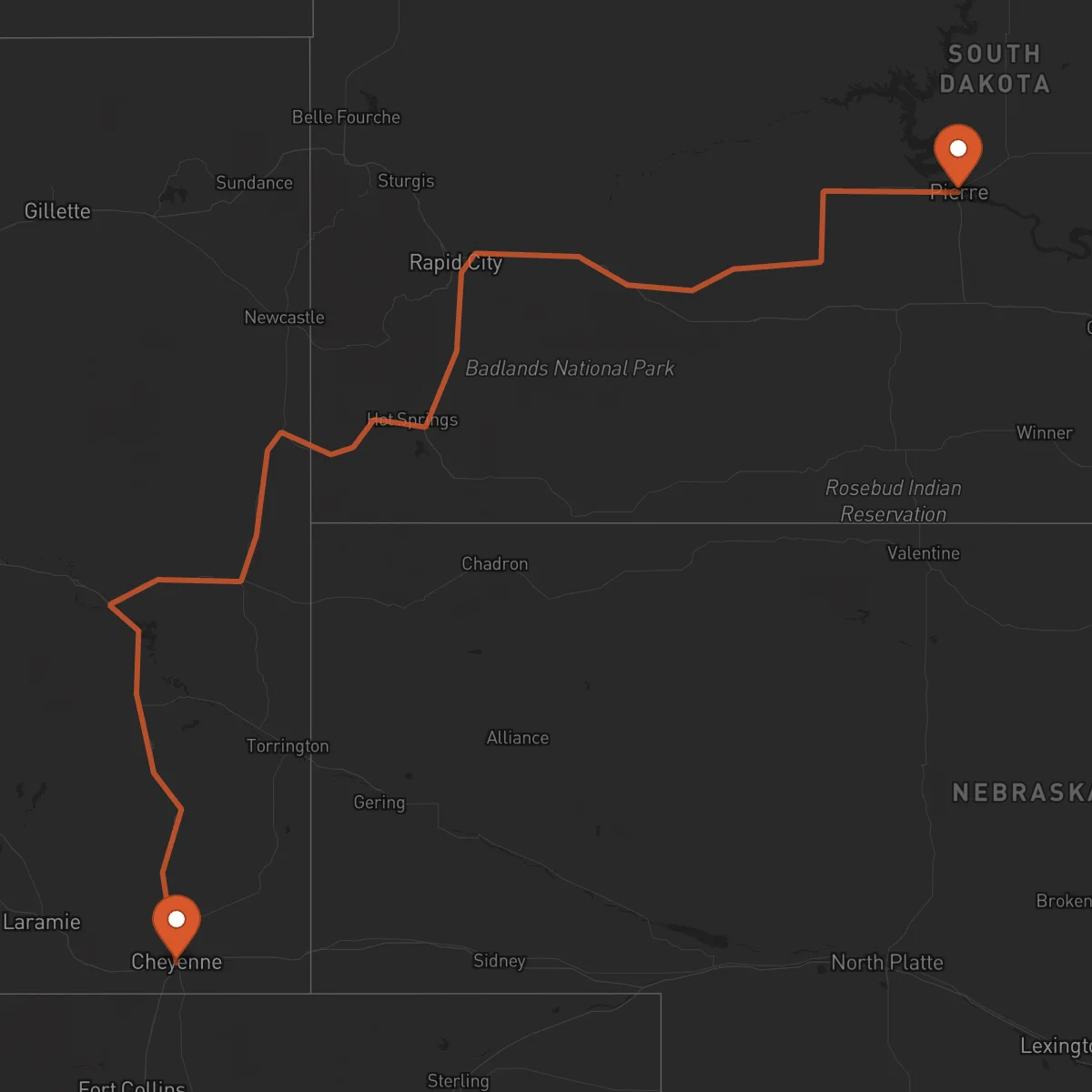
The logistics corridor connecting Pierre, South Dakota to Cheyenne, Wyoming represents a vital transportation link across the Northern Plains region of the United States. This 512-kilometer route traverses diverse terrain, connecting the state capital of South Dakota with Wyoming's capital city and serving as a critical artery for freight movement between the two states. The corridor facilitates the flow of goods across the Great Plains, supporting regional commerce and industrial activity.
The economic significance of this route extends beyond simple transportation. Both Pierre and Cheyenne serve as regional hubs for government operations, energy production, and agricultural activities. The corridor supports the movement of specialized equipment for the energy sector, agricultural products from the fertile plains of South Dakota, and manufactured goods destined for distribution throughout Wyoming and beyond. Key industries along this route include energy (particularly oil and natural gas), agriculture, government services, and manufacturing.
Transportation infrastructure along this corridor primarily consists of Interstate 25 and US Highway 85, providing reliable north-south connectivity. These highways offer excellent road conditions and are maintained year-round, though winter weather can occasionally impact transit times. The route passes through several smaller communities that contribute to the regional economy, including Casper, Wyoming, which serves as a major energy hub.
Control Terrestre specializes in providing full truckload (FTL) transportation services along this corridor, offering dedicated equipment and experienced drivers familiar with the unique challenges of this route. Our strategic partnerships with local carriers ensure consistent service quality and reliable transit times. We understand the specific requirements of industries operating in this region, from temperature-controlled shipments for agricultural products to specialized handling for oversized equipment used in energy production.
Services for this Route
Available services for the corridor Pierre - Cheyenne
 Origin
Pierre
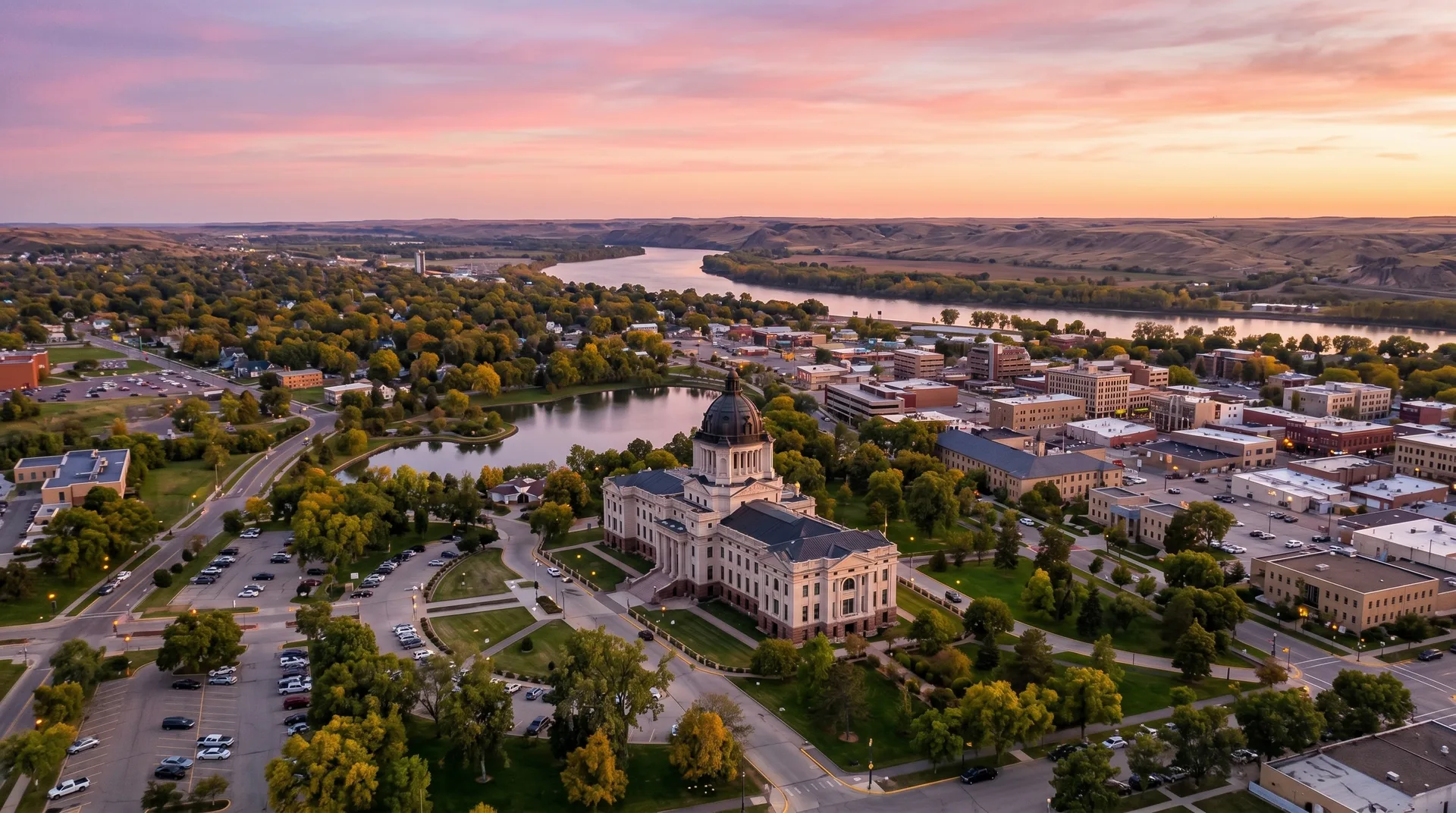
Pierre, South Dakota serves as a strategic logistics hub despite its relatively small size. Located in the geographic center of the state along the Missouri River, Pierre provides excellent access to major transportation routes and serves as a distribution point for goods throughout South Dakota and neighboring states. The city's central location makes it an ideal origin point for freight destined for various markets across the Northern Plains region.
The local economy is anchored by state government operations, healthcare, and agriculture-related industries. Pierre's proximity to agricultural areas in central and eastern South Dakota makes it a key point for the collection and distribution of grain, livestock products, and agricultural machinery. The city also benefits from its position along the Missouri River, which historically served as a major transportation corridor and continues to support industrial activities.
Transportation infrastructure in Pierre includes Interstate 90, which provides east-west connectivity across the northern United States, and US Highway 83, offering north-south access. The city also maintains a regional airport and rail connections through BNSF Railway, providing multiple transportation options for freight movement. Local warehousing and distribution facilities support the logistics needs of businesses operating in the region.
 Destination
Cheyenne
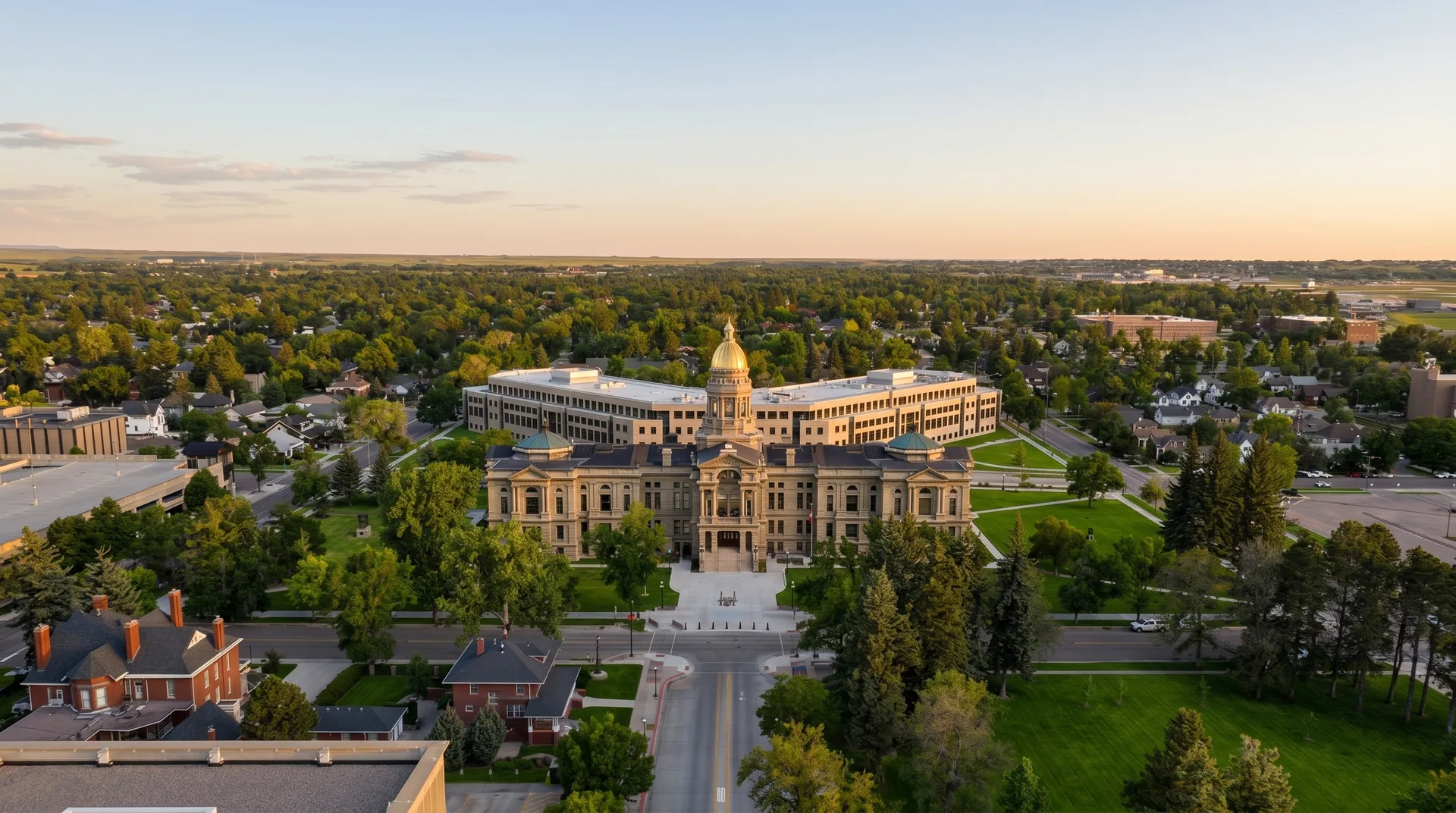
Cheyenne, Wyoming occupies a strategic position as the capital city and a major transportation hub in the Rocky Mountain region. Situated along Interstate 25, Cheyenne provides direct access to major markets in Colorado, New Mexico, and Texas to the south, while maintaining connections to Montana and the northern states. The city's elevation of 6,000 feet above sea level and location at the base of the Laramie Mountains make it a critical gateway for freight movement into and out of Wyoming.
The economy of Cheyenne is diverse, with significant contributions from government operations, military installations (including Warren Air Force Base), energy production, and tourism. Wyoming's position as a leading energy-producing state means that Cheyenne serves as a distribution center for equipment and supplies supporting the oil, natural gas, and coal industries throughout the state. The city also benefits from its proximity to Denver, Colorado, creating opportunities for cross-border trade and logistics operations.
Transportation infrastructure in Cheyenne is exceptional for a city of its size. Interstate 25 provides north-south connectivity, while Interstate 80 offers east-west access across the nation. The city maintains a regional airport with cargo capabilities and is served by major railroads including Union Pacific. Cheyenne's historic role as a railroad hub continues to influence its logistics infrastructure, with modern warehousing and distribution facilities supporting the region's freight needs.










