Pierre to Carson City
Carson City → PierreFTL freight transportation service between Pierre and Carson City. Reliable logistics solutions for your business.
Route Description
Everything you need to know about the corridor Pierre - Carson City
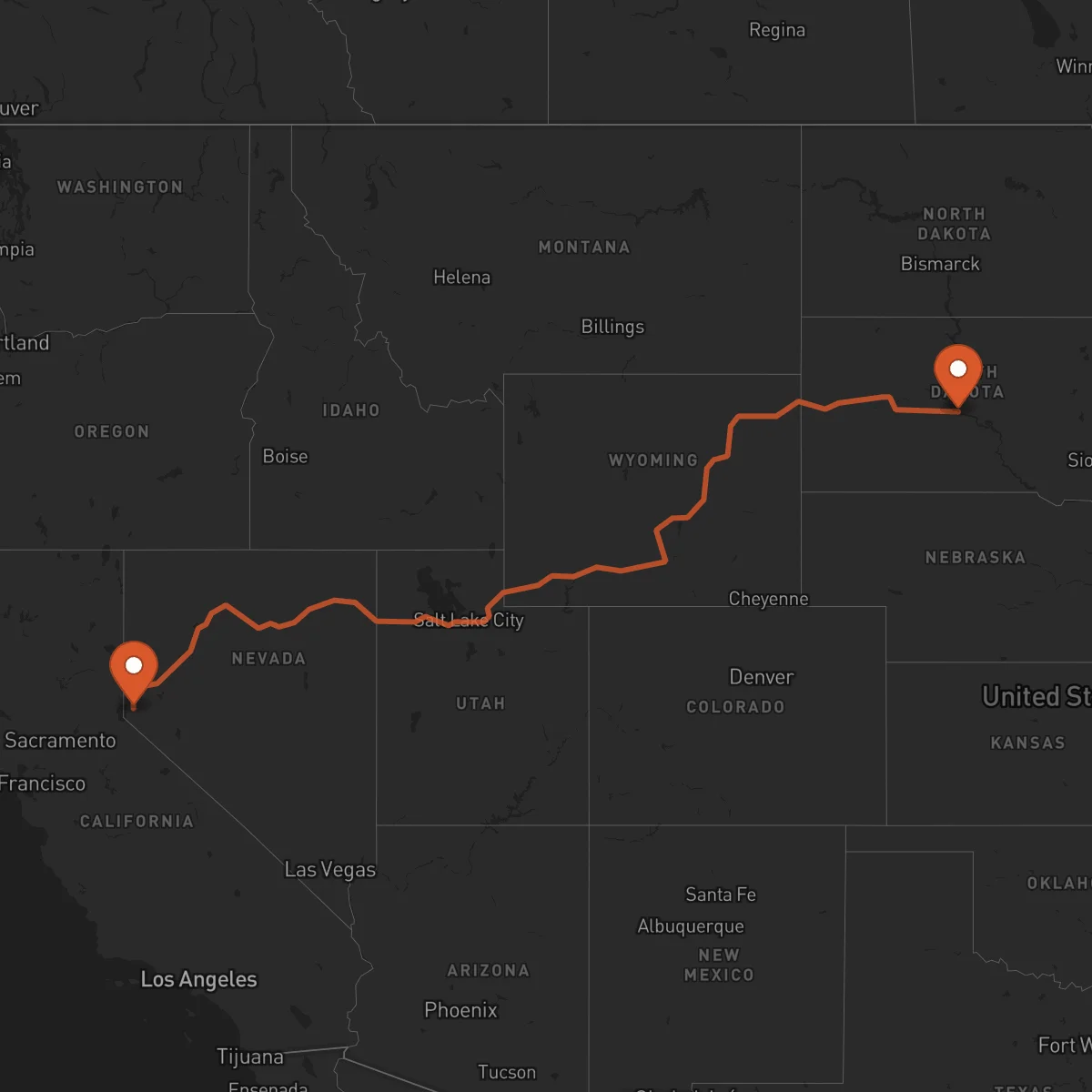
The freight transportation corridor between Pierre, South Dakota and Carson City, Nevada spans approximately 1,706 kilometers across the American Midwest and West. This domestic route connects the agricultural heartland of the Great Plains with the growing logistics hub of Northern Nevada. The corridor traverses diverse terrain, from the rolling prairies of South Dakota through the Rocky Mountain foothills and into the Sierra Nevada region, making it a vital link for cross-country freight movement.
The economic significance of this route extends beyond simple point-to-point transportation. It serves as a critical supply chain artery linking South Dakota's manufacturing and agricultural sectors with Nevada's distribution centers, mining operations, and emerging technology industries. Major transportation infrastructure along this corridor includes Interstate 90 westbound to Rapid City, connecting to Interstate 25 south through Denver, then Interstate 80 westbound through Salt Lake City before reaching Carson City. This well-established network of interstate highways ensures reliable transit times for full truckload shipments.
Control Terrestre specializes in optimizing freight movements along this corridor through our extensive network of certified transportation providers. Our strategic partnerships with carriers experienced in long-haul Midwest-West Coast routes ensure that your cargo receives priority handling and consistent service quality. We leverage our industry expertise to navigate the logistical challenges of this cross-country route, including seasonal weather variations and varying state regulations, providing our clients with seamless door-to-door FTL transportation solutions.
Services for this Route
Available services for the corridor Pierre - Carson City
 Origin
Pierre
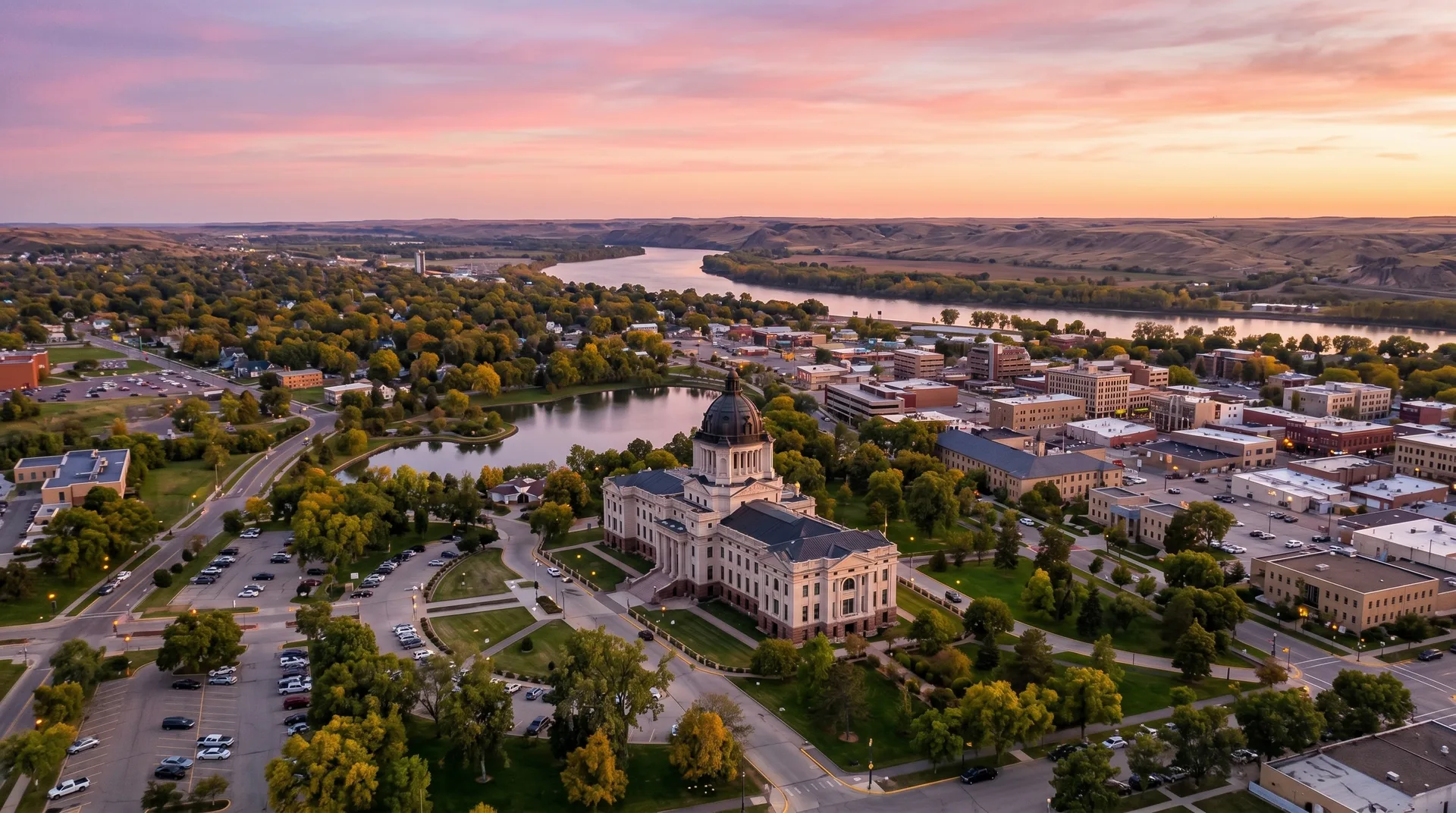
Pierre, South Dakota serves as a strategic logistics hub in the American Midwest, situated along the Missouri River with excellent access to major transportation networks. As the state capital, Pierre benefits from robust infrastructure including the Pierre Regional Airport and proximity to Interstate 90, which provides direct access to both coasts. The city's location in central South Dakota makes it an ideal origin point for freight distribution throughout the region and beyond.
The economic landscape of Pierre and surrounding areas is diverse, with significant contributions from state government operations, healthcare, and education sectors. However, the region's agricultural heritage remains strong, with extensive grain production, cattle ranching, and food processing facilities creating substantial freight movement. Manufacturing also plays a key role, particularly in agricultural equipment, electronics, and industrial machinery. These industries generate consistent demand for full truckload services, especially for specialized equipment and temperature-controlled shipments moving to markets across the western United States.
 Destination
Carson City
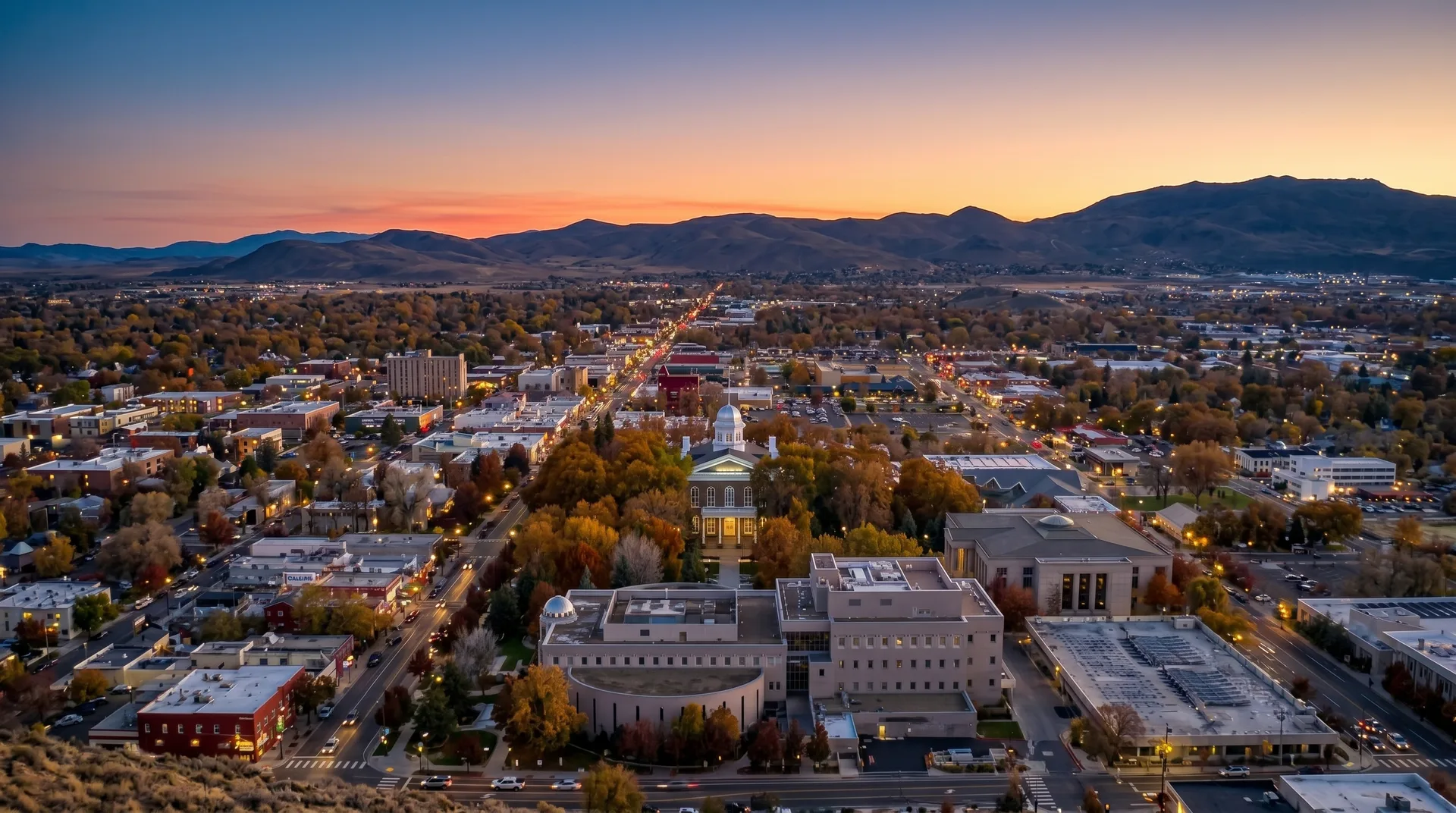
Carson City, Nevada occupies a strategic position in the Sierra Nevada region, serving as the state capital and a growing logistics center. Located just 30 miles south of Reno and near the California border, Carson City benefits from proximity to major transportation corridors including U.S. Route 50 and State Route 395. The city's location provides efficient access to both Northern California's major markets and the broader Intermountain West region.
The local economy has diversified significantly in recent years, with traditional sectors like government services now complemented by technology, manufacturing, and logistics operations. Carson City's proximity to Lake Tahoe and the Sierra Nevada mountains has also fostered growth in specialized industries requiring reliable freight transportation. The region's mining heritage continues through modern operations in nearby areas, creating demand for heavy equipment and bulk material transport. Additionally, the city's growing role as a distribution hub for Western states has increased the need for consistent, high-quality FTL services connecting it with key origin points across the Midwest and beyond.










