Phoenix to Wilmington
Wilmington → PhoenixFTL freight transportation service between Phoenix and Wilmington. Reliable logistics solutions for your business.
Route Description
Everything you need to know about the corridor Phoenix - Wilmington
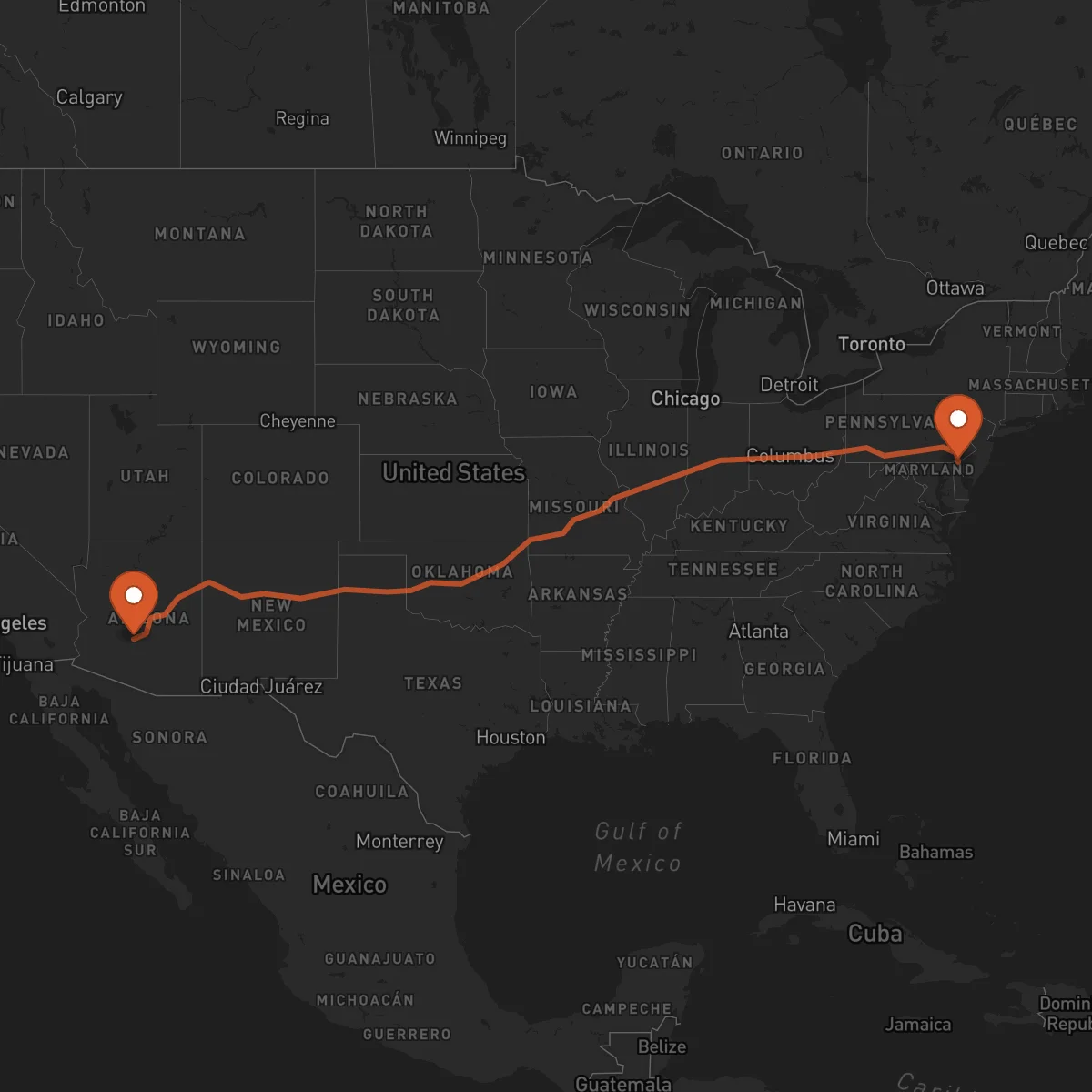
The Phoenix to Wilmington corridor represents a vital freight transportation route connecting the southwestern United States with the Mid-Atlantic region. This extensive domestic corridor spans approximately 3,311 kilometers, traversing diverse terrain and crossing multiple state lines. The route serves as a critical link between Arizona's growing industrial centers and Delaware's strategic East Coast location, facilitating the movement of goods that power both regional and national economies.
The economic significance of this corridor cannot be overstated. Phoenix has emerged as a major logistics hub in the Southwest, while Wilmington serves as a gateway to major East Coast markets including Philadelphia, Baltimore, and New York City. This connection enables manufacturers, distributors, and retailers to efficiently move products across the country, supporting supply chains that span from coast to coast. The corridor particularly benefits industries requiring just-in-time delivery and temperature-controlled transportation.
Control Terrestre specializes in full truckload (FTL) services along this corridor, providing dedicated transportation solutions that ensure cargo moves efficiently and securely. Our experienced carriers utilize state-of-the-art equipment including 53' dry vans and refrigerated units to handle diverse freight requirements. We understand the unique challenges of this route, including varying weather conditions and regulatory requirements across different states, and we optimize our operations to deliver reliable service regardless of these variables.
Services for this Route
Available services for the corridor Phoenix - Wilmington
 Origin
Phoenix
Phoenix, Arizona serves as a strategic origin point for freight transportation, offering exceptional connectivity to major markets across the western and central United States. The city's location in the Sonoran Desert provides year-round operational capacity, with minimal weather-related disruptions that can affect other regions. Phoenix's robust transportation infrastructure includes direct access to Interstate 10, which serves as the primary east-west artery connecting to this corridor, as well as Interstate 17 for north-south movement.
The Phoenix metropolitan area hosts a diverse industrial base, with particular strengths in electronics manufacturing, aerospace components, automotive parts, and agricultural products. The region's growing technology sector also generates significant freight volume, particularly in specialized equipment and components. Phoenix's Sky Harbor International Airport and extensive rail connections complement its highway network, creating a multimodal logistics environment that supports efficient freight movement to destinations nationwide.
 Destination
Wilmington
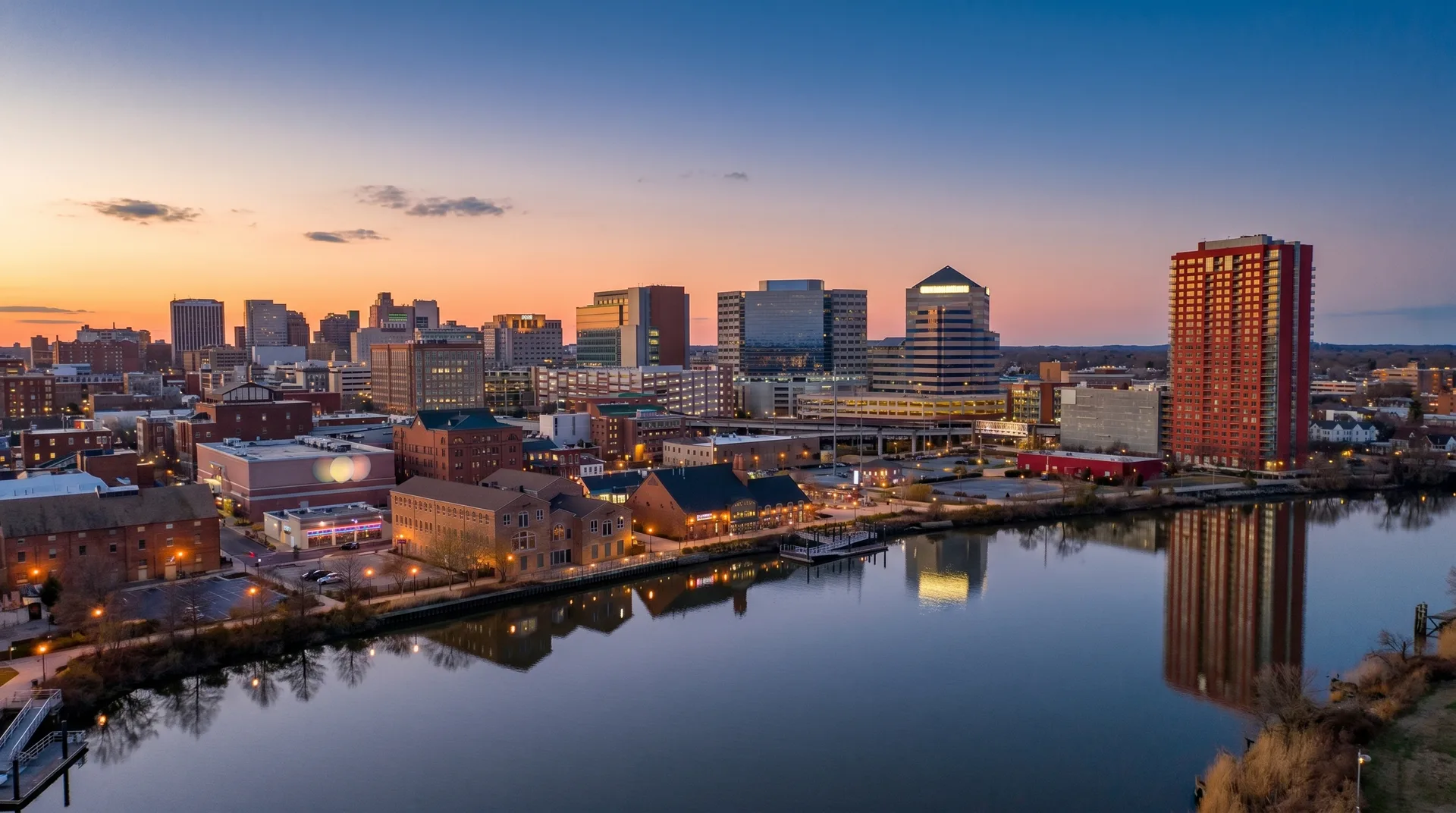
Wilmington, Delaware occupies a strategic position on the East Coast, serving as a crucial gateway to the Northeast Corridor's dense population centers and industrial zones. Located at the intersection of Interstate 95 and other major highways, Wilmington provides immediate access to Philadelphia, Baltimore, and Washington D.C., making it an ideal destination for freight distribution. The city's proximity to major ports, including the Port of Wilmington and nearby Port of Philadelphia, enhances its role in international trade and domestic distribution networks.
The Wilmington area has evolved into a significant logistics and distribution center, supported by its favorable business climate and strategic location. Key industries in the region include pharmaceuticals, chemicals, financial services, and specialized manufacturing. The presence of major corporations and distribution centers in the surrounding area creates consistent demand for reliable freight transportation services. Wilmington's well-developed infrastructure, including modern warehousing facilities and efficient highway connections, ensures that freight arriving from western destinations can be quickly integrated into regional and local distribution networks.










