Phoenix to Columbia
Columbia → PhoenixFTL freight transportation service between Phoenix and Columbia. Reliable logistics solutions for your business.
Route Description
Everything you need to know about the corridor Phoenix - Columbia
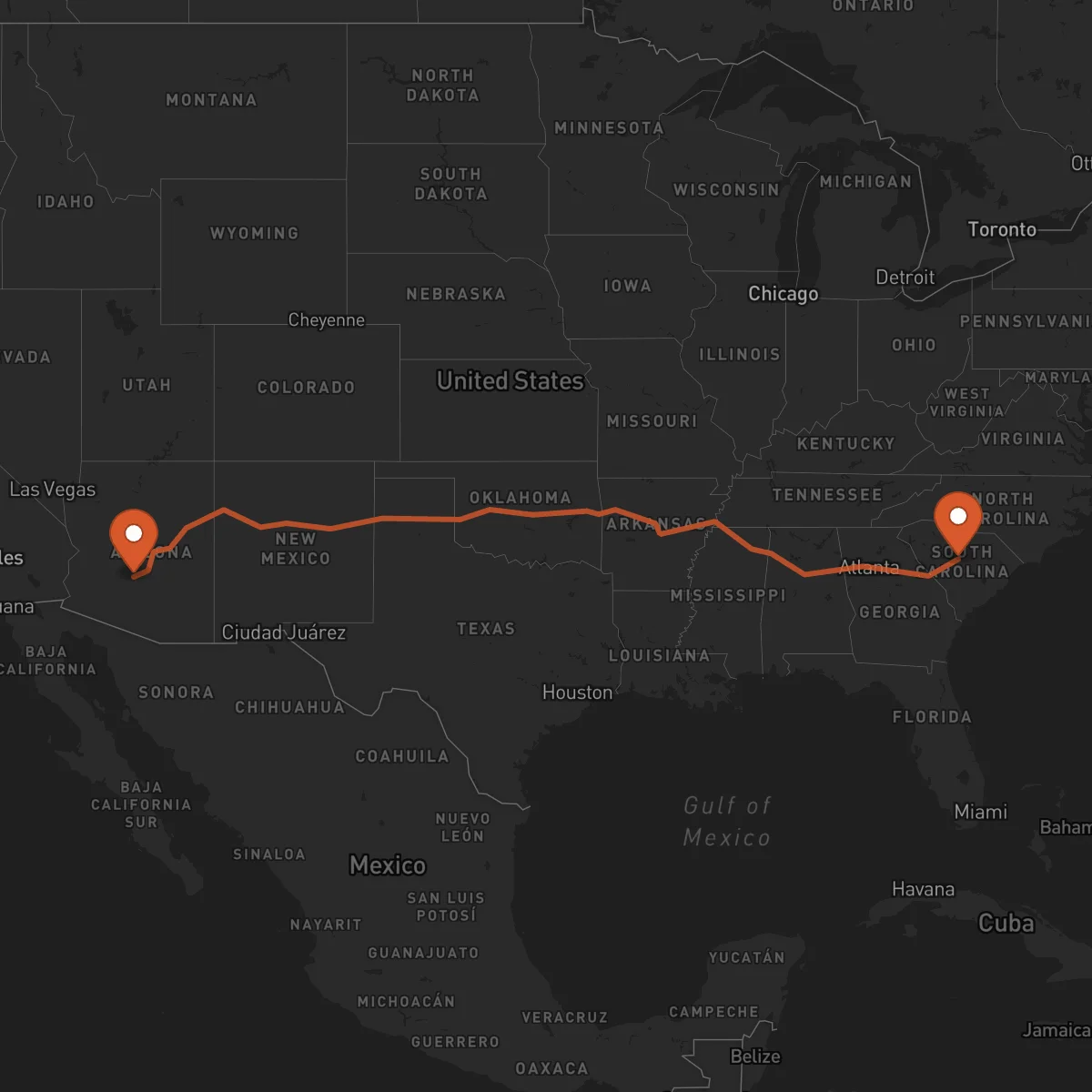
The logistics corridor connecting Phoenix, Arizona, to Columbia, South Carolina, represents a critical transportation route spanning approximately 2,860 kilometers across the United States. This east-west corridor traverses diverse landscapes and connects two strategically important economic regions, facilitating the movement of goods between the southwestern and southeastern United States.
The corridor primarily utilizes major interstate highways including I-10, I-20, and I-77, creating a reliable and efficient transportation pathway. This route passes through key states such as Arizona, New Mexico, Texas, Louisiana, Mississippi, Alabama, Georgia, and finally South Carolina, connecting major metropolitan areas and industrial centers along the way.
Phoenix serves as a major logistics hub in the southwestern United States, with its proximity to the Mexican border and major ports creating significant freight volumes. The region's strong aerospace, technology, and manufacturing sectors generate substantial cargo flows. Columbia, as the capital of South Carolina, anchors a growing logistics market with its strategic location near major ports and its developing automotive, aerospace, and advanced manufacturing industries.
Control Terrestre provides comprehensive FTL (Full Truckload) transportation services along this corridor, offering dedicated solutions for companies requiring reliable freight movement between these regions. Our experienced network of carriers ensures consistent capacity and professional handling of all cargo types, from standard freight to specialized and oversized shipments.
Services for this Route
Available services for the corridor Phoenix - Columbia
 Origin
Phoenix
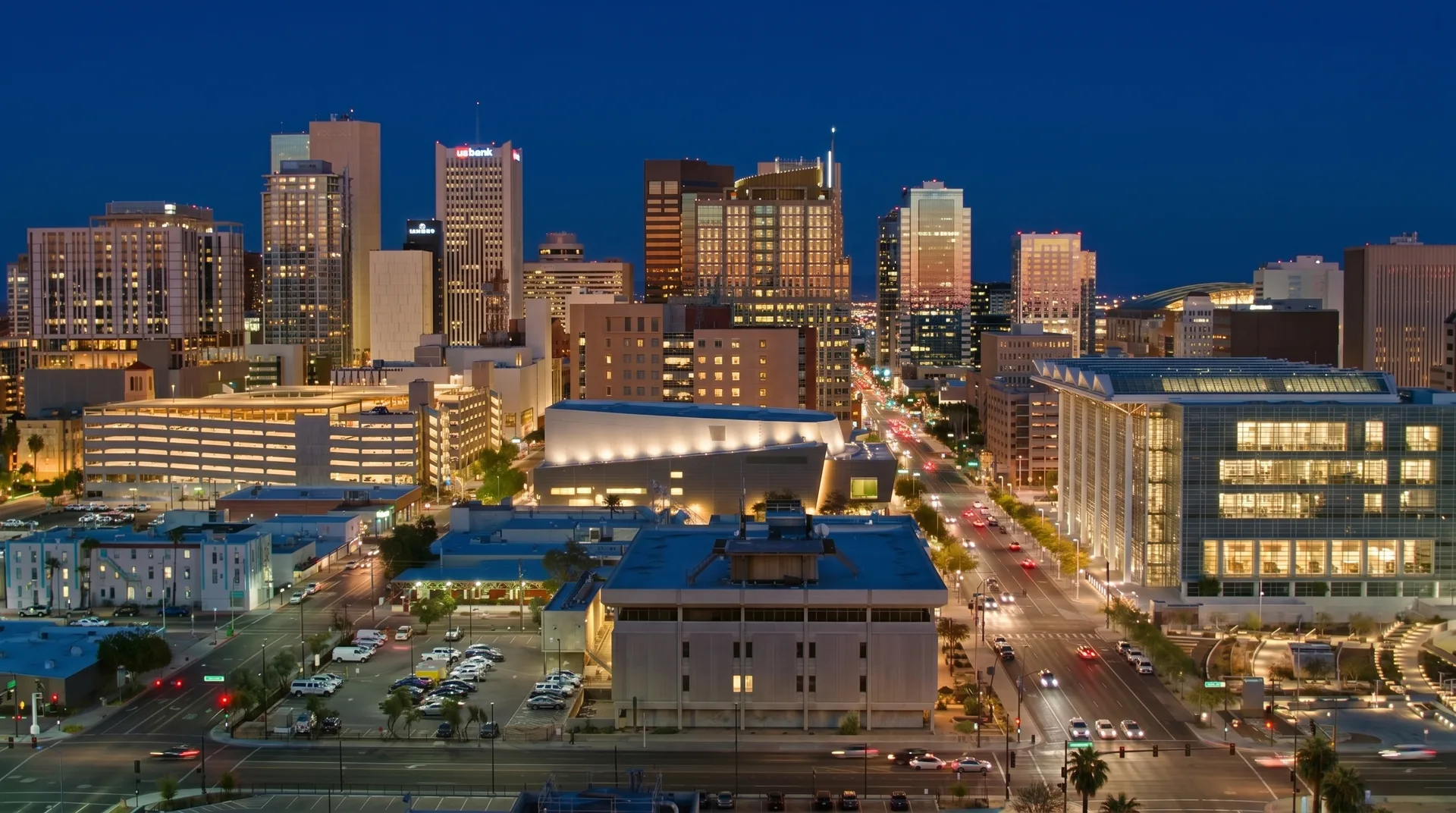
Phoenix, Arizona, stands as a strategic logistics hub in the southwestern United States, offering exceptional connectivity for freight transportation. Located in the Sonoran Desert, Phoenix benefits from its position as the fifth-largest city in the nation and serves as the anchor of the Valley of the Sun metropolitan area. The city's logistics infrastructure includes Sky Harbor International Airport, one of the busiest cargo airports in the country, and extensive highway networks including I-10, I-17, and Loop 101.
The region's economy is driven by aerospace and defense manufacturing, technology and electronics production, semiconductor fabrication, and automotive manufacturing. Phoenix is home to major facilities for companies like Honeywell Aerospace, Intel, and Boeing, creating substantial freight volumes requiring reliable transportation solutions. The city's proximity to the Mexican border and major West Coast ports further enhances its strategic importance for cross-country and international freight movements.
 Destination
Columbia
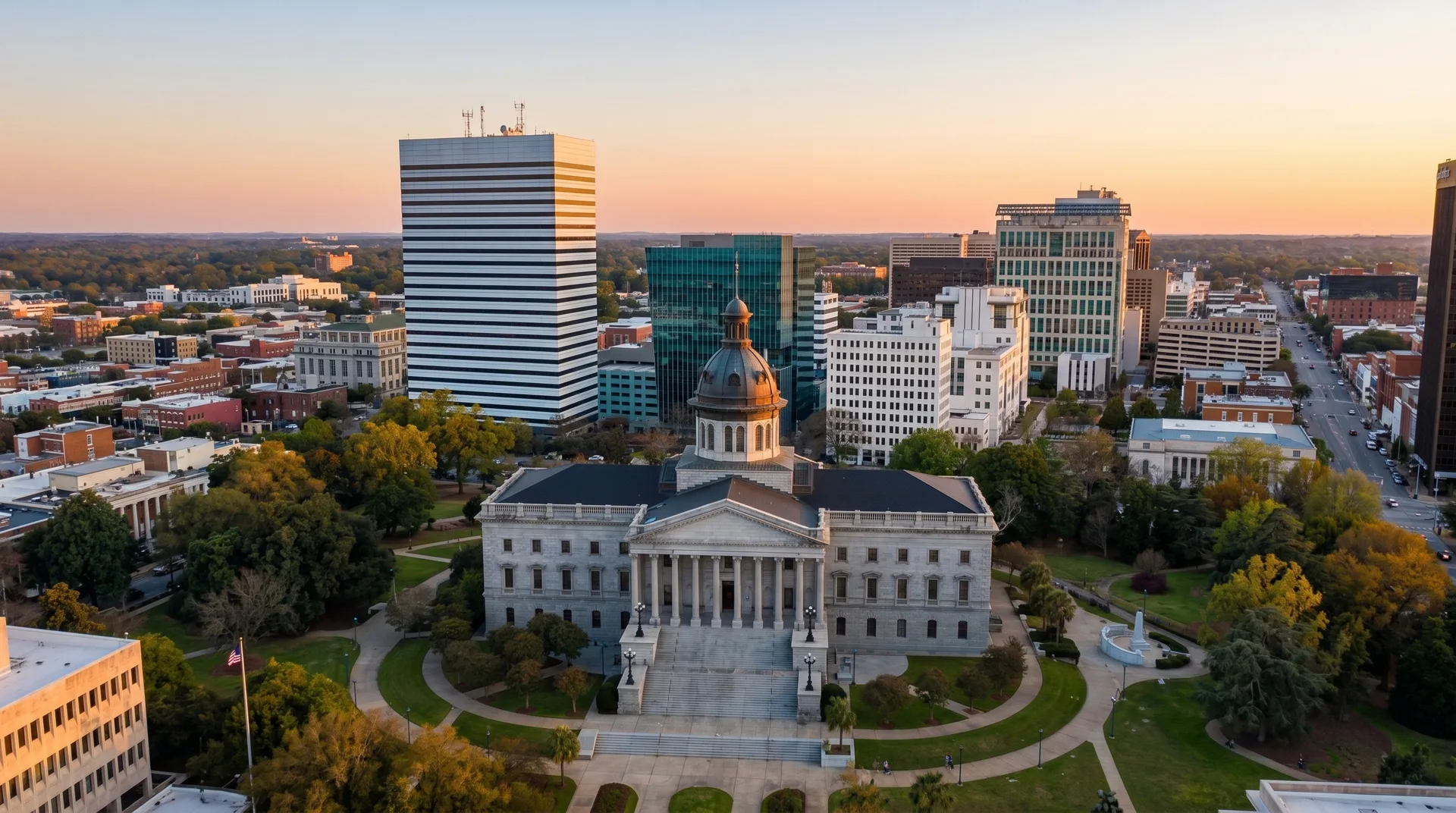
Columbia, South Carolina, serves as a vital logistics center in the southeastern United States, strategically positioned to support freight movements throughout the region. Located at the confluence of the Broad and Saluda rivers, Columbia benefits from its central location within South Carolina and its proximity to major transportation corridors. The city is served by Columbia Metropolitan Airport and is intersected by major highways including I-20, I-26, and I-77, providing excellent connectivity for freight transportation.
The Columbia region has experienced significant economic growth, particularly in automotive manufacturing, with major facilities operated by companies like BMW and Volvo. The area also hosts a growing aerospace sector, advanced manufacturing operations, and distribution centers serving the southeastern market. Columbia's location approximately 215 kilometers from the Port of Charleston enhances its importance as a distribution hub for goods entering and exiting the Southeast, creating substantial demand for reliable FTL transportation services.










