Philadelphia to Tepic
Tepic → PhiladelphiaFTL freight transportation service between Philadelphia and Tepic. Reliable logistics solutions for your business.
Route Description
Everything you need to know about the corridor Philadelphia - Tepic
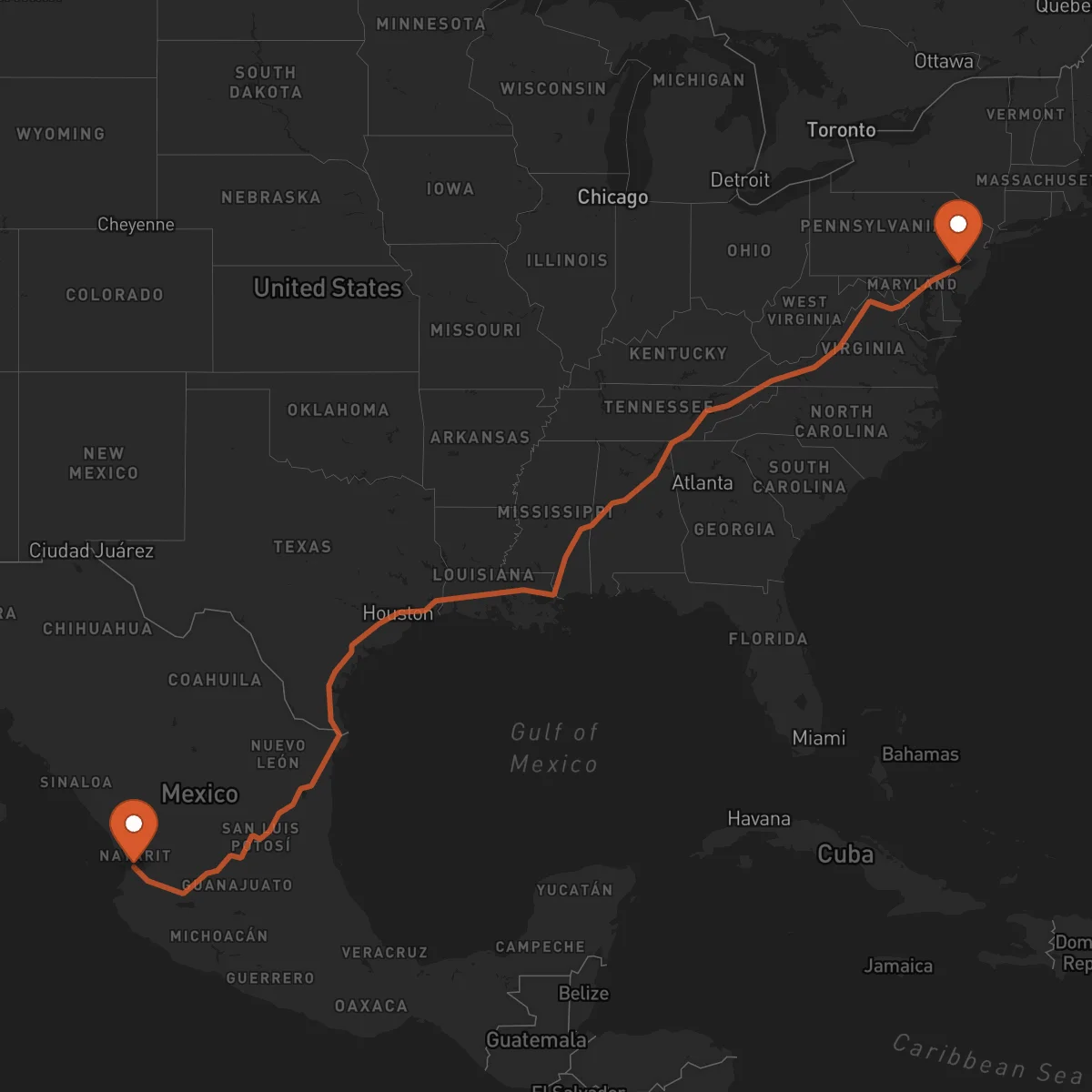
The Philadelphia-Tepic corridor represents a vital trade connection between the United States and Mexico, spanning approximately 3,477 kilometers. This cross-border route links the industrial powerhouse of Philadelphia with the growing manufacturing hub of Tepic, facilitating the movement of goods between two dynamic economies. The corridor traverses diverse landscapes and crosses multiple states, making it a strategic artery for North American trade.
The economic significance of this route is substantial, connecting Philadelphia's advanced manufacturing, pharmaceutical, and technology sectors with Tepic's expanding electronics, automotive components, and agricultural industries. This corridor serves as a critical link for companies engaged in just-in-time manufacturing and supply chain optimization between the two countries. The Philadelphia region's proximity to major East Coast ports and Tepic's growing industrial parks create complementary economic ecosystems that benefit from efficient cross-border transportation.
Key transportation infrastructure along this corridor includes major interstate highways such as I-95, I-40, and Mexican Federal Highways 45 and 15. The primary border crossing at Laredo/Nuevo Laredo offers extensive processing capacity and modern facilities, while alternative crossings at El Paso/Juarez provide flexibility for shippers. Control Terrestre's expertise in navigating customs procedures, documentation requirements, and cross-border regulations ensures seamless operations for our clients. Our C-TPAT certified partners and dedicated team facilitate efficient clearance processes, minimizing delays and ensuring compliance with all regulatory requirements for this important trade route.
Services for this Route
Available services for the corridor Philadelphia - Tepic
 Origin
Philadelphia
Philadelphia serves as a strategic gateway for logistics operations on the East Coast of the United States. Located in Pennsylvania, this major metropolitan area offers exceptional connectivity through its extensive transportation infrastructure, including the Port of Philadelphia, Philadelphia International Airport, and a comprehensive network of interstate highways. The city's position within the Northeast megalopolis provides access to one of the most densely populated and economically active regions in the country.
The Philadelphia region is home to diverse industries including pharmaceuticals, biotechnology, advanced manufacturing, and professional services. Major companies in the healthcare and life sciences sectors have established significant operations in the area, creating substantial demand for reliable freight transportation. The city's manufacturing heritage continues to thrive with modern facilities producing everything from medical devices to aerospace components. Philadelphia's robust logistics ecosystem includes warehousing and distribution centers strategically positioned to serve both regional and national markets.
 Destination
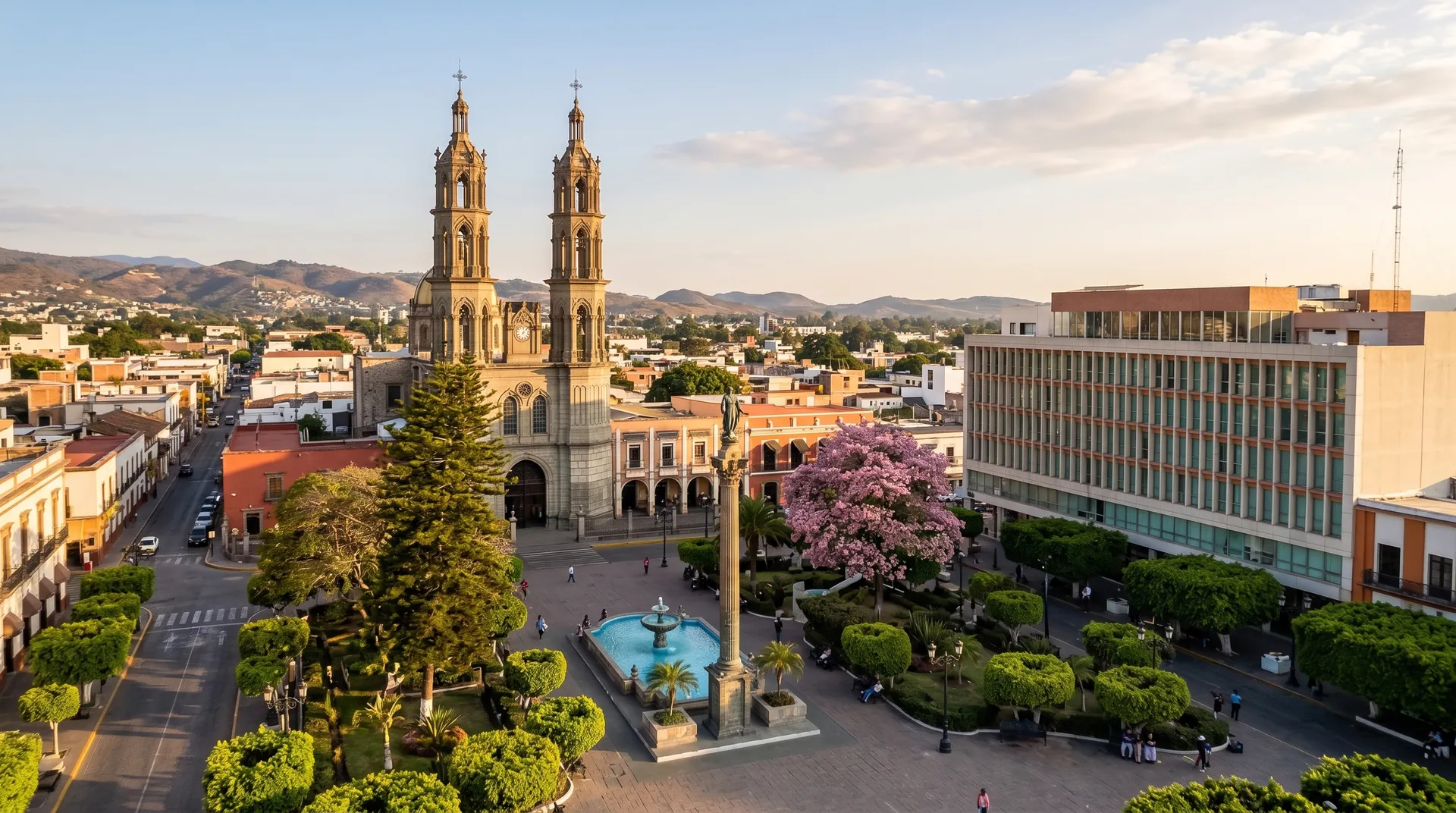
Tepic, the capital city of Nayarit, Mexico, has emerged as an important industrial and logistics center in Western Mexico. Located in the western part of the country, Tepic benefits from its proximity to major ports and its position within Mexico's growing industrial corridor. The city's strategic location provides access to both Pacific trade routes and inland markets, making it an attractive destination for manufacturing and distribution operations.
The economic landscape of Tepic is characterized by growing electronics manufacturing, automotive components production, and agricultural processing industries. The city has attracted significant foreign investment, particularly in electronics assembly and precision manufacturing. Tepic's industrial parks offer modern facilities with integrated logistics services, supporting the needs of both domestic and international companies. The region's skilled workforce and competitive operating costs have contributed to its development as a manufacturing hub, creating consistent demand for cross-border freight transportation services.










