
Philadelphia to Rivas
Rivas → PhiladelphiaFTL freight transportation service between Philadelphia and Rivas. Reliable logistics solutions for your business.
Route Description
Everything you need to know about the corridor Philadelphia - Rivas
The logistics corridor connecting Philadelphia, Pennsylvania to Rivas, Nicaragua represents a vital cross-border transportation route spanning approximately 3,340 kilometers through North America and Central America. This corridor serves as a crucial link between the industrial powerhouse of the northeastern United States and the emerging economic center of southern Nicaragua. The route traverses diverse terrains and crosses multiple international borders, requiring specialized expertise in cross-border logistics and customs compliance. Control Terrestre's extensive network of certified carriers ensures seamless transportation across this complex corridor, managing everything from documentation to last-mile delivery in Rivas.
The Philadelphia region serves as a major logistics hub with access to extensive highway networks including I-95, I-76, and I-81, connecting to major ports and distribution centers. This area is home to diverse industries including pharmaceuticals, manufacturing, and food processing, generating significant freight volumes requiring reliable transportation to Central American markets. The corridor passes through key U.S. states before crossing into Mexico and continuing through the CA-1 highway system that connects to Nicaragua. Control Terrestre's expertise in handling cross-border documentation and compliance ensures smooth transit through multiple customs checkpoints along the route.
Rivas, located in southwestern Nicaragua near the Costa Rican border, has emerged as an important commercial center with growing industrial activity. The city benefits from its strategic location along the Pan-American Highway and proximity to the Pacific coast. Key industries in the region include agriculture, fishing, and light manufacturing, all requiring reliable supply chain connections to U.S. markets. The corridor's importance continues to grow as trade between the United States and Nicaragua expands, particularly in agricultural products, machinery, and consumer goods. Control Terrestre's dedicated services ensure that cargo maintains its integrity throughout the journey, with real-time tracking and specialized handling for temperature-sensitive or high-value shipments.
Services for this Route
Available services for the corridor Philadelphia - Rivas
 Origin
Philadelphia
Philadelphia, Pennsylvania stands as a strategic logistics powerhouse in the northeastern United States, offering exceptional connectivity through its comprehensive transportation infrastructure. The city serves as a major freight hub with access to the Port of Philadelphia, extensive rail networks operated by Class I railroads, and a dense highway system including I-95, I-76, and I-676. Philadelphia's strategic location provides direct access to major East Coast markets within a day's drive, making it an ideal origin point for cross-border shipments. The region's logistics infrastructure includes multiple intermodal facilities, warehousing centers, and distribution hubs that facilitate efficient cargo consolidation and routing. Philadelphia International Airport further enhances the region's multimodal capabilities, supporting time-sensitive freight operations and providing additional flexibility for supply chain management.
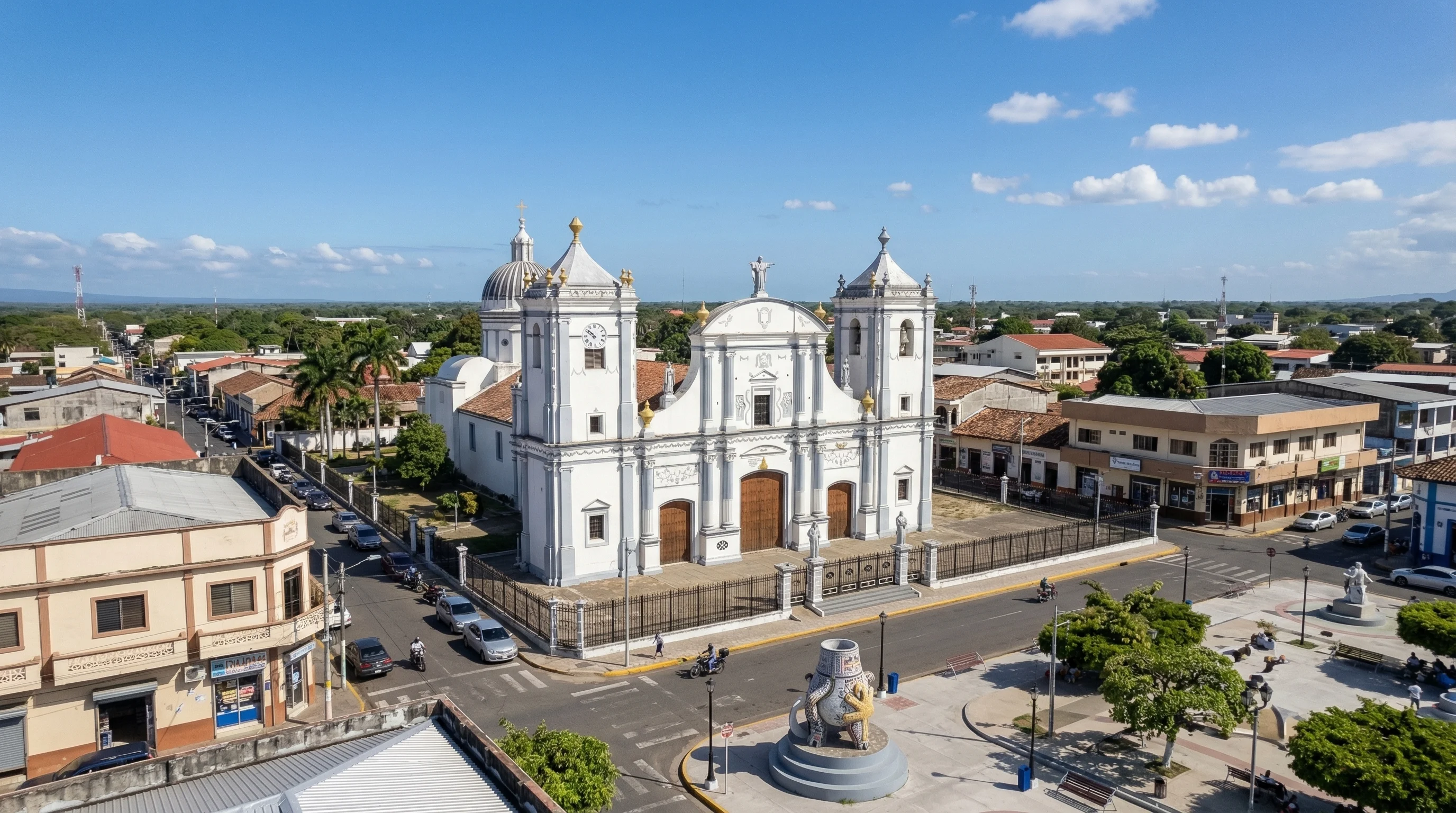 Destination
Rivas, Nicaragua occupies a strategic position in Central America as a growing commercial and industrial center in the country's southwest region. Located along the Pan-American Highway and near the Pacific coast, Rivas offers excellent connectivity to both domestic and international markets. The city's transportation infrastructure includes access to the Port of San Juan del Sur for maritime shipping and well-maintained highway connections to Managua and other major Nicaraguan cities. Rivas has developed as a center for light manufacturing, agriculture, and fishing industries, with increasing foreign investment supporting economic growth. The region's proximity to Costa Rica facilitates cross-border trade, while its location away from Nicaragua's more congested urban centers provides advantages for distribution and logistics operations. The city's growing industrial parks and commercial zones continue to attract businesses seeking reliable supply chain connections to North American markets.










