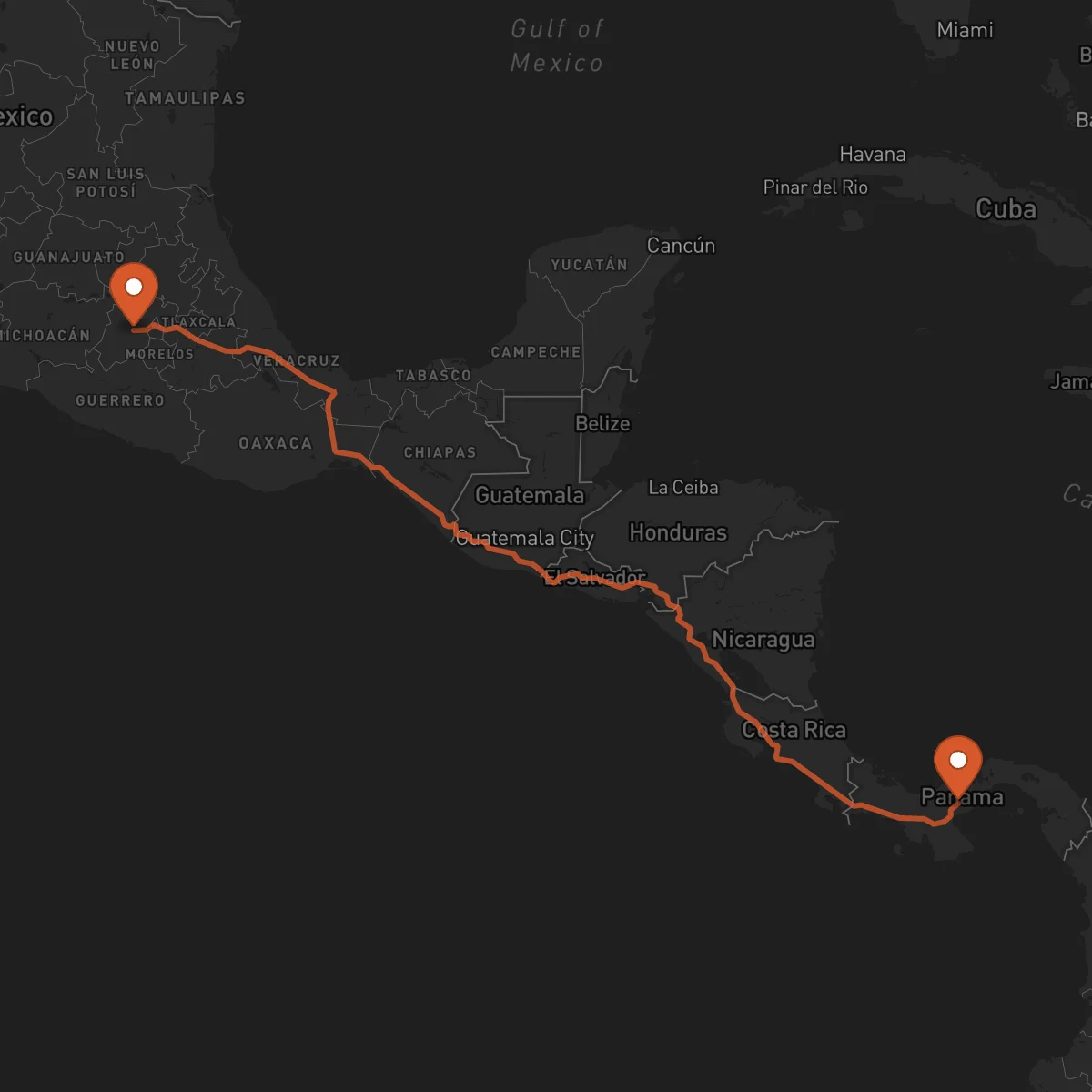
Penonomé to Toluca
Toluca → PenonoméFTL freight transportation service between Penonomé and Toluca. Reliable logistics solutions for your business.
Route Description
Everything you need to know about the corridor Penonomé - Toluca
The Penonomé-Toluca corridor represents a critical North-South artery connecting Central America's industrial heartland with Mexico's dynamic manufacturing core. Spanning approximately 2,397 km, this cross-border route is a vital conduit for regional trade, enabling the efficient movement of goods between Panama and the Mexican market. Its strategic importance is underscored by the flow of raw materials, component parts, and finished products that fuel key industries on both ends, making it a cornerstone of supply chain integration in the region.
Economically, the corridor bridges two powerful zones. The origin in Panama's Coclé province serves as a logistical gateway from Central America, while the destination in the State of Mexico places cargo at the doorstep of one of Latin America's largest industrial and consumer hubs. This route supports the just-in-time manufacturing demands of sectors like automotive, aerospace, and consumer goods, where reliability and speed are paramount. The primary industries leveraging this corridor include automotive assembly plants, electronics manufacturers, and agribusinesses requiring temperature-controlled transport for perishable exports.
Infrastructure is defined by major highways, most notably the Pan-American Highway (CA-1 in Panama, routing through Central America into Mexico's federal highway network). Key Mexican segments include Highway 15D and connections to the Mexico City metropolitan ring roads. The border crossing is a complex multi-stage process, typically involving formalities at the Guatemala-Mexico border (e.g., Ciudad Hidalgo/Tecún Umán) and then internal Mexican customs for final delivery. Navigating these procedures requires expertise in documentation, compliance with regulations like C-TPAT and FAST for pre-clearance programs, and an understanding of local transit rules.
At Control Terrestre, we facilitate seamless operations on this corridor through our robust alliance of certified providers. Our network includes carriers equipped with 48' and 53' dry vans, reefers, and specialized equipment for oversized or HazMat cargo, all holding relevant certifications like BASC and Responsible Care. We manage the full cross-border complexity—from door pickup in Penonomé to final delivery in Toluca—handling customs brokerage coordination, dedicated fleet assignments for spot or recurring freight, and providing clients with a single, human point of contact for full truckload (FTL) solutions. Our focus is on providing a transparent, reliable, and professional service that optimizes your supply chain across this demanding international route.
Services for this Route
Available services for the corridor Penonomé - Toluca
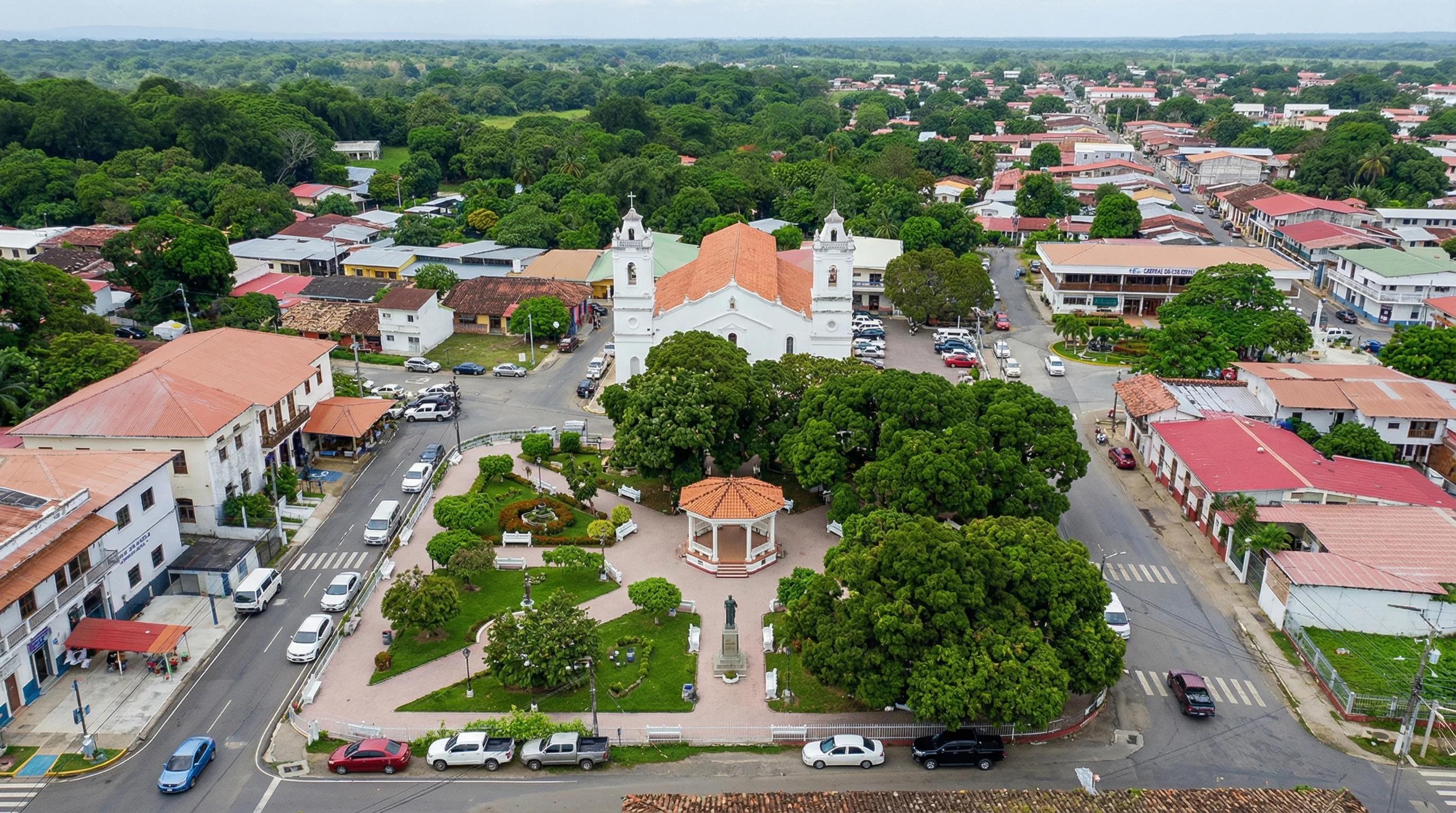 Origin
Penonomé, the capital of Coclé province in central Panama, is a strategic logistics hub with a prime location along the Pan-American Highway (CA-1). Its position provides direct north-south connectivity through Panama and into Central America, making it a natural starting point for cross-continental freight. The city serves the surrounding agricultural and mining provinces, with key economic sectors including sugar cane, livestock, and coffee production, as well as growing light manufacturing. Transportation infrastructure is anchored by the highway network and its proximity to Panama's Pacific ports (like Balboa and Manzanillo) for potential intermodal transfers, though the corridor to Toluca is a direct, overland FTL route. The area benefits from Panama's stable logistics environment and its role as a bridge between oceans, though the primary corridor here leverages the robust terrestrial route north.
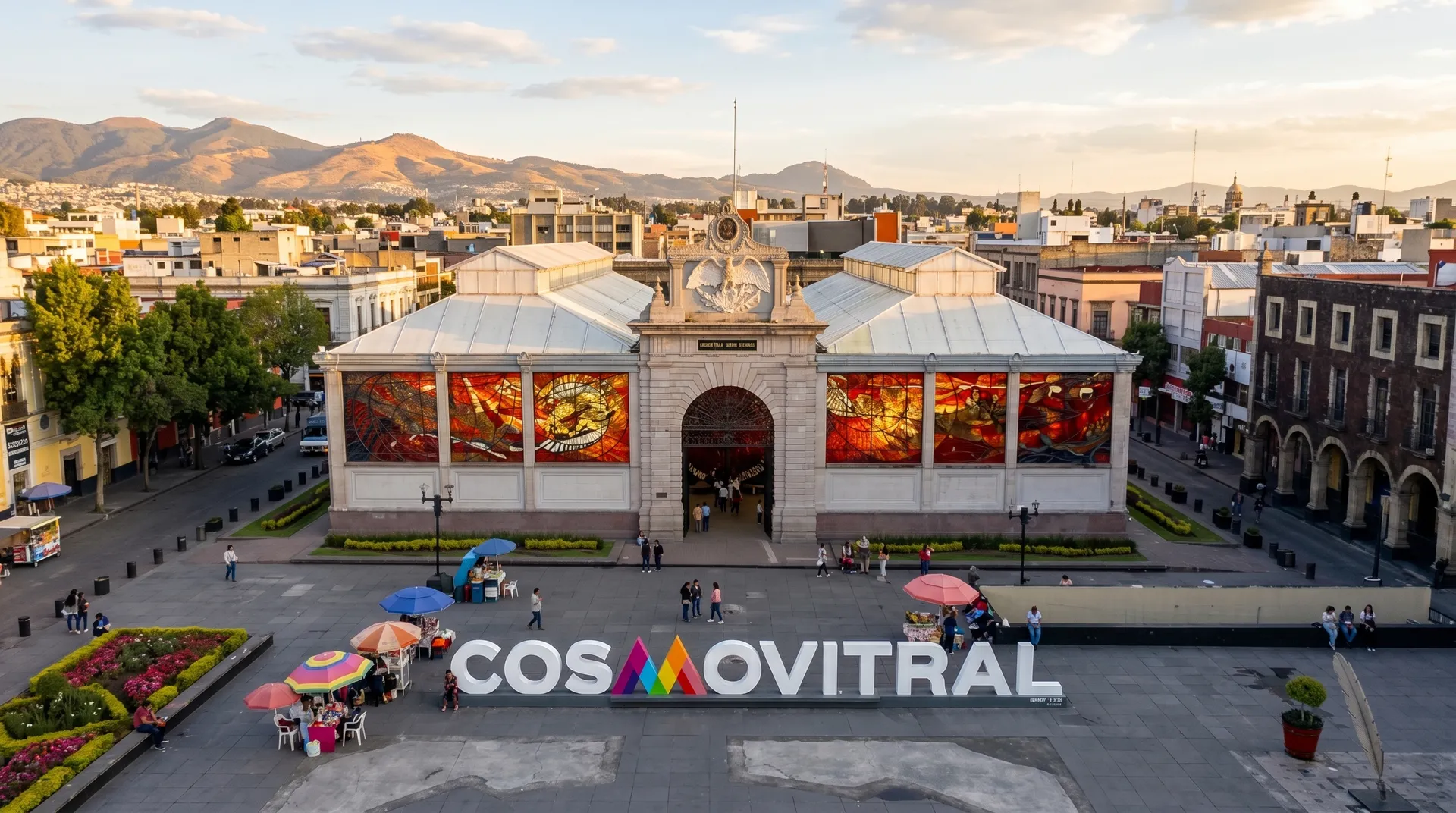 Destination
Toluca
Toluca, the capital of the State of Mexico, is a major industrial and logistics powerhouse located just west of Mexico City. Its strategic value lies in its integration into the country's most significant economic corridor, with direct access to the Mexico City metropolitan market, international airport, and seaports via well-maintained federal highways. The region is a manufacturing titan, hosting massive industrial parks with a strong focus on the automotive industry (with plants for brands like General Motors and Ford), as well as food processing, metalworking, and electronics. Transportation infrastructure is exceptional, featuring the Toluca International Airport, extensive highway networks (including the Toluca-Naucalpan highway and connections to the Mexico City ring road), and dedicated logistics zones. This makes Toluca an optimal final-mile distribution center and manufacturing origin point for FTL freight moving throughout central Mexico and for export corridors north.










