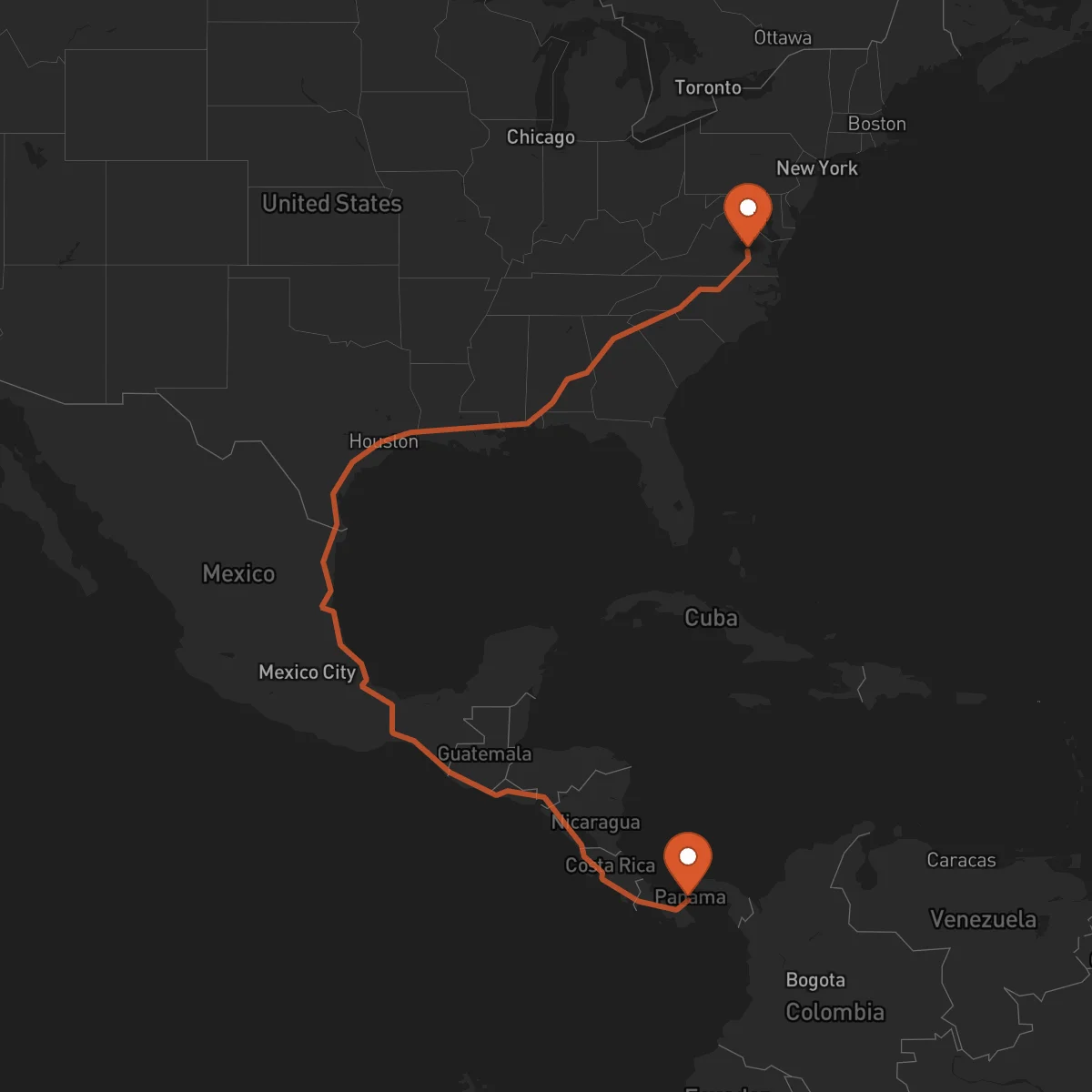
Penonomé to Richmond
Richmond → PenonoméFTL freight transportation service between Penonomé and Richmond. Reliable logistics solutions for your business.
Route Description
Everything you need to know about the corridor Penonomé - Richmond
The Penonomé to Richmond corridor represents a critical North-South logistics artery connecting Central America's interior with the major consumption markets of the U.S. East Coast. This cross-border route leverages the Pan-American Highway network to facilitate the efficient movement of full truckload (FTL) cargo, serving as a vital supply chain link for industries on both ends. Strategically, it bypasses coastal congestion by providing a direct overland path from Panama's production hubs to the densely populated Richmond-Washington D.C. corridor, optimizing transit for time-sensitive and high-value goods. The economic context is driven by robust trade flows under agreements like CAFTA-DR, enabling seamless movement of manufactured goods, agricultural products, and industrial materials. Key industries utilizing this corridor include agriculture and food processing (from Panama's interior), manufactured components, retail goods, and specialized cargo like hazardous materials or oversized equipment requiring dedicated haulage. The primary transportation infrastructure relies on the Pan-American Highway (via the Transistmica in Panama) connecting to the U.S. Interstate system, predominantly I-95, the primary East Coast artery. Critical border crossings, such as the Paso Canoas/ Sixaola crossing between Costa Rica and Panama, and the subsequent crossings into the U.S. (commonly at El Paso or other Texas border points before heading east), require meticulous customs coordination. Control Terrestre facilitates operations on this complex corridor through our alliance of certified providers. Our partners hold essential credentials like C-TPAT, FAST, and BASC, ensuring expedited clearance and compliance at international borders. We coordinate dedicated FTL solutions, managing the entire door-to-door process—from Penonomé's manufacturing facilities to Richmond's distribution centers—handling all cross-border documentation, customs brokerage integration, and leveraging our network's expertise in navigating the specific regulatory and infrastructure nuances of this long-haul international route.
Services for this Route
Available services for the corridor Penonomé - Richmond
 Origin
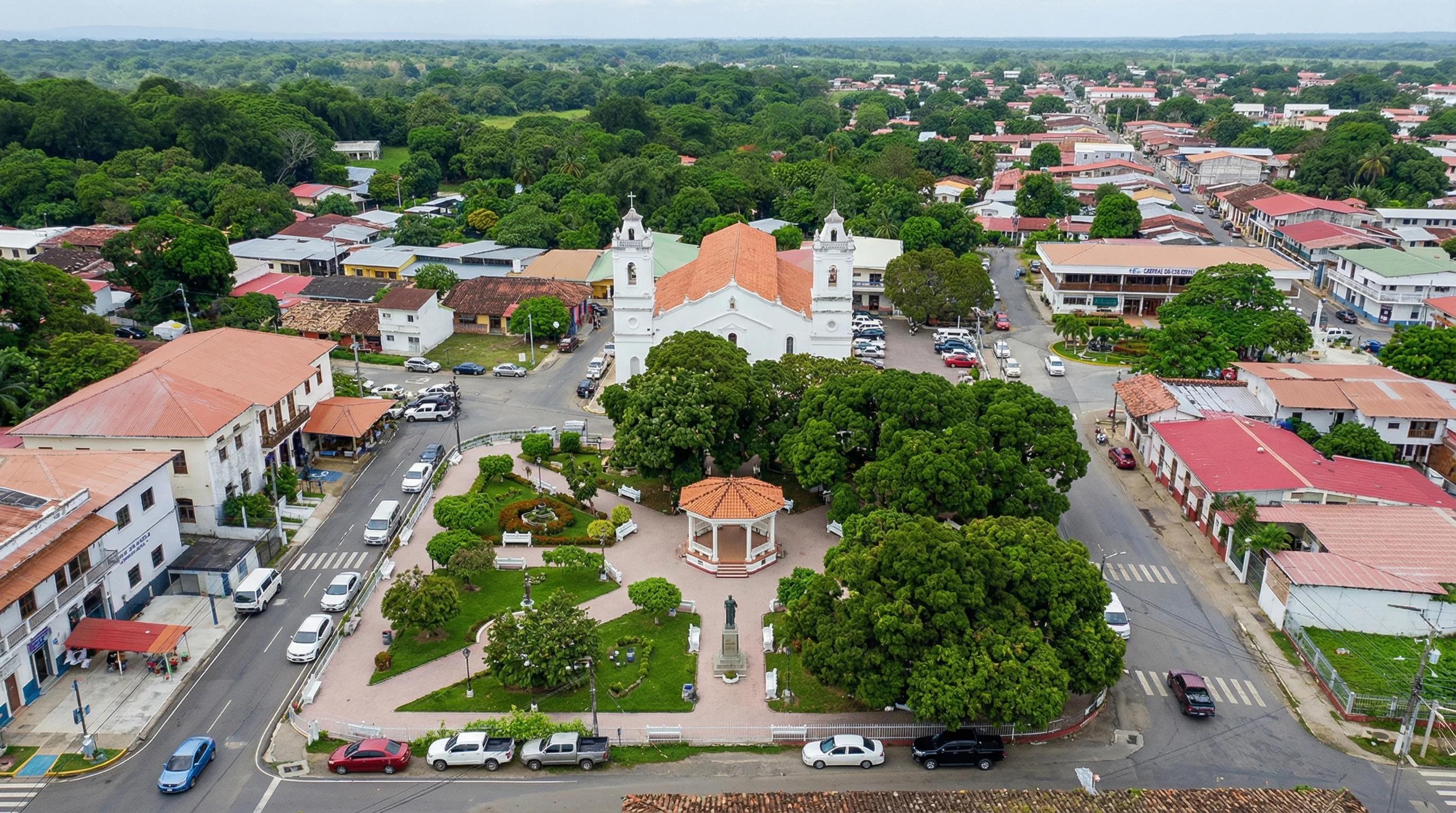
Penonomé, located in the Coclé province of central Panama, serves as a strategic inland logistics hub for the country's agricultural and manufacturing heartland. Its position along the Pan-American Highway (Transistmica) provides direct overland access to both Panama's Pacific ports (like Balboa) and the Costa Rican border, making it a natural origination point for cross-border freight. The region's economy is anchored by significant sugar cane production, livestock, and various agricultural exports, alongside growing light manufacturing and warehousing sectors that support domestic and international distribution. The available transportation infrastructure is robust for the region, featuring well-maintained highways connecting to major container terminals in Panama City and Colón. This infrastructure supports the efficient assembly of full truckloads destined for North America, with access to equipment like dry vans, reefers, and flatbeds to accommodate the diverse cargo originating from Penonomé's farms, factories, and logistics parks.
 Destination
Richmond
Richmond, Virginia, is a pivotal logistics and distribution center for the U.S. Mid-Atlantic and Northeast regions. Its strategic location at the intersection of I-95, I-64, and I-295 places it within a one-day drive of over 60% of the U.S. population, making it an ideal final-mile hub for consumer goods, industrial parts, and retail inventory. The city's economy is diverse, with strong sectors in manufacturing (including chemicals, plastics, and advanced materials), food and beverage processing, and major distribution centers for e-commerce and retail giants. The transportation infrastructure is world-class, featuring the Port of Richmond (a key inland deepwater port on the James River), extensive rail intermodal facilities from CSX and Norfolk Southern, and direct highway access to the I-95 corridor. This allows for seamless transfer from long-haul FTL trucks to final delivery networks or intermodal solutions, supporting the receipt of specialized cargo like refrigerated goods, tanker loads, or oversized equipment from international origins like Panama.










