Ottawa to Tampico
Tampico → OttawaFTL freight transportation service between Ottawa and Tampico. Reliable logistics solutions for your business.
Route Description
Everything you need to know about the corridor Ottawa - Tampico
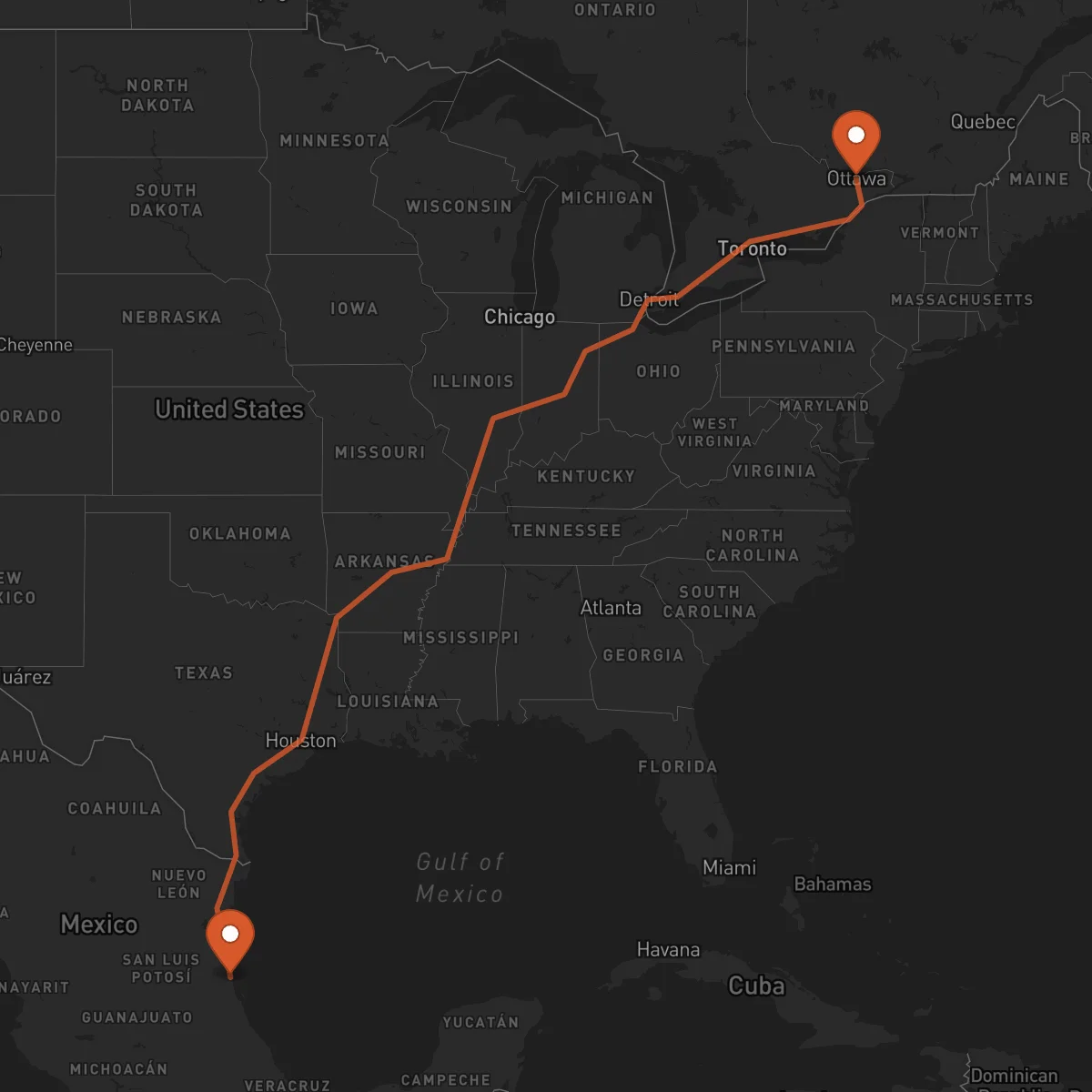
The Ottawa-Tampico corridor represents a vital cross-border logistics route connecting Canada's capital region with Mexico's strategic port on the Gulf of Mexico. This 3,270 km transportation corridor facilitates the movement of goods between two major economic zones, serving as a critical link in North American supply chains. The route traverses diverse geographic and economic regions, connecting the manufacturing and technology hub of Ottawa with Tampico's industrial and port facilities.
This corridor serves key industries including automotive parts, agricultural products, industrial equipment, and consumer goods. The economic relationship between Ontario and Tamaulipas creates substantial freight volume, with Ottawa's advanced manufacturing sector supplying components and finished goods to markets throughout Mexico and beyond. The corridor's strategic importance is enhanced by its connection to major international trade networks through both Canadian and Mexican ports.
Major transportation infrastructure includes Ontario's 416 and 401 highways leading to the Windsor-Detroit crossing, followed by I-75 and I-65 through the United States, connecting to I-10 and Mexican Federal Highway 180 to reach Tampico. The route offers multiple border crossing options with varying efficiencies depending on cargo type and customs requirements. Control Terrestre provides comprehensive cross-border logistics solutions, managing customs documentation, regulatory compliance, and seamless freight movement across all three countries while ensuring cargo security and timely delivery.
Services for this Route
Available services for the corridor Ottawa - Tampico
 Origin
Ottawa serves as a strategic logistics hub in eastern Ontario, leveraging its position as Canada's capital and a major technology center. The city's economy is driven by government services, technology, and advanced manufacturing, creating consistent freight demand for both imports and exports. Ottawa benefits from excellent transportation infrastructure including the Macdonald-Cartier International Airport, VIA Rail connections, and direct highway access to major Canadian and U.S. markets via Highway 417 and the 401 corridor.
The region's logistics capabilities are enhanced by its proximity to Montreal and Toronto, creating a triangular distribution network that serves eastern Canada and the northeastern United States. Ottawa's industrial parks and warehousing facilities support a diverse range of logistics operations, from high-tech electronics to government supplies. The city's strategic location provides efficient access to both Atlantic and Pacific trade routes through Canadian rail and highway networks.
 Destination
Tampico
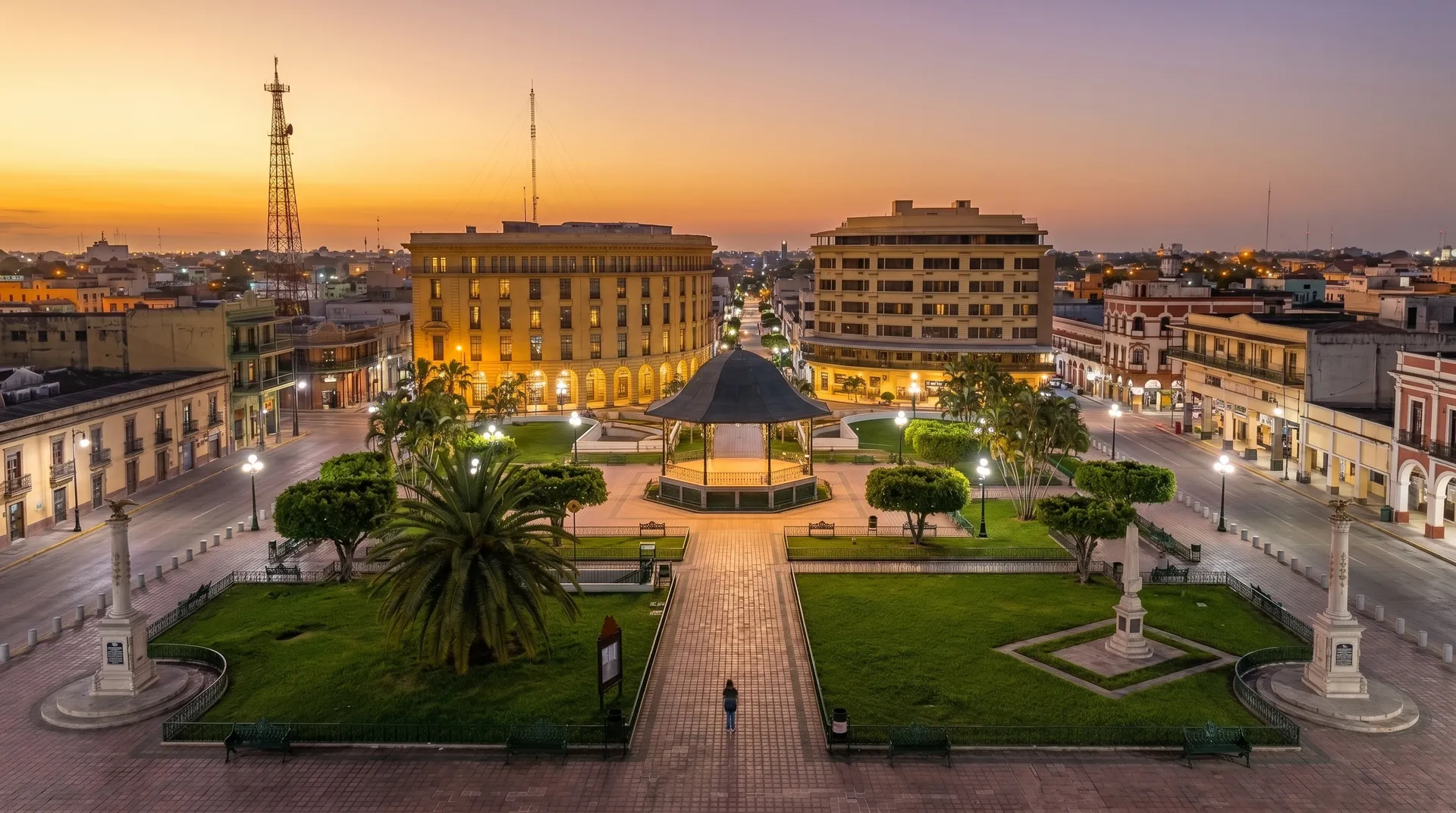
Tampico stands as a crucial logistics gateway for northeastern Mexico, strategically positioned on the Gulf of Mexico with access to major maritime trade routes. The city serves as Tamaulipas's primary industrial and commercial center, with its economy anchored by the petrochemical industry, agriculture, and manufacturing. Tampico's port facilities handle significant cargo volumes, connecting Mexican manufacturers with international markets while supporting regional distribution throughout central and southern Mexico.
The region's logistics infrastructure includes the Tampico International Airport, extensive port facilities, and highway connections to major Mexican cities including Monterrey and Mexico City. The industrial corridor between Tampico and Altamira has developed into one of Mexico's most important manufacturing zones, attracting investment from automotive, electronics, and consumer goods companies. This industrial concentration creates substantial freight movement, both inbound for manufacturing inputs and outbound for finished products distribution.










