Ottawa to Burlington
Burlington → OttawaFTL freight transportation service between Ottawa and Burlington. Reliable logistics solutions for your business.
Route Description
Everything you need to know about the corridor Ottawa - Burlington
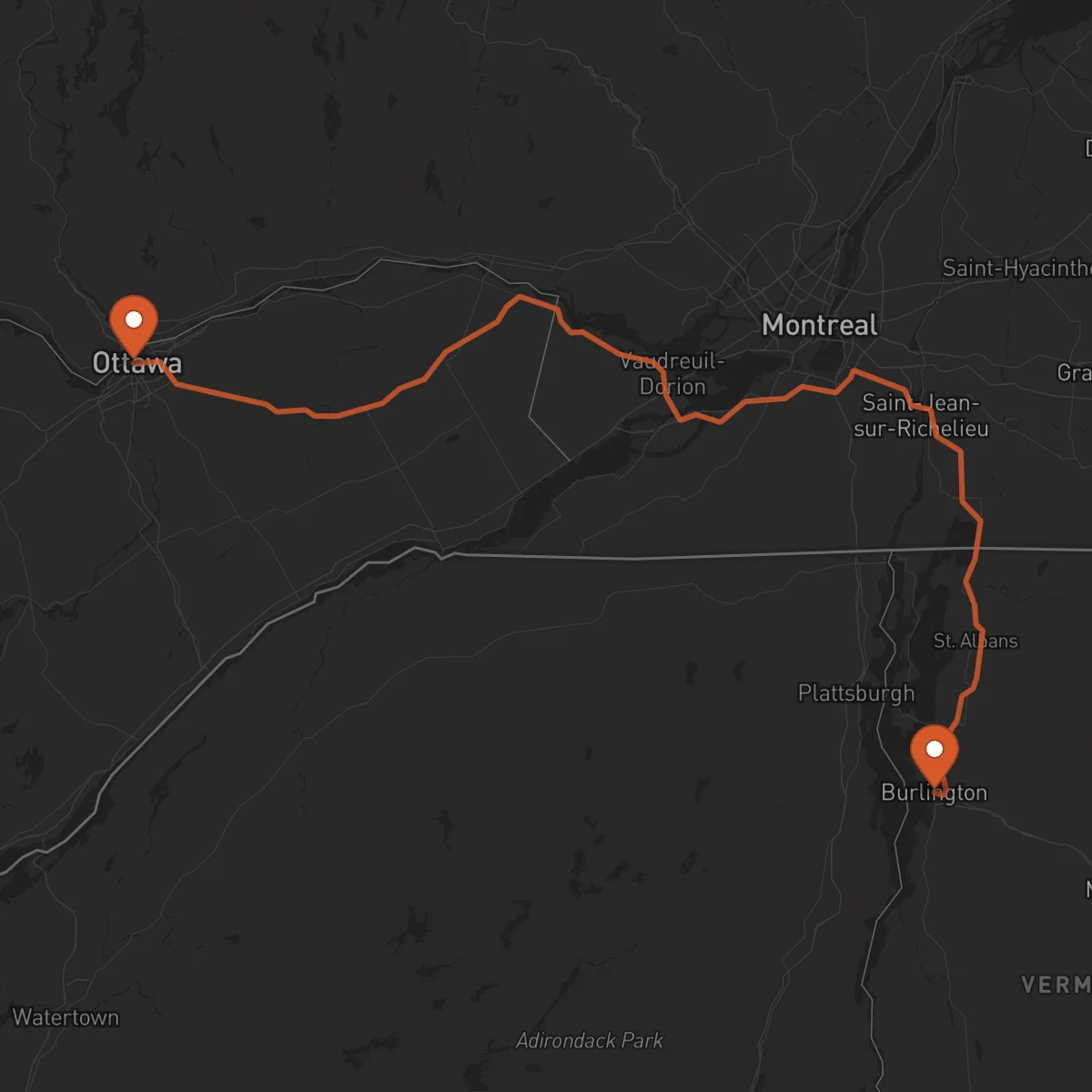
The logistics corridor between Ottawa, Ontario, and Burlington, Vermont, represents a vital cross-border connection linking Canada's capital region with the northeastern United States. This 222-kilometer route facilitates the movement of goods between two economically significant regions, supporting trade relationships that strengthen North American supply chains. The corridor serves as a strategic link between Canada's federal government hub and Vermont's growing industrial and commercial sectors.
The region's economic landscape encompasses diverse industries including technology, healthcare, education, and manufacturing. Ottawa's technology sector, often referred to as Silicon Valley North, creates substantial demand for specialized freight services, while Burlington's position as Vermont's largest city drives retail and consumer goods distribution. The corridor also supports agricultural products moving between Canada's farming regions and U.S. markets, as well as manufacturing components essential for production facilities on both sides of the border.
Transportation infrastructure along this route includes major highways such as Autoroute 50 and Autoroute 15 connecting Ottawa to the U.S. border, with Interstate 89 providing direct access to Burlington. The corridor crosses at key border points including the Highgate Springs-St. Armand/Philipsburg crossing, one of the busiest commercial ports in the region. Control Terrestre's expertise in cross-border logistics ensures seamless operations through these critical checkpoints, managing customs documentation and compliance requirements to minimize delays and maintain efficient freight movement throughout this essential trade corridor.
Services for this Route
Available services for the corridor Ottawa - Burlington
 Origin
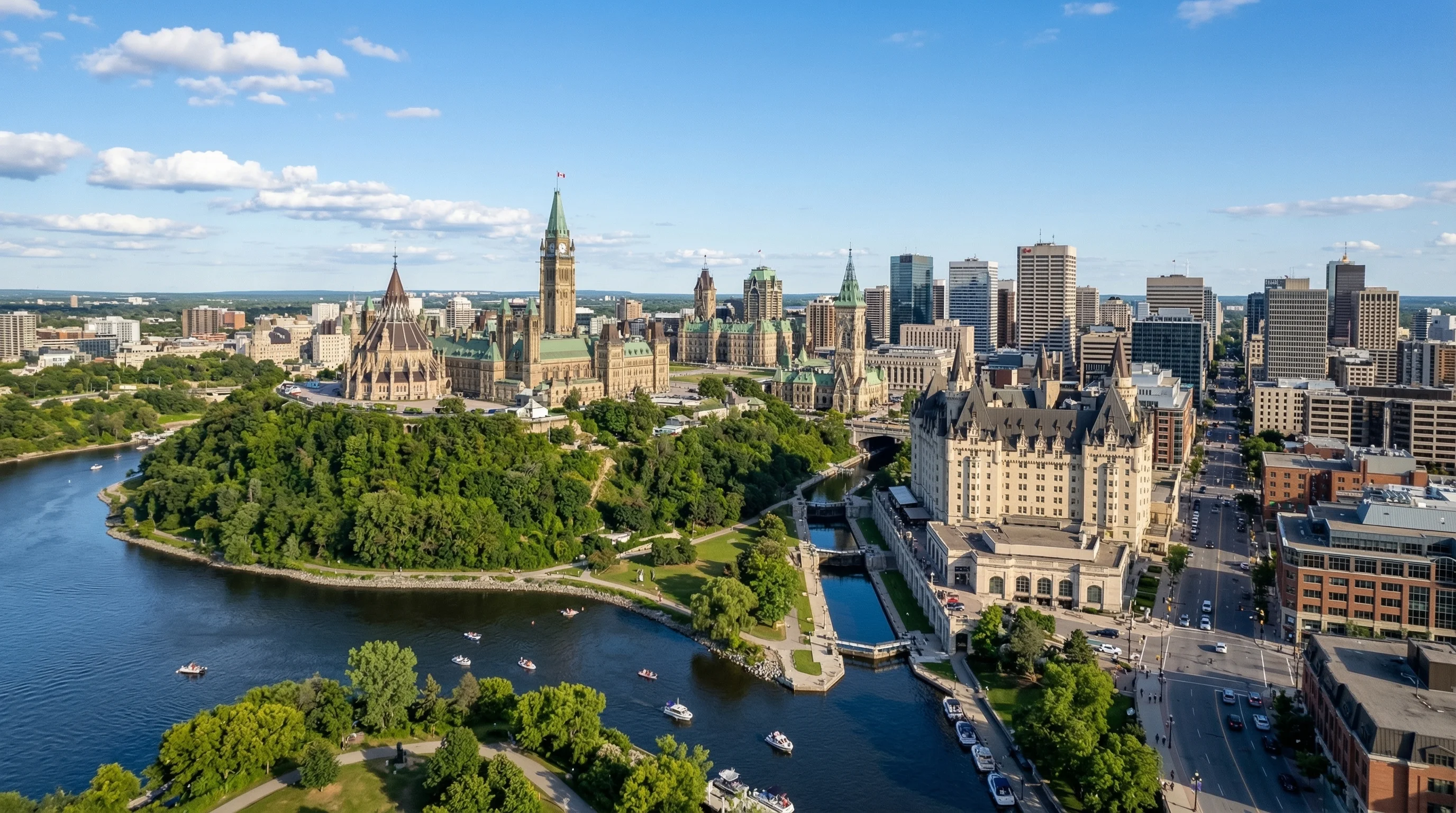
Ottawa serves as a strategic logistics hub in eastern Canada, combining federal government operations with a thriving technology sector and diverse industrial base. The city's location on the Ottawa River provides natural transportation advantages, while its proximity to major Canadian markets creates efficient distribution opportunities. Ottawa's technology corridor generates significant demand for specialized freight services, particularly for high-value equipment and sensitive electronics. The region's transportation infrastructure includes major highways connecting to Montreal and Toronto, as well as the Ottawa Macdonald-Cartier International Airport for air freight needs. The city's position as Canada's capital also creates unique logistics requirements for government and diplomatic shipments.
 Destination
Burlington
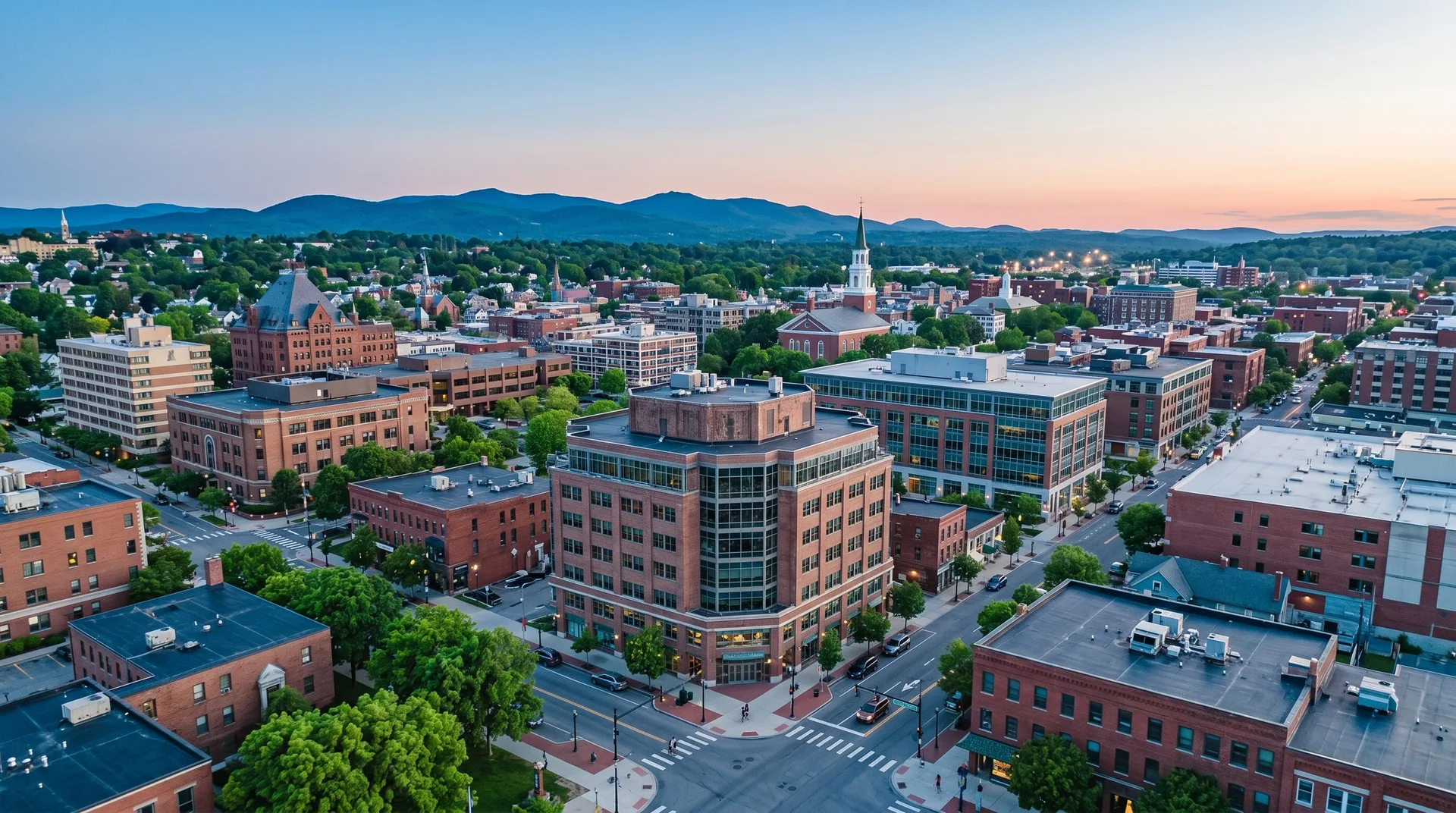
Burlington, Vermont, occupies a strategic position as the largest city in the state and a gateway to New England markets. The city's location on Lake Champlain provides multimodal transportation options, while its proximity to the Canadian border facilitates international trade. Burlington's economy centers on education, healthcare, and retail sectors, with the University of Vermont being a major institutional presence. The city's waterfront area has been developed for commercial use, and its transportation infrastructure includes the Burlington International Airport and connections to major highways serving the northeastern United States. The region's growing tourism industry also creates seasonal demand for freight services.










